
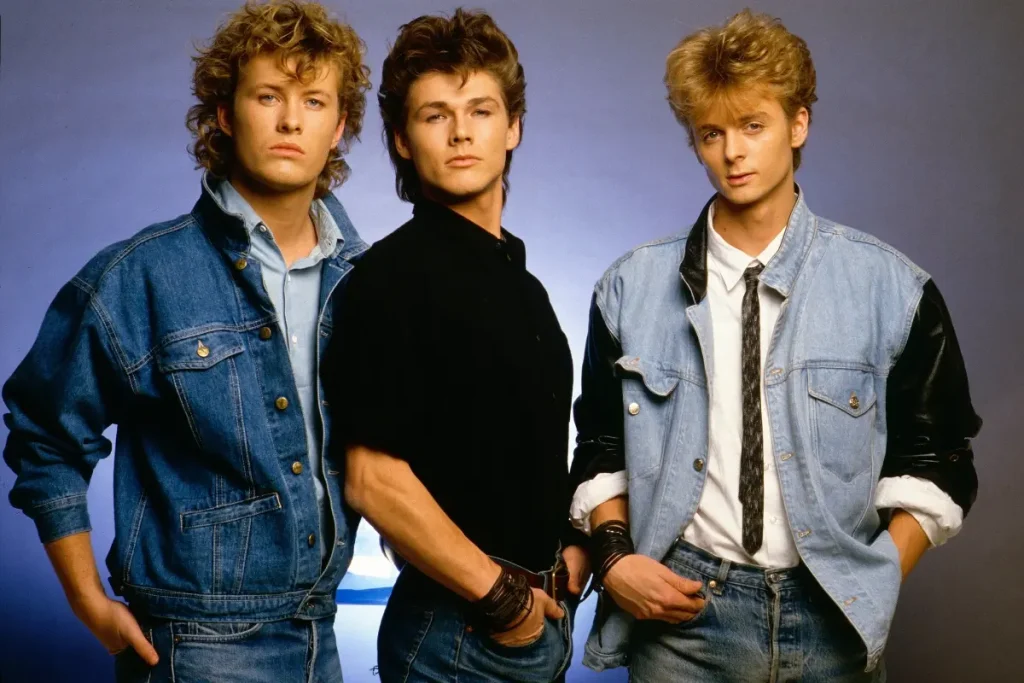
There are music videos you remember, and then there’s “Take On Me” – a short film that somehow also functions as a pop promo, a comic-book romance, and a technical flex that still embarrasses plenty of modern CGI. The wild part: its iconic pencil-sketch look wasn’t a happy accident or a “filter.” It was painstaking, analog labor that turned a risky concept into one of the most recognizable images of the MTV era.
Below is the making-of story, from the earlier failed attempts to the brutal rotoscoping workflow that forced live-action and animation to behave like they were born together.
Before the classic: why “Take On Me” needed a third try
By the time most people saw the famous sketch-and-live-action version, “Take On Me” had already been through earlier releases and videos. That’s the uncomfortable truth of pop history: sometimes the song is great, but the packaging is wrong, and the world shrugs.
The breakthrough video (the one you know) was tied to the 1985 single push and the Hunting High and Low campaign, eventually becoming the definitive visual identity for the track. It wasn’t just a creative upgrade – it was a commercial rescue mission.
“We were trying to make something that had never been seen before in a pop video.”
– Steve Barron, director
The core idea: a girl gets pulled into a comic-book world (and it feels dangerous)
The plot sounds simple: a woman in a cafe is drawn into a comic where a motorcycle racer (Morten Harket) is fighting for his life. What makes it stick is tone: the fantasy isn’t soft-focus escapism. It’s physically threatening, with faceless henchmen and claustrophobic frames.
That edge mattered. In an MTV landscape full of performance shots and glossy glamour, “Take On Me” sells romance as a literal leap into the page – a choice with consequences.
The official “Take On Me” video, as released and widely circulated, is hosted on a-ha’s label channel and remains the canonical cut for viewers and researchers.
Meet the team: director plus animators with a fine-art attitude
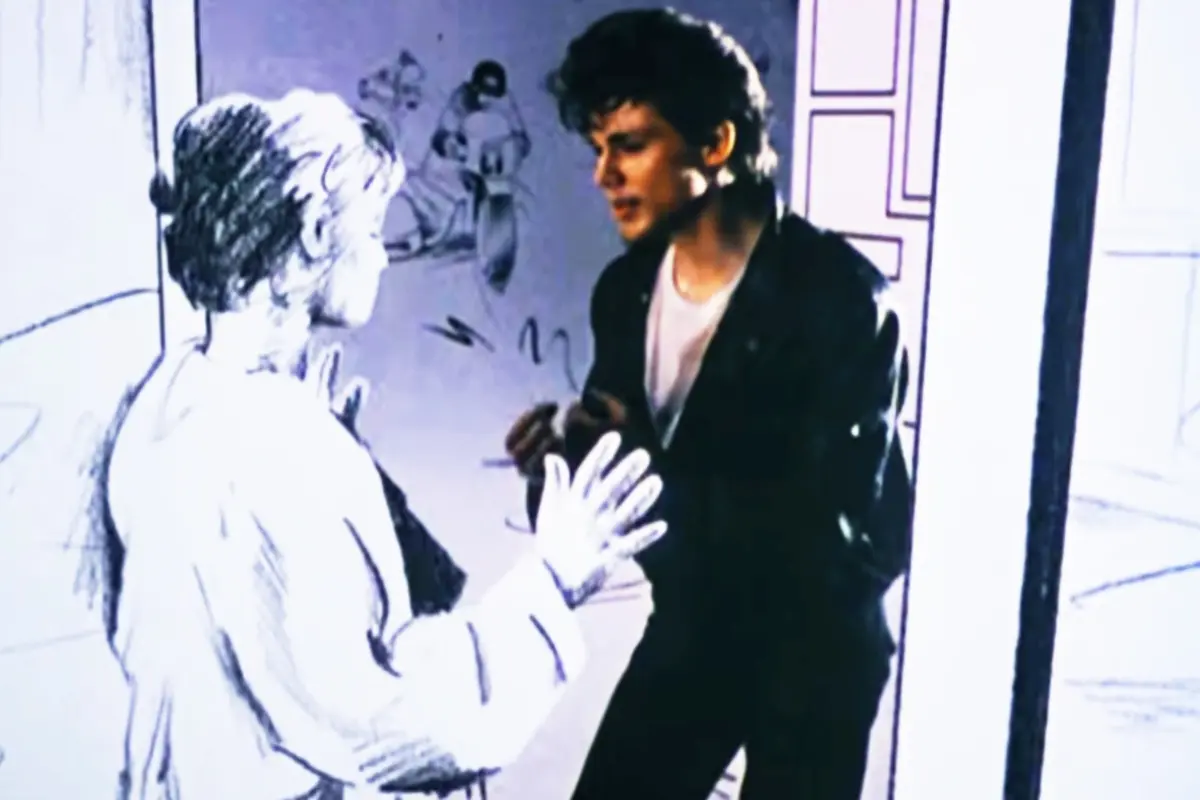
The video is commonly credited to director Steve Barron and animators Michael Patterson and Candace Reckinger, who executed the distinctive rotoscoped look. The creative chemistry was unusual: a pop commission handled with the seriousness of an animation short, not disposable promo content.
The animation team’s process was central to the final result, treating the piece as a landmark in music-video craft rather than just a catchy concept.
How it was actually made: rotoscoping, the hard way
Rotoscoping is one of those terms people throw around casually now, as if it’s a preset. It’s not. At its most traditional, rotoscoping means drawing over live-action footage frame by frame to produce animation that inherits realistic motion.
Even the basic definition implies the pain: “rotoscope” refers to tracing motion from filmed images. In the mid-80s, that meant physical drawings, constant reference, and a production schedule that didn’t care about anyone’s wrists.
Step-by-step pipeline (simplified, but honest)
- Shoot live-action first – staged performances and narrative scenes were filmed traditionally.
- Create high-contrast reference – footage was transferred into a form animators could trace consistently.
- Trace key elements frame by frame – characters and selected environments were hand-drawn over the live plate.
- Composite animation with live-action – the “paper world” and “real world” interact through careful matching and transitions.
- Finish with grading and effects – to keep the pencil texture coherent and avoid the “two videos glued together” look.
One reason the video still looks alive is that it never fully commits to a clean cartoon. The lines jitter slightly, the shading breathes, and the world feels hand-made – because it is.
The illusion that sells it: transitions, not drawings
Plenty of projects can do “sketch style.” What “Take On Me” nailed is the transition logic. The page tears, the frames warp, and the characters cross boundaries in a way that makes the audience accept the premise instantly.
The video’s reputation as a benchmark for mixing live-action with animation has lasted because the technique feels emotional rather than gimmicky.
Three signature moments worth studying
- The hand coming out of the page – the “touch” is the story’s thesis: fantasy can be physical.
- The hallway chase – speed lines and comic framing turn real running into graphic suspense.
- The escape into the apartment – the sketch world collapses, the real world breaks, and you feel the cost of crossing over.
Performance direction: Morten Harket as a romantic action hero
Harket’s job wasn’t just singing. In the comic world, he’s a silent-film style leading man: expressive, slightly exaggerated, and always readable through a layer of pencil texture. That’s harder than it looks because subtle facial acting can disappear once it’s traced.
The video’s short-film status and lasting influence also cemented a-ha’s visual identity internationally, with the band’s name effectively fused to the sketch aesthetic for decades afterward.
“Edgy” truth: this video is basically a hostile takeover of your attention
Here’s the provocative claim: “Take On Me” didn’t politely compete on MTV – it hijacked the channel’s visual language. The video weaponizes contrast: soft romance vs. brutal pursuit, ordinary cafe vs. violent comic panels, clean reality vs. unstable graphite.
In other words, it’s not just pretty. It’s engineered to make every other video around it feel flat and complacent.
The production’s frame-by-frame intensity and behind-the-scenes effort helps explain how the concept crystallized into a cultural phenomenon.
What it cost (in time, labor, and sheer stubbornness)
Different retrospectives cite varying specifics for the exact number of drawings and the schedule, and it’s smart to treat any single number as approximate unless you have production logs. What’s consistent across credible accounts is the takeaway: it took a long time, required meticulous tracing, and demanded a level of patience that modern “fix it in post” culture rarely budgeted for.
The band’s long-running official presence is a reminder of how the video’s legacy has endured beyond its original TV rotation, living on as a defining piece of the group’s identity.
Why it still hits in the streaming era
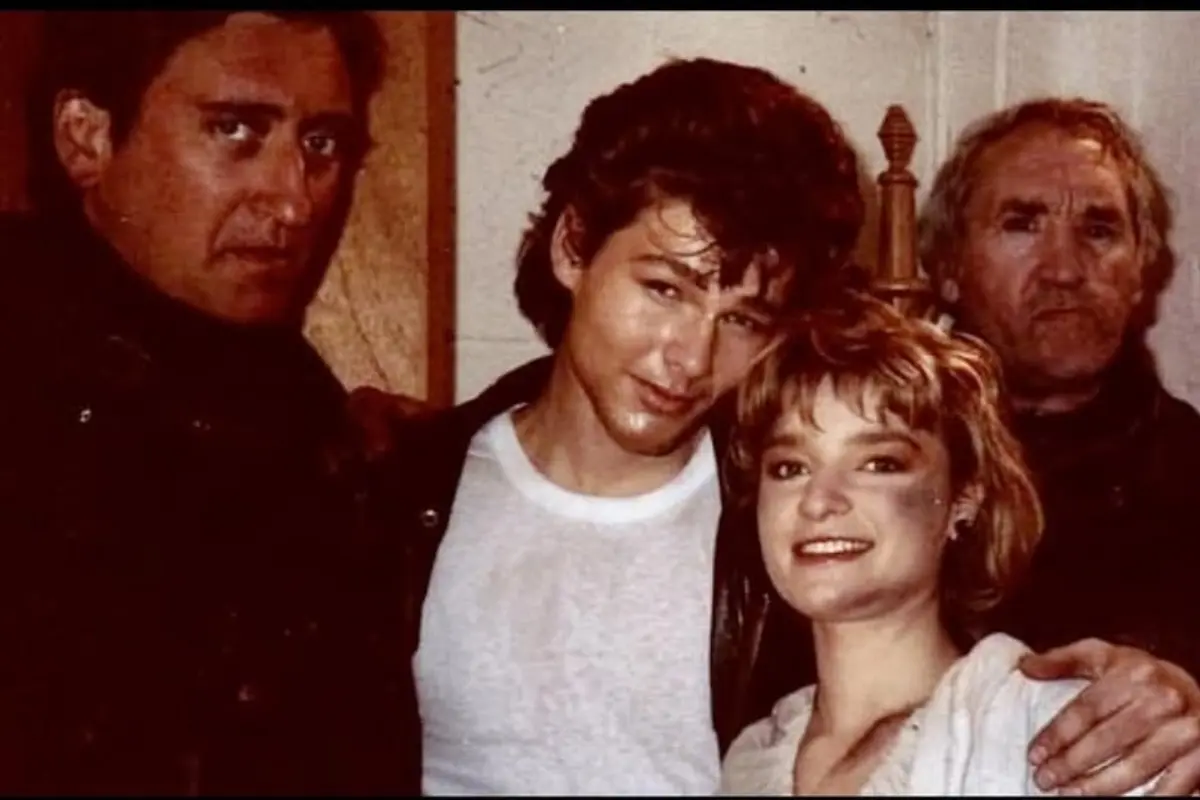
In 2025, audiences are numb to spectacle. Yet this video remains sticky because its effect is not about realism – it’s about translation. You can feel the friction between worlds, and that friction mirrors the lyric’s longing.
This enduring “closer-to-cinema-than-marketing” status is part of why the clip keeps circulating in modern curation and criticism.
Lessons modern musicians can steal from “Take On Me”
- Commit to a single visual metaphor – here, love equals crossing mediums.
- Make the effect serve the plot – the animation isn’t decoration; it’s the conflict.
- Design for rewatchability – the video rewards replay because details live in the linework.
- Don’t fear “too much story” – a strong narrative can amplify a pop hook instead of distracting from it.
Quick-reference table: who did what?
| Role | Primary credit(s) | What it meant on screen |
|---|---|---|
| Director | Steve Barron | Storytelling, pacing, performance, overall execution |
| Animators (rotoscoping look) | Michael Patterson, Candace Reckinger | Pencil-line world, traced movement, hybrid aesthetic |
| Artist | a-ha | Song, performance, image that carried the concept |
Where the craft fits in a bigger media history
Rotoscoping sits at an intersection of film, animation, and archival workflows: it depends on capturing motion first, then reinterpreting it through a new medium. If you’re curious about how moving-image materials are preserved and studied more broadly, the scope of motion-picture records and formats helps explain how this kind of work can be revisited and restored decades later.
Conclusion: a love story drawn in bruises and graphite
“Take On Me” endures because it’s a perfect collision of pop instinct and obsessive craft. It took a song that already deserved better and gave it a visual myth: love as an act of bravery, not just feeling.
If you ever doubted that a music video could change a band’s fate, this is your evidence, drawn one trembling pencil line at a time.


