

Some debut albums feel like a promising handshake. She’s So Unusual feels like Cyndi Lauper kicking the studio door open, laughing, and refusing to apologize for taking up space.
Released in 1983, Lauper’s first solo LP didn’t just launch a star – it rewired what an ’80s pop singer could look like, sound like, and mean. It’s an album built from second chances, hard-won creative control, and a New York survivor’s instinct to turn chaos into hooky, neon art.
“When I was growing up, I always wanted to be like that: colorful.” – Cyndi Lauper
Origins: from near-breakdown to breakout
Before the debut: Blue Angel, bad luck, and stubborn talent
Lauper didn’t arrive as an “overnight” pop product. Before her solo deal, she fronted the band Blue Angel and racked up experience the hard way: gigs, setbacks, and industry skepticism that often greeted women who sounded too weird to categorize. That backstory matters because She’s So Unusual sounds like someone who has already been told “no” a hundred times, then decided “yes” anyway.
One key part of the origin story is that the album was never meant to be a tidy singer-songwriter confessional. It’s a curated collision: brash new wave attitude, classic pop craft, and the theatricality of downtown New York style, all forced into radio-friendly shapes without sanding off the edges.
The concept that wasn’t a concept: personality as the product
The most radical thing about She’s So Unusual is that its unifying theme is not heartbreak or politics – it’s identity. Lauper’s voice is big, elastic, and emotionally unfiltered, switching from coy to furious to vulnerable in the space of a chorus. The album sells the idea that pop can be character-driven, not just trend-driven.
For listeners raised on ’50s to ’70s vocalists, Lauper’s delivery can feel like a deliberate throwback to the era when singers acted out songs. But she filters that tradition through new wave textures, making the old-school “performance” feel rebellious again.
Making the album: the sound of pop learning new tricks
Pop, new wave, and the art of sounding expensive
She’s So Unusual lands in a sweet spot: polished enough to dominate FM and MTV, but strange enough to feel alive decades later. Synths and drum machines sit next to guitar jabs and bright backing vocals, with arrangements that rarely stay still for long. That constant motion is a big reason the album still feels kinetic rather than dated.
The songwriting roster also matters. Lauper co-wrote several tracks, but the album is also a smart selection of outside material that she reshapes through vocal choices, phrasing, and attitude. If you think “interpretation” is an old-fashioned skill, this record is the rebuttal.

Four singles, four different moods (and a blueprint for pop albums)
One reason the album’s legacy is so massive: it’s not a one-hit vehicle. It’s a multi-single ecosystem, with each major track acting like a different facet of the same persona.
| Signature track | What it sells | Why it mattered |
|---|---|---|
| “Girls Just Want to Have Fun” | Joy as defiance | Turned “fun” into a cultural argument, not a guilty pleasure. |
| “Time After Time” | Vulnerability | Proved she could do emotional gravity without shrinking her personality. |
| “She Bop” | Mischief | Smuggled sexual autonomy into Top 40 with a grin. |
| “All Through the Night” | Atmosphere | Showed the album had depth beyond the headline singles. |
Why it hit so hard in 1983-84
MTV needed faces; Lauper gave it a world
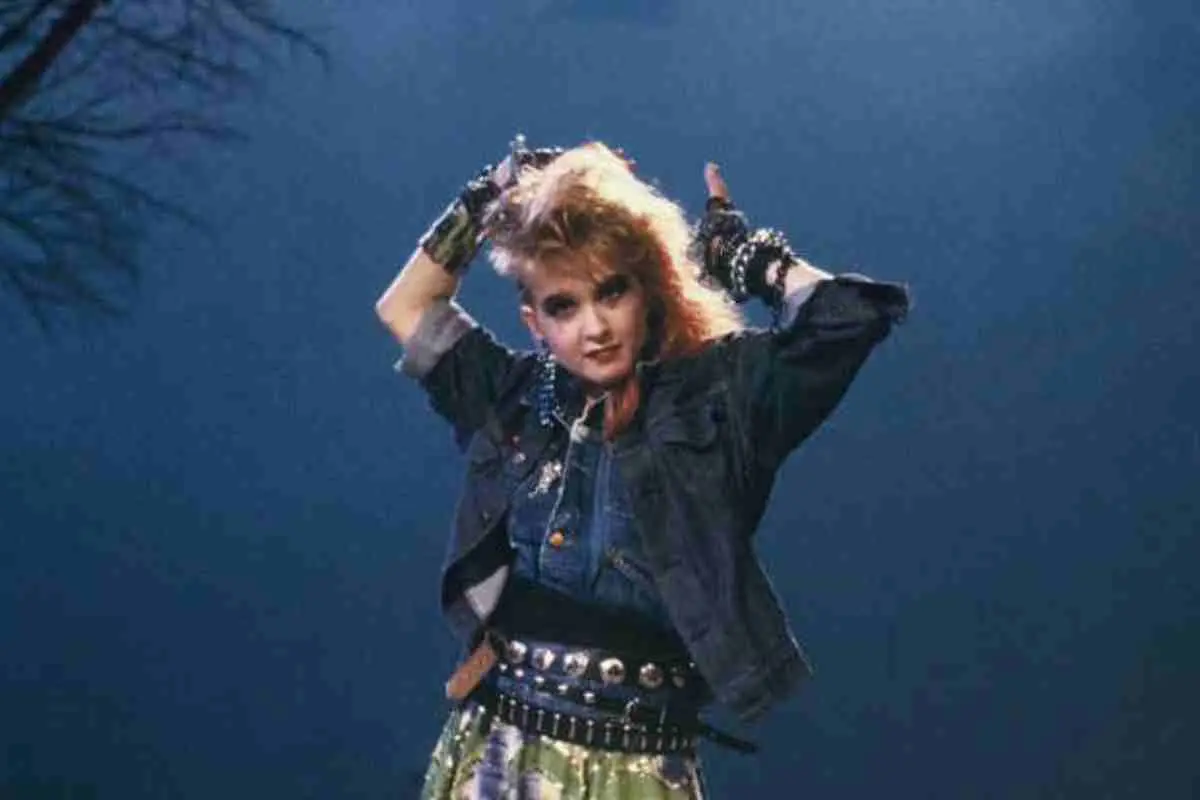
Early MTV rewarded artists who could communicate instantly – through fashion, gesture, and story. Lauper didn’t just “look different.” She built a coherent visual language that matched the songs’ emotional exaggeration. That’s why the record isn’t merely remembered as audio: it’s remembered as a full-color moment.
And here’s the edgy claim that holds up: She’s So Unusual helped make pop weirder and safer at the same time. Weirder, because eccentricity suddenly sold. Safer, because the industry learned to package “quirky” in a way that still fit radio formats.
It’s a debut that doesn’t sound like it’s asking permission
A lot of debut albums are auditions. This one is a takeover. Lauper’s singing is not “tasteful” in the narrow, conservative sense – it’s bold, sometimes nasal, often explosive, and relentlessly expressive.
That fearlessness is part of the album’s social impact. It models a kind of feminine presence that isn’t trying to be cooler than you, prettier than you, or quieter than you. It’s trying to be free.
Legacy: what She’s So Unusual changed (and what it still teaches)
The “fun” that wasn’t frivolous
“Girls Just Want to Have Fun” became an anthem precisely because it refuses to argue like a policy paper. It argues like a party: by recruiting people into a feeling. Lauper’s version also famously reframes the song’s perspective, an act of pop alchemy that made it speak differently to mass audiences.
If you want a shorthand for the album’s legacy, it’s this: it normalized the idea that joy can be political, even when the artist doesn’t announce it with slogans.
Sex-positive pop before it was a branded lane
“She Bop” is still a masterclass in smuggling taboo topics past gatekeepers. It’s cheeky and coded but not ashamed, turning self-pleasure into a pop hook without making the listener feel like they need to blush and change the station. In the broader history of mainstream pop, that’s not a small shift.
Influence: the pop star as auteur-character
Today we expect pop stars to have “aesthetic eras,” signature colors, and a personal myth. Lauper was early at turning that into a complete package: voice, styling, humor, and sincerity operating together. That approach shows up everywhere from alternative pop to maximalist arena performers.
Rolling Stone’s long-running canon-making has repeatedly singled out the album as more than a nostalgic artifact, placing it among major pop landmarks and notable debuts.
How to listen now: practical tips for hearing it with fresh ears
1) Listen for the vocal acting, not just the hooks
On a good system or headphones, focus on how Lauper changes tone within a single line. She uses breath, bite, and vowel shapes the way a guitarist uses bends and vibrato. That “extra” quality is the point – it’s emotional information.
2) Compare the ballad and the banger back-to-back
Play “Time After Time” and then “She Bop.” The whiplash is intentional: the album refuses the idea that a female pop singer must pick one acceptable mood. That range is part of the statement, and it’s the kind of contrast highlighted in critical reappraisals of the album.
3) Watch how the arrangements leave space for personality
The production is tight, but it rarely crowds the vocal. Instruments pop in and out like characters, giving Lauper room to be comedic, dramatic, or tender without fighting the track.
Quick facts that frame its place in pop history
- Release era: The album’s 1983 launch put it right in the early MTV boom, when visuals could accelerate a breakout, as covered in a 30-years-later look at the album’s moment.
- Awards impact: Lauper’s early-career Grammy recognition cemented that this was not just a singles streak but a major arrival, with the 26th Annual GRAMMY Awards record capturing the period’s top honors.
- Canon status: Critics continue to re-evaluate the album as a foundational pop statement, not merely an ’80s time capsule – something reflected in overviews of its enduring reputation and reception.
Track-by-track highlights (not a full review)
“Girls Just Want to Have Fun”
The song’s genius is how it makes a demand sound like an invitation. Lauper’s phrasing is mischievous, but there’s steel underneath it, the sound of someone refusing to be managed.
“Time After Time”
A ballad that doesn’t beg. The melody is gentle, but the vocal is direct, suggesting loyalty as a choice, not a weakness.
“She Bop”
Playful, rhythmic, and deliberately provocative. It’s the kind of pop that challenges prudishness by laughing at it – an approach that still feels braver than many modern “shock” tactics.
“All Through the Night”
Dreamy and slightly haunted, it hints at a more nocturnal Lauper that later albums would explore. It also reinforces that She’s So Unusual is not just a sugar rush; it’s a collection with shadows.
Conclusion: the debut that refused to be reduced
She’s So Unusual endures because it does two things at once: it’s expertly made pop, and it’s a personality document. Lauper didn’t just deliver songs; she delivered a new model for pop stardom where voice, image, humor, and heart could coexist without compromise.
If you only remember the album as “that fun ’80s record,” it’s worth revisiting. Under the bright colors is a stubborn message: being loud, strange, and joyful is not a phase – it’s a strategy.
For additional archival context on Lauper’s career, the Library of Congress resource record is a useful starting point.


