Tina Turner did not just sing songs. She curated impact.
In her memoir My Love Story, Turner explained her process with the clear-eyed practicality of a working bandleader: pick material that motivates delivery, sequence it for maximum emotional effect, and step onstage as a deliberately amplified version of yourself via the ethos captured on her official website. That is not romantic mysticism. It is stagecraft.
And it helps explain why her concerts felt like a communal event rather than a recital, and why her signature songs still hit across generations as reflected in her career-spanning biography.
She didn’t want “relatable.” She wanted singable.
Turner’s take is bracingly anti-confessional: she said she never liked autobiographical songs because she had “done enough of those” and could get tired of singing the blues. That is a provocative position in an era where “authenticity” gets marketed like a product.
Her standard was simpler and tougher: she had to like the lyrics, but the melody mattered just as much because melody is what “motivates” her into the delivery. Translation: if the tune doesn’t ignite the body, the message will not land, no matter how true it is.
“I had to like the lyrics, but the melody was also very important to me because that’s what motivates me to get into the delivery.”
– Tina Turner
Why this is a bigger deal than it sounds
Most singers start with meaning and then try to “sell” it with technique. Turner flipped the hierarchy: get the melodic engine running first, then steer the emotion. It is a reminder that pop and rock are physical arts, built for breath, pulse, and nerves.
It also helps explain her cross-generational pull. Turner said she liked songs that could “go both ways” and appeal to the young and the old. That is not an accident. It is taste plus strategy.\
The set list was an emotional ride, not a playlist
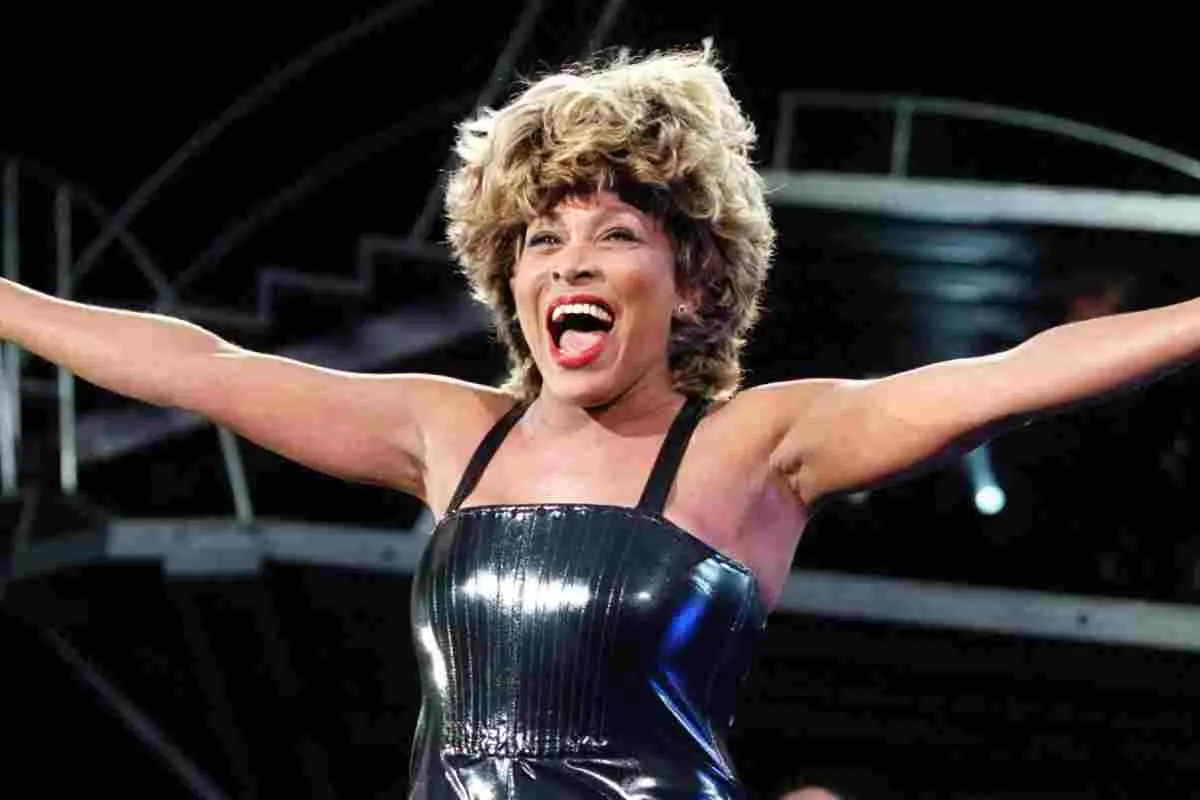
Turner described the order of songs as crucial, naming it explicitly as the “set list.” The concept is basic for touring pros, but she spells out the intent: the music should be organized to give the audience an emotional experience.
That mindset is why her shows had momentum like a movie: opening adrenaline, mid-show mood shifts, then a final act that detonated. She wasn’t “doing hits.” She was building release.
Her blueprint in plain English
| Set list job | What it does to the room | Tina’s example |
|---|---|---|
| Kick the door in | Immediate excitement, instant trust | “Steamy Windows” as a lively, slightly naughty opener |
| Reset the color | Shift from party heat to emotional depth | A moodier turn like “Let’s Stay Together” |
| Final ignition | Shared catharsis and physical connection | Ending with “Proud Mary” and “Nutbush” to take her “out to the people” |
Notice what is missing: a promise to be “faithful” to albums, or a duty to recreate recordings note-for-note. The only loyalty is to the room.
Costume changes weren’t vanity. They were pacing.
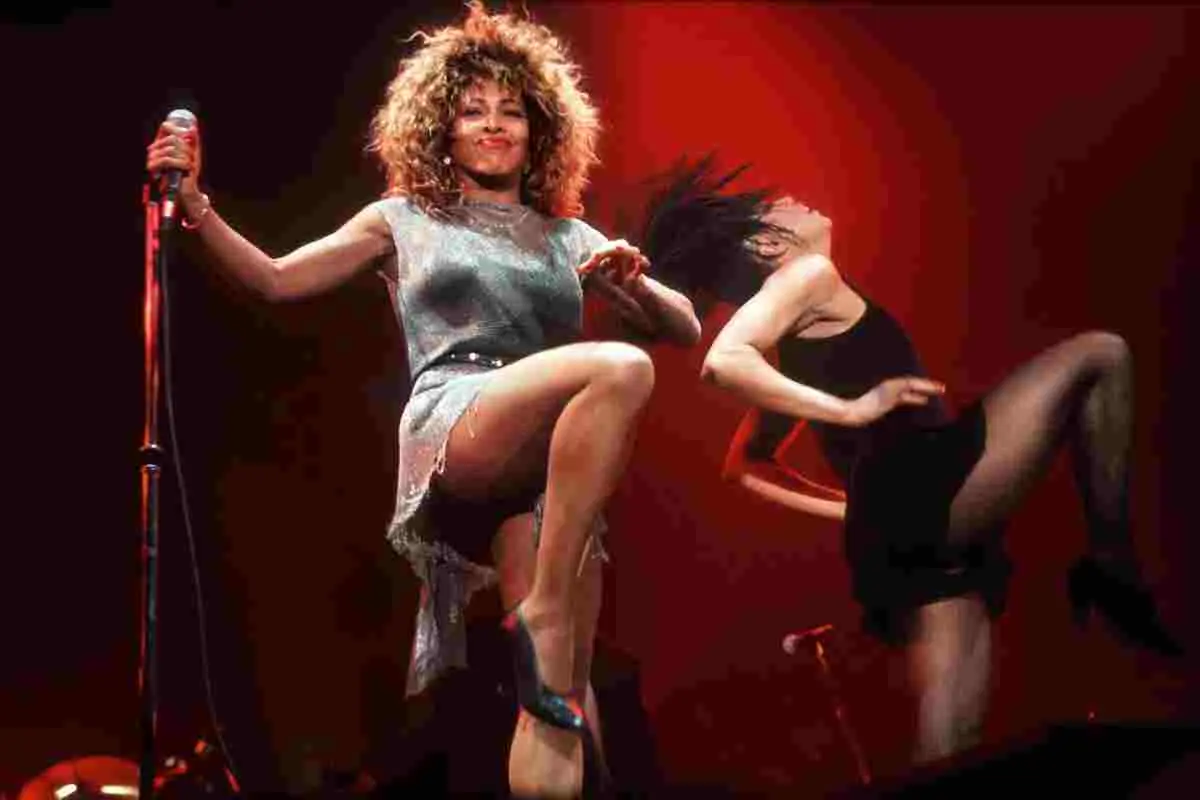
Turner mentions changing clothes after a couple songs and starting “a different set.” That is not just spectacle. It is concert architecture.
A costume change buys the audience a breath, gives the band a moment to pivot energy, and signals a new chapter. The visual language tells you how to listen. In arena-scale shows, that kind of signposting is a power move because it keeps 10,000 people in sync.
Practical takeaway for performers
- Use a visible reset: wardrobe, lighting, staging, even a short spoken moment.
- Group songs by emotional temperature: hot-openers, mid-tempo grooves, slow-burners, then finishers.
- Keep transitions intentional: Turner’s “one song led to the next” is a reminder to avoid dead air.
“Becoming Tina”: the two-self performance trick
Turner described a mental split: everyday Tina (breakfast, reading, shopping) versus performance Tina, the one who engages when “all eyes are on her.” She called it like having two personalities, similar but with a “larger presence” onstage.
This is a candid look at the psychological machinery behind great live singers. The stage persona is not fake. It is concentrated.
“For me, the show began in my dressing room, where I mentally prepared to become ‘Tina.’”
– Tina Turner
Her career arc makes that concentration feel even more hard-won, especially considering the widely reported history of abuse in her marriage to Ike Turner and her eventual escape and restart – context that’s also covered in the accounts of her life and career.
Edgy but useful claim: the “persona” is a safety tool
There is a romantic myth that the best performers simply “are themselves” onstage. Turner’s framing suggests something sharper: a persona can be a boundary. It can protect the private self while still giving the public everything it paid for.
Given how much of her early public narrative was bound up with survival and reinvention, the idea of deliberately stepping into a bigger self reads less like theater and more like control, a stature reflected in her major awards profile.
Why the closer mattered: “Proud Mary” and “Nutbush” as contact sports
Turner’s description of the final set is blunt: those numbers “took me out to the people.” That is choreography and crowd psychology in one sentence.
“Proud Mary” in her hands became a dynamic arrangement built for anticipation and payoff, a slow build into a full-body sprint. “Nutbush City Limits,” her own autobiographical hometown shout, functions like a victory lap that still feels personal.
The lesson is not “end with the biggest songs.” The lesson is “end with the songs that maximize connection.” Sometimes that is a hit. Sometimes it is the song with the best call-and-response, the tightest groove, or the most forgiving range when you are 90 minutes deep.
Her taste for standards wasn’t nostalgia. It was leverage.
Turner’s mention of “Let’s Stay Together” points to another smart tactic: borrow a beloved song, then make it part of your narrative. Covering a standard is not retreating from originality. It is recruiting the audience’s memory.
In live settings, a well-chosen cover can stabilize the room. People who arrived as casual listeners suddenly have a hook, and then you can lead them back into your own catalog with more attention than you started with.
How to pick a cover the Tina way
- Choose a melody that forces you to move (if it does not, it will not translate).
- Pick lyrics you can stand behind, even if they are not literally “you.”
- Use it as a mood pivot, not a random tribute.
Tina’s method, distilled for musicians today
Whether you play clubs, theaters, or retirement-community ballrooms, Turner’s approach scales because it is about human attention. Try this framework in rehearsal.
A simple 5-step set-list build
- Pick your opener for adrenaline (tempo + attitude + instant clarity).
- Place your first “reset” by song 3 or 4 (the audience’s ears are acclimated; now you can deepen).
- Cluster songs in mini-sets (2-4 songs each) with a clear emotional identity.
- Reserve two closers: one for communal release, one for the final stamp.
- Rehearse transitions like songs: count-offs, keys, banter, and lighting cues are part of the music.
If you want a north star, take Turner’s own goal statement: organize the music to give the audience an emotional experience. It is the most “professional” sentence in rock.
Legacy: the performer who made craft feel like nature
Turner’s death prompted an outpouring of tributes that consistently emphasized not only the voice, but the force of her live presence. She was widely framed as a figure who broke categories, carrying soul grit into rock spectacle without sanding off the danger.
The Guinness listing for her record-setting audience sizes underscores what the body of work already tells you: she did not just perform well. She scaled intimacy to stadium proportions. And when her story expanded into theater, major award recognition for the Broadway season helped mark how enduring that legacy proved to be beyond concert stages.
Conclusion: the real secret is that none of it was accidental
Tina Turner’s quote about song choice and set lists reads like a masterclass in plain language: melody triggers delivery, sequencing creates emotion, and persona is a practiced transition from private life into public power.
If you want to honor her as a musician, do not just imitate the rasp or the strut. Steal the system: choose songs you can deliver, and design the night so the audience leaves changed.