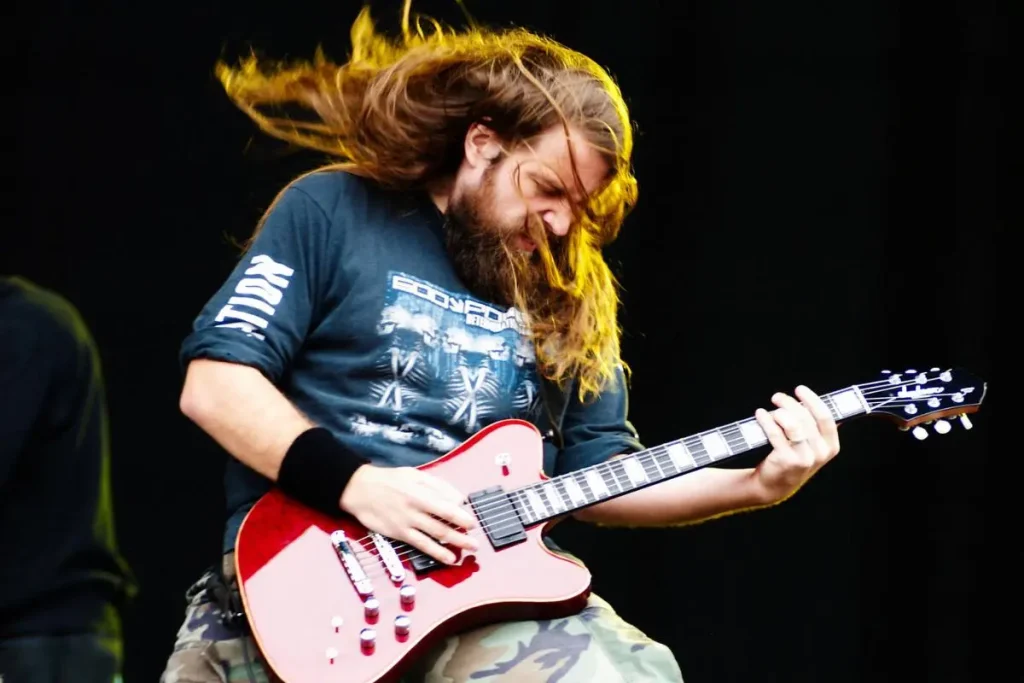
Heavy metal has always sold the fantasy of living fast, loud, and consequence-free. Mark Morton, guitarist and songwriter for Lamb of God, is making a much less marketable claim: you can survive that fantasy, walk away from it, and still make great art.
Morton recently shared on social media that he is celebrating seven years of sobriety, using the moment not as a victory lap but as a signal flare for anyone still stuck. In his post, he reflects on recovery and the people who helped him keep going, and he specifically credits Slash for offering support early on in his journey in a seven-years-sober social media post.
Seven years sober, shared in public (for a reason)
Morton’s message lands because it refuses the usual celebrity framing of sobriety as a brand upgrade. He points out that he does not talk about being sober to collect congratulations, but so that someone who is struggling can hear that recovery is possible.
That “not for applause” posture matters. In a scene where toughness is currency, admitting vulnerability is still treated like breaking character. Morton is basically saying: the character is killing people.
“I speak about sobriety not for congratulations, but so others struggling can hear that recovery is possible.” – Mark Morton (social media statement)
Why this hits harder in metal than in most genres
Metal has always had a complicated relationship with excess. On one hand, it is a music built for catharsis and community. On the other, touring culture can normalize a daily rotation of triggers: isolation, adrenaline spikes, sleep disruption, easy access, and a social script that says self-destruction is “authentic.”
Morton’s career arc also adds weight. Lamb of God’s longevity is tied to discipline as much as aggression. Staying sharp enough to play tightly night after night is hard even before you add substance use to the equation.
Recovery is not a moral makeover – it is a health intervention
One of the most important ways to talk about sobriety is to strip away the idea that addiction is simply a lack of willpower. The American Psychological Association describes addiction as a complex condition influenced by brain changes, environment, and behavior.
Alcohol use disorder in particular is widely recognized as a medical condition with recognizable patterns and risks, not a personality flaw. The Mayo Clinic’s overview of alcohol use disorder outlines symptoms and consequences that can escalate over time, including impaired control and continued use despite harm.
Slash’s support: why one conversation can change an outcome
Morton’s shout-out to Slash is more than a fun rock-world cameo. It highlights a practical truth about recovery: it is often sparked or sustained by connection. Morton says Slash offered support early in his sobriety, and he explores that relationship further in his memoir Desolation: A Heavy Metal Memoir.
Slash has spoken publicly for years about getting sober and staying alive long enough to rebuild his career and health. His long-running public profile as a sober artist has helped normalize recovery inside a culture that still fetishizes burnout.
“There’s a thing about being sober where you have to be accountable for everything you do.” – Slash (interview/profile)
In other words, it is not just “stop drinking.” It is “start living with the lights on.” When someone already admired says that out loud, it can puncture the lie that sobriety equals weakness.
Inside Desolation: not a glamor story, a survival story
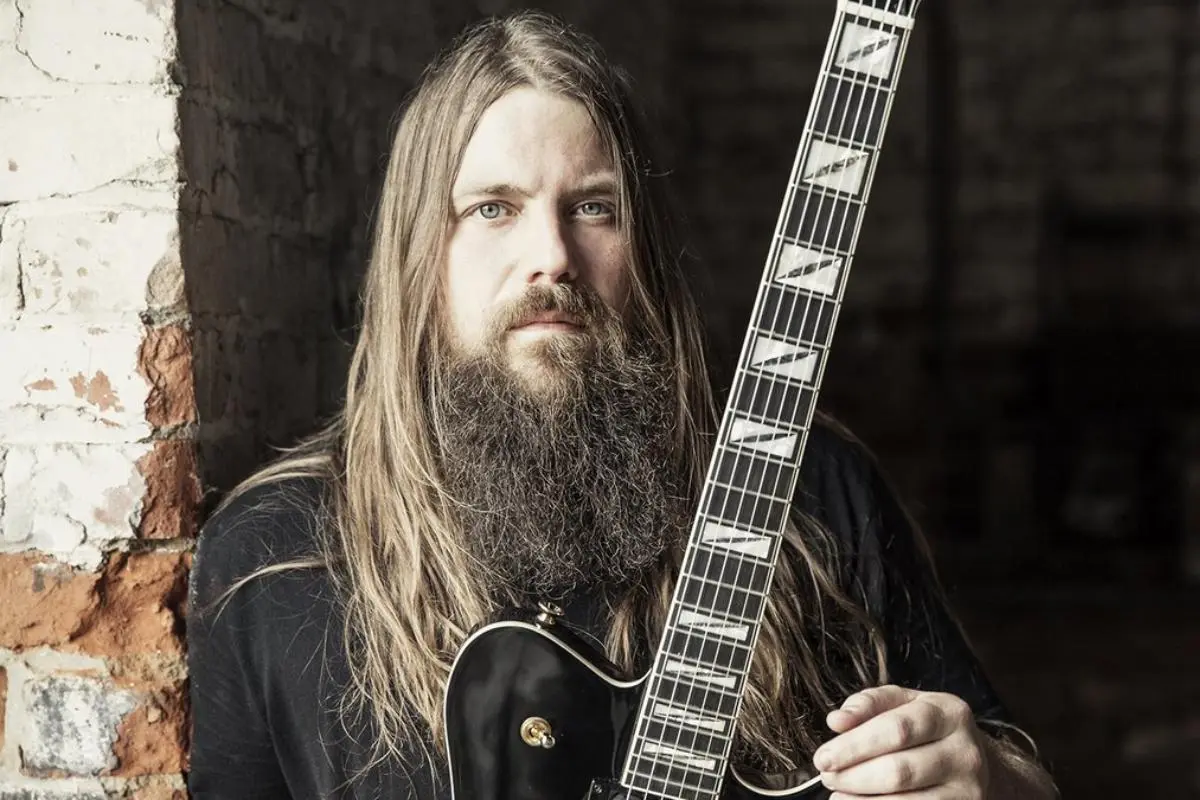
Morton’s memoir has been positioned as a clear-eyed account of substance use, shame, and rebuilding, rather than a tabloid thrill ride. Even if you never pick up the book, the existence of it signals something important: in modern heavy music, the most radical honesty is no longer about violence or nihilism. It is about getting help.
For readers who do want the full narrative, Desolation: A Heavy Metal Memoir is widely available and details Morton’s personal history and recovery process, including the support he received along the way.
The “congratulations” trap: why Morton’s framing is smart
Public sobriety anniversaries can turn into weird content: comments, hearts, applause, and then silence until the next milestone. Morton tries to subvert that by making the anniversary a message aimed outward.
That outward focus has a proven logic. Recovery communities frequently emphasize service, sponsorship, and peer support because helping others can reinforce your own stability. Alcoholics Anonymous’ shared program built around mutual help is designed around the idea that you do not do this alone.
What actually helps: a practical “recovery toolkit” (not a vibe)
Sobriety is not one hack. It is a set of supports that cover different needs: cravings, mental health, social life, and identity. Here are evidence-aligned building blocks that show up again and again in successful long-term recovery.
1) Treatment and support are not the same, and many people need both
Some people do well with mutual-aid groups alone, but others benefit from counseling, medication, or structured treatment. The National Institute on Drug Abuse’s overview of effective treatment notes that care can include behavioral therapies and medications tailored to the individual.
2) Peer groups reduce isolation (and shame thrives in isolation)
For many, a meeting is the first place they hear their private thoughts spoken out loud by strangers. Narcotics Anonymous’ meeting search helps people find local or virtual support.
3) Family systems need support too
Addiction is rarely a solo disaster. It impacts partners, parents, children, and friends, and they can also benefit from community and coping tools. Nar-Anon support for family and friends is built specifically for people affected by someone else’s addiction.
4) Learn what addiction does to the brain so you stop “arguing” with symptoms
Education can reduce self-blame and help people plan for relapse risk realistically. The NCBI’s overview of the neurobiology of addiction describes how substance use can affect brain reward pathways and decision-making, which helps explain why willpower alone often fails.
5) In a crisis, use crisis resources immediately
If someone is in immediate danger or feeling suicidal, the right move is urgent help, not “toughing it out.” The 988 Suicide and Crisis Lifeline provides free, confidential crisis support in the U.S. via call, text, or chat.
A metalhead’s guide to sober living on tour (and at home)
Morton’s story resonates with musicians and fans because it is specific: high-pressure work, loud environments, late nights. If you are a gigging player, crew member, or just someone whose social life revolves around bars and shows, sober planning matters.
| High-risk moment | What to do instead |
|---|---|
| After-show adrenaline crash | Have a pre-planned decompression routine (food, shower, walk, call a sober friend) |
| Green room pressure | Bring your own drinks, set a hard exit time, and tell one person you are leaving early |
| Hotel loneliness | Schedule check-ins; attend online meetings; keep your room stocked with safe snacks |
| “One won’t hurt” thinking | Play the tape forward: picture the next 24 hours, not the next 24 minutes |
This is not about becoming boring. It is about becoming reliable, which is the most unsexy superpower in music. Reliability is how bands last.
Why older fans should care (even if they are not in a band)
If you grew up in the 70s, 80s, or 90s, you watched addiction get packaged as entertainment. The body count was real, but the narrative was often romanticized. Morton’s refusal to glamorize his recovery is a corrective to decades of mythmaking.
And there is a practical takeaway: if you are struggling, you are not “too old” to change. If you are watching someone you love struggle, you are not powerless. The NHS guide to alcohol support options lays out routes to help, including talking therapies and local services, and it starts with a simple premise: help is available.
Conclusion: the bravest thing in rock is asking for help
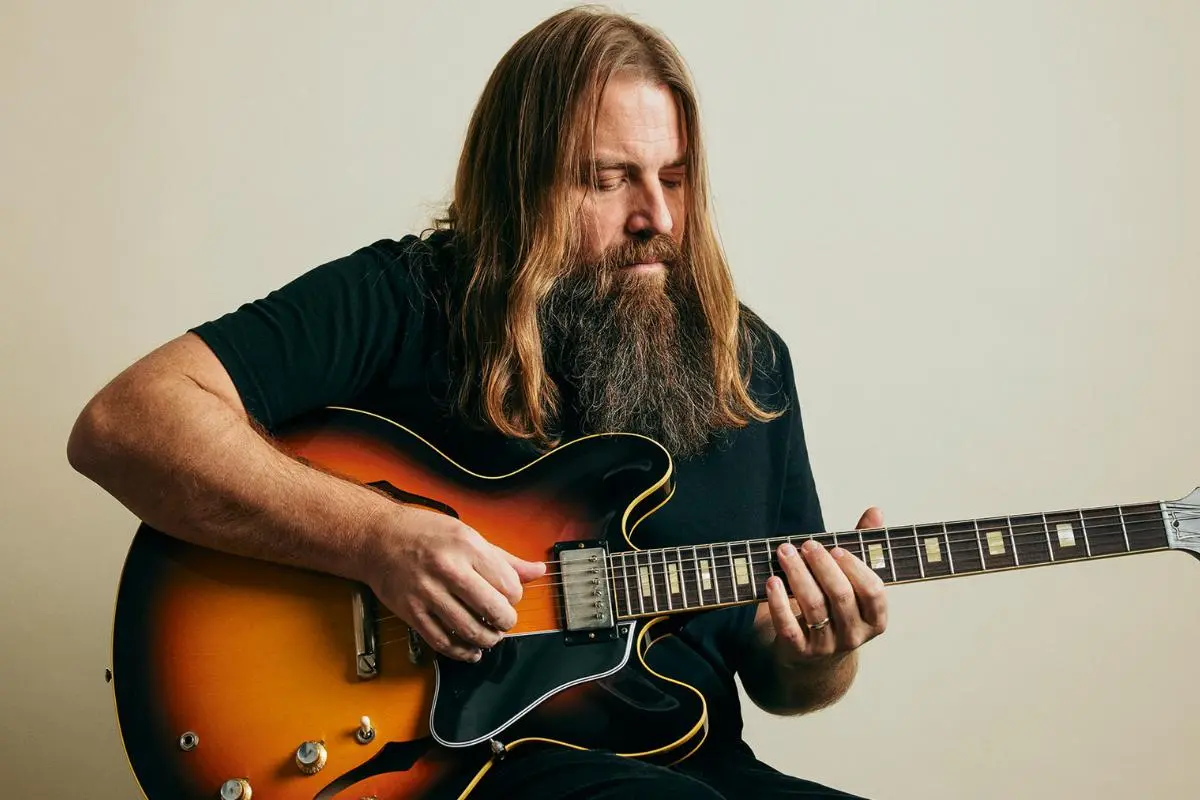
Mark Morton’s seven-year sobriety milestone is not just personal news. It is a public counter-myth to the idea that rock and metal require self-destruction to be real. His message is blunt and useful: recovery is possible, and you do not have to do it alone.
If heavy music has taught generations of listeners anything, it is that pain shared becomes bearable. Morton is applying that same logic to sobriety and in a world that still profits from the “live fast” story, that is a genuinely loud statement.