Carmen McRae never needed to shout to be heard. Her greatest trick was making you lean in. In a music world that often rewards vocal fireworks, she built a five-decade career by doing something riskier: sounding like a grown woman telling the truth.
McRae sang like a razor hidden in velvet. She could turn a standard into a confession, then end the last word like a raised eyebrow. If that sounds like hype, remember this: she started as a pianist and songwriter, and as a teenager she had a lyric recorded by Billie Holiday, with “Dream of Life” later recorded in the 1940s.
The origin story: Harlem, a piano, and Lady Day in the room
McRae was born in Harlem and came up inside the swing-to-bop pressure cooker, where timing mattered more than volume. Before her name meant anything to the public, she was already thinking like a composer and accompanist, which is why her singing always feels “built,” not merely “performed.”
The pivotal moment that gets told and retold is Billie Holiday hearing one of McRae’s lyrics and recording it, “Dream of Life,” in the 1940s. Whether you interpret that as fate or pure hustle, the result is the same: McRae learned early that words were not decoration. Words were the point.
“If the words don’t mean anything, why sing them?” – Carmen McRae
Why McRae hits harder than “big voices”
Here’s the provocative claim: some of the loudest jazz singing is also the safest. When you belt, you can hide behind power. When you under-sing, you have nowhere to hide.
McRae’s sound was built for close listening: a dry, conversational timbre, a quick intelligence, and a willingness to let silence do the heavy lifting. She could deliver a lyric like she’d just remembered it mid-sentence, and that spontaneity made familiar songs feel newly dangerous.
Her secret weapon: phrasing that behaves like speech
McRae’s phrasing often lands slightly behind or ahead of the beat, not as a gimmick but as characterization. She sings the way people actually talk when they are trying not to say too much. That creates tension, and tension creates story.
If you want to study that “speaking rhythm,” put on any live clip and watch how she reshapes vowels and consonants to steer the band. It is vocal conducting disguised as storytelling.
From pianist to singer: the musician’s singer
McRae is frequently called a “musician’s singer,” a phrase that can be code for “too smart for the room.” In her case it’s literal. She worked as a pianist early on, and you can hear keyboard logic in her lines: clean entrances, harmonic awareness, and a refusal to over-sing cadences.
That musicianship also explains why instrumentalists trusted her. She didn’t treat the band like wallpaper; she treated them like co-authors.
Albums, eras, and a career built on selection (not just output)
McRae recorded across labels and decades, leaving a sprawling catalog that rewards targeted listening. Even if you don’t count every compilation, her recorded output is famously large and varied, and her discography is the kind that can swallow a weekend on her classic catalog and reissues.
The key is not the quantity. It’s the consistency of intent: she chose material she could inhabit, then rephrased it until it sounded like it belonged to her. That is interpretation in the old jazz sense, the opposite of karaoke.
Starter listening map (without getting lost)
- For pure lyric acting: look for recordings where the tempo is medium-slow and the words have room to bite.
- For swing and authority: pick a small-group date where the rhythm section is active and she pushes against it.
- For late-career gravity: seek performances where her voice roughens and the meaning deepens rather than fades.
Local jazz institutions and stations can also help you orient yourself in the maze; for example, archived features and mentions can point you toward eras, collaborators, and listening pathways.
How to listen to Carmen McRae (a practical checklist)
McRae rewards active listening. Put her on as background music and she can seem “cool.” Listen closely and she becomes combustible.
1) Track the consonants
She treats consonants like percussion. Notice how she places T’s, K’s, and S’s to sharpen the groove, especially in fast lyrics.
2) Notice how she changes meaning without changing melody
McRae will repeat a line and make it sound like a different thought. She does it through timing, emphasis, and subtle pitch shading, the same way an actor changes a sentence by leaning on a different word.
3) Listen for the “piano brain”
She often implies harmony with her voice, outlining chord tones or leaning into altered notes at emotionally strategic moments. That’s arranger-level thinking, and it is one reason her performances feel structured even when they are free.
4) Let her be unsentimental
McRae can be romantic without being gooey. She can be heartbreaking without begging for sympathy. That coolness is not distance; it’s control.
The Billie Holiday connection (and the courage to be compared)
McRae openly admired Billie Holiday, and the “Dream of Life” story ties them together in a way that feels mythic even when you stick to the facts. But McRae’s greatness is that she did not become a Holiday impersonator. She took the lesson, not the costume.
Holiday taught jazz singers that phrasing is identity. McRae took it further: phrasing became analysis. She’s not only feeling the song; she’s interrogating it.
Edgy take: McRae is the antidote to “pretty jazz”
There’s a strain of jazz vocalism that turns standards into luxury wallpaper: tasteful, polished, forgettable. McRae’s work is often the opposite. She makes a standard feel like a personal argument.
That’s why she still sounds modern. In an era of vocal maximalism, her restraint feels punk. It’s the refusal to decorate pain just to make it marketable.
Try these performances when you want to feel it immediately
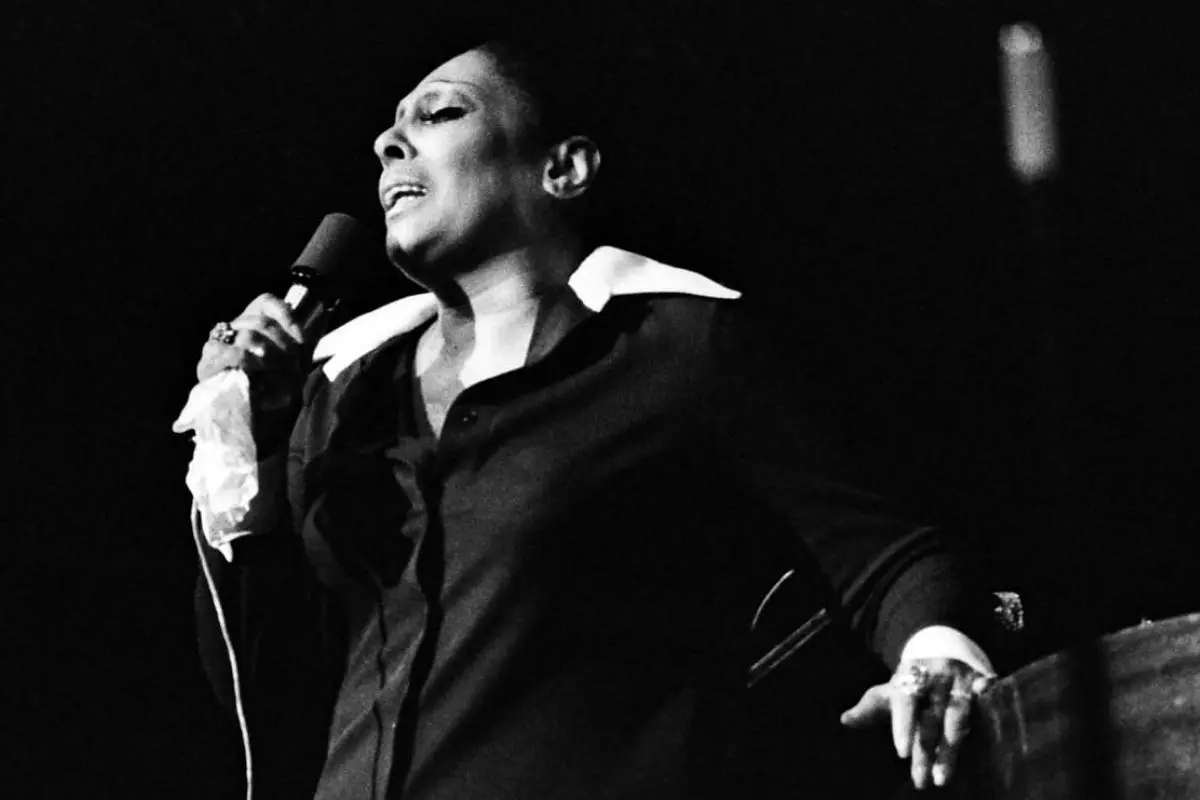
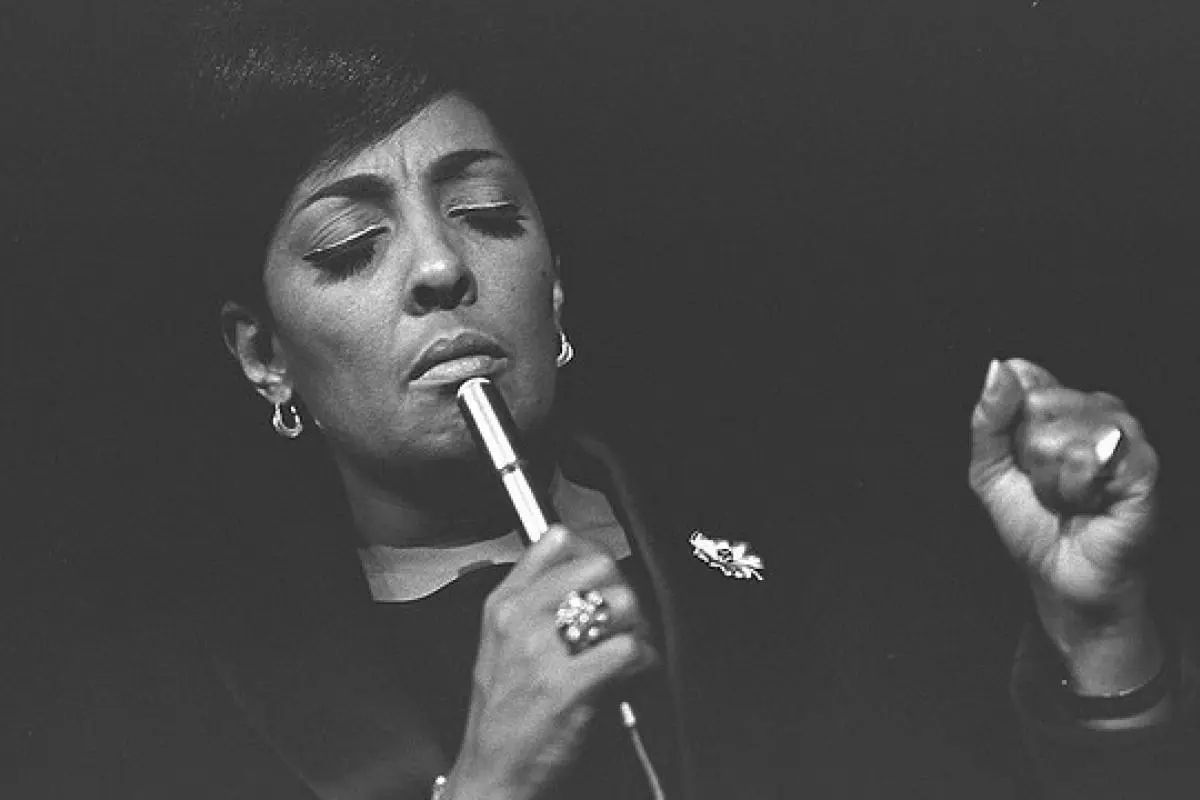
If you want evidence, not adjectives, go straight to filmed performances. Seeing her face and body language clarifies how much of her art is about intention and timing, not just tone.
- A classic live performance clip that captures her poised, conversational authority.
- Another widely circulated live video that showcases her rhythmic confidence and lyric bite, easily discoverable via library catalog listings and media records.
- A third performance where you can hear how she reshapes familiar material in real time.
McRae’s legacy: a voice with no expiration date
McRae’s influence shows up whenever a singer prioritizes storytelling over surface beauty. She helped define a standard of intelligence in jazz singing: if you cannot explain what a line means, you have not earned the right to sing it.
Her biography is well documented, but the real monument is her approach: respect the lyric, respect the time feel, and never confuse volume for truth.
Conclusion: the quiet that wins
Carmen McRae’s genius wasn’t being “smooth.” It was being accurate. She turned songs into conversations worth leaning into, and she proved that the most dangerous thing a vocalist can do is tell the truth at speaking volume.
If you only take one lesson from her, take this: technique is not the point. Meaning is.