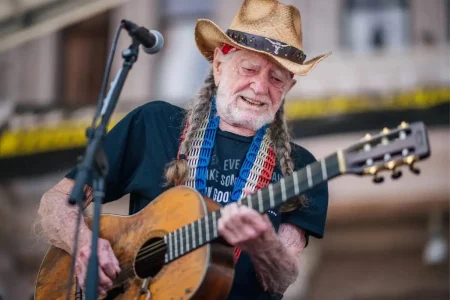
Some artists get a plaque. Some get a street name. Willie Nelson got something more Austin than either: a permanent, larger-than-life presence right outside City Hall, the place where politics is supposed to be tidy and respectable.
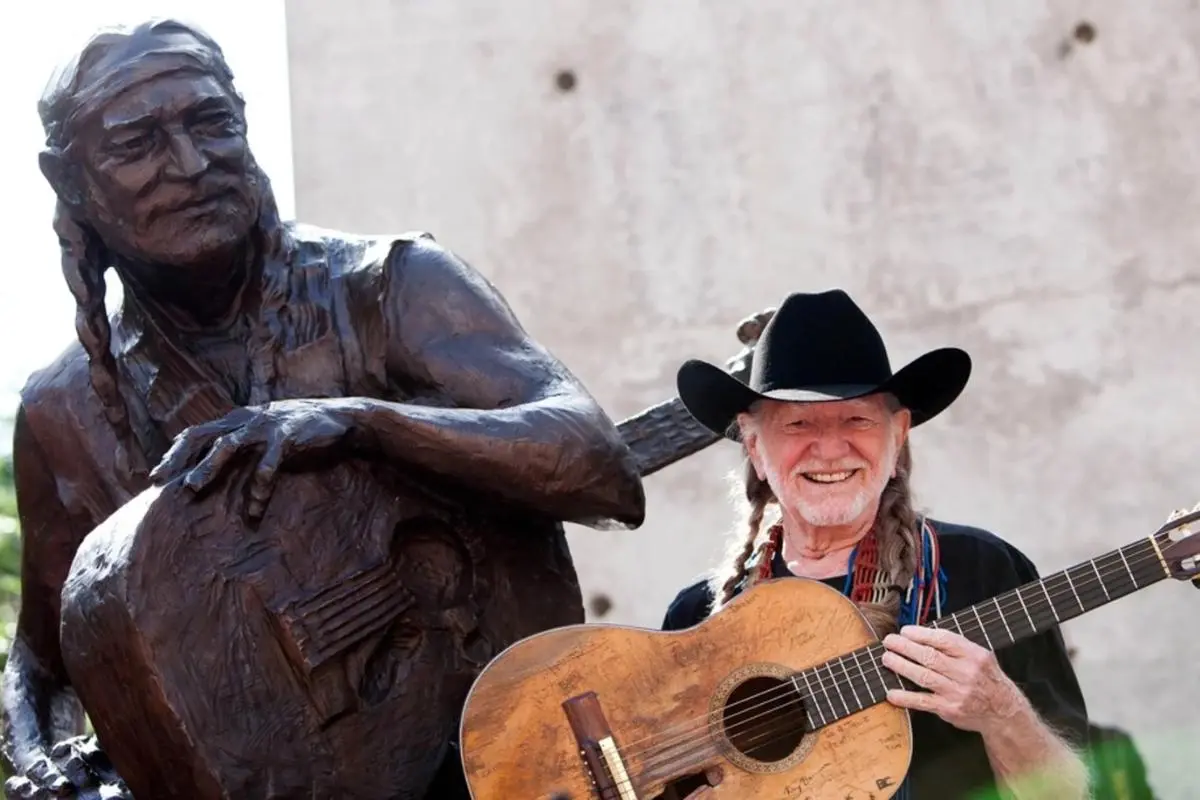
In 2012, the City of Austin unveiled a bronze statue of Nelson that captures him as fans actually know him: guitar in hand, relaxed stance, and the look of a man who has spent a lifetime refusing to sand down his edges for anyone. The unveiling also produced one of the sweetest images from Willie’s public life, with Willie and his sister Bobbie Nelson posing in front of the sculpture, like two kids proudly standing beside a family photo that just happens to weigh several thousand pounds.
What the statue is, and where to find it
The statue stands on the grounds of Austin City Hall, placing Nelson in a civic setting that is both symbolic and a little mischievous. He is not tucked away in a museum or fenced behind velvet ropes. He is right there in the everyday flow of downtown, where locals cut through on lunch breaks and visitors wander in with cameras.
Austin’s official announcement of the unveiling frames the work as a public tribute to Willie’s cultural impact and his long relationship with the city. The City notes that the statue was created by sculptor Clete Shields and installed at City Hall as a highly visible, public-facing honor.
The reveal: why 2012 mattered
By 2012, Willie Nelson had already achieved the rare status of being both a living legend and a working musician. That matters, because statues are usually reserved for people safely sealed in the past, when their contradictions cannot cause trouble anymore.
Putting Willie in bronze while he was still actively touring carried a subtle message: Austin was not waiting for history’s permission. The city was claiming him as an emblem of its identity, with all the complications that come with it.
A quick look at the art: pose, presence, and “Trigger”
The statue depicts Nelson holding a guitar, which is the only honest way to portray him. Willie without a guitar is like a preacher without a pulpit. The instrument in the sculpture is not just a prop, it is the working tool that made his voice and phrasing instantly recognizable.
Public Art Archive’s catalog entry documents the work’s basic details and credits the statue to Clete Shields, reinforcing that this is not a fan-made roadside attraction but a cataloged public artwork.
Bronze as a medium: the point is permanence
Bronze statues are not subtle. They are meant to outlast trends, controversies, and shifting tastes, which is exactly why using bronze for Willie is a fascinating choice. It locks a famously slippery, independent artist into a fixed civic narrative.
Yet the sculpted posture does not feel stiff or “official.” It reads like Willie mid-set, caught between a lyric and a grin, which makes the medium feel less like a tomb and more like a stage.
The Bobbie Nelson angle: the family story hiding in plain sight
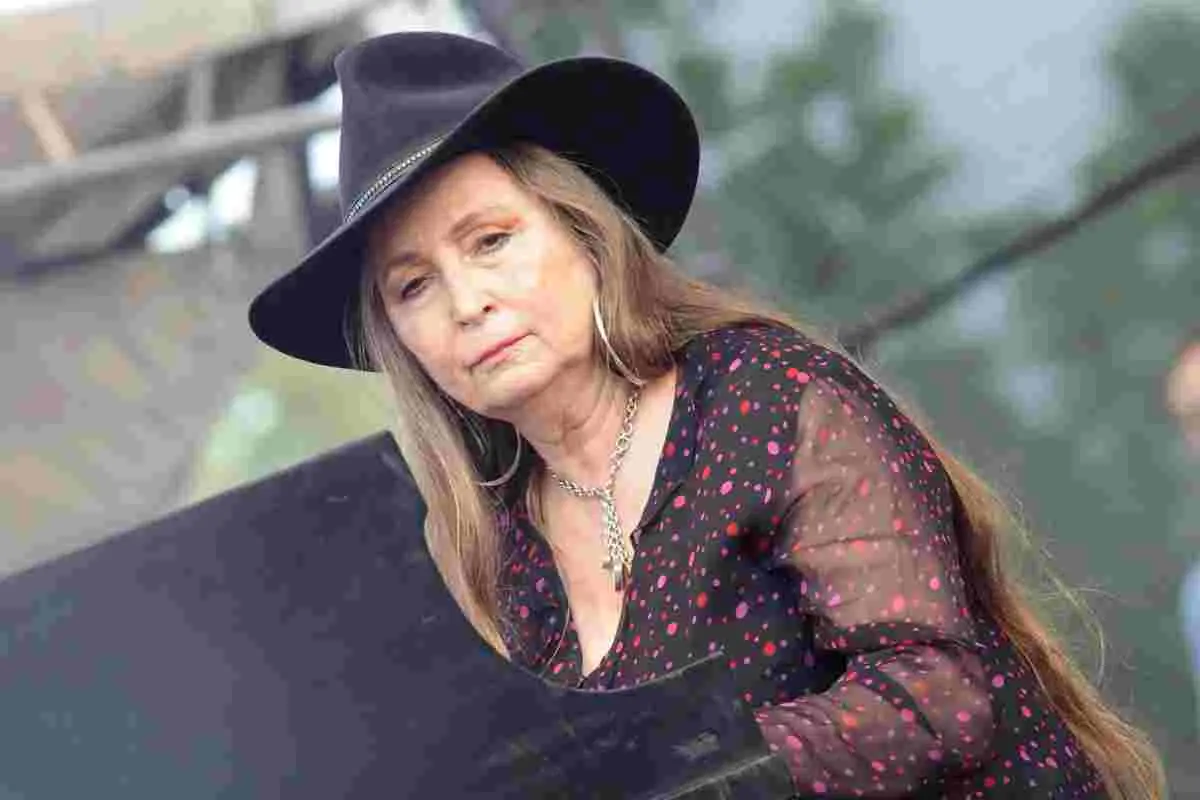
The photo of Willie and Bobbie in front of the statue hits because it reminds you this legend was never a solo act. Bobbie Nelson was Willie’s longtime bandmate and musical anchor, a pianist whose touch helped shape the onstage sound that fans came to trust for decades.
Bobbie’s life and career are well documented, including her long tenure performing alongside Willie, a partnership that turns the unveiling photo into something deeper than a press moment. It becomes a snapshot of an entire family project called “the Willie Nelson career.”
“I wouldn’t be anywhere without my sister.” – Willie Nelson (widely repeated sentiment across interviews and biographies)
That bond matters when you look at the statue. It honors Willie, but it also quietly gestures toward the unseen labor behind the icon: the touring, the arranging, the late-night rehearsals, the shared musical memory that lives inside a family.
Why Austin put Willie at City Hall (and why that’s a little rebellious)
Austin is a city that sells “weird,” but it also runs on institutions, money, and development pressure like everywhere else. Installing Willie at City Hall is Austin’s way of saying: our most recognizable ambassador is a songwriter who helped popularize an outsider movement inside country music, and we are fine with that.
The placement is also a clever tourism move, but it is not only that. City Hall is where decisions get made, and Willie has always been entangled with public life, whether through benefit concerts or outspoken positions that sometimes made conservative country audiences uncomfortable.
Public art as soft power
Austin’s Art in Public Places program exists to place art in civic spaces and make it part of daily life, not a separate, elite experience. That framework helps explain why a Willie statue belongs outside a government building rather than in a music venue lobby.
What the statue really celebrates: not just hits, but a worldview
If you reduce Willie Nelson to a list of famous songs, you miss what he changed. His broader contribution is the permission he gave to artists: to sing behind the beat, to phrase like a jazz horn, to ignore genre rules, and to put personal integrity ahead of radio friendliness.
The official biography and career overview emphasizes the scale of his career and the breadth of his work as a songwriter and performer, underscoring why a civic monument is not as over-the-top as it sounds for someone with his output and influence.
Outlaw country as a marketing label and a real cultural break
“Outlaw country” can be used as a retro costume now, but in context it marked a real shift in power away from Nashville’s tight control of production and image. Willie became one of the most visible figures in that shift, not by shouting slogans, but by insisting on doing the work his way.
A solid, readable summary of his arc – from songwriter to superstar and cultural figure – appears in this high-level career overview, even if the deeper texture comes from listening to the records.
How fans use the statue: pilgrimage, photos, and quiet gratitude
Public monuments succeed when people adopt them. The Willie statue has become a recognizable downtown stop, a place where visitors pose and locals bring out-of-town friends for a quick “Austin in one picture” moment.
In that way, the statue does what Willie’s best songs do: it collapses distance. It makes the legend feel present and approachable, like he might start playing if you wait long enough.
Statues are arguments about who belongs
Every statue is a cultural claim. This one argues that a long-haired, jazz-phrasing, rule-breaking country singer belongs not just on posters and playlists, but in the permanent civic story of a major American city.
It also nudges back against the idea that country music’s “respectable” face is only found in polished institutions. Here, the honored figure is a man who never pretended to be neat.
Fast facts for visitors (and serious fans)
| Detail | What to know |
|---|---|
| Location | Austin City Hall grounds (downtown Austin) |
| Year unveiled | 2012 |
| Artist | Clete Shields |
| Material | Bronze |
| Why it’s memorable | Public civic tribute to a living musician with deep Austin roots |
The same public record related to the statue project reinforces the unveiling’s context as a civic initiative, not just a fan-driven gesture.
The bigger legacy: the statue is about Willie, but it’s also about us
Willie’s statue works because it hits two stories at once. It is a monument to a singular songwriter and performer, and it is also a monument to the kind of musical freedom that made country music feel dangerous, tender, and human all over again.
The Willie-and-Bobbie photo in front of the bronze figure is the emotional punchline. It says that behind the “immense contributions” language is something simpler: family, endurance, and a shared life in music.
Conclusion: bronze can’t capture Willie, but it can mark the spot
Willie Nelson is too restless, too funny, and too alive to be truly contained by a statue. But that is precisely why the monument is such an Austin move: it does not try to finish his story, it just plants a flag and says, “This is one of ours.”
If you stand there long enough, you can almost hear the point of it: not to freeze a legend, but to remind the city to keep earning him.