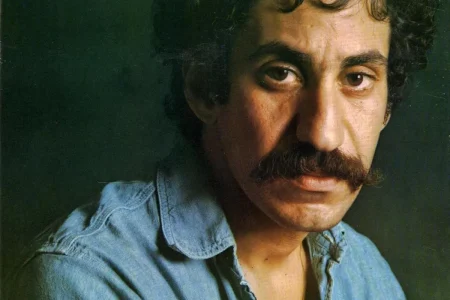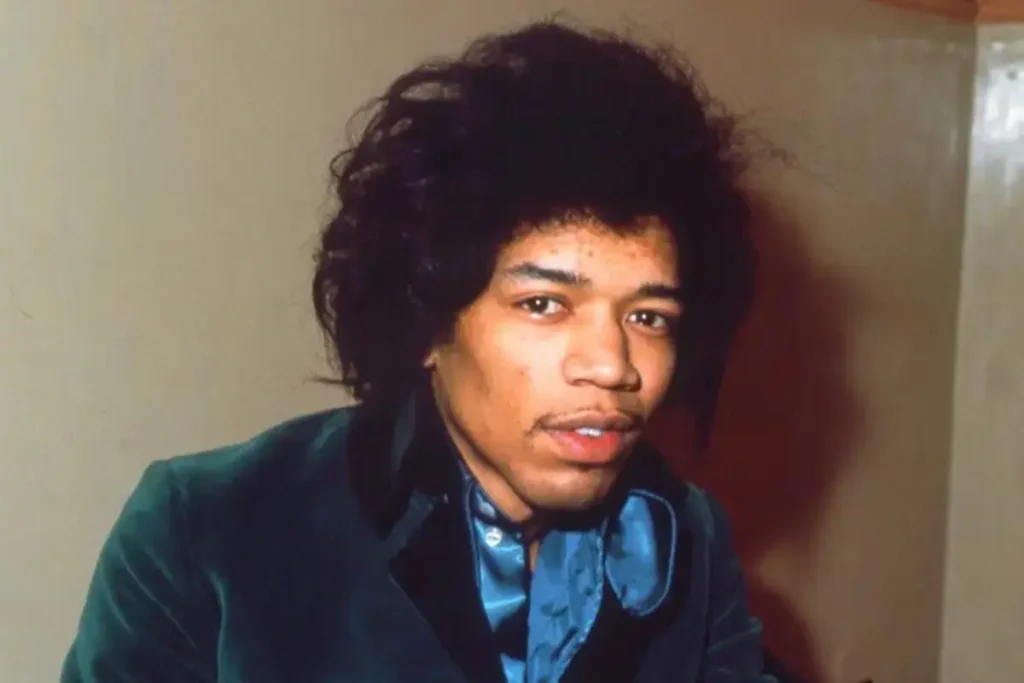
Jimi Hendrix once described his influences like a jukebox exploding: Muddy Waters, Jimmy Reed, Chet Atkins, B.B. King, Howlin’ Wolf, Elmore James, plus Ritchie Valens, Eddie Cochran, Bob Dylan, Brian Jones, and “everything, from Bach to the Beatles.” He wasn’t name-dropping to look hip. He was outlining a method that still terrifies musicians: absorb wildly, then refuse to become a tribute act.
“You’ve got to dig everything and then get your own ideas. Too much digging and not enough doing will set you spinning.” – Jimi Hendrix
That quote is basically a warning label for modern players who spend more time watching gear demos than making music. Hendrix’s era had fewer distractions, but the trap was the same: confuse consumption with creation. The difference is that Hendrix turned “everything at the same time” into a new musical grammar instead of a playlist.
What Hendrix meant by “influenced by everything at the same time”
When Hendrix says he listened to everything, he is not talking about polite eclecticism. He is talking about simultaneous exposure – blues, country fingerstyle, early rock and roll, British Invasion pop, and classical counterpoint colliding in his head.
Think of it as cross-training. Blues gave him phrasing and call-and-response; rock gave him volume and attitude; R&B taught him pocket; and the more formal music (his “Bach” reference) suggests a fascination with structure, movement, and interlocking lines.
One reason this matters is that Hendrix’s career was short, but his output sounds like it had decades of experimentation behind it. You can hear how quickly he moved from raw psychedelia to more layered studio thinking on Electric Ladyland.
The influence list: what each name “unlocks” in Hendrix’s playing
Hendrix’s list is a blueprint for how to build a personal voice without pretending you invented music from scratch. Here is the practical takeaway: each influence is a toolbox, not a costume.
Blues giants: not licks, but language
Hendrix’s core is blues, but he treats blues like a spoken language you can bend, whisper, or scream. Artists like Muddy Waters, Howlin’ Wolf, Jimmy Reed, and Elmore James represent different dialects: heavy electric Chicago grit, hypnotic groove, and slide-driven drama.
Crucially, Hendrix did not “modernize” blues by cleaning it up. He did the opposite: he amplified its rough edges until they became psychedelic. That’s why his fiercest moments still feel emotional, not athletic.
The Blues Foundation’s Hall of Fame project underscores how foundational classic blues is to modern music culture, and why Hendrix’s obsession with the form wasn’t nostalgia but fuel.

Chet Atkins: the quiet influence that explains a lot
Chet Atkins sticks out in Hendrix’s list like a plot twist. But it makes sense: Atkins represents control, touch, and harmony under the fingers. Even when Hendrix is detonating feedback, his fretting-hand coordination often behaves like a player who understands inner voices, double-stops, and moving chord shapes.
That is why Hendrix can make rhythm parts sound orchestral. He often implies bass movement, chord color, and melody at the same time, which is exactly the kind of “more than one job at once” thinking that great fingerstyle players live by.
Ritchie Valens and Eddie Cochran: economy, hooks, and danger
Early rock and roll influences are often misunderstood as “simple.” Hendrix didn’t hear them as simple. He heard them as direct. Valens and Cochran are about sharp riffs, tight song forms, and charismatic swagger – the stuff that makes a crowd move before they analyze anything.
This matters because Hendrix’s reputation can make people forget he wrote memorable songs. Even his wildest tracks usually have a hook, a vocal identity, and a shape that holds up without the pyrotechnics.
Bob Dylan and Brian Jones: permission to be weird
Dylan’s impact on rock wasn’t guitar virtuosity. It was the idea that lyrics, persona, and cultural friction could be the point. Dylan’s official discography reflects the sheer breadth of his writing eras, a model for relentless artistic reinvention.
Brian Jones (as Hendrix mentioned) represents a different kind of influence: texture. Jones’ role in the early Rolling Stones is tied to experimenting with instrumentation and color, which lines up with Hendrix’s obsession with sound-as-story rather than guitar-as-sport.
“From Bach to the Beatles”: the real meaning of that line
Hendrix’s Bach reference is less about quoting Baroque pieces and more about the mindset: layered lines, tension and release, motion inside harmony. Bach’s music built from interweaving parts is a useful clue here: structure and independent lines, not just pretty melodies.
Then there are the Beatles, masters of arrangement, harmony, and studio imagination. The band’s recording evolution became part of their identity, not just documentation.
“I’m not copying what I heard before”: Hendrix’s anti-tribute philosophy
Hendrix is blunt: he wasn’t “digging” artists for what he could steal. He was absorbing them until their sounds became normal, like his baby metaphor – something you don’t think about anymore. That’s how influence becomes instinct.
This is a radical statement in a culture where many players build their identity around being a perfect replica of someone else’s tone, solo, or rig. Hendrix’s point is that copying is a phase, not a destination.
Even basic biographical summaries emphasize that Hendrix’s rise involved constant working gigs and stylistic adaptation before the world knew his name. That “working musician” grind is where his influences got blended, not labeled.
The spinning problem: when “digging” becomes procrastination
“Too much digging and not enough doing will set you spinning” is Hendrix calling out a familiar sickness: the endless research loop. Today it shows up as saving 400 tabs about pedals, watching another “top 10 Hendrix tones” video, and never finishing a track.
Hendrix’s solution is implied: you must turn listening into decisions. Not someday. Now. The world did not get Hendrix because he listened more than everyone else. The world got Hendrix because he committed to sounds on stage and in the studio, even when they were risky.
A practical Hendrix-inspired workflow (without cosplay)
Here is a musician-friendly way to use Hendrix’s philosophy without pretending it’s 1967 and you own a wall of Marshalls.
1) Build a “clash playlist,” not a comfort playlist
Pick five influences that do not belong together: a blues shouter, a country picker, a pop writer, a classical composer, and a noisy rock band. The point is to force your ear to make connections.
2) Steal one behavior from each artist
- Blues: vocal-like bends and space between phrases.
- Country/fingerstyle: moving chord tones and independent fingers.
- Pop: memorable chorus melody and concise form.
- Classical: an internal “second line” that moves against the main part.
- Rock: commitment to dynamics and tone as an emotion.
3) Write first, tone-chase second
Hendrix is a tone icon, but his songs are sturdy. Draft a complete sketch (verse, chorus, bridge or solo section) with a basic sound. Then upgrade tones only if they serve the song’s emotional point.
4) Limit your inputs to increase output
Set a rule like: “One new influence per week, one finished demo per week.” Hendrix’s warning about spinning is basically an argument for deadlines.
How Hendrix’s listening habits show up in the music
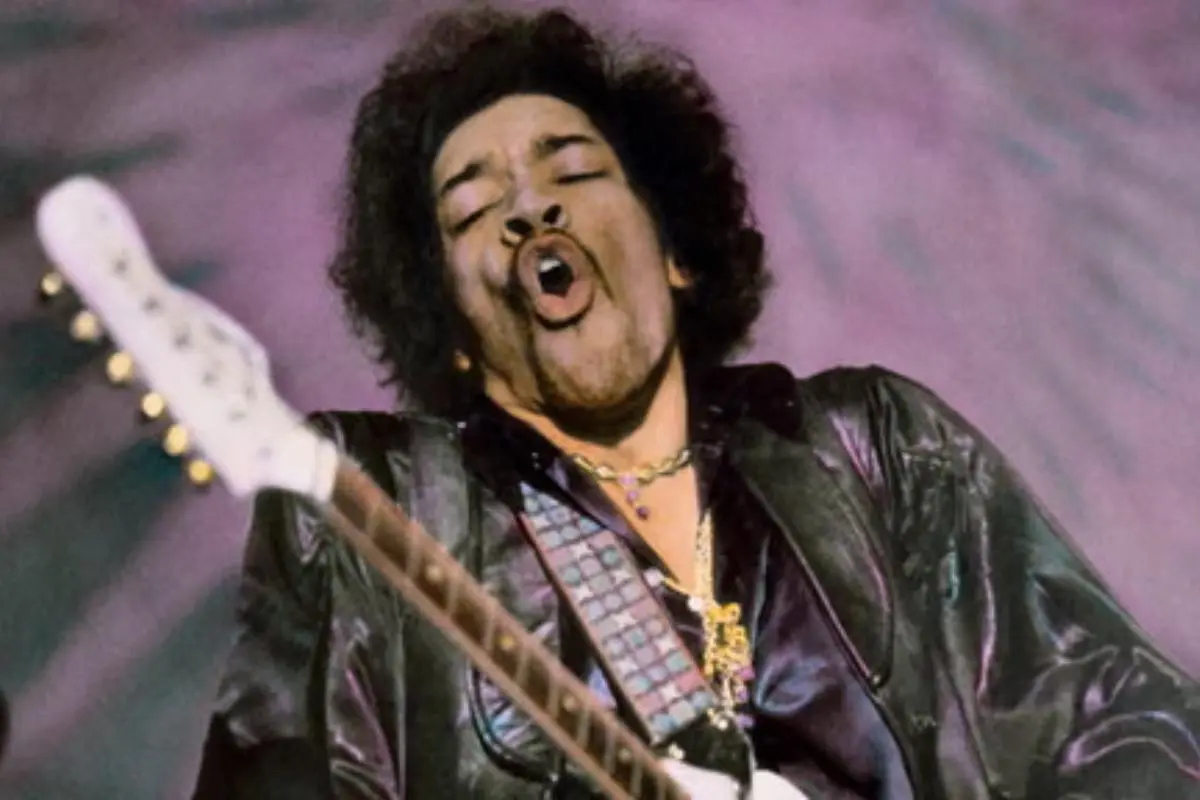
You can hear the “everything at once” idea in the way Hendrix stacks roles. He often plays rhythm and lead simultaneously, his lines snapping between chord stabs and melodic commentary. That is not just a trick – it is a worldview: the guitar is a whole band if you treat it that way.
By the time of Axis: Bold as Love, his catalog shows a leap in color and arrangement, not just flash – something that becomes clearer when you look at Hendrix’s wider range of musical influences. And by Electric Ladyland, he’s thinking like a producer and architect, not merely a guitarist.
The edgy take: Hendrix didn’t “find his sound,” he built a system
The romantic myth says Hendrix was a once-in-history lightning bolt. The more useful truth is that he engineered lightning by combining aggressive listening with aggressive doing. His “mixture” wasn’t a happy accident. It was a discipline.
That should be uncomfortable. It implies that originality is not a gift you either have or don’t. It is a habit: gather input, make something, repeat. The artist who wins is usually the one who ships.
Try this: a 30-minute “Hendrix blend” practice session
| Minutes | Task | Goal |
|---|---|---|
| 0-10 | Listen to two radically different tracks | Spot one shared element (rhythm, contour, tone) |
| 10-20 | Write a riff using that shared element | Create something that is not a quote |
| 20-30 | Record a rough demo and move on | Practice finishing, not perfecting |
Conclusion: dig wide, decide faster
Hendrix’s influence rant is not just an origin story. It is a challenge: listen like a thief, but create like an inventor. If you feel overwhelmed by influences, you are close – you just need to choose a direction and commit.
Because the real Hendrix lesson is not how to sound like Hendrix. It’s how to stop spinning and start becoming yourself.