
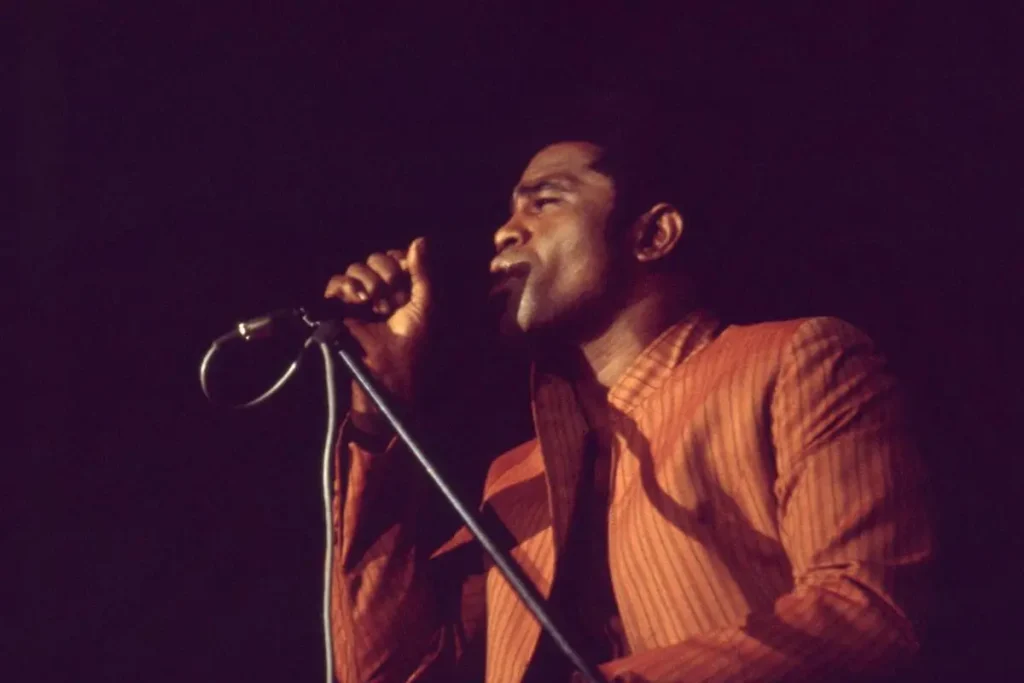
When DJ Afrika Bambaataa says James Brown is “the DNA of the earth,” he’s not aiming for subtlety. He’s trying to describe a musician whose rhythmic ideas became so widespread they feel less like influence and more like physics. If you grew up with soul, funk, disco, hip-hop, dance music, or rock that learned to groove, you’ve been living in Brown’s afterglow.
Brown’s story is as harsh as his snare drum. He came up through poverty, trouble, hustling, and relentless ambition, then turned discipline into a sound that rewired popular music. Even his critics end up admitting the same thing: without James Brown, today’s beat-centered culture looks radically different.
Why people call James Brown “royalty” (and why that still undersells him)
Brown gets labeled with titles like “Godfather of Soul” and “Father of Funk,” but the deeper point is this: he didn’t just dominate a genre – he redesigned how rhythm works in mainstream music. It’s the difference between winning a race and building the track everyone else has to run on.
“James Brown is the DNA of the earth, in the most secret places, even in little babies.”
DJ Afrika Bambaataa (quoted in NPR)
That kind of quote sounds wild until you listen closely to what Brown standardized: the idea that rhythm can be the hook, the groove can be the chorus, and the band can function like a single breathing machine. That’s modern pop production logic, just played live with suits, sweat, and zero mercy.
Brown also became a national figure beyond music, with a complex public legacy that includes cultural pride, community influence, and controversy. But musically, the argument is simple: he’s a foundation, not a branch.
The “one”: Brown’s simplest idea with the biggest consequences
If you want one concept that explains James Brown’s reach, it’s “the one” – the hard emphasis on beat one of the bar. Brown didn’t invent downbeats, obviously. He made the downbeat a commandment and trained bands to hit it like a hammer.
In practical terms, that focus changed arranging. Instead of melodies floating over a polite backbeat, the groove became a grid the whole band locked into, with each instrument playing interlocking parts. It’s the same logic you hear in great hip-hop sampling and in tight dance records: fewer notes, more authority.
What “the one” does to a band
- Drums: the kick and snare become rhythmic signage, not just timekeeping.
- Bass: riffs turn into repeated mantras that anchor the whole track.
- Guitar: chopped chords become percussion (the famous “chicken scratch” feel).
- Horns: stabs and riffs operate like rhythmic punctuation.
- Vocals: phrasing becomes part of the groove, often more rhythmic than melodic.
This is why Brown’s music translates across genres. Once rhythm becomes the main event, the style can shift from funk to rock to rap, but the engine still runs.
From poverty to precision: the biography that shaped the sound
Brown’s early life is frequently told as a survival narrative: hard childhood, unstable circumstances, and early encounters with the justice system. Those experiences didn’t make him “authentic” in a romantic way; they made him hungry, controlling, and obsessed with professionalism.
That obsession became his rehearsal ethic. Brown treated performance like a job where mistakes cost money, reputation, and power. The result was a live act that didn’t just entertain: it intimidated other performers into leveling up.
Accounts of his life and career milestones are widely documented, including the arc from early R&B stardom into the funk innovations of the mid-to-late 1960s and beyond.
James Brown the vocalist: the part people still underrate
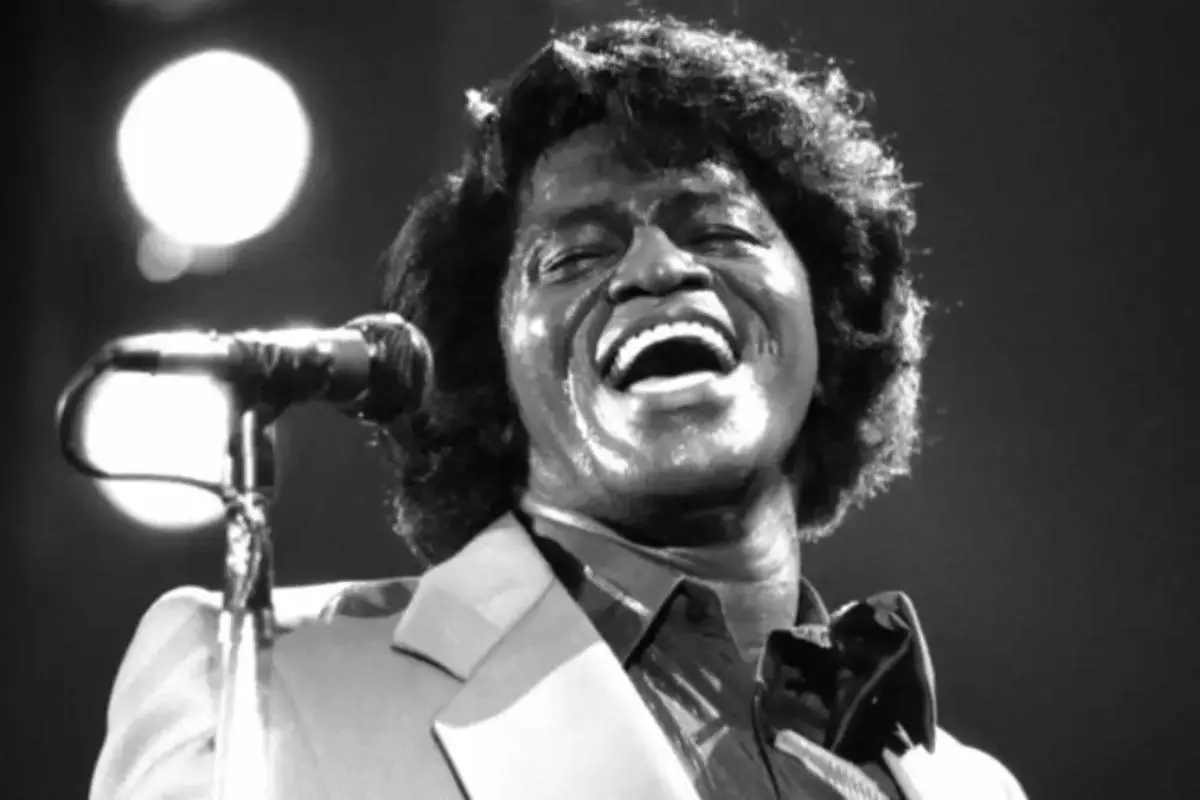
It’s easy to reduce Brown to groove and dance, but he was also a ferocious singer. He could croon, scream, testify, whisper, and bark commands, sometimes in the same verse. The voice wasn’t separate from the rhythm – it rode the beat like another instrument.
That matters because it explains why Brown works even without horns, even with minimal harmony, even when the lyric is basically a chant. His voice supplies drama, timing, and tension. When producers today talk about “energy” on a track, they’re often trying to recreate what Brown could generate in real time.
Bootsy Collins, band alumni, and the Brown “boot camp” effect
Plenty of great musicians passed through Brown’s bands, and many describe it like a strict school for groove. Bootsy Collins is a famous example: he played bass with Brown before joining Parliament-Funkadelic, and he’s been clear that Brown’s standards shaped him.
“It was as if he had the DNA of soul power programmed within his soul and then masterfully sprinkled the universe with it.”
Bootsy Collins (quoted in NPR)
Behind the poetic language is a practical lesson: Brown’s music demanded microscopic timing. That discipline is one reason his recordings feel so “sample-ready” decades later. Tight pockets create clean loops; clean loops create entire new genres.
How James Brown became hip-hop’s favorite source code
When people say Brown “influenced hip-hop,” they often mean two separate things. First, he influenced it culturally: his performance style, swagger, call-and-response, and emphasis on rhythm-first storytelling. Second, and more literally, his records became raw material for beatmakers.
Brown’s catalog is packed with isolated drum breaks, hard riffs, and shouted ad-libs that chop beautifully. That’s why you hear him echoing through decades of rap records, sometimes as a clear sample and sometimes as a rhythmic attitude.
Major outlets have described Brown as one of the most sampled artists in hip-hop history, pointing to how frequently his grooves and breakbeats reappear in rap’s production lineage.
Why his grooves sample so well
- Clear rhythmic layers – each instrument part is distinct and loopable.
- Strong transients – snare hits and guitar chops cut through mixes.
- Repetitive but alive – the groove repeats while the band “moves” inside it.
- Built-in hype – the grunts, screams, and band cues add instant energy.
More than funk: rock, pop, and dance music borrowed the same weapon
Brown’s influence isn’t limited to Black music traditions, though that’s where it’s deepest. Rock bands borrowed his tightness and showmanship. Disco and dance producers borrowed his insistence that the groove never stops. Pop writers borrowed the idea that repetition can be thrilling when the rhythm is authoritative.
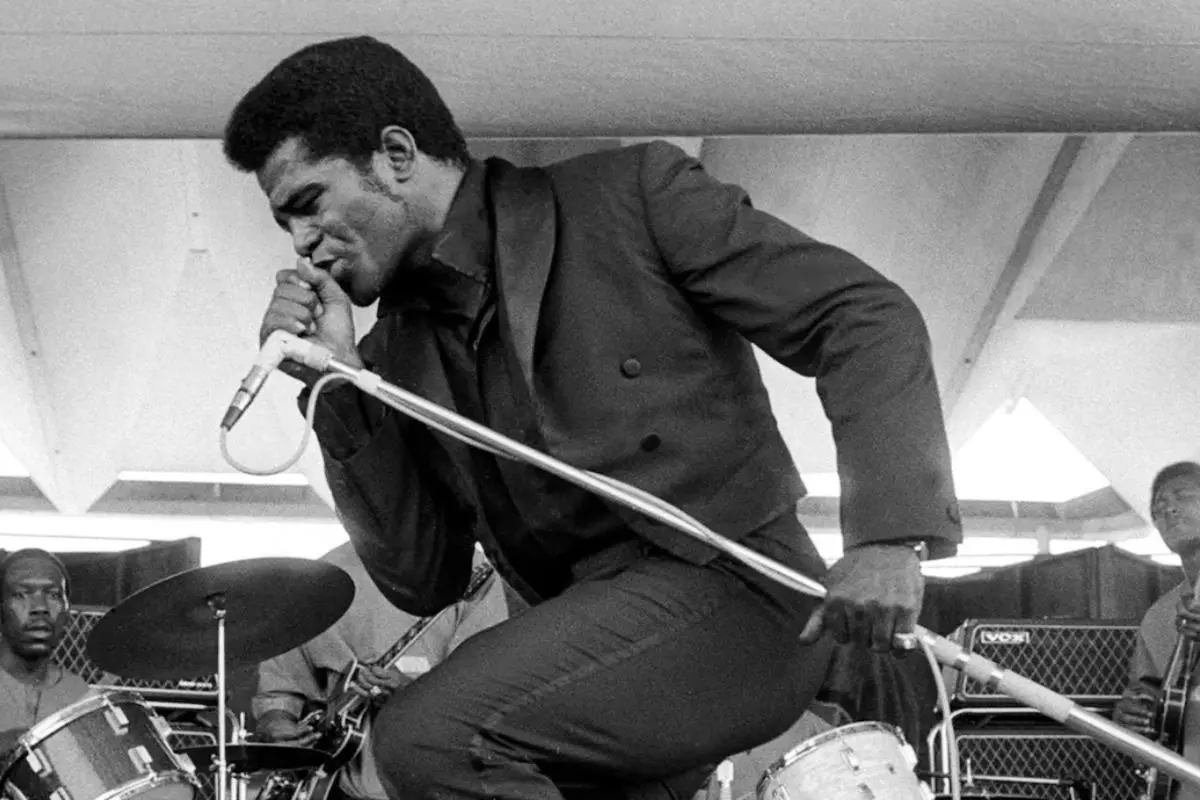
His stagecraft, especially the athletic, near-martial intensity, helped reset expectations for what a frontman should do. Not just sing and pose – lead the band like a boxer controls the ring.
A quick guide to “listening for James Brown” in any genre
If you want to hear Brown’s fingerprints outside his own records, listen for these signatures. They show up everywhere from late-60s rock to 90s hip-hop to modern pop with retro drums.
| Brown signature | What it sounds like | Where you’ll hear it |
|---|---|---|
| “The one” | Huge emphasis on beat 1 | Funk, hip-hop loops, dance-pop grooves |
| Guitar as percussion | Short, muted chord chops | Disco, R&B, indie-funk, neo-soul |
| Horn punctuation | Sharp stabs, riffs, answers | Funk-rock, big pop choruses, retro soul |
| Call-and-response | Leader cues and crowd replies | Rap hooks, stadium rock chants, gospel-influenced pop |
| Vocal exclamations | Grunts, screams, spoken commands | Rap ad-libs, hype vocals in dance music |
Canon moments: a few recordings that explain the legend
Trying to summarize James Brown with a handful of tracks is a losing game, but certain titles are cultural landmarks. The Library of Congress has documented and preserved key recordings, underscoring their long-term significance in American music history.
Even outside formal institutions, you can track how Brown’s eras map onto entire shifts in popular sound: early gospel-influenced R&B intensity, mid-60s funk emergence, 70s groove expansions, and a late-life afterlife through sampling and tribute.
The “hard truth” take: Brown’s impact is so big it hides in plain sight
Here’s the provocative claim that holds up: James Brown is so influential that we often mistake his innovations for “the default.” Once a musical idea becomes standard, people stop crediting its originator. Brown’s rhythmic language has been absorbed so completely that even listeners who don’t know his name still know his grammar.
That’s also why tributes from hip-hop and dance culture matter. They’re not just nostalgic. They’re reminders that behind today’s quantized beats and playlist-friendly grooves was a man training a live band to hit time with surgical force and spiritual urgency.
How to honor James Brown without turning him into a museum piece
Honoring Brown isn’t only about repeating the titles. It’s about hearing the choices: the downbeat emphasis, the tight arrangement, the refusal to let the groove sag, and the vocal daring that turns rhythm into personality.
One practical way to honor him is to listen like a musician for 10 minutes: pick a Brown track, isolate one part (hi-hat, bass, guitar, horn stabs), and notice how little it changes and how alive it stays. That’s the lesson producers, bandleaders, and rappers keep relearning.
Another way is to follow the institutional recognition and public history that has formed around his legacy, from biographical documentation to curated collections and programs that trace his career and cultural impact.
Conclusion: the funk wasn’t a genre – it was a system update
James Brown didn’t just “make funk.” He updated the operating system of popular music: rhythm moved to the front, performance became athletic theater, and the band became a precision instrument. That’s why artists from Bootsy to Nas talk about him like a force of nature, not just a great entertainer.
If royalty implies lineage, then Brown’s crown is real. But the better metaphor is the one Bambaataa reached for: DNA. You don’t always see it, but it’s in the structure of everything that came after.


