Country music loves a good comeback story, but “I Told You So” is something rarer: a song that basically got to have two careers. First it was a local crowd-pleaser from a young singer still finding his footing. Then it became a chart-topping single in the late 1980s, a period when traditional country was clawing its way back into the mainstream. Finally, it returned in the 2000s as a Carrie Underwood-powered hit, polished for radio but still carrying the sting that made the original work.
That arc is why the song matters to players, producers, and fans. “I Told You So” is not just a breakup ballad; it is a case study in how the same lyric can land differently across eras, voices, and production styles, without losing its core bite. Much of the basic release history and chart summary is widely documented in standard reference notes.
What makes “I Told You So” so addictive?
On paper, the hook is almost rude. The title is a four-word victory lap, the kind you say when you are trying to look calm but you are secretly furious. What makes the song compelling is that it does not feel like a cartoonish dunk; it feels like a wound talking.
That is a big reason it aged well. The song’s narrator is not celebrating a breakup; he is surviving it, and the “told you so” is the tiny, bitter shield he can still hold up. In country, that blend of tenderness and accusation is dynamite.
“Country music is three chords and the truth.” – Harlan Howard
Howard’s famous “three chords and the truth” line gets repeated because it keeps being accurate, and “I Told You So” is a near-perfect example of it.
Before the No. 1: “Randy Ray” and the Nashville Palace years
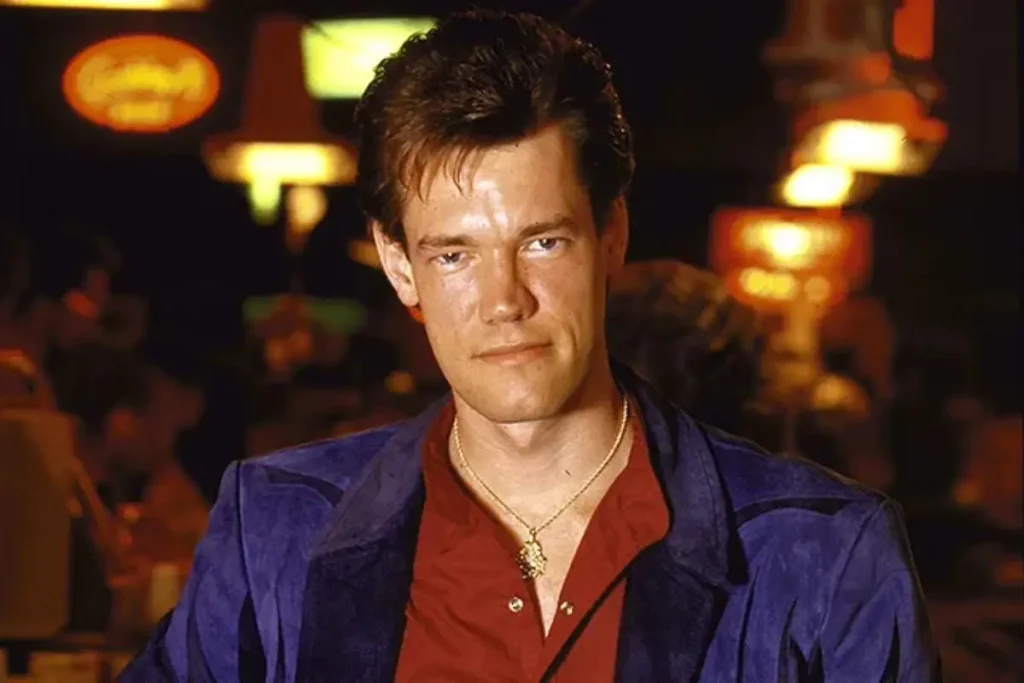
Long before Randy Travis became the name everyone knows, he performed under the stage name Randy Ray. In that early period, “I Told You So” was already doing real work for him: it was the kind of song that could stop casual chatter in a club and make people look up.
Travis’ early grind is closely tied to the Nashville Palace, a room with a reputation for mixing tourists, hardcore country fans, and musicians who could smell authenticity from across the dance floor. The venue’s own history and legacy captures why that stage mattered for artists trying to break out in Nashville.
The key point is that by the time the wider world heard “I Told You So,” it was not a brand-new studio experiment. It was a field-tested performance weapon.
The 1987 album moment: Always & Forever as a traditional-country flex
Randy Travis’ Always & Forever (1987) is often discussed as one of the flagship records of the 1980s “new traditionalist” movement: clean arrangements, classic themes, and a vocal delivery that sounded like it belonged to an earlier generation without feeling like a museum piece.
For musicians, the lesson is simple: a song like “I Told You So” works best when the production does not fight the lyric. The arrangement leaves space for the vocal to deliver its judgment in slow motion. The album’s endurance as a canonical Travis release is visible in how consistently it remains accessible across platforms and reissues.

The charts: why No. 1 actually mattered in 1988
When “I Told You So” hit No. 1 in the U.S. in 1988, it was not just a personal milestone. It was a signal that mainstream country radio would reward a song built on restraint rather than flash.
Canadian chart success matters here too. RPM’s longstanding role as Canada’s trade chart authority helps explain why an RPM No. 1 carried industry weight.
The spicy truth: “I Told You So” is a classy song with an un-classy impulse
Let’s say the quiet part out loud: the title is petty. That is the point. Country often dresses up raw human impulses in Sunday clothes, and this is one of those songs where the suit is pressed but the grin is sharp.
Randy Travis sells that tension by staying controlled. The more he refuses to sound triumphant, the more the lyric feels believable. It is a reminder for singers that emotional realism is not about yelling; it is about commitment.
Carrie Underwood’s cover: when a modern voice rewires an old wound
Underwood recorded “I Told You So” for her album Carnival Ride, giving the song a bigger, more contemporary frame while keeping the melody’s essential shape. Her official Carnival Ride discography listing anchors the track to that album era and its rollout.
In Underwood’s hands, the lyric can read less like a slow, resigned statement and more like a flash of strength after the fact. That is not a betrayal of the song; it is proof the writing is sturdy enough to handle different emotional “camera angles.”
The duet re-release: collaboration as a strategic plot twist
The duet version with Randy Travis became the definitive pop-culture moment for many listeners. It framed the song as a conversation across generations: the original voice of modern traditionalism meeting one of the biggest crossover stars of the 2000s.
Even if you never cared about chart trivia, this pairing mattered because it was a rare example of a modern superstar bringing the original artist back into the spotlight on the same song, not just in a tribute medley. The duet also has a long tail online, visible in the continued traffic and comments on the Carrie Underwood & Randy Travis duet performance video.
Listening guide: how to hear the differences like a musician
You do not need golden ears to catch what changed between versions. Put on headphones, then listen for these specific elements:
- Vocal posture: Travis’ phrasing tends to feel grounded and conversational; Underwood’s often leans into a more “sung” power line, especially in dynamic peaks.
- Rhythmic patience: The original’s pacing makes the regret feel inevitable; the later production emphasizes forward motion and momentum.
- Mix priorities: Travis sits as the emotional center; modern mixes often give drums and bright guitars more presence, which can make the sting feel more immediate.

If you are a singer, try a practical experiment: sing the chorus twice, first as if you are trying not to cry, then as if you are finally done being nice. That is basically the emotional spectrum these two eras explore.
Why the song keeps circulating: playlist culture and the “classic duet” effect
One reason “I Told You So” still resurfaces is simple availability. The track stays discoverable through major streaming ecosystems, which function like permanent radio for catalog music. That kind of persistence is the same basic logic behind modern chart and discovery ecosystems that keep catalog titles circulating long after their original peak.
But there is also the duet factor. When two big names share a track, it gets pulled into multiple fan bases and multiple algorithmic neighborhoods. That kind of cross-pollination is the modern equivalent of heavy rotation.
Randy Travis, legacy, and the bigger story of voice
Randy Travis’ career has also become part of a broader conversation about what a voice means when time and health change a performer’s abilities. Recent reporting on AI voice technology tied to Travis’ music has made his name a touchstone for those debates.
That context adds emotional gravity when you revisit older classics. You are not just hearing a hit; you are hearing a snapshot of an instrument at full power, preserved in the grooves and the bits.
Quick facts table
| Topic | Why it matters |
|---|---|
| Two major eras | The song succeeds as both a late-1980s traditional-country single and a 2000s radio-ready cover. |
| Local-to-national path | Its early life as a requested club favorite shows how performance can shape what becomes a “hit” recording. |
| Duet strategy | A re-record with the original artist can reset a catalog song for a new generation without rewriting history. |
Conclusion: the best “I told you so” is the one you sing, not say
“I Told You So” endures because it understands a messy human truth: sometimes you miss someone and want to prove a point at the same time. Randy Travis recorded that contradiction with the calm of a grown-up, and Carrie Underwood later lit it with a brighter, modern spotlight. The song can handle both, which is why it still wins arguments decades later.
Check the music video below:
https://youtu.be/l-dX3yFkLVE?si=LObSbmF0Vhh7-AT6