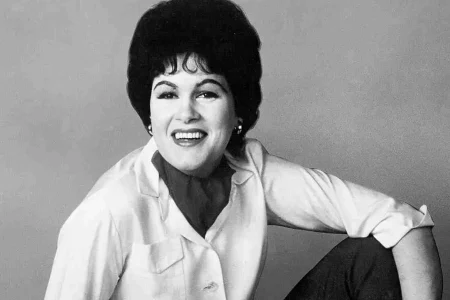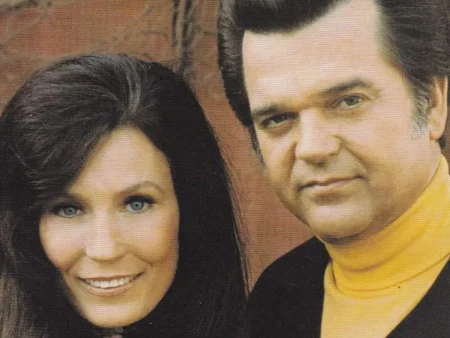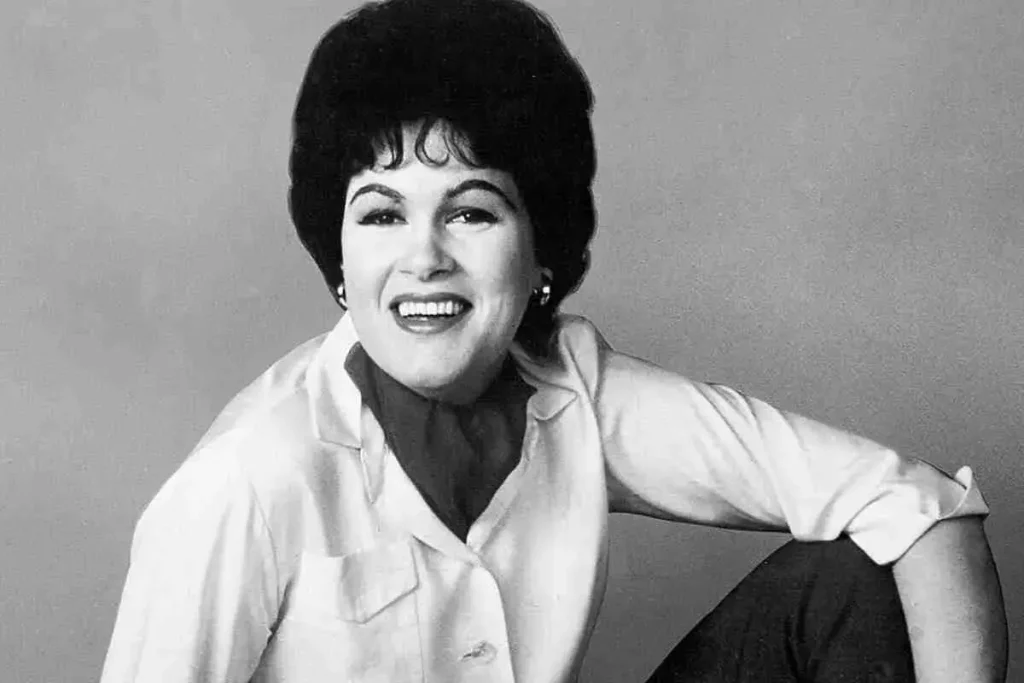
Some breakup songs throw plates. Patsy Cline’s “She’s Got You” quietly sets the table, points at the silverware, and says the cruelest thing imaginable: you can keep the objects, but you do not get the feeling. Released in 1962 and written by Hank Cochran, it is a masterclass in emotional accounting where every “souvenir” is a debit, and every missing touch is a deficit you cannot pay down.
“She’s got you, she’s got you, she’s got you… but I’ve got your memory.” Hank Cochran, “She’s Got You”
For listeners who grew up on the 50s-90s, the song lands because it is both old-fashioned and brutally modern. It is basically the original “you can have the house, I’ll keep the heartbreak” post, delivered with velvet phrasing and steel in the spine.
Quick facts: the song in one glance
| Detail | What to know |
|---|---|
| Artist | Patsy Cline |
| Songwriter | Hank Cochran |
| Release | Issued as a single in 1962; also associated with the album She’s Got You |
| Chart peak (US) | No. 1 on the Billboard Hot Country Singles chart (commonly cited in standard references) |
| Why it endures | Minimal plot, maximum emotional contrast: possessions vs. intimacy |
The “souvenir” trick: why the lyric hurts so much
Most heartbreak writing either blames the ex or blames fate. Cochran’s lyric does something sharper: it itemizes. The narrator lists physical objects left behind, then flips each one into a reminder of what cannot be replaced.
The punch is that the rival “she” owns the living person, while the narrator owns the dead things. It is the kind of twist that makes the listener feel complicit, because we all understand the pathetic comfort of clutching objects that used to mean something.
Tangible vs. intangible: the song’s real theme
On paper, the narrator sounds well-stocked: mementos, trinkets, leftovers of a shared life. In practice, she is emotionally bankrupt, because love is not a commodity and memory is not a substitute for presence.
This is why “She’s Got You” feels timeless. The props have changed (letters to texts, photos to feeds), but the same sick logic remains: you can “keep” evidence of love and still be completely abandoned.
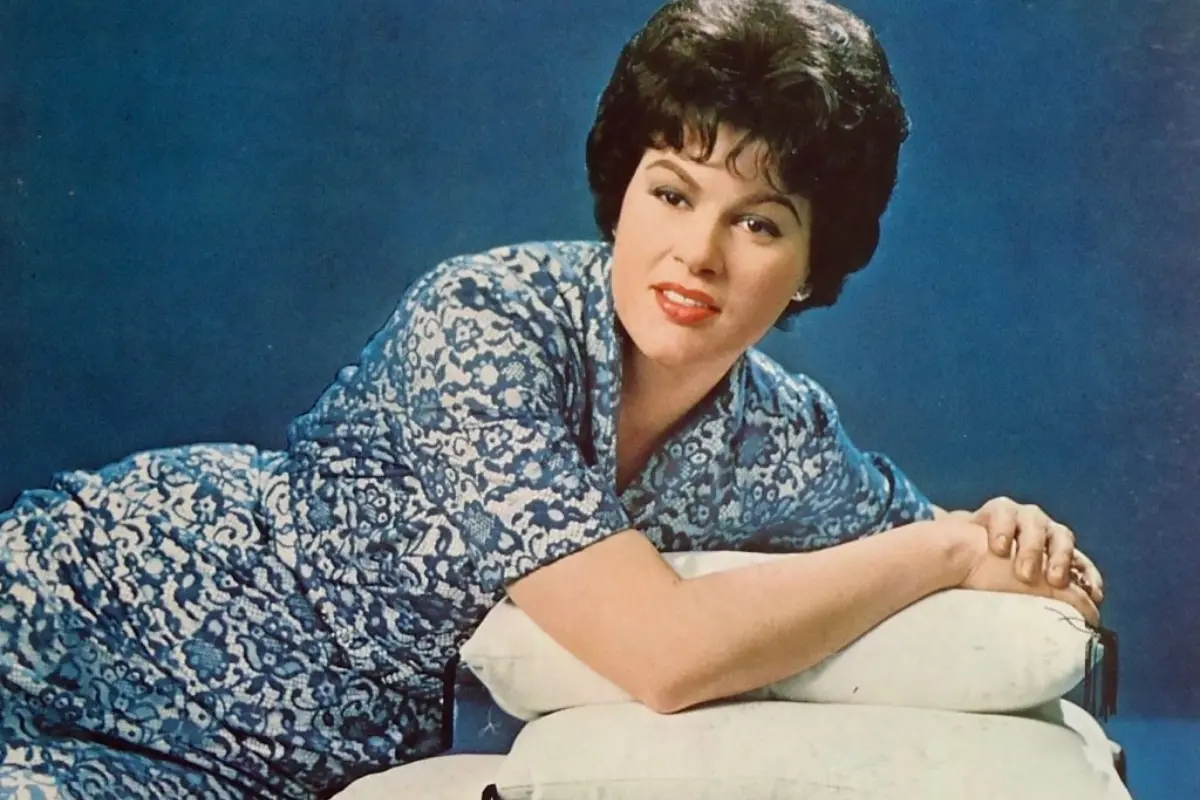
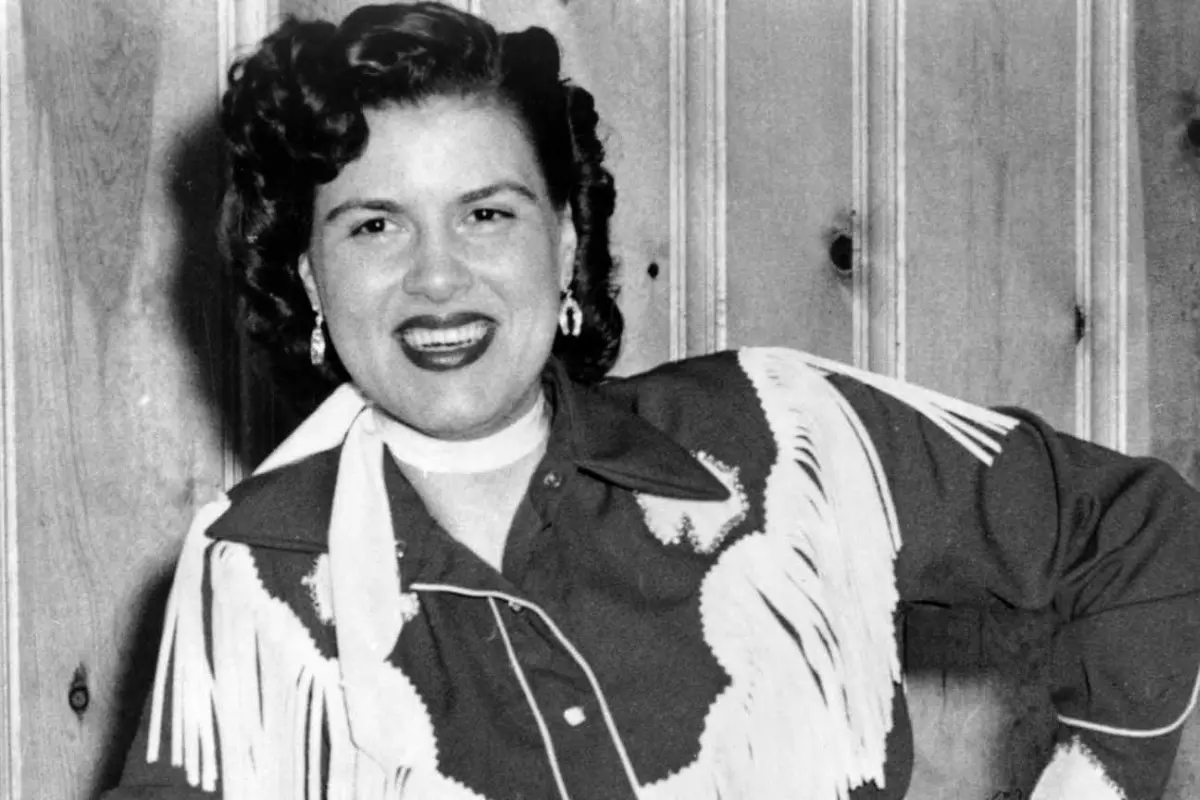
Patsy Cline’s performance: restraint as a weapon
Plenty of great singers could wail this song into melodrama. Cline does the opposite: she lets the ache sit in the vowels. That restraint is not polite; it is devastating, like hearing someone refuse to beg.
Her legacy is often summarized as “emotion,” but the real skill is control. The voice does not crack, yet the meaning does. The Country Music Hall of Fame highlights Cline as an enduring and influential figure in country music history.
The Nashville Sound advantage (and why it is not “soft”)
“She’s Got You” sits in that early-60s corridor where country leans pop without losing its bite. Smooth backing, clear diction, and a vocal placed right up front make the lyric impossible to ignore.
Here’s the provocative claim: the polish is not there to make heartbreak pretty. It is there to make it undeniable. A rawer arrangement might let you blame “performance energy.” This one pins the pain on the words and the singer’s certainty.
Hank Cochran: a hitmaker who understood emotional math
Country music has always had craftsmen, but Cochran was special because he wrote in clean lines that cut deep. He is widely recognized for writing enduring classics within the Nashville songwriting tradition.
That matters for “She’s Got You” because the lyric is almost aggressively efficient. There is no soap opera. There is just a woman standing in a room full of stuff, realizing none of it breathes.
What to listen for in the writing
- Repetition with escalation: the title line returns like a thought you cannot shut off.
- Concrete nouns: souvenirs and everyday items keep the story grounded.
- One dominating contrast: “she has you” vs. “I have memories” is the entire thesis.
Release and reception: why 1962 was the right moment
The early 60s were a crossroads: Nashville was refining a more crossover-ready sound, and a singer like Cline could sit on pop TV stages without sanding off her country identity. “She’s Got You” benefited from that cultural moment because its topic is universal even when the setting is domestic.
Standard discographic summaries identify the song as a 1962 single and one of Cline’s signature hits. Even if you are not a chart-watcher, the song’s staying power is easy to measure: it remains one of the first titles mentioned whenever Cline’s catalog is discussed.
One recording, many lives
A quick scan of cover-song history shows the song’s long afterlife across multiple artists and eras. If you want to start with the original, cue up Patsy Cline’s “She’s Got You” recording and listen for how much tension she creates without raising her volume.
That’s the real tell. Songs that survive do not survive because they were once famous. They survive because musicians keep finding new ways to bleed inside them.
How to listen like a musician (even if you are not one)
If you want to hear why “She’s Got You” is more than nostalgia, put on decent headphones and try this structured listen. You will catch the craft and the emotional engineering, not just the vibe.
1) Track the emotional temperature, not the volume
Cline does not “build” in the obvious way. Instead, she subtly changes the weight of phrases, which makes the last repetitions feel heavier without needing to shout.
2) Listen for space: the pauses are part of the story
The arrangement leaves room for the lyric to land. Those micro-silences feel like a person looking around at objects that suddenly look cheap.
3) Focus on the title line as an obsession loop
Repetition can be a hook, but here it is a symptom. The phrase returns the way intrusive thoughts do after a breakup: unwanted, uncontrollable, perfectly logical.
The “edgy” takeaway: the song is an anti-consumerism anthem in disguise
Country music is often painted as sentimental, but “She’s Got You” is quietly brutal about material comfort. The narrator is surrounded by proof of a relationship, yet the objects are useless against loneliness.
In that sense, it is a protest song with no picket sign. It argues that love is the only “possession” that matters, and once it is gone, everything else is inventory.
Where it sits in Patsy Cline’s larger legacy
Cline’s career is frequently discussed through her landmark recordings and cultural impact. Biographical overviews continue to highlight her as a defining voice whose influence extends beyond country into pop and later Americana approaches to singing.
“She’s Got You” fits that legacy because it is performance-first storytelling. There is no gimmick. Just a singer making a universal situation feel personally addressed.
If you only know the chorus, do this next
- Read the full lyric once without music, like a poem.
- Then listen again and notice how Cline shapes meaning through phrasing.
- Compare one cover version to Cline’s to hear how interpretation changes the sting.
Conclusion: the quietest flex in country music
“She’s Got You” is not just a sad song. It is a confident one, because it refuses to romanticize leftovers. Cline’s voice makes the central truth inescapable: you can own the souvenirs and still lose the person.
That is why the record still hits hard. It is heartbreak with perfect posture, and it never goes out of style.
Check the video below: