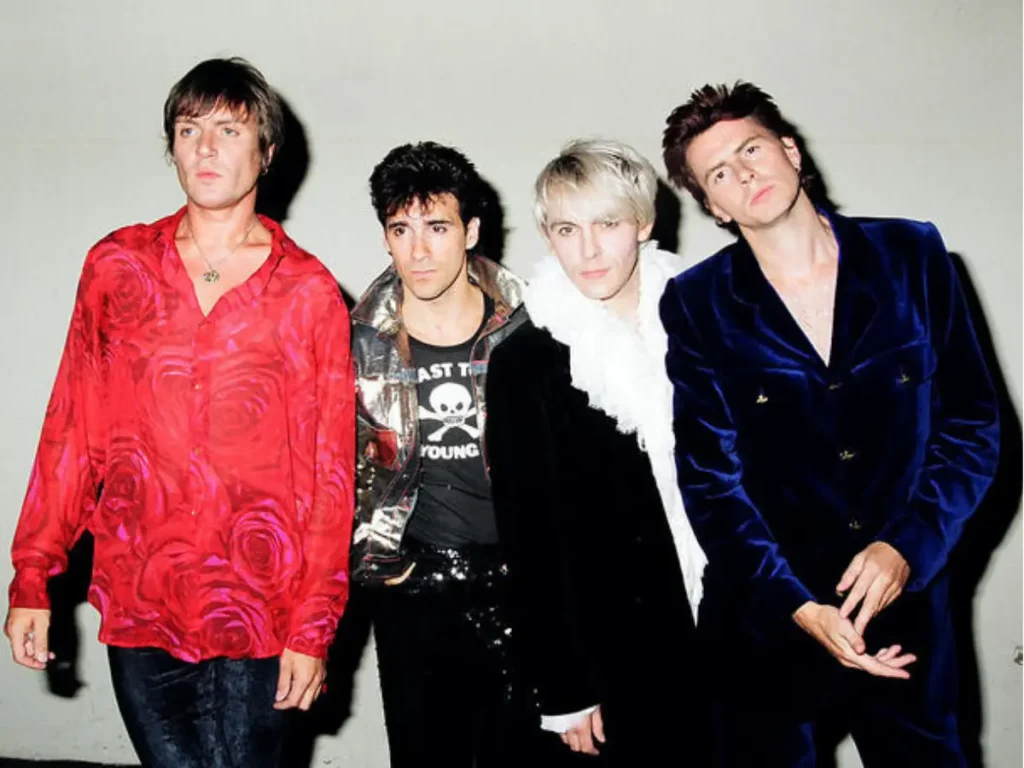
At first glance, Duran Duran looked like a fashion photographer’s fever dream: cheekbones, eyeliner and silk suits on a yacht. Scratch the surface and you find one of the smartest pop-rock machines of the late 20th century, a band that weaponised glamour to smuggle sophisticated songwriting onto daytime TV.
Formed in Birmingham in 1978 and still releasing records decades later, they outlived most of their detractors, turned the “video band” insult into a business model and wrote songs that refuse to die on classic-rock playlists. For anyone who came of age between the 1950s and the 1990s, Duran Duran are not a guilty pleasure; they are part of the musical wiring.
From Birmingham club kids to New Romantic lightning rods
Childhood friends John Taylor and Nick Rhodes built Duran Duran out of the Birmingham club circuit, eventually locking in the classic five-piece with drummer Roger Taylor, guitarist Andy Taylor and singer Simon Le Bon. By riding the MTV-driven Second British Invasion, they racked up 14 UK Top 10 singles, 21 Billboard Hot 100 hits and more than 100 million records sold worldwide, plus Grammys, BRITs and a star on the Hollywood Walk of Fame.
Musically, those early records were far less disposable than the posters suggested. The 1981 debut album already blended Bowie and Roxy Music art-rock touches with post‑punk guitars, Moroder-style synth momentum and Chic-inspired bass grooves, a sleek template that critics later recognised as central to the emerging New Romantic sound.
If the songs sounded expensive, it was because the tools were. Duran Duran leaned on flagship gear like the Roland Jupiter‑8, Sequential Prophet‑5 and Fairlight CMI, the same synths and samplers that defined 80s synth pop, then fused them with a live rhythm section that could have held its own in any funk club.
Video killed the boring rock star
“Girls on Film” was the moment Duran Duran stopped being a promising club band and became a moral panic. Its uncensored video, packed with erotic fashion imagery and shot for late‑night clubs rather than TV, was banned by the BBC, while British critics sneered that the band were good-looking lightweights and even derided them as “plastic impostors” more interested in clothes than music.
The sneer backfired. When MTV launched in the US, that same clip – trimmed of nudity but not of attitude – ran in heavy rotation and turned an unknown British group into instant cult favourites. Duran Duran understood, earlier than almost anyone, that in the 80s the camera was as important as the guitar: every video was a short film, every shot a hook.
Key songs that defined the Duran Duran sound
Across the 80s and early 90s, a handful of singles mapped out just how much musical range hid behind the eyeliner. From the sleazy flash of “Girls on Film” to the melancholy sweep of “Ordinary World,” the band kept shifting shapes without losing their melodic bite, with “Hungry Like the Wolf” in particular becoming an MTV-era calling card thanks to its cinematic Sri Lanka video and a worldwide chart run that pushed it into the US Top 3.
| Song | Year / Album | Signature sound | Why it matters |
|---|---|---|---|
| Girls on Film | 1981 – Duran Duran | Choppy disco guitar, rubbery bass, camera-click percussion | Married a critique of fashion exploitation to one of the most notorious videos of the early MTV age. |
| Rio | 1982 – Rio | Sunburst synths over nimble bass runs and Latin-tinged groove | Turned pop into jet-set fantasy, proving that a band could sell both intricate arrangements and pure escapism. |
| Hungry Like the Wolf | 1982 – Rio | Roland-style synth arpeggios, prowling guitar riff, call‑and‑response vocals | Made Duran Duran the face of the Second British Invasion and set the template for glossy, story‑driven music videos. |
| The Reflex | 1984 – Seven and the Ragged Tiger | Chopped-up vocal samples, gated drums, funky slap bass | Showed how far they would push studio trickery while still landing a stadium-sized singalong chorus. |
| Ordinary World | 1992/93 – self‑titled “Wedding Album” | Clean arpeggiated guitar, spacious drums, emotionally exposed vocal | Reintroduced the band as adult survivors rather than 80s pin‑ups, and became a modern standard. |
Listen closely and almost nothing here is simple. John Taylor’s bass often functions like a lead instrument, Roger Taylor’s hi‑hat patterns carry as much rhythmic information as the kick drum, and Nick Rhodes layers pads, arpeggios and effects so the synths never just sit there as wallpaper.
From teen idols to adult survivors
By the early 90s, the consensus in the music press was that Duran Duran were finished, their 1990 album Liberty having stumbled on the charts. Then “Ordinary World” leaked to US radio in late 1992, phone lines lit up, the label rushed out the single and it climbed into the Billboard Top 3, instantly reframing the band as grown-up songwriters instead of nostalgia merchants.
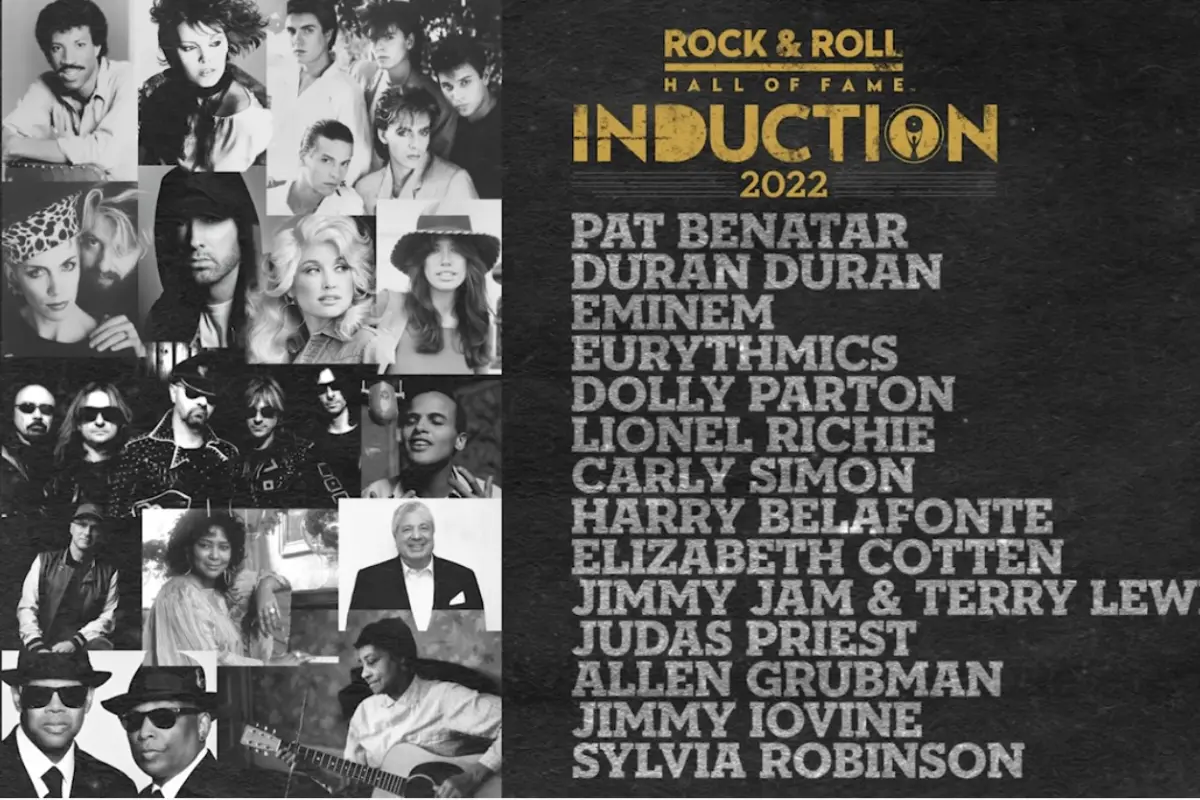
The track’s real provocation was not its balladry but its maturity: a lyric about grief and moving forward, sung without irony over a slow‑burn arrangement that gave Le Bon space instead of burying him in sequencers. When the Rock & Roll Hall of Fame finally inducted Duran Duran in 2022, Le Bon called it “the closest thing you’ll ever get to a rock & roll knighthood,” a tidy full stop to decades of being written off as pretty faces.

Still hunting like the wolf in the 21st century
Plenty of 80s peers turned into jukebox acts; Duran Duran doubled down on experimentation. Their 16th studio album, Danse Macabre (2023), is a Halloween‑themed fever dream that stitches together new songs, reimagined deep cuts and covers of everyone from Billie Eilish to Talking Heads, with returning guitarists Andy Taylor and Warren Cuccurullo plus guests like Nile Rodgers and Victoria De Angelis adding extra bite.
They have also refused to retreat into age‑segregated comfort zones. In 2025, Sabrina Carpenter invited Simon Le Bon and John Taylor onstage at London’s BST Hyde Park to tear through “Hungry Like the Wolf” in front of a Gen Z crowd, with the song – now their most‑streamed track – slotting naturally beside contemporary pop.
Seen live today, the band lean into a slightly darker, goth‑glam aesthetic that suits their newer material while giving the old hits sharper teeth. The yachting blazers may be gone, but the core trick remains the same: big choruses, tight grooves, glossy synths and just enough decadence to feel dangerous.
Why Duran Duran still matter
1. They hid serious musicianship inside pop packaging
Underneath the headlines and haircuts, Duran Duran were always a working band. The rhythm section swings closer to funk than to polite rock, the keyboard parts are composed rather than decorative, and Andy Taylor’s guitar often slices across the synths instead of yielding to them. For players raised on 60s and 70s rock, that blend of groove and texture is a masterclass in how to modernise without losing grit.
2. They treated visuals as an instrument
Long before social media, Duran Duran understood that image was not a distraction from the music but an extension of it. The make‑up, the tailored suits, the exotic locations and even the scandal all served the same purpose as a well‑placed synth line: to lodge the song in your memory and make the band feel larger than life.
3. They bridged generations instead of chasing them
Very few acts can say they were teenage bedroom‑poster idols in the 80s, adult‑contemporary radio staples in the 90s and respected festival headliners in the streaming era. Duran Duran managed it by refusing to apologise for their pop instincts on one hand or their experimental streak on the other, a balance that younger bands and producers are still trying to copy.
4. They made synths and guitars talk to each other
For musicians, perhaps the most enduring legacy is how naturally Duran Duran glued analog synths, early samplers and live band dynamics into a single, coherent sound. If you love vintage gear, you can chase their Jupiter‑8 shimmer and Fairlight stabs; if you love songwriting, you can study how those sounds always serve the chorus instead of replacing it.
Strip away the controversy, the yachts and the shoulder pads, and what remains is a catalog packed with tracks that still move dance floors and still reward close listening. Duran Duran may have started as New Romantic pretty boys, but the reason they are still here is simple: the songs were built to last.