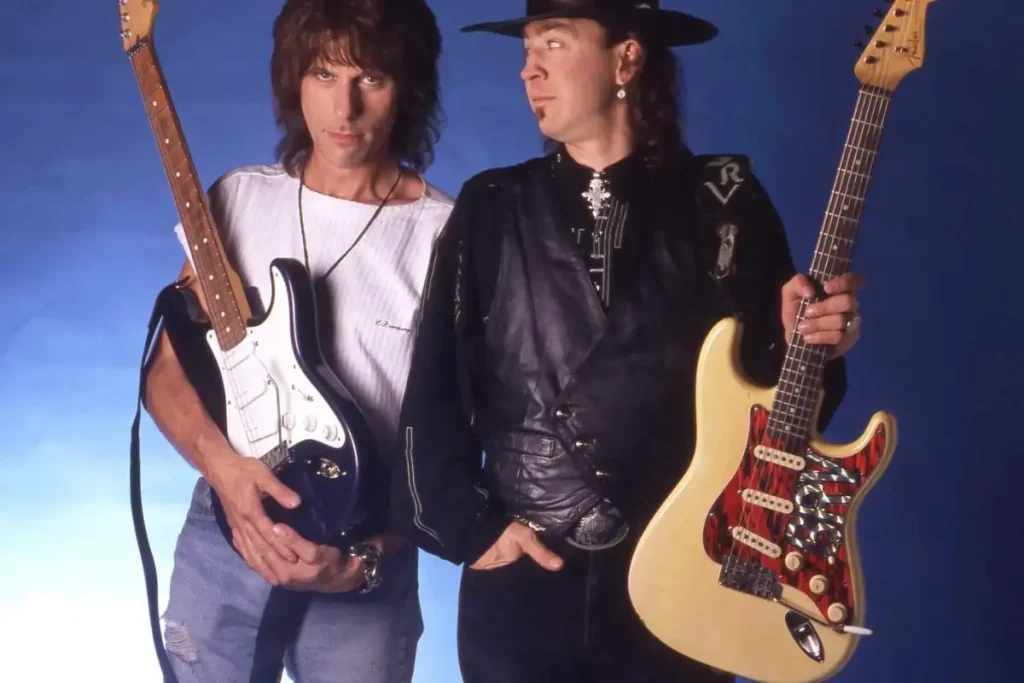
When a player like Jeff Beck singles you out, it matters. For him to say Stevie Ray Vaughan was the closest thing to Jimi Hendrix in the blues is almost like Picasso tipping his hat to another painter. That line is more than a compliment; it is a map of how electric blues evolved from the 60s into the 80s.
Look closely at Beck’s relationships with Hendrix and Vaughan and you get a brutal little history of rock guitar: fear, rivalry, awe, then hard-earned respect. It is also a masterclass in what it really means to play the blues in an era obsessed with speed and volume.
When Hendrix made the British guitar gods panic
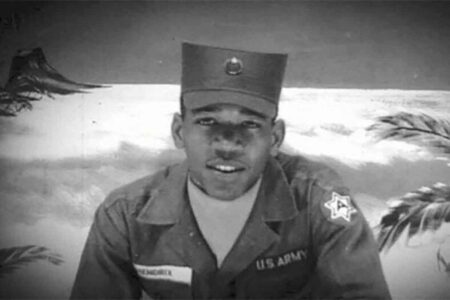
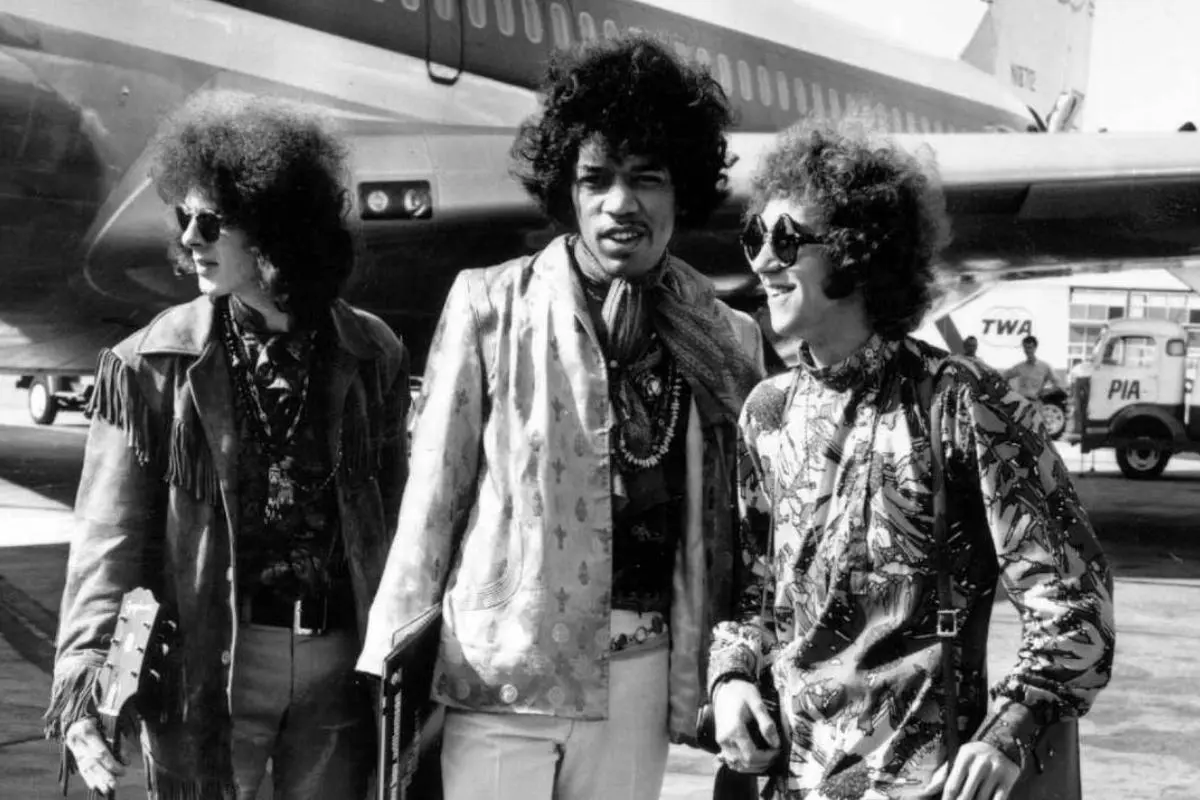
Mid 60s London was a small town for guitar heroes. Eric Clapton had already been anointed a deity, Jeff Beck was torching stages with the Yardbirds, and Jimmy Page had not yet unveiled Led Zeppelin, but his reputation was building quietly in studios. Into that closed club walked a wild American paratrooper in a military jacket and a flipped Strat: Jimi Hendrix.
Beck later described walking into one of Hendrix’s first UK shows and instantly realising that the game had changed. Onstage Jimi bent behind his head, clawed at the strings with his teeth, set the guitar on fire and squeezed howling feedback into something musical and frightening at the same time. For two players who thought they already owned the blues, it felt less like friendly competition and more like having the floor drop away under their feet.
The sting made the respect even sharper. Beck hung around Hendrix in London, visited Olympic Studios and even handed over a metal bottleneck that Hendrix used on the slide parts of ‘Axis: Bold As Love,’ then later jammed with him at Steve Paul’s club The Scene in New York. For all the spectacle, Beck understood that the real shock was not the tricks but the way Hendrix wrapped that chaos inside melodic, almost pop-perfect songs.
Why Stevie Ray was “the closest thing to Hendrix”
Fast forward to the late 70s and early 80s and the blues was in a rough patch. Hair metal ruled MTV, old masters were sidelined, and most big-name rock guitarists were either looking for pop hits or drowning in effects. Stevie Ray Vaughan walked into that landscape wearing a wide brim hat, swinging a battered Strat and sounding like the missing link between Hendrix and the Texas bar bands he grew up in.
Vaughan devoured Hendrix, but he also inhaled Muddy Waters, Albert and Freddie King, Lonnie Mack, Django Reinhardt and Wes Montgomery, then spat it all back out in a single ferocious voice. Guitar Legends: Stevie Ray Vaughan That is why his playing felt both retro and utterly new, especially to listeners who had only heard the blues polished into soft rock by the late 70s.
You hear that Hendrix fixation most clearly in how often Stevie put Jimi’s songs at the center of his own story. He cut a roaring version of “Voodoo Chile (Slight Return)” on “Couldn’t Stand The Weather,” then turned it into a live showpiece that shows up on “Live Alive” and classic concert versions of the song. His celebrated “Little Wing / Third Stone From The Sun” medley is Vaughan grabbing Hendrix’s ideas and firing them back out through a Texas filter.
Yet nobody who listens seriously would confuse Stevie for a Hendrix impersonator. Hendrix chased studio alchemy and psychedelic songwriting, stacking overdubs and sound experiments; Vaughan kept his focus on brutal Texas shuffles, slow blues in minor keys and long instrumental journeys where the band stayed essentially live. What Beck heard in Stevie was not a copy of Jimi’s tricks, but the same sense that the guitarist was willing to put his entire life on the line in every solo.
Fire Meets the Fury: Beck and Vaughan go head to head
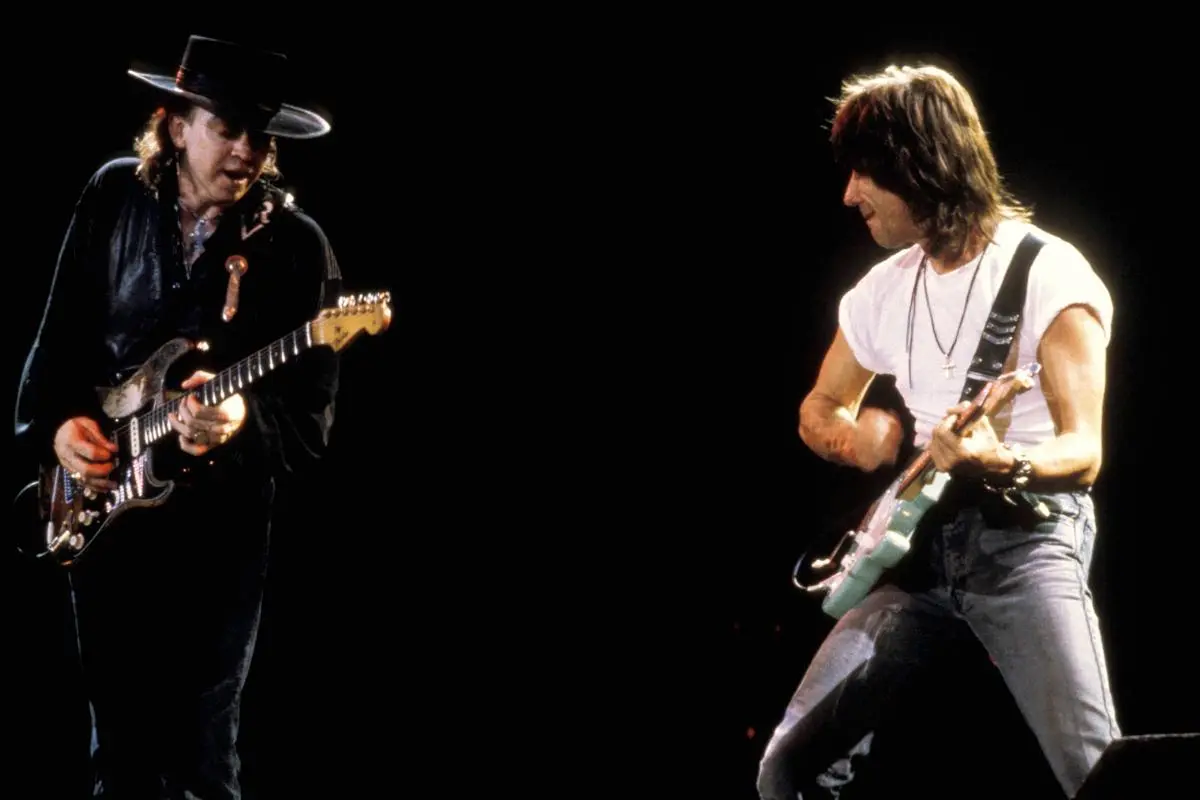
In 1989 the two finally took that shared ferocity on the road together when Stevie Ray Vaughan and Double Trouble co-headlined the Fire Meets the Fury Tour in North America with Jeff Beck. It was officially a leg of Vaughan’s “In Step” tour, but for guitar fans it felt more like a heavyweight title fight stretched over thirty nights.
Most evenings followed the same ritual: Beck opened with his futuristic instrumental set, Vaughan stormed on with deep blues and Texas funk, then the two bands collided for an encore that left reviewers reaching for words like “sparks” and “knife fight.” Fans still argue over who “won” on any given night, which is missing the point – the magic was hearing two utterly different players push each other harder without hiding behind speed runs or showboating.
Beck’s personal memories of Stevie from that era are vivid and bittersweet. He tells of first meeting a very wasted Vaughan at a CBS convention in Hawaii, gnawing on fried chicken and even the cardboard box, then fast forwarding to the clean, clear eyed player he toured with in 1989, newly in love and playing on a different level. Beck’s recollection of Vaughan during this period The way Beck recounts Vaughan’s reluctance to board the post show helicopter at Alpine Valley, and his own belief that the blues lost its only true heir to Hendrix that night, still lands like a punch to the gut.
Tone, volume and a quiet revolution
Decades later, Beck loved telling a very different kind of war story from that era. On one tour he ran a modest Fender Twin, carefully balanced through the P.A., while Stevie hauled what Beck jokingly described as “four billion watts” of amps onto the stage and still asked where the rest of the rig was. Beck’s late-career mission to turn down the volume Beck’s late career mission to turn down mapped a lesson every older guitarist learns the hard way – volume is a cheap thrill, but touch and tone are what really make people lean in.
Put Beck, Hendrix and Vaughan side by side and you see three very different answers to the same question: how far can you push the blues before it stops being the blues? The comparison looks something like this:
| Player | Core sound | Stage persona | Blues approach |
|---|---|---|---|
| Jimi Hendrix | Fuzzed Strat, wah, studio alchemy, feedback turned into melody. | Explosive, theatrical, almost shamanic showman with a taste for chaos. | Stretches 12 bar forms into psychedelic songs that still bleed Delta blues. |
| Stevie Ray Vaughan | Super loud Strat, heavy strings, glassy highs and massive sustain. | Texas roadhouse bandleader, intense but rooted, more grit than theatre. | Traditional shuffles and slow blues played with frightening attack and swing. |
| Jeff Beck | Cleaner gain, lyrical whammy bar phrasing, fusion of rock, jazz and blues. | Reserved onstage, all the drama in his right hand and the guitar’s voice. | Uses blues as a language he can bend into anything from funk to film score textures. |
What players can learn from this three way shootout
One of the sharpest lessons in this story comes from Stevie himself. In the oral history “Texas Flood” he admits that hearing some unknown guitarist sweating in a tiny club can hit him harder than his own arena shows, because that is where the blues still feels completely “real.” Fame, he suggests, is no excuse for sounding fake.
Closing thoughts
Beck’s line about Stevie being the closest thing to Hendrix is not fan worship; it is a verdict from someone who stood beside both of them. Together they proved that the blues is big enough to hold fire, funk, psychedelia and jaw dropping technique without losing its soul. The only real question left is whether today’s players are prepared to be that fearless.