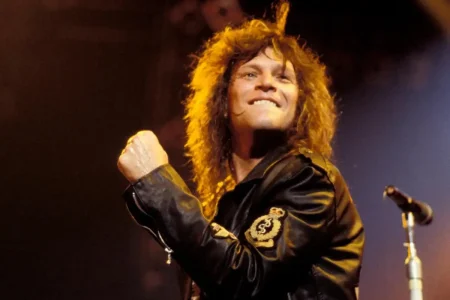
Red Bank has never been shy about celebrating its legends, but this one lands with extra hometown voltage. Jon Bon Jovi has been inducted into the inaugural Basie Walk of Fame at the Count Basie Center for the Arts, planting a permanent marker in the same town where the Jersey rock mythos has been playing out in real time for decades. It is not just an “attaboy” for hit songs; it is a civic stamp that says: this artist moved the culture and moved the community.
In a music industry that often treats legacy like a streaming playlist (skip, skip, skip), a physical Walk of Fame is a stubborn, satisfying “no.” It forces you to stop, look down, and admit that someone’s work mattered enough to be built into the sidewalk.
What the Basie Walk of Fame is (and why it’s not just another star)
The Count Basie Center for the Arts launched the Basie Walk of Fame as an ongoing way to honor artists and cultural figures with deep ties to the venue and the region. The goal is very Jersey: celebrate world-class talent without pretending you need Hollywood’s permission to do it. The Basie publicly outlines the Walk of Fame concept and honorees as part of its institutional programming and community footprint.
If you’re used to the Hollywood Walk of Fame, here’s the edge: Hollywood is a tourist machine. Red Bank is a receipt. A marker outside a performing arts center in your own backyard is less about glamour and more about accountability, history, and roots.
Why the Basie is the right venue for this kind of honor
The Basie is not a nostalgia museum. It is a working arts hub with concerts, education programs, and community partnerships. That matters because a Walk of Fame attached to an active venue has a built-in purpose: it’s a bridge between past influence and future audiences.
For a working musician, that is a more interesting kind of tribute than a trophy on a shelf. A star outside a theater implies a relationship with the stage, not just a relationship with fame.
Jon Bon Jovi’s induction: the official announcement and what it highlighted
The Basie’s own announcement of Bon Jovi’s induction makes the intent clear: it ties his career impact to local pride and community values, positioning the honor as a celebration of both cultural and philanthropic legacy – especially meaningful in a town that can point to deep musical history preserved in projects like the National Jukebox.
“This honor cements his place in history at the very heart of Red Bank.”
– Count Basie Center for the Arts (press materials)
The point is not that Bon Jovi is famous. The point is that Bon Jovi is famous from here, and he kept acting like “here” mattered even after the arenas got bigger.
The subtext: New Jersey doesn’t export legends, it keeps them
New Jersey has always had a chip on its shoulder and a talent pipeline that rarely gets credited properly. The Basie Walk of Fame is a local counterpunch: a refusal to let outside narratives define what counts as culture.
That is why this induction resonates beyond fandom. It is a small-town move with big cultural implications: if you build your own monuments, you stop asking for validation.
The music case: why Jon Bon Jovi belongs in a “first class” of honorees
Even people who roll their eyes at arena rock usually know the choruses. Bon Jovi’s catalog is engineered for mass singalongs, and Jon’s voice and persona became the delivery system for a whole era of melodic hard rock and pop-metal crossover. The band’s core history, formation, and major milestones are widely documented.
Call it “cheesy” if you want, but here’s the provocative truth: cheesy music doesn’t fill stadiums for decades. What fills stadiums is craft, consistency, and an almost ruthless understanding of what listeners need on a Friday night.

Longevity is the flex, not the hair
Bon Jovi’s staying power is part business, part songwriting, and part cultural timing. The band hit the sweet spot where rock attitude met pop clarity, which made the songs portable across radio formats and generations.
And if you want a blunt metric, global best-seller lists repeatedly put rock’s commercial giants in rare company – Guinness even tracks the best-selling rock band category, which helps frame just how elite that tier is.
Why this honor is also about philanthropy, not just platinum records
Many artists donate. Fewer build systems. Jon Bon Jovi’s public identity has increasingly fused “rock star” with “community operator,” and that combination is exactly the kind of modern legacy institutions like the Basie want to spotlight.
The most visible example is JBJ Soul Kitchen, a community restaurant model that emphasizes dignity and shared responsibility. Its public mission, volunteer structure, and “pay it forward” approach are central to how it describes its work.
The uncomfortable, useful question: is philanthropy part of the brand?
Sure. And it’s still real. The idea that philanthropy is “less authentic” if it benefits your reputation is a lazy take. If a project feeds people, supports volunteers, and normalizes community participation, then it is doing the job whether or not a famous name is attached.
In other words, if you want to criticize the optics, you still have to deal with the outcomes.
Red Bank, the Basie, and the “Jersey cultural map”
Red Bank is not just a cute destination; it is a real arts corridor with venues, institutions, and a steady stream of touring acts and local talent. The Borough positions itself as an active community with civic services and public-facing initiatives, reinforcing that this honor lives in a functioning town, not a theme park.
That context matters because a Walk of Fame works best when the surrounding area has cultural traffic. You want people walking those blocks for shows, dinner, and nights out, then discovering the names under their feet.
What fans can do with this information
- Visit with intention: see the venue, the neighborhood, and the marker as one experience.
- Make it a music history day: connect the Basie Walk of Fame to other Jersey music landmarks.
- Support the ecosystem: catch a show or educational event at the Basie rather than treating it like a photo stop.
The inaugural Walk of Fame debate: who gets in, and who gets left out?
Whenever a “first class” is inducted, arguments are guaranteed. That is healthy. A Walk of Fame is a public syllabus of what a town values, and any syllabus invites criticism.
The Basie’s press materials about the Walk of Fame concept signal that the program is designed to grow over time and represent a broad cultural contribution, not only chart success – an approach that fits how major coverage of the Walk of Fame induction framed the honor.
Three criteria that make sense (and spark good arguments)
| Criterion | Why it matters | Who it might elevate |
|---|---|---|
| Artistic impact | Defines an era or changes a genre’s rules | Songwriters, bandleaders, innovators |
| Local connection | Builds a story the community can claim | Regional heroes, venue regulars |
| Community contribution | Turns fame into durable civic value | Philanthropists, arts patrons, educators |
Bon Jovi checks all three boxes. That is why this induction is not controversial in the way some honors can be. If anything, the spicy question is who comes next and whether the Basie will honor behind-the-scenes architects as boldly as it honors headliners.
Practical listening: a “Basie Walk of Fame” starter set for Bon Jovi fans
If you want to celebrate the induction with your ears, build a playlist that proves the point: this catalog is bigger than the obvious hits. Use this as a framework rather than a definitive list.
- The arena cannon: the tracks everyone can sing in a bar.
- The songwriting flex: mid-tempo anthems that show structure and restraint.
- The deep-cut persuasion: songs that convert “I don’t like Bon Jovi” people.
- The live test: versions that reveal why the band endured on stage.
And yes, if you still think it’s all hairspray and high notes, ask yourself why those songs still show up at weddings, sporting events, and cover-band sets. Cultural utility is a form of greatness, whether critics like it or not.
Conclusion: a star that’s really a statement
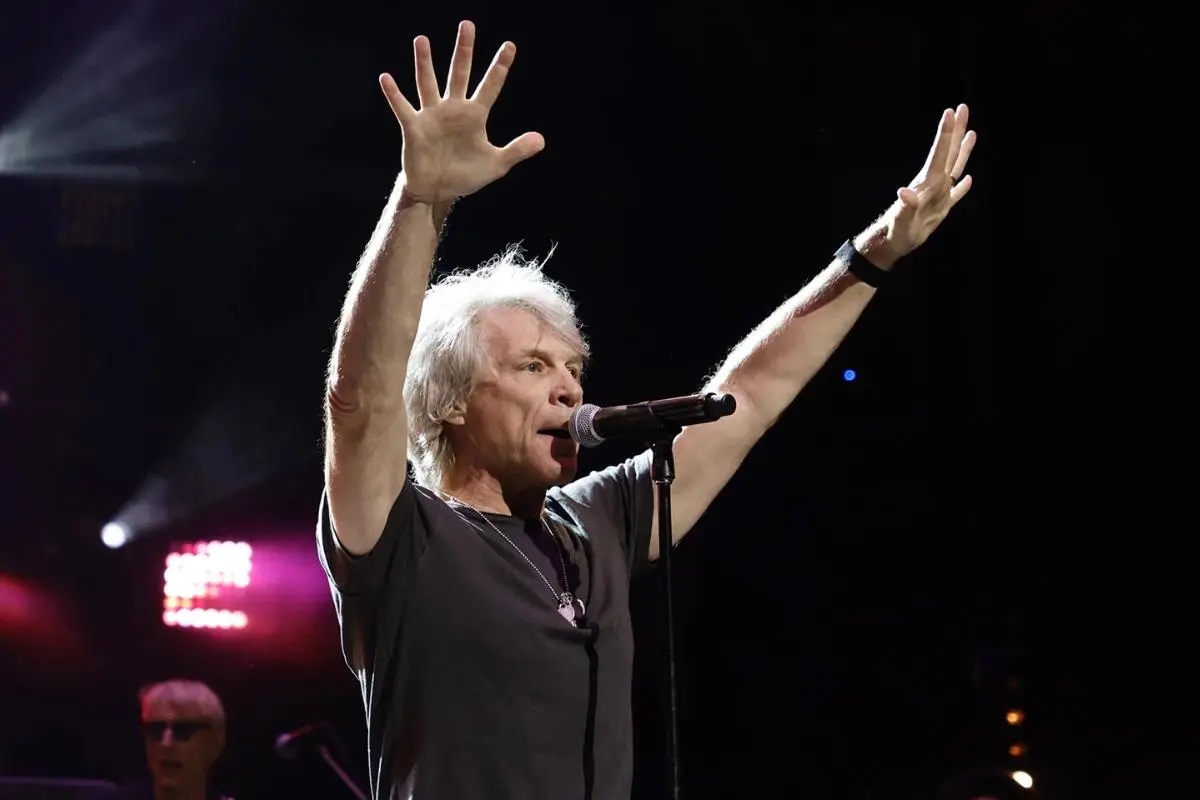
Jon Bon Jovi’s Basie Walk of Fame induction is a tribute, but it’s also a local power move. It says that Red Bank and the Basie can define their own hall of honor, grounded in performance history, regional identity, and community impact.
And in an era when fame feels disposable, a name in the sidewalk is refreshingly permanent. It’s not just “You made it.” It’s “You mattered here.”