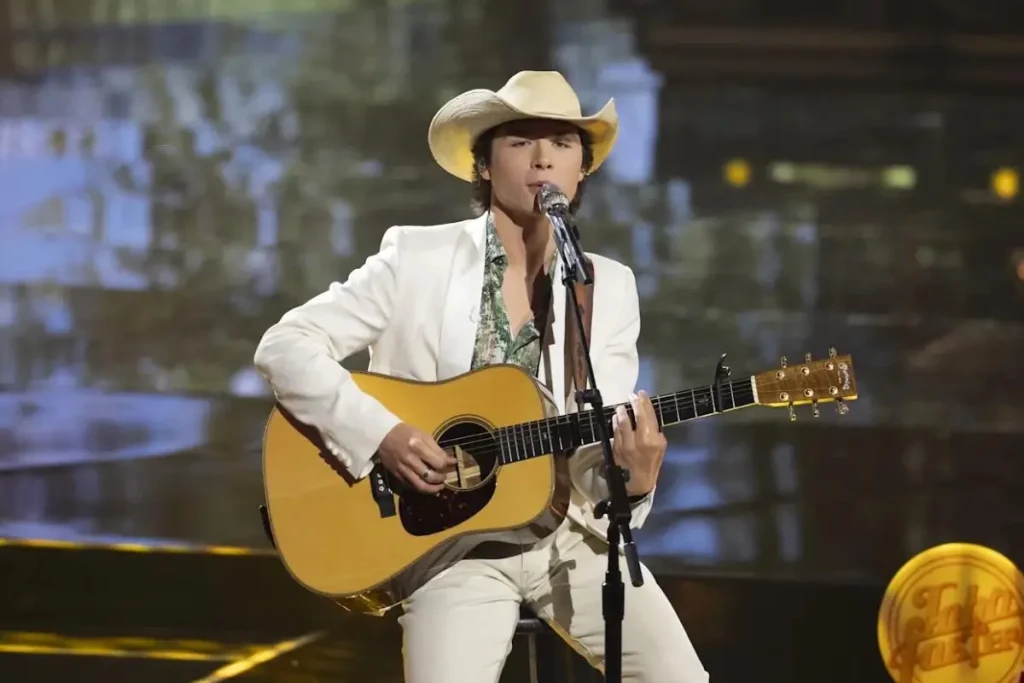
Country music loves a “one more verse” moment: the kid who didn’t win, the song that wouldn’t die, the handshake that turns into a career. That is exactly why the rumor that American Idol Season 22 breakout John Foster received a record-deal offer tied to Brooks & Dunn and Arista Nashville feels like pure Nashville wish fulfillment.
But here’s the uncomfortable truth that makes this story more interesting: the fantasy is the point. In 2026, record deals are not fairy godmothers. They are calculated bets, structured partnerships, and often, content-first “tryouts” that happen in public. The real question is not “Did he win?” It is “Did he create a market?”
What we can confirm vs what’s still rumor
At the time of writing, there is no universally verifiable public announcement from Arista Nashville or Brooks & Dunn confirming a John Foster signing. Arista Nashville operates under Sony Music Nashville’s umbrella, which is the kind of corporate home where a signing normally appears in a press release, trade coverage, or the label’s artist roster.
So why write about it? Because the “deal offer” chatter sits at the intersection of three realities that are verifiable: (1) Idol still manufactures national familiarity, (2) Brooks & Dunn still carry heavy industry gravity, and (3) modern country labels sign artists who already show traction, even if they never hoist a TV trophy.
The Brooks & Dunn factor is not imaginary
Brooks & Dunn are not just hitmakers, they are a brand of mainstream country credibility built on decades of chart power and touring clout, and classic-radio permanence. In Nashville terms, their endorsement is less like a compliment and more like a referral letter.
Arista Nashville carries “machine” energy
Arista Nashville’s history is linked to big, radio-friendly country careers, and Sony Music Nashville remains one of the core pipelines for major-label country in the US. That matters because a major deal typically implies access to higher-budget recording, promotion teams, and a faster route to radio and playlist pitching.
Why John Foster didn’t need the win to “win”
Idol is a competition, but its real product is attention. The show’s official ecosystem is built to extend a contestant’s life beyond the finale through clips, recaps, and performance replays that keep names circulating.
Historically, not winning has rarely been fatal in country. If anything, the “runner-up with something to prove” storyline can convert casual viewers into long-term fans because it feels unfinished.
“I always tell artists: it’s not about the moment, it’s about what you build after the moment.” – Luke Bryan, on artist development and careers beyond TV (as quoted in press coverage of his mentoring approach) in entertainment reporting
Even when a quote is broad, the point lands: television is the ignition, not the engine. A gritty voice and soul-baring writing can be the engine if the artist keeps releasing.
The “Brooks & Dunn handshake” fantasy: why it resonates
Country fans are not just buying songs, they are buying identity. The idea of Brooks & Dunn putting an arm around a new singer scratches an old-school itch: community, lineage, and hard-earned approval.
Brooks & Dunn have leaned into legacy storytelling for years through touring and catalog revivals, reinforcing the idea that their taste still shapes the genre. When a legend cosigns a newcomer, it signals “this kid belongs on your playlists.”

But the industry version of that handshake is a term sheet
Here’s the edgy part nobody wants to say out loud: a “record deal offer” is often a negotiation window, not a coronation. Deals can include option periods, single-by-single structures, or partnership models where the label tests momentum before fully committing.
Trade reporting in the modern music business regularly notes how labels increasingly value proven audience signals and flexible deal structures rather than classic multi-album commitments, a shift frequently covered by industry-facing music journalism. In that sense, a post-Idol artist is attractive because the data shows up fast.
What Foster’s voice and writing style mean in today’s country
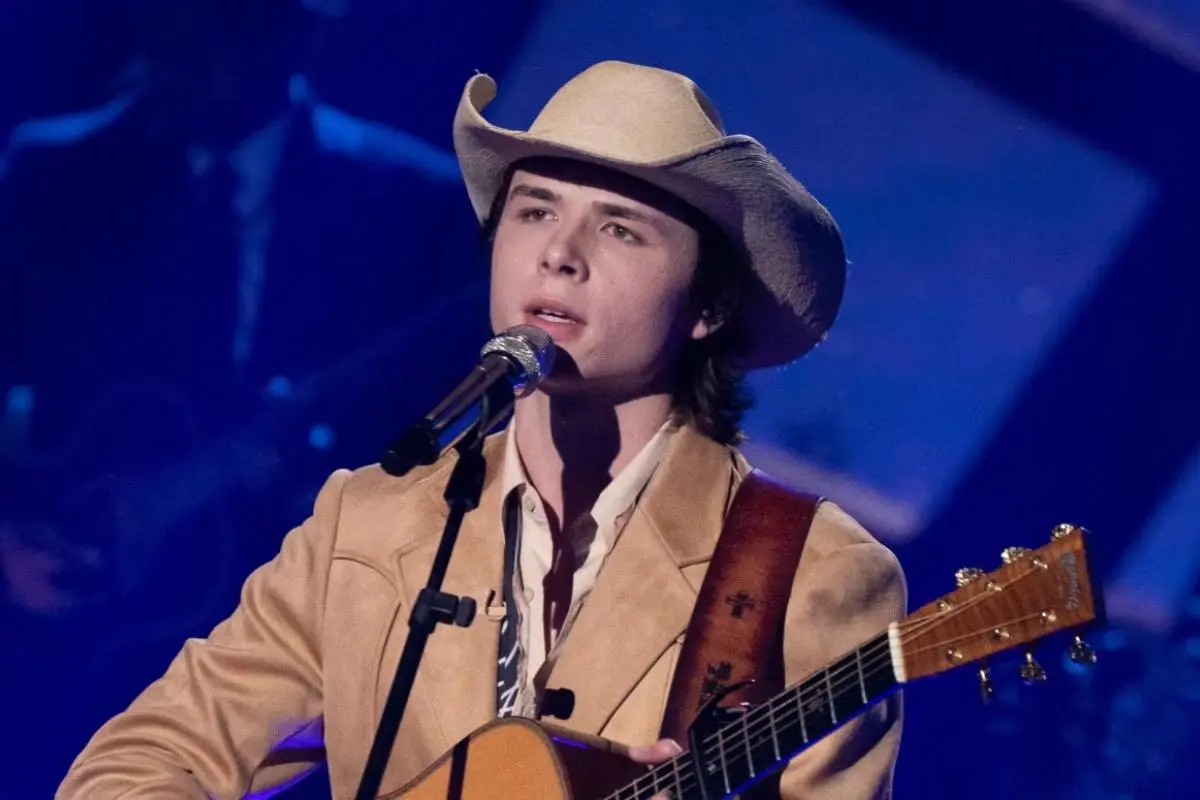
The prompt describes Foster as a “soul-baring” writer with a gritty voice and down-to-earth Southern charm. That combination maps neatly onto what has been working: traditional textures (story songs, emotional plain-spoken hooks) packaged for streaming-era consumption.
Country radio still rewards familiarity, but streaming rewards specificity. When an artist writes like they are talking to one person at a kitchen table, fans hear truth, even if the backstory is part craft, part myth.
The grit has to be paired with great production
A major-label country launch typically demands sonic clarity: tight drums, controlled distortion, and vocal production that keeps rough edges without sounding like a demo. If Arista Nashville or a similar major were involved, Foster would likely be matched with writers and producers who can preserve authenticity while delivering radio-ready results.
How a Brooks & Dunn-backed pathway could actually work
Let’s talk realistic pathways that match how Nashville works right now. If Brooks & Dunn are “supporting” Foster, it might not mean they personally sign him. It could mean they introduce him to management, co-write, invite him to open shows, or connect him to label executives.
| Possible move | What it signals | What fans feel |
|---|---|---|
| Opening slot on select dates | Tour credibility + live reps | “He’s one of us now.” |
| Co-write or feature | Creative endorsement | “Legends don’t collaborate with nobodies.” |
| Publisher introduction | Songwriting infrastructure | “He’s serious, not just TV.” |
| Major-label single deal | Test launch with real budget | “This is his shot.” |
From a career standpoint, the smartest first step is often not an album. It is two to three undeniable singles plus a relentless touring plan. Nashville trades are full of stories where the “album era” comes after the artist proves the songs can live on stage and survive the algorithm, a trend frequently discussed in music-industry trade coverage.
What Foster should do next (if he wants the deal to matter)
Whether or not the Brooks & Dunn-Arista angle becomes official, the playbook is clear. Foster needs to act like the deal is already real and the clock is running.
1) Release fast, but not sloppy
Fans from TV shows have short attention spans. Drop a single quickly, but make sure the first release has a chorus that is easy to remember after one listen and a lyric that feels lived-in, not “workshopped.”
2) Treat Nashville like a songwriting gym
Get in rooms with working writers, not just famous names. Nashville industry programming and events coverage regularly shows how professional songwriting ecosystems operate as networks, not solo missions.
3) Build a live show that earns converts
TV fans are borrowed. Ticket buyers are owned. The goal is a set where at least three moments feel inevitable: the opener, the big ballad, and the closing singalong.
4) Be careful with the “down-to-earth” brand
Southern charm plays, but it can also be manufactured. If Foster’s story is authentic, great. If it is partially stylized, he should still anchor it in specifics: family details, local references, and honest imperfections. People can smell generic “relatable.”
The bigger takeaway: Idol is the audition, not the career
Brooks & Dunn’s career longevity reminds us that country rewards artists who can deliver the same truth night after night, not just one perfect TV performance – a story they continue to frame through their ongoing official presence and touring legacy. That is why this scenario feels electric: it suggests Foster might be moving from “contestant” to “working country singer,” which is a totally different job.
If the rumored deal becomes official, it will not be magic. It will be deadlines, vocal takes, tour buses, and the brutal math of whether songs connect outside the Idol bubble. If it does not become official, the hype still proves something valuable: people are already imagining John Foster as a real country artist. That is the first win that actually matters.
Conclusion: The handshake is just the start
Fans love trophies, but Nashville loves trajectories. John Foster’s post-Idol buzz, especially when tied to names like Brooks & Dunn and Arista Nashville, is the kind of narrative that can kick open doors if he follows it with great songs and an even better work ethic.
In country music, destiny is usually just discipline wearing a better hat.