
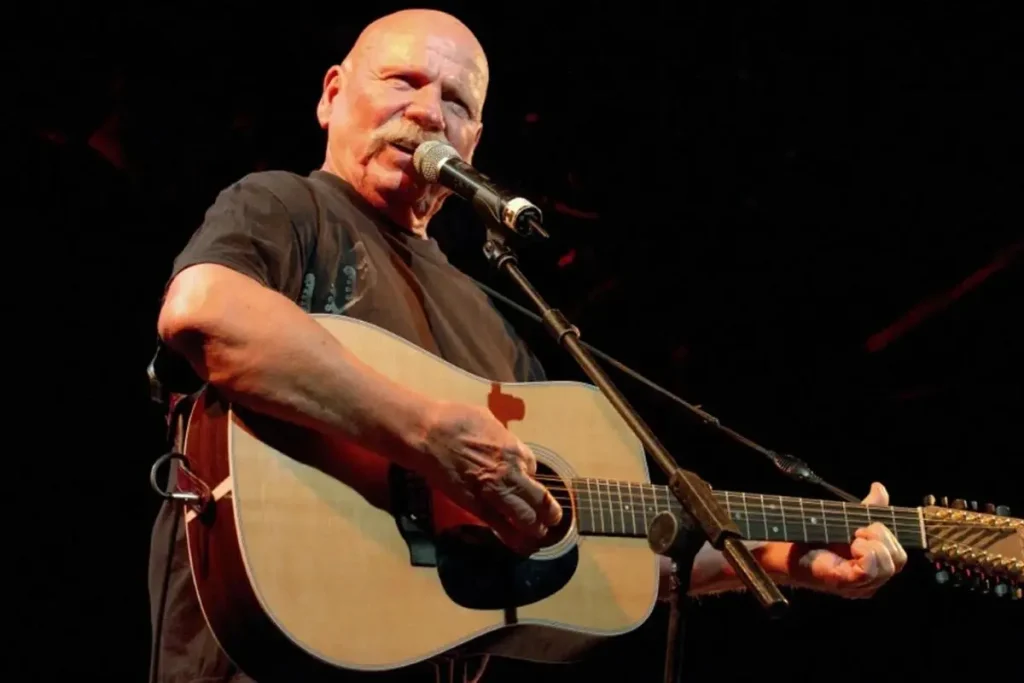
Some songs age like milk. Barry McGuire’s “Eve of Destruction” ages like a warning label you keep finding on new products. Recorded in 1965 and written by a teenage P.F. Sloan, it hit listeners with a blunt inventory of racism, war, nuclear fear, and public spin. The uncomfortable part is not that it captured its moment. The uncomfortable part is how easily it can soundtrack ours.
“You’re old enough to kill, but not for votin’.”
P.F. Sloan, “Eve of Destruction” lyrics
What made “Eve of Destruction” such a cultural grenade?
Most mid-60s pop aimed for shine: tight harmonies, clever romance, a radio-friendly smile. “Eve of Destruction” did the opposite. It sounded like a newspaper thrown through a window, and that was the point.
A songwriter with his finger on the national pulse
P.F. Sloan wrote the song at 19, and it reads like someone who couldn’t stand being told to wait his turn. Instead of choosing one cause, Sloan stacked anxieties until the pile became the message: the system is cracking in multiple places at once. The song’s very structure feels like doomscrolling before doomscrolling existed.
One reason it still lands is that it refuses to comfort the listener. The narrator isn’t preaching a plan; he’s describing a sickness, then asking you to admit you can smell it too. That tonal choice is why the song continues to feel “modern” whenever the news turns ugly.
McGuire’s voice: the opposite of polished
McGuire’s performance is famously gritty, and the record’s immediacy is part of the mythos. Even if you’ve never owned the single, you can hear why it cut through the era’s gloss: his vocal sounds like it’s dragging the lyrics into daylight by the collar. The basic release details and preservation of the recording are a useful anchor point for the track’s place in America’s audio record.

Controversy as rocket fuel
The song triggered backlash, including radio resistance, because it wasn’t content to imply political tension. It named it. In the 1960s, that could mean angry station managers, nervous sponsors, and listeners who didn’t want their pop charts to feel like a protest march.
Whether every individual “ban” story got exaggerated over the decades matters less than the core truth: this record was treated as a problem, not just a hit. And “problem records” have a special power. When adults try to suppress something, it becomes a dare.
The lyrics that keep reappearing in new headlines
“Eve of Destruction” is basically a checklist of societal stress fractures. If you want to test its relevance today, don’t ask, “Did the world end?” Ask, “Are the pressures it described still here, just renamed?” Too often, the answer is yes.
1) Racism and the unfinished civil rights story
The song’s references to racial conflict were not abstract for 1965 America. The Voting Rights Act signed in 1965 was a major federal response to systemic voter suppression.
But the persistence of debates over access, representation, and civil rights enforcement is exactly why the lyric still bites. Even the existence of ongoing advocacy around the Act’s protections and enforcement shows how unfinished the work remains.
2) War, escalation, and the “over there” that never stays over there
In 1965, Vietnam was escalating into the central American trauma of the decade. Vietnam’s political and cultural impact is the world “Eve of Destruction” is speaking from.
Swap Vietnam for any modern conflict that dominates your feeds, and the emotional mechanics are similar: distant geography, immediate moral argument, and a public mood oscillating between fatigue and fury. The song doesn’t require the same war. It requires the same pattern.
3) Nuclear dread: the fear never left, it just changed wallpaper
In the mid-60s, nuclear anxiety was a background hum in American life. That hum has returned to a higher volume in recent years, and the Doomsday Clock is a blunt symbol of that renewed concern.
This is where the song feels eerily timeless. The threat isn’t only a mushroom cloud. It’s the idea that leaders can gamble with everyone else’s future, and ordinary people are expected to live normally in the meantime.
4) Political hypocrisy and the performance of leadership
One of the song’s most durable themes is cynicism about official narratives. It’s not “both sides are the same” laziness; it’s a charge that leaders weaponize language to make the unacceptable sound necessary. When people feel lied to, they don’t just lose faith in one policy. They lose faith in the entire script.
Modern politics runs on messaging, fundraising, and perpetual campaigning, which makes Sloan’s bluntness feel almost refreshing. A quick primer on the machinery of U.S. federal campaign finance helps explain the incentives behind that nonstop messaging.
5) The voting-age line, and why it still hits a nerve
“You’re old enough to kill, but not for votin’” wasn’t just poetry; it mirrored a real debate that ultimately helped drive political change. The 26th Amendment lowering the voting age to 18 made that change explicit.
Watching a widely circulated performance of the “you’re old enough to kill” line in context is a reminder that pop lyrics can sometimes pressure politics more effectively than speeches do.
Does it still feel relevant, or do we just like feeling haunted?
Here’s the edgy claim: “Eve of Destruction” still feels relevant because society keeps rewarding the same failures. The song isn’t prophetic. It’s observational. And the observation was that institutions respond to crisis with public relations until the pressure becomes unmanageable.
That cycle continues. Not because people are uniquely evil now, but because incentives are stubborn. It’s easier to manage outrage than to fix causes. It’s easier to debate vocabulary than to measure outcomes.
Why the song works musically (and why that matters for relevance)
Message songs often fail because the sermon overwhelms the record. “Eve of Destruction” avoids that trap by being a compelling performance first and a manifesto second. Even listeners who disagree with the politics can feel the tension in the delivery.
Production choices that feel like a live wire
The arrangement is spare enough to leave room for the lyric, but not so bare that it feels like a lecture. The groove keeps moving, which makes the message harder to ignore. It’s protest you can play on a jukebox, which is exactly what happened.
The “one-take” myth and the power of imperfection
Whether you emphasize the lore or not, the record feels immediate, as if the singer is discovering the words while saying them. That’s a crucial detail. Modern audiences, raised on hyper-edited sound, often trust rough edges more than perfection. The song’s emotional credibility is inseparable from its slight chaos.
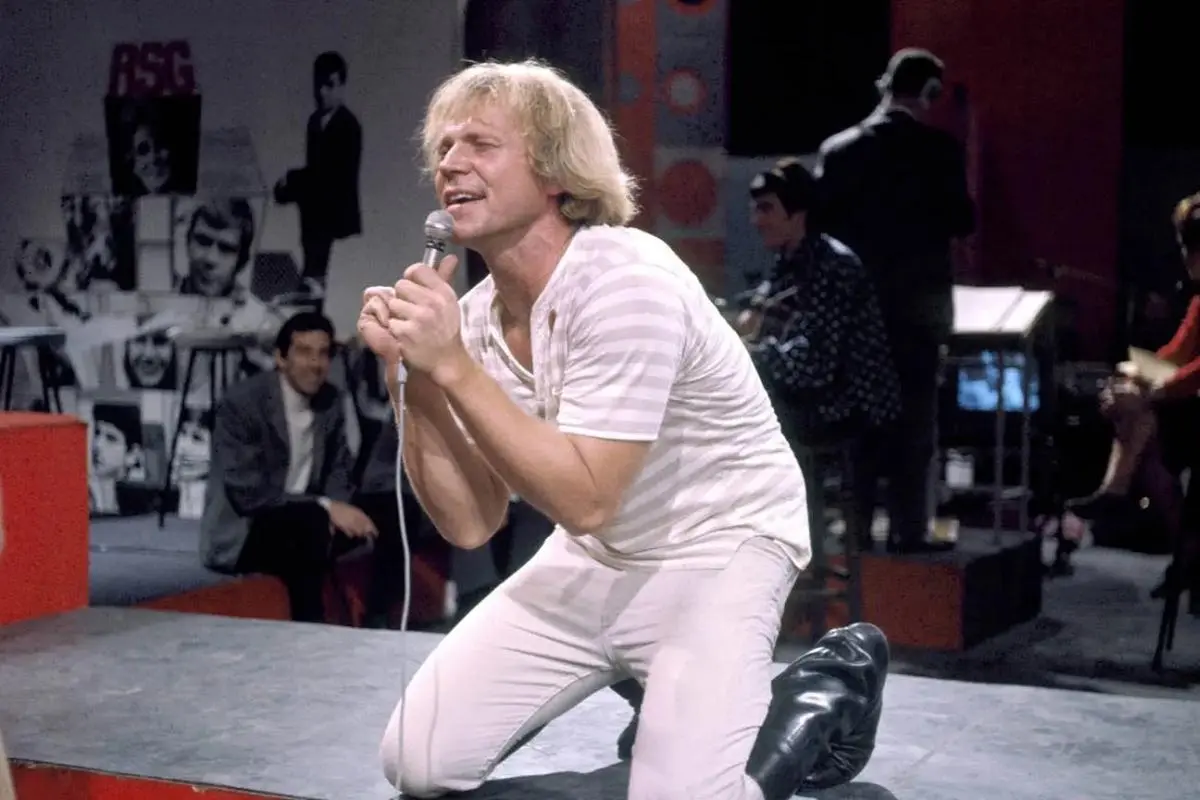
Relevance test: five modern lenses you can’t unsee
If you want to evaluate the song today without turning it into nostalgia, run it through these lenses. You’ll quickly see why it still unsettles.
| 1965 Anxiety in the Song | Modern Echo | Why It Still Stings |
|---|---|---|
| Racial conflict and civil rights battles | Voting access fights and unequal outcomes | Progress exists, but stability feels fragile |
| Vietnam-era war anxiety | Polarizing conflicts and long aftermaths | Public trust collapses when wars drag on |
| Nuclear fear | Renewed nuclear risk discourse | Existential threats break normal politics |
| Political hypocrisy | Spin, misinformation, and outrage cycles | People are tired of being managed |
| Youth disempowerment | Arguments about who counts, who votes | Democracy depends on participation |
How to listen to it now (without turning it into wallpaper)
Try listening once without irony. Don’t treat it as “a 60s artifact,” and don’t treat it as a meme about doom. Just let the lyric land as a list of pressures on ordinary people.
Then listen again and focus purely on performance: phrasing, breath, the way the vocal sits against the backing track. For basic song facts and a quick refresher on its release and reception, a standard reference summary is an easy starting point.
The uncomfortable conclusion: it’s relevant because we still live in its argument
“Eve of Destruction” doesn’t feel current because the 60s came back. It feels current because the basic fight between power and accountability never ended, it just got new technology and better lighting.
If you’re looking for hope, the song won’t hand it to you. But its continued relevance can be read as a challenge: if a 1965 protest hit still maps onto the present, the question isn’t whether the song aged well. The question is why the world didn’t.
Listening homework: play it loud once, then ask yourself what lyric you wish sounded outdated by now.
Note on chart details: This article focuses on the song’s themes and cultural durability rather than reproducing proprietary chart datasets; general chart context and basic song facts are widely summarized in standard references.


