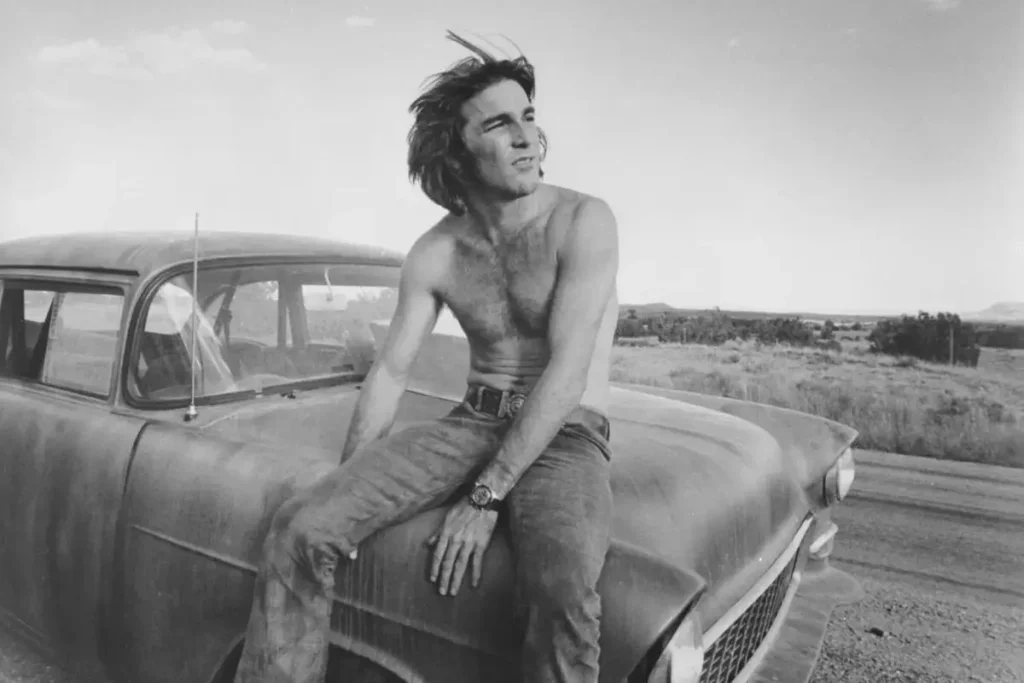
The Beach Boys sold America a fantasy: clean-cut kids, sun-bleached hair, and a Pacific that always sparkled on cue. But behind the harmonies was a messy truth that still startles new fans: Dennis Wilson, the band’s drummer and resident heartthrob, was the only Beach Boy who credibly lived the surf-and-sun lifestyle they marketed.
That claim gets repeated so often it risks becoming a meme. Yet it reveals something bigger than trivia: the band’s “authenticity” wasn’t about who owned a board, but who could translate California into pop mythology – and who got chewed up by the myth when the cameras stopped rolling.
The big myth: surf band, non-surfers
The Beach Boys didn’t start as a documentary project. They were suburban kids who loved R&B, Chuck Berry, car culture, and the new slang bubbling up from Southern California. Surfing was part of the atmosphere, not necessarily the daily routine.
Dennis, however, actually did surf, and biographies routinely single him out as the only member with real wave time. Even the basic biographical record notes his identity as the group’s drummer and most dedicated surfer, a distinction that effectively turned him into their “proof of life” for surf authenticity.
“We were more about cars than surfing.” – Brian Wilson, quoted in multiple histories and interviews about the band’s early concept
Brian’s point matters: the Beach Boys’ “surf” records were often studio constructions, built from harmonies, jargon, and guitar reverb. Dennis was the guy who could walk into the room and say, “Yeah, that part sounds like the ocean.” The others, by most accounts, preferred staying dry – or at least staying controlled.
Dennis Wilson: the band’s danger signal (and secret weapon)
If the Beach Boys were a classic family business, Dennis was the employee who kept showing up on a motorcycle. He wasn’t the chief composer like Brian, nor the stable frontman like Mike Love or Carl Wilson. He was the kinetic element: physical, impulsive, and oddly sensitive.
Musically, Dennis was more than “the drummer.” As the group evolved beyond the early hits, he became a contributor whose songs leaned raw, confessional, and bruised. When people say he “lived the lifestyle,” it’s not only about surfing – it’s about appetite: speed, parties, and risk.
Surf image vs real psychology
The Beach Boys’ public image was squeaky-clean, but their internal dynamics were complicated. Dennis fit the role of the wild one, which made him valuable to the brand and toxic to himself. Being “the real surfer” is flattering until it becomes a job description you can’t quit.
Think of him as the band’s unlicensed stuntman: when the group’s California fantasy needed an edge, Dennis supplied it by existing.

The Hollywood years: parties, celebrity orbit, and the cost of being cool
Dennis didn’t just hang around the beach. He moved in a Los Angeles celebrity ecosystem where rock stars, actors, hustlers, and hangers-on traded glamour for chaos. Stories of fast cars, late nights, and beautiful trouble are everywhere in his lore, and the consistent thread is intensity: Dennis rarely did anything halfway.
That intensity eventually became audible. His solo work, especially Pacific Ocean Blue, is routinely reappraised as a major statement from a man who sounded like he’d seen the underside of the sunshine. Rolling Stone later spotlighted the album in its “one album wonders” feature, praising its emotional weight and singular mood.
Why Pacific Ocean Blue hits older listeners especially hard
For fans who grew up on the early hits, Dennis’ solo album feels like the morning after the beach party. It’s still California, but the light is colder. The record is full of adult themes – regret, dependence, loneliness – without losing musical beauty.
| Beach Boys Era | The Promise | Dennis’ Solo Angle |
|---|---|---|
| Early 60s surf singles | Freedom and youth | What freedom costs when youth ends |
| Mid 60s studio ambition | Perfection and control | Emotion that spills past control |
| 70s nostalgia circuit | Endless summer forever | Summer ends – and you still have to live |
The Manson connection: how it started (and why it’s still so disturbing)
No part of Dennis Wilson’s legend is more unsettling than his association with Charles Manson. The shorthand version is everywhere: Dennis “befriended” Manson before the murders, and the whole thing turned dark. The real story is more granular and more cautionary.
Accounts agree Dennis encountered members of Manson’s circle in 1968 and, through a mix of curiosity, charm, and recklessness, allowed the group into his orbit. One detailed overview frames it as a collision of Hollywood access, manipulation, and counterculture openness.
What’s important is not the lurid trivia but the mechanism: Dennis operated on instinct and generosity, and Manson understood how to exploit that. This was a period when record deals, cult vibes, and “spiritual” rhetoric could blur together in LA’s music scene.
The song that shouldn’t exist: “Never Learn Not to Love”
The Beach Boys released “Never Learn Not to Love” in 1969, and its backstory is infamous because it’s tied to Manson’s songwriting and the band’s brief proximity to him. The track’s connection to Manson’s “Cease to Exist” has fueled debate for decades.
This is where edgy legend meets paperwork: publishing, credits, and who got what out of the exchange. It’s also where Dennis’ personal chaos becomes a band issue, threatening the group’s reputation and safety.
“Only Beach Boy who surfed”: true, but also incomplete
So did the others really “prefer staying dry”? Compared with Dennis, yes – at least in spirit. The Beach Boys’ genius was never dependent on athletic credibility. Their records worked because they captured a feeling: sunburned optimism, teenage speed, and an imagined Pacific you could buy in three minutes.
But the “Dennis was the only one” line is valuable because it exposes pop marketing mechanics. The Beach Boys didn’t need five surfers; they needed one believable avatar, and Dennis was it. When the press wanted a real beach kid, the band could point to the drummer.
A practical way to hear the difference
- Listen to early surf hits and focus on vocal blend, not lyrics – it’s crafted nostalgia even when it’s brand-new.
- Then play a Dennis-led vocal and notice the grain in his voice: less polish, more lived-in emotion.
- Finally, spin a track from Pacific Ocean Blue and hear how the “endless summer” myth collapses into adulthood.
The last act: water, alcohol, and the brutal irony
Dennis Wilson died by drowning in 1983, an ending so on-the-nose it almost feels written. But drowning is rarely romantic. Public health authorities emphasize drowning as a serious, preventable cause of death – and alcohol is a well-known risk amplifier in aquatic incidents.
In other words, the ocean doesn’t care about your mythology. For the one Beach Boy most associated with the water, it became the final hazard – not a backdrop for a perfect chorus.
What Dennis’ story says about the Beach Boys (and about fame)
It’s tempting to frame Dennis as the “real” Beach Boy and everyone else as studio tourists. That’s too simple. The band’s greatness comes from a paradox: Brian Wilson’s inward imagination built the sound of the coast helped sell the coast, while Dennis embodied the coast and struggled to survive it.
In a way, Dennis was both the band’s greatest marketing asset and its most human member. He proved the fantasy had roots in reality – and proved reality can punish the people who try to live inside a pop song.
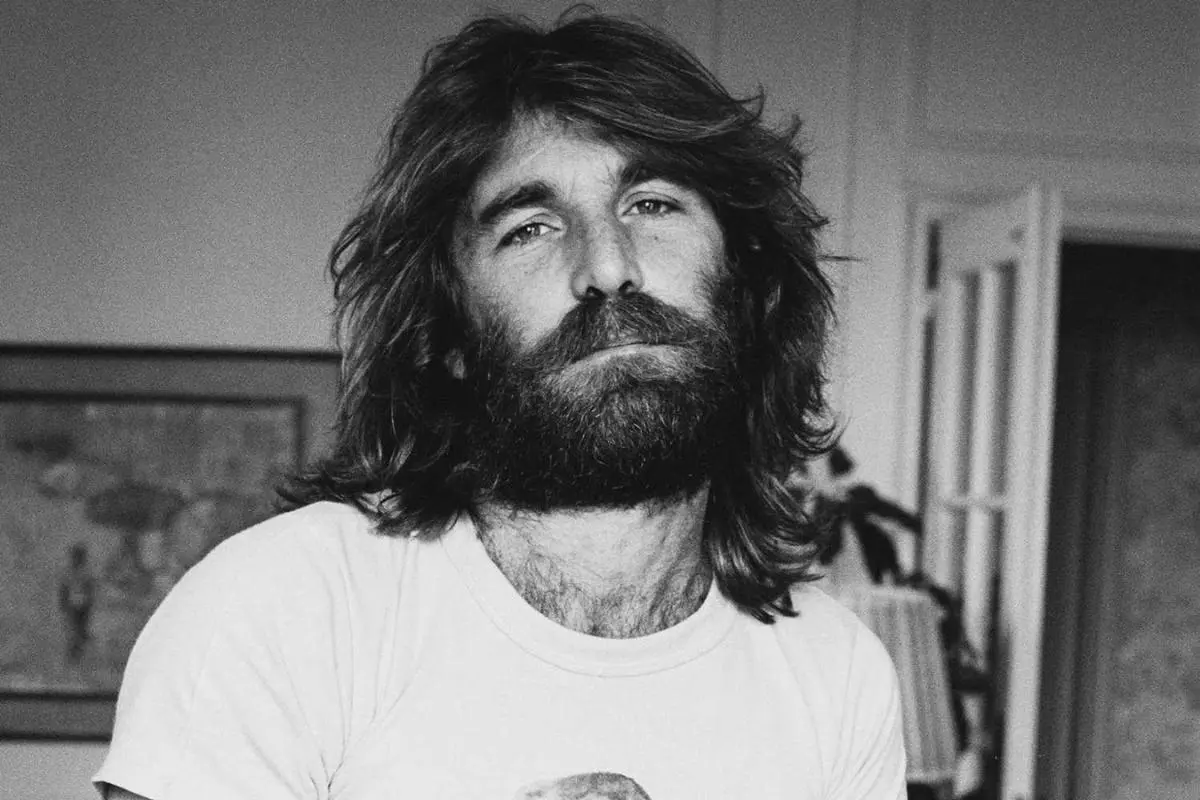
Takeaway for musicians and fans
- Image is a role – and roles have consequences when you can’t step out of them.
- “Authentic” isn’t always healthy – sometimes it’s just closer to danger.
- The Beach Boys were storytellers – Dennis was the character who forgot the story ends when the record does.
Conclusion: the surfer who made the myth feel real
Dennis Wilson really did surf, and he really did live closer to the sun-burnt edge than the rest of the band. But his deeper legacy is how he complicates the Beach Boys’ legend: the same group that defined carefree California also contained a man whose life showed how quickly “carefree” can become carelessness.
If you want the Beach Boys in full, you need both sides: the studio architects who invented the perfect summer, and the drummer who actually went into the water.