
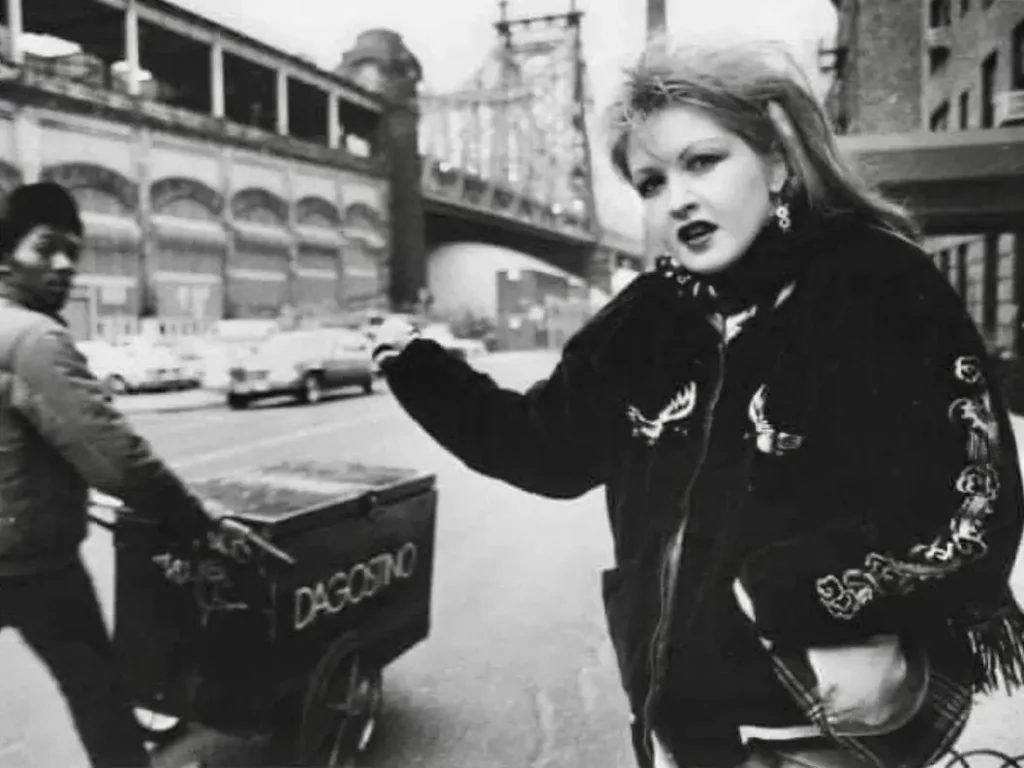
When Cyndi Lauper finally exploded on TV in the early 80s, she looked like she had dropped in from another planet. Neon hair, thrift store couture and that ferocious voice made it easy to forget the decade she had just spent paying brutal dues in the 1970s.
Before the multi platinum albums and hit videos, she was a broke runaway, a cover band workhorse and a survivor of some of the ugliest corners of the club scene. This is Cyndi Lauper in the 70s, before fame found her, when she was still just a kid from Queens trying to sing her way out of the noise.
Runaway with a paperback: Queens to Vermont
Lauper grew up in a working class Catholic family in Ozone Park, Queens, soaking up records by Judy Garland, Billie Holiday, Ella Fitzgerald and the Beatles while already experimenting with wild hair dyes and thrifted clothes. She was accepted to a special arts high school but felt trapped and, at 17 in 1970, she walked out of both school and home.
Later biographies describe her leaving with only a paper bag holding a toothbrush, spare underwear, an apple and Yoko Ono’s book ‘Grapefruit’, heading first to Long Island, then hitchhiking through Canada before landing in Vermont to study art at Johnson State College. Those drifting years of busking and sketching gave her the art school mindset that would later saturate her lyrics, clothes and videos.
Cover band boot camp: Doc West and Flyer
By the mid 70s Lauper was back around New York using that stubborn art kid energy to muscle into any band that would have her. Biographers place her fronting disco oriented cover outfit Doc West around 1974 and, a little later, the harder rocking group Flyer, grinding through club dates across Long Island while waiting tables and even walking racehorses to keep the lights on; their sets ran from Joplin styled blues to Bad Company, Jefferson Airplane and Led Zeppelin covers.
In one detailed career overview, she is described fronting disco oriented cover outfit Doc West around 1974 and, a little later, the harder rocking group Flyer, grinding through club dates across Long Island while waiting tables and even walking racehorses to keep the lights on; their sets ran from Joplin styled blues to Bad Company, Jefferson Airplane and Led Zeppelin covers, a timeline that other retrospectives of her 70s work also support. Those early bands became a kind of boot camp for the singer who would later blow the doors off MTV.
In a later interview she called those cover band years ‘the long route’, but said that singing for thousands of drunk beach goers at venues like the Boardy Barn was the best training she could have asked for. A famous producer once tried to get her to imitate Debbie Harry on a record and she flatly refused, an early sign that she would rather starve than become somebody else’s knock off blonde.
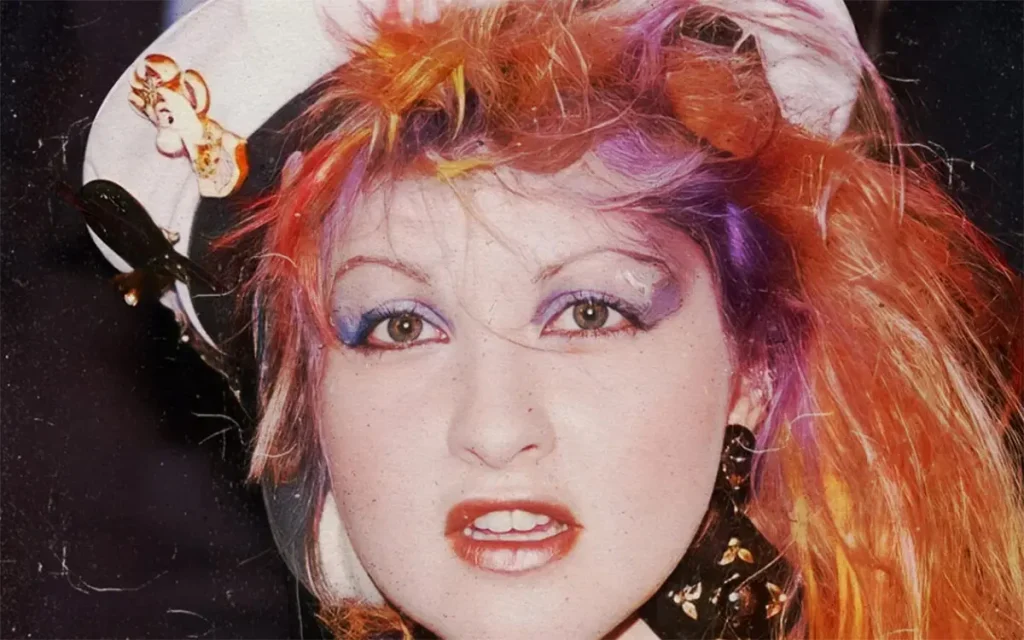
The dark side of the 70s club circuit
The 70s rock myth likes to sell itself as sex, drugs and liberation, but Lauper has described a much uglier reality behind the bar lights. In a Guardian interview tied to the documentary ‘Let the Canary Sing’, she spoke of raising money for equipment by working as a topless dancer, quitting only after men pelted her with coins and abuse, and of suffering a serious sexual assault by a fellow musician and two women during this same club circuit period.
In another account she recalled that the assault happened while she was singing at Long Island nightclubs with a covers band, and that when she told the rest of the group what had happened they did not believe her, eventually firing her instead of the attacker, an incident she later discussed in a candid interview about her touring years.
Most artists would have walked away from music right there; she stayed, and you can hear that decision in the mix of gallows humour and hard edged empathy that runs through her later work. The neon clowning that some critics mocked in the 80s was a shield built by someone who already knew exactly how dangerous the supposedly free 70s really were.
The year she could not sing
Relentless nights of oversinging over loud amps came with a brutal price tag. Around 1977 Lauper badly damaged her vocal cords, was told by several doctors she might never sing again, and spent roughly a year off the circuit before rebuilding her technique under vocal coach Katie Agresta, who taught her to use that huge range safely instead of just screaming through smoke and feedback. Fans trading stories on classic rock forums still point to that near loss as the turning point that gave her later performances their control and power.
For singers, her forced year of silence offers three blunt lessons.
- Do not scream over bad monitoring just to be heard.
- Get proper technique training before you are desperate.
- Treat rest and medical checks as part of your practice.
Blue Angel: misfit band at the end of the decade
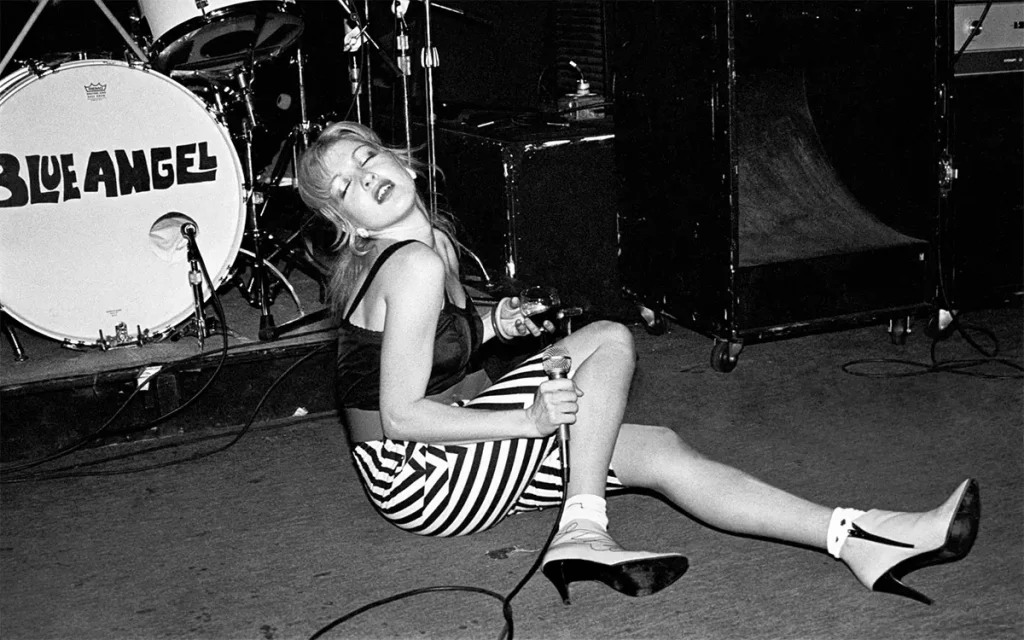
Once her voice came back, Lauper finally had a vehicle for original songs instead of endless covers. In 1978 she met multi instrumentalist John Turi and formed retro tinged rockabilly and new wave band Blue Angel; by 1980 they had sunk their savings into a self titled album for Polydor that drew praise but sparked messy management battles and left her in bankruptcy court, still insisting she was ‘meant to create’ and would not be stopped, as recounted on a dedicated fan history of Lauper’s rock years.
Time magazine later summed up just how grim things looked on the eve of her solo breakthrough: Blue Angel had broken up without any commercial success, she had become entangled in a lawsuit with the band’s former manager, temporarily lost her voice again due to an inverted cyst on her vocal cord, and was supporting herself as a salesgirl and maid while singing in tiny clubs.
How the 70s shaped the Cyndi Lauper you know
When you put on ‘Girls Just Want to Have Fun’ or ‘Money Changes Everything’, you are hearing a woman who has already survived far worse than an 80s chart war. The sly melodica textures and other offbeat instrumental touches that creep into her records, highlighted by gear heads as examples of Billboard hits built on unusual timbres, make more sense when you remember she spent the entire 70s learning to cut through bad mixes and stale arrangements by any means necessary.
The runway of the 1970s also explains her politics: a runaway Catholic kid, a topless dancer who walked away, a singer twice told she might never work again and a bankrupt ex bandleader with nothing left to lose is exactly the sort of person who will fight labels, turn a dude’s song into a feminist anthem and throw herself into activism for outsiders. Freeze her story at 1979 and Cyndi Lauper looks like another almost made it casualty of the bar band era, but the 80s only crowned a musician who had already refused to back down a hundred times before anyone outside New York had ever heard her name.


