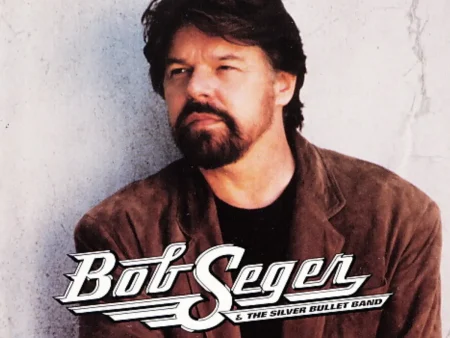
Rock history loves its myths: smoke-filled studios, grand creative visions, and “we knew it the moment we played it” confidence. The real story behind the Eagles’ “Heartache Tonight” is better and messier. A late-night stall, a phone call between two Michigan friends, and one tossed-off lyric from Bob Seger that basically became the record’s spine.
It’s also a great reminder of how hit songs are often less like marble statues and more like cars being fixed on the shoulder of the highway: loud, fast, and held together by whoever picks up the phone.
Why “Heartache Tonight” mattered to the Eagles (and why they needed it)
By the time The Long Run sessions were underway, the Eagles were trying to follow Hotel California, which is the musical equivalent of trying to do an encore after setting the stage on fire. The band’s internal tensions were real, the expectations were huge, and the clock was always ticking.
“Heartache Tonight” became one of the album’s signature late-era hits, a track that feels loose and barroom-friendly but is actually engineered like a pop single. It ultimately won a Grammy for Best Rock Performance by a Duo or Group with Vocal, confirming it wasn’t just a fan favorite but an industry-certified hammer.
The offhand Bob Seger moment: a hook delivered like a shrug
The story, repeated across interviews and music-history write-ups, is that Glenn Frey called Bob Seger while the Eagles were stuck finishing the song. Frey and Seger were friends, both Michigan guys, and the call had the vibe of “help us land this plane,” not “please schedule a prestigious co-write.”
Seger heard what they had and tossed out the line that would become the chorus hook: “There’s gonna be a heartache tonight.” It’s blunt, conversational, and slightly ominous, which is exactly why it works. That late-night assist story gets retold as a casual save that turned into a defining lyric.
“There’s gonna be a heartache tonight.”
– Bob Seger (as recounted in coverage of the song’s writing)
That one phrase is classic Seger: direct, blue-collar, and confident enough to sound inevitable. The Eagles didn’t need poetry, they needed a banner readers could see from the back of the arena.

Credit where it’s due: Seger is in the official writer lineup
It’s easy for stories like this to drift into “legend” territory, so it matters that Seger is formally credited as a co-writer. Performance-rights listings are about as unglamorous and reliable as music documentation gets.
Song documentation that lists the credited writers for “Heartache Tonight” serves as paperwork-level confirmation that the phone call wasn’t just friendly advice.
What makes the line so effective (from a songwriter’s perspective)
The chorus isn’t sophisticated on paper, but it’s engineered for impact. If you play or write, this is a masterclass in how a simple sentence becomes a hook.
1) It’s a promise, not a diary entry
Many breakup songs are introspective. “There’s gonna be a heartache tonight” is predictive, almost like a warning sign outside a honky-tonk. That gives the listener a role: you’re not just hearing feelings, you’re entering a scene.
2) The phrasing is conversational and singable
Good hooks sound like something people might say out loud. The line flows naturally, with strong stresses that make it easy to chant in a crowd. Song write-ups often point out Seger’s contribution as the central hook because it’s the part everybody remembers in the song’s commonly summarized backstory.
3) The word “tonight” is doing heavy lifting
“Tonight” adds urgency and a little trouble. It implies decisions, drinks, and consequences. It’s not heartbreak someday, it’s heartbreak imminent.
How a “quick save” becomes a signature record
There’s something provocative here: if Seger doesn’t pick up the phone, does “Heartache Tonight” exist in anything like the form we know? Maybe. But the hook is the song’s identity, and identity is what radio remembers.
This is the uncomfortable truth about collaboration. Sometimes the “small” contribution is the one that makes the track commercially legible. A bridge can be brilliant, but a chorus that people can shout after one listen is a different kind of power.
Michigan rock chemistry: why Frey called Seger in the first place
Glenn Frey didn’t cold-call a famous songwriter; he called a friend who spoke the same musical language. Frey and Seger came up in the same broader Midwestern rock ecosystem, where songs are built to travel from bar bands to big rooms without losing their bite.
Even if you ignore the romance of “two Michigan guys,” it’s a practical creative advantage. When you share a taste for plainspoken storytelling, the edit becomes faster. Seger’s line feels like it could be on an Eagles record or a Seger record, which is exactly why it landed.
The recording: polished chaos that still feels like a party
One reason “Heartache Tonight” endures is that it sounds like a good time even while it’s describing emotional damage. That contrast is hard to pull off. The track’s bounce and group vocals make the warning sound like an invitation.
From a listener’s perspective, this is the Eagles doing what they did best late in the 1970s: turning conflict and fatigue into something shiny. From a musician’s perspective, it’s also a reminder that the studio version is often the result of relentless finishing work, not first-take magic.
Fast fact sheet (so you don’t have to dig through liner notes)
| Item | What to know |
|---|---|
| Song | “Heartache Tonight” |
| Artist | Eagles |
| Album era | The Long Run (late-1970s Eagles) |
| Key outside contributor | Bob Seger (co-writer credit) |
| Major award | Grammy win for Best Rock Performance by a Duo or Group with Vocal |
For quick reference on the song’s basic release and chart history context, a short overview of its release details and writing credit summarizes core points that align with common record-keeping around the single.
What musicians can steal from this story (without needing Seger on speed dial)
The real takeaway isn’t “be friends with legends,” though that clearly doesn’t hurt. The takeaway is how to use external perspective when your song is stuck.
Use the “phone-a-friend” test
Play your draft for someone who understands your genre and ask one question: “What’s the chorus line?” If they can’t answer instantly, you may not have a hook yet.
Let the blunt idea win
Songwriters often overwrite when they feel pressure. Seger’s line isn’t fancy; it’s useful. If your draft has a simple phrase that feels inevitable, stop fighting it.
Write choruses as headlines
A chorus should read like a headline you’d repeat. “There’s gonna be a heartache tonight” is a headline with a countdown timer attached.

The uncomfortable (and fun) claim: the Eagles’ cool factor sometimes came from outside the room
Here’s the spicy part: for all their perfectionism and studio muscle, the Eagles were also experts at recognizing when another voice had the missing piece. That’s not weakness. That’s taste.
The band’s brand is often painted as self-contained excellence, but “Heartache Tonight” shows something more street-level: when the song wouldn’t lock, they called a trusted peer and took the simplest fix. That’s the version of the story that sticks when you look at basic single-history and catalog listings – a real song with a real co-write, not just trivia.
Conclusion: one line, one call, one classic
“Heartache Tonight” is proof that the most valuable songwriting moments aren’t always dramatic. Sometimes they arrive as a late-night sentence from a friend with good instincts and zero patience for fluff.
And if you’re building songs yourself, take it as permission: when you’re stuck, don’t romanticize the struggle. Get a fresh ear, find the blunt truth, and let the chorus do its job.