
WLAC’s night signal fed Gregg Allman blues, Jimmy Smith, and a Hammond obsession – plus how Duane’s ghost still shaped his voice.

WLAC’s night signal fed Gregg Allman blues, Jimmy Smith, and a Hammond obsession – plus how Duane’s ghost still shaped his voice.

Townes didn’t just write sad songs – he treated the blues like geography. Here’s what made his craft, voice, and legend so hard to copy.

Roy Buchanan fused blues, country, and rock into Telecaster heartbreak – revered by legends, overlooked by fame, and unforgettable on record.

Bob Dylan said The Band’s “golden days” weren’t “The Weight,” but Motown covers like “Baby Don’t You Do It.” Here’s why that claim matters.

A practical, punchy guide to Albert Collins: his icy tone, capos, minor blues bite, and why legends like Hendrix and Pareles couldn’t ignore him.
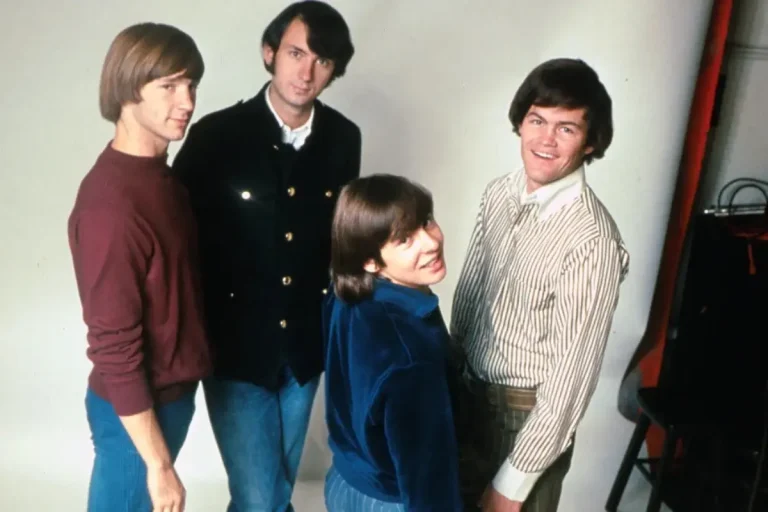
The Monkees wasn’t just teen fluff: its jump-cut, surreal style helped win 1967 Emmys and previewed the modern music video.
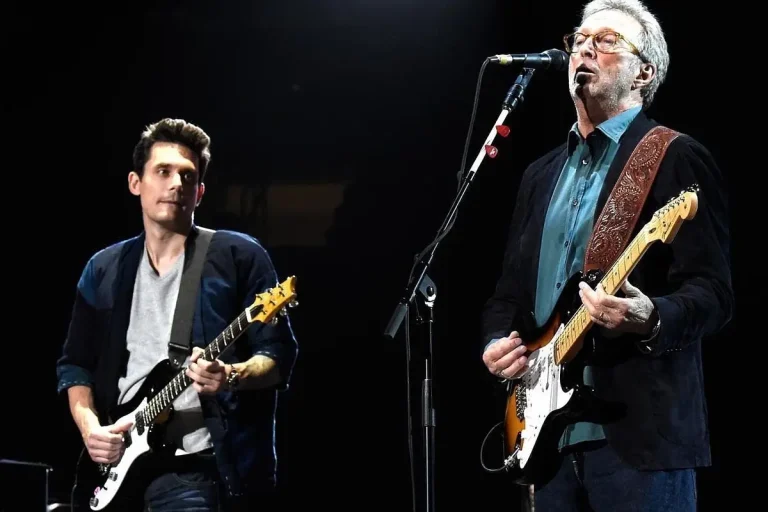
John Mayer didn’t “join” Eric Clapton. He absorbed him, earned his nod, and met him where it counts: onstage, in the blues spotlight.

Recorded March 12-13, 1971, At Fillmore East captured the Allman Brothers at full burn – and quietly rewrote the rules for live rock albums.
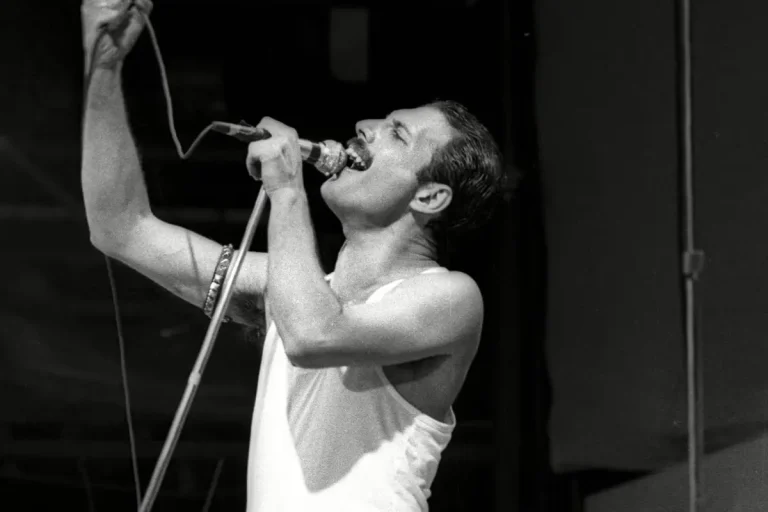
Robbie Williams says Queen offered him the singer slot. Here’s what’s confirmed, what’s myth, and why the match was both perfect and impossible.

Tom Waits says songs arrive when you transcend equipment. Here’s what he means, how he writes, and how to make your piano a landing pad.