
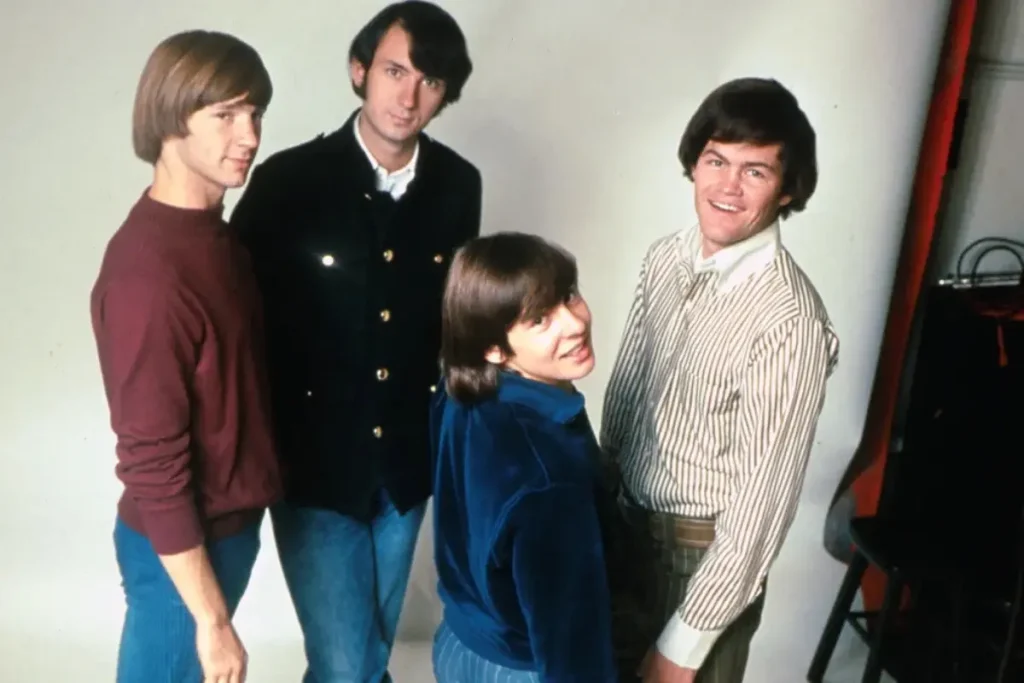
“The Monkees” is often filed away as a harmless teen commodity: four cute guys, a sitcom, and a stack of 45s. That story is convenient, but it is also incomplete. The uncomfortable truth is that the TV industry itself validated the show’s craft – and did it loudly, in the only language Hollywood respects: awards.
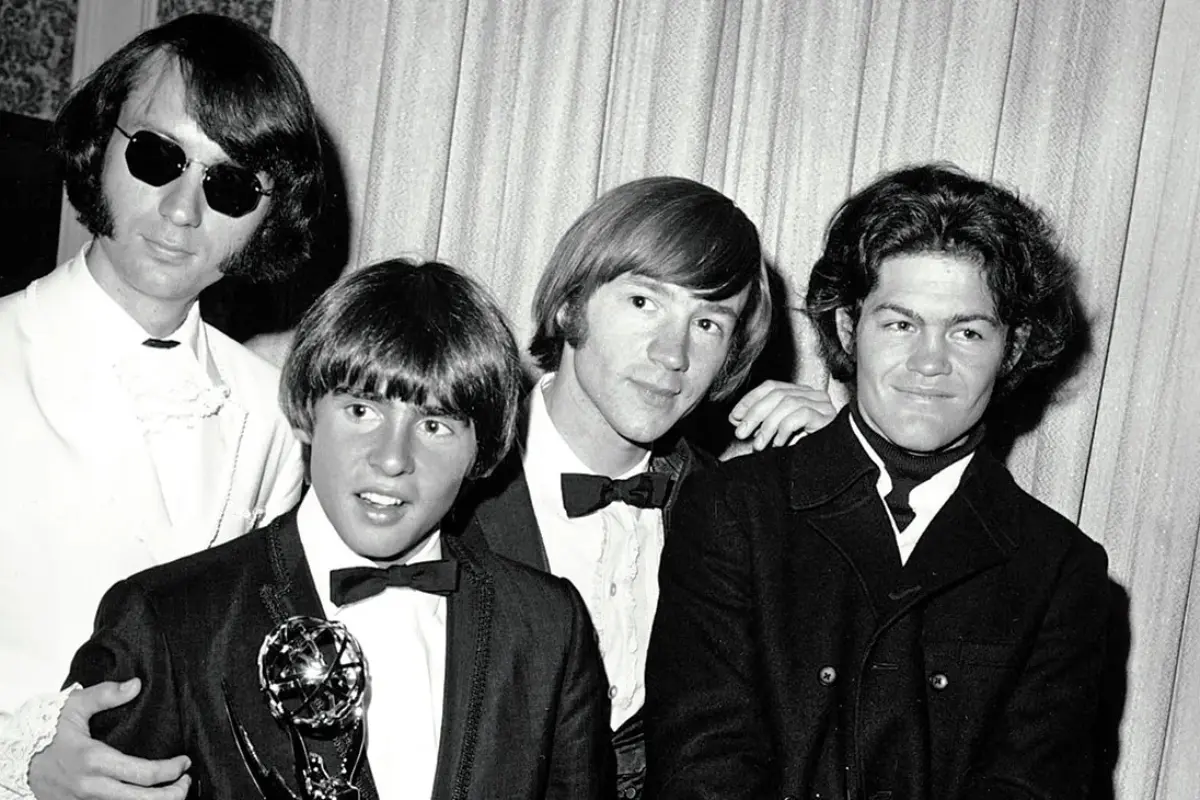
In 1967, “The Monkees” won Primetime Emmy Awards, including Outstanding Comedy Series and Outstanding Directing for a Comedy Series. That matters because Emmy voters were not in the business of handing trophies to novelty acts. They were rewarding formal innovation: a TV grammar built from jump cuts, visual punchlines, mini music films, and controlled chaos that looked more like a collage than a sitcom.
The receipts: which Emmys did “The Monkees” win?
The cleanest way to cut through decades of snark is to look at the official Emmy record. The Television Academy’s awards database lists “The Monkees” as a winner in 1967 for Outstanding Comedy Series.
The same Emmy database also credits the show with a 1967 win for Outstanding Directing for a Comedy Series, awarded to director James Frawley.
If you want the broader picture, a run-down of nominations and wins across the series makes it clear the show was taken seriously by the very establishment that supposedly dismissed it.
Emmy wins at a glance
| Year | Category | Winner | Why it matters |
|---|---|---|---|
| 1967 | Outstanding Comedy Series | The Monkees | Industry-wide approval of a new kind of youth comedy |
| 1967 | Outstanding Directing for a Comedy Series | James Frawley | Recognition of the show’s kinetic, rule-breaking visual language |
Why the Emmys were shocking (and why they make sense)
On paper, “The Monkees” sounds like a corporate prank: cast via auditions, designed for TV, and launched into a pop marketplace already trained by Beatlemania. The show’s premise is simple, almost disposable: four musicians chasing gigs and getting into trouble.
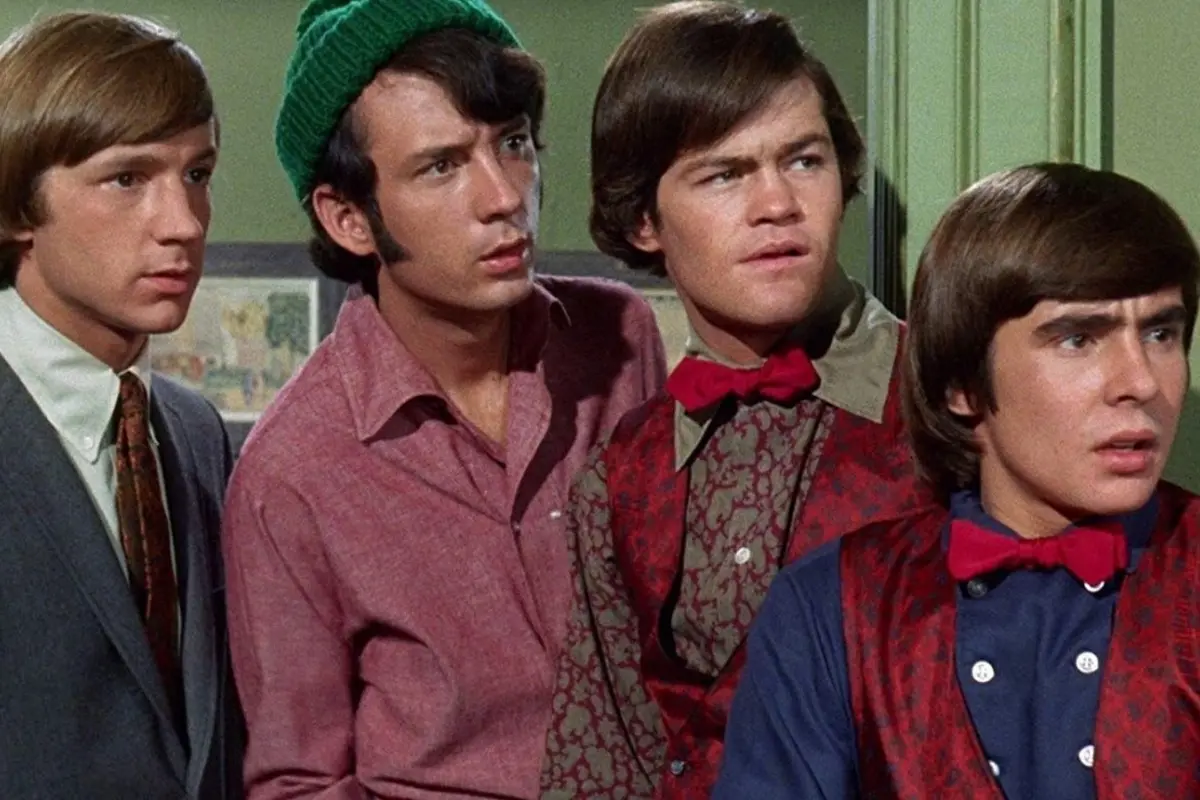
But the execution was different. “The Monkees” treated the sitcom like a sketchbook: freeze frames, breakneck edits, absurd cutaways, and musical performances staged as short films instead of standard soundstage lip-sync. The result is that the show often feels less like narrative television and more like pop-art montage.
“A picture is worth a thousand words.” – Fred R. Barnard (often paraphrased as a guiding idea in visual storytelling)
Whether or not the writers quoted that line in the room, they worked like they believed it. The series is packed with jokes you see rather than jokes you’re told, and that emphasis on visual rhythm is exactly what award voters tend to notice when a form starts evolving.
The show’s secret weapon: editing that moved like a single
If you grew up on classic three-camera sitcoms, “The Monkees” can feel like someone swapped your coffee for rocket fuel. Scenes can pivot instantly from dialogue to slapstick to fantasy. Reaction shots arrive early. Punchlines land mid-motion. The whole show behaves like a pop record: hook first, explanation later.
This “single-length” pacing is one reason the show now reads as proto-music-video. Instead of treating songs as interruptions, it used them as punctuation. Musical segments became an excuse to abandon realism and let image and rhythm carry the storytelling.
What looks “music-video” about it?
- Quick-cut montage built around a song’s structure rather than a plot beat.
- Surreal sight gags that ignore continuity for comedic impact.
- Performance as narrative, where the song advances mood, identity, or a running joke.
- Camera and cutting as comedy, not merely documentation of dialogue.
Today, those ideas are everywhere: in sketch comedy, in late-night remotes, in branded content, in TikTok pacing, and in the modern expectation that a “music clip” should tell a mini story. “The Monkees” did it weekly, on network TV, before the term “music video” had hardened into an industry format.
James Frawley’s directing win: what was being rewarded?
When the directing Emmy went to James Frawley, it was not a lifetime-achievement pat on the head. It was recognition that he could choreograph chaos. The show constantly risks collapsing into noise, but it rarely does, because the direction keeps a firm grip on rhythm, framing, and comedic timing.
Frawley’s job was unusually modern: not just staging actors, but curating a flow of images. That is closer to directing a hybrid of sitcom, sketch show, and short-form music film than it is to directing a traditional comedy.
The Television Academy’s official record of the 1967 directing category is blunt about it: “The Monkees” won.
Not just a teen phenomenon: the show’s “respectability” record
One reason the novelty label stuck is that people confuse the band’s origin story with the show’s artistic output. Yes, the group was assembled for television. But being “made for TV” does not automatically mean “made without talent” or “made without ambition.”
The cultural case for taking the Monkees seriously is easier to make once you separate “manufactured origin” from “inventive execution.”
Institutional memory matters here. When cultural organizations catalog a show, it signals the series has outlived the initial marketing cycle and entered the territory of preservation and study.
So why do people still call it “just” a novelty?
- Because the premise was engineered (casting calls make critics itchy).
- Because the audience was young (youth culture is often treated as inherently shallow).
- Because the show was funny (comedy is routinely underestimated as a craft).
- Because the music was successful (popular success gets framed as proof of “inauthenticity”).
Here is the edgy claim: dismissing “The Monkees” as teen fluff is less a critique of the show and more a reflexive bias against art that arrives wearing a smile.
The Monkees’ style in context: TV was changing fast
In the mid-1960s, American television was experimenting with form, but most network comedy still favored stable sets and predictable rhythms. “The Monkees” crashed into that landscape with a visual toolkit that looked more like advertising, French New Wave spillover, and jukebox energy than classic sitcom grammar.
That matters because the Emmys are typically conservative about what “counts” as quality. A win in major categories suggests voters could see the show’s craft even if critics and cultural gatekeepers kept insisting it was a manufactured prank.
Even the show’s own summary page at the Television Academy preserves the basic premise and production identity in a way that makes it clear the series was treated as a legitimate comedy entry, not a promotional oddity.
Proto-music-video, proto-meme, proto-everything
If you want to understand why “The Monkees” feels modern, stop comparing it only to sitcoms and start comparing it to how we consume media now. The show was built from fragments: a joke, a reaction, a costume bit, a song moment, an absurd insert, then back to plot. That is basically the structure of the contemporary internet feed.
Reappraisals of the Monkees as more than nostalgia help explain why the series continues to be revisited, recontextualized, and taken seriously as craft.
Meanwhile, a quick-reference overview of the show’s premise and run makes it easier to orient yourself before you start noticing how aggressively the series plays with rhythm and form.
And if you want a sense of how preservation institutions think about television history more broadly, the Paley Archive’s collection resources show how TV is curated as culture, not just entertainment.
What to watch for if you revisit the series
Watching “The Monkees” like it is a museum piece misses the fun. Watch it like you would watch a great drummer: pay attention to time, accents, and the way tiny choices create momentum.
A practical “rewatch checklist”
- Count how often the edit is the punchline. If a cut makes you laugh, that is directing.
- Notice when realism is abandoned on purpose. That is not sloppiness; it is a style decision.
- Watch the musical segments as short films. Look for visual metaphors, not just performance.
- Track how often the show breaks its own rules. Rule-breaking is a skill when it stays coherent.
If you need a quick orientation to the show’s basic run and premise before diving in, that series overview is easy to scan.
If you also want to see how the Television Academy’s online record has been preserved over time, archived snapshots of the show’s Emmy database entry provide a useful paper trail.
Conclusion: the industry told you what it saw
Whether you loved “The Monkees” as a kid, hated it as a self-appointed authenticity cop, or are meeting it fresh, the Emmy wins force an honest recalibration. The show was not just popular; it was formally inventive enough to beat its peers in major categories.
The simplest takeaway is also the most provocative: if “The Monkees” was a novelty, then the Television Academy handed its top comedy trophy to a novelty. The more reasonable conclusion is that the show was pop art with jokes and guitars, and the Emmys in 1967 were the moment the establishment accidentally admitted it.


