
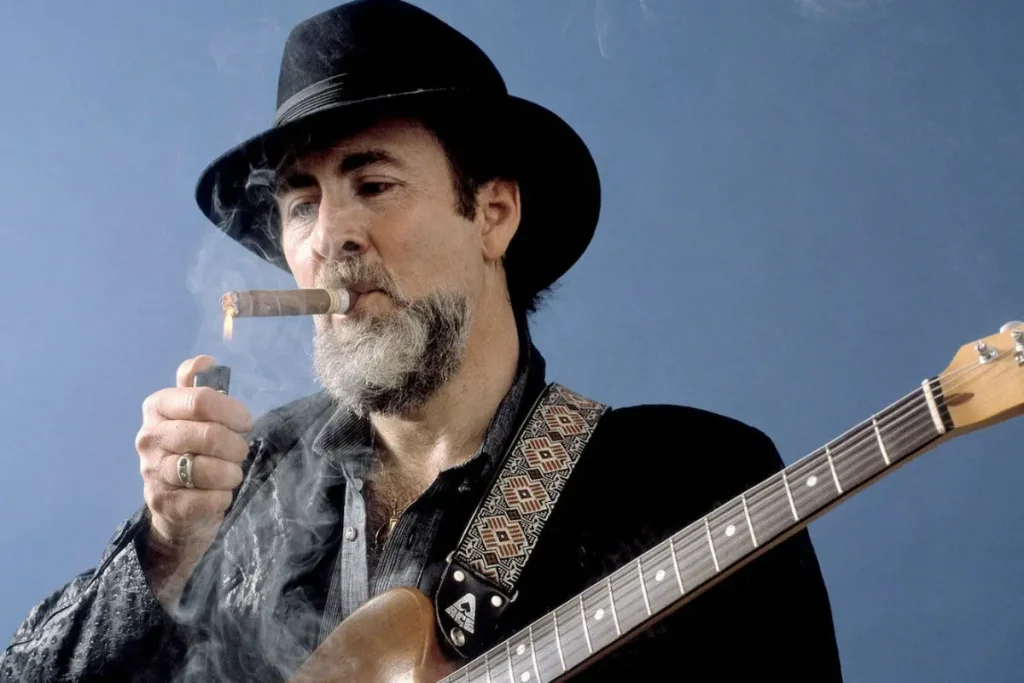
Roy Buchanan is one of those artists who makes you question the whole fame machine. Here’s a guitarist whose tone could sound like a human voice cracking mid-confession, who could go from churchy clean to nuclear overdrive without losing the melody, and who still spent huge stretches of his career as an almost-myth: “the best unknown guitarist in the world.” That phrase isn’t just fan folklore – PBS even titled a full documentary around it.
He’s also an uncomfortable reminder that greatness doesn’t automatically equal stardom. Buchanan’s story is the American music business in miniature: raw talent, regional scenes, brief industry spotlight, and long periods of being valued more by other musicians than by radio programmers.
The kid from Arkansas who learned to talk through strings
Buchanan was born in Ozark, Arkansas, and grew up with a mix of gospel, country, and the blues that traveled through the South and the Washington, D.C. area clubs he later worked. He didn’t become a “guitar hero” by chasing flash; he became one by chasing emotion. Even in basic bio summaries, the same truth keeps surfacing: Roy was primarily a player, and the guitar was his vocabulary.
One reason his playing still hits so hard is that it never sounds like practice. It sounds like a reaction – as if the band hits a chord and Roy answers with a full-body sentence.
Before the spotlight: sessions, road work, and almost-joining legends
By the time the wider world heard his name, Buchanan had already lived a working musician’s life: backing artists, playing clubs, taking sessions, and building a reputation in the mid-Atlantic circuit. This is the stage of a career that creates monsters: you learn to control volume, dynamics, and feel because you have to survive in unpredictable rooms, night after night.
That “working player” foundation is why Buchanan’s later recordings feel so unforced. His whole approach was less about stomping on pedals and more about hands, touch, and fearless control of feedback and sustain.
The breakout that didn’t behave like a breakout
Buchanan’s “arrival” wasn’t a standard pop narrative – no teen idol phase, no carefully managed image. Instead, his legend spread the old-fashioned way: musicians talking to musicians, record collectors and club-goers swapping stories, and television appearances that made guitar players sit up straight.
PBS’ American Masters treatment frames him as a high-level artist who remained outside the usual commercial lanes, which is exactly why his influence often feels underground rather than historical.
What made Roy sound like Roy (and why players still chase it)
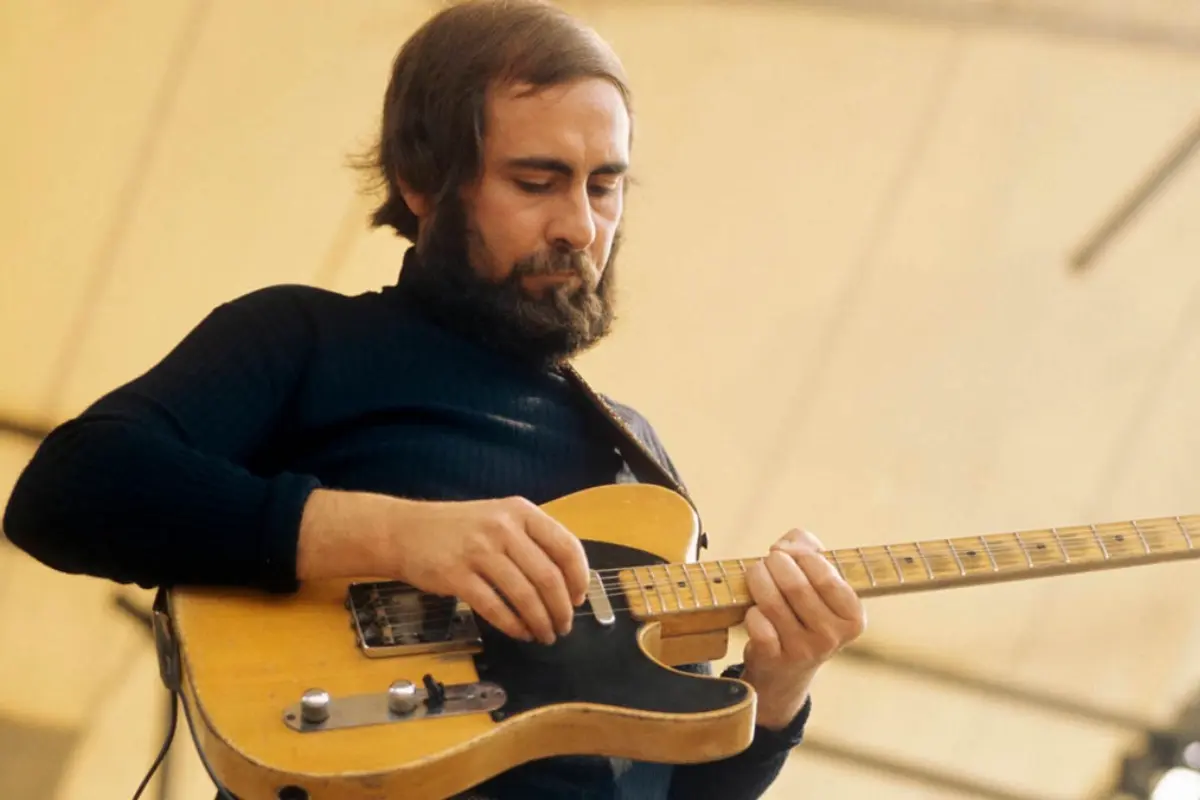
Plenty of guitarists have speed. Plenty have “taste.” Buchanan had something rarer: an instantly identifiable voice that could be sweet, cruel, or pleading in the same solo. His sound is tied to the Fender Telecaster mythos, but it’s not the gear alone – it’s his right-hand attack, his use of volume and tone controls, and the way he shapes notes like a singer shaping vowels.
Roy’s signature moves (in plain English)
- Explosive dynamics: whisper-to-scream phrasing that feels like drama, not volume.
- Vocal-like bends and vibrato: wide, controlled, and emotionally “in tune” even when it’s dirty.
- Controlled chaos: feedback and sustain used as musical color, not accident.
- Country-blues grammar: chicken-pickin’ snap meeting deep blues moan.
If you want a quick masterclass, widely shared live performances show how much of his sound is simply in the hands. You can hear the attack, the swells, and the way he makes a Telecaster bark and cry.
Revered by giants: Garcia’s praise and the musician’s-musician trap
Jerry Garcia once said Buchanan was “probably just the most original country-style rock and roll guitar player… He has the nicest tone… super fast. And much neglected.” That quote has survived because it rings true: Roy was admired at the highest level, but the mainstream never quite built a consistent home for him. A major canon list that includes Buchanan among notable guitarists reflects how firmly he’s lodged in the conversation among players and critics even when the general public can’t place him.
There’s a harsh lesson here: when other guitarists call you a genius, it doesn’t necessarily translate into hits. Sometimes it actually brands you as “too good for the room” – a compliment that can function like a commercial curse.
Albums, eras, and the problem of being hard to market
Buchanan’s catalog moves through blues, rock, soul, and country flavors without ever sounding like he’s wearing costumes. The challenge for labels and radio was that Roy didn’t fit a single reliable box. He could play greasy bar-band rock one minute and then turn around and deliver lines with the phrasing of a gospel singer.
For listeners exploring today, the best approach isn’t to ask “Which era is the real Roy?” The real Roy is the tension between refinement and danger. He sounds like a man who can control the instrument completely – and still chooses to let it teeter on the edge.
Start-here listening guide (scannable and practical)
| What you want to hear | What to play next | What to listen for |
|---|---|---|
| Telecaster crying, vocal phrasing | Live performances and signature slow blues moments | Volume swells, wide bends, note decay |
| Country-rock bite with speed | Up-tempo instrumentals | Hybrid picking feel, staccato snap |
| Soulful groove playing | Mid-tempo band cuts | Rhythm placement, dynamic control |
| Pure “guitar storytelling” | Extended live solos | How he builds tension without clichés |
The edgy truth: Roy Buchanan was too honest for the star system
Here’s the provocative claim that fits the evidence: Buchanan’s career didn’t stall because he lacked ability. It stalled because he wouldn’t flatten himself into a product. His music is intimate and unpredictable. He doesn’t sell invincibility – he sells vulnerability, sometimes in the same chorus as brute-force technique.
That’s also why his reputation keeps growing with age. In the streaming era, you don’t need radio’s permission to fall for a guitarist who sounds like he’s bleeding into the amplifier. You just need one clip, one solo, one moment that makes you say, “Wait – who is this?”
Late career visibility and the long tail of the legend
Buchanan’s name has remained active because live footage and reissues let new listeners “discover” him the same way old club audiences did: by hearing the sound first, then learning the name. Archival live recordings and uploads have become a second-stage career for artists like him, because the performance itself is the marketing.
His legend is also fueled by the way guitar culture talks.
A human story with a tragic ending
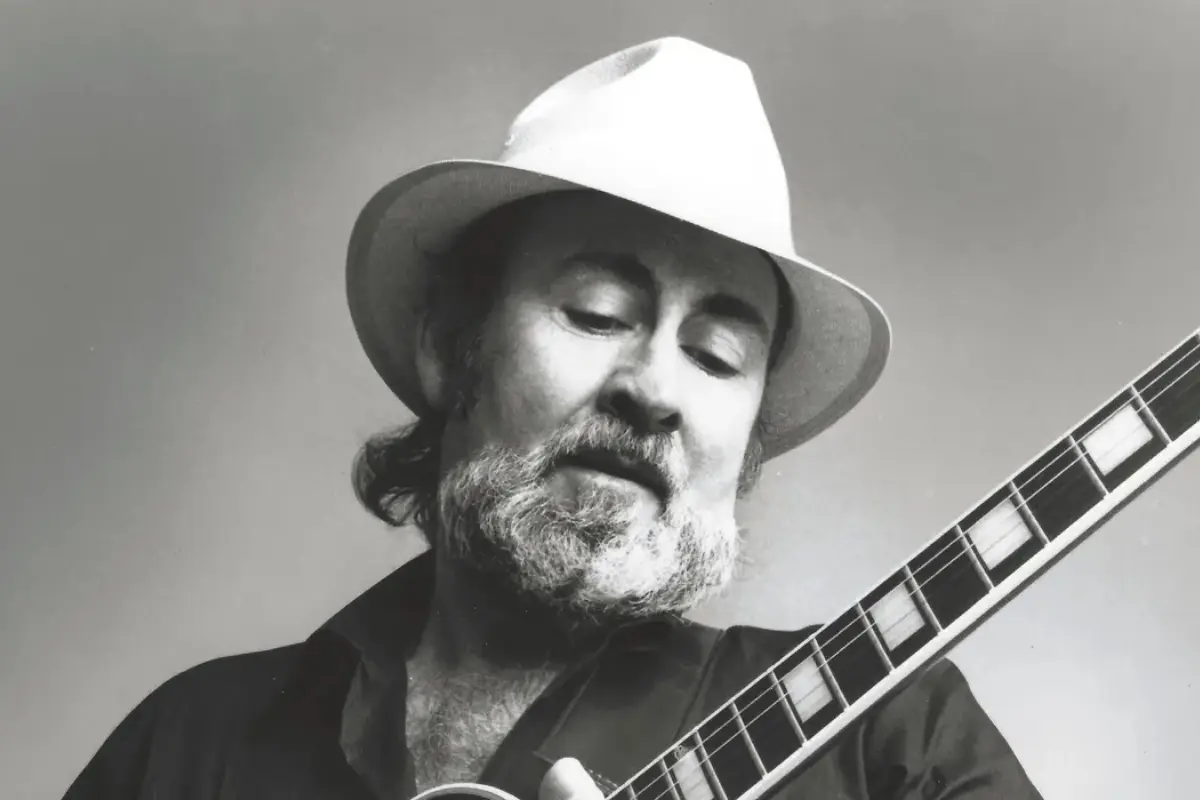
Buchanan died in 1988 at age 48 while in custody in Virginia, a death widely reported at the time and still debated in terms of circumstances and context. Rather than turn that into lurid myth, it’s more useful to recognize what it did culturally: it froze his story in the “what if” category, adding another layer to the idea that the world never fully got what he could have become.
Even a straightforward biography summary reflects the basic facts of his death and the abruptness with which his career ended.
How to hear Roy Buchanan like a musician (even if you’re not one)
If you only half-listen, Buchanan can sound like “a lot of notes.” If you listen like a musician, you hear something else: control. Roy shapes attack and silence as carefully as pitch. That’s why his phrasing survives trends in distortion, pedals, and modern production.
Three listening exercises that reveal the magic
- Follow the volume, not the notes: notice how he swells into phrases and backs off before a line lands.
- Listen to his endings: he resolves phrases like a singer finishing a lyric, not like a guitarist finishing a lick.
- Notice the “almost feedback” moments: he flirts with chaos and then pulls it back into melody.
“He’s probably just the most original country-style rock and roll guitar player… He has the nicest tone… And much neglected.”
Jerry Garcia (as quoted in Grateful Dead official feature)
Why Roy Buchanan still matters
Roy Buchanan matters because he proves that the electric guitar can still function like a confession. He fused blues pain, country snap, and rock power into a single voice, and he did it without hiding behind fashion. If you’ve ever felt like modern guitar playing is too polished, Roy is your antidote.
He wasn’t just “underrated.” He was a warning label: the music world often fails to reward the most emotionally honest players. But the upside is this: once you hear Buchanan, you don’t forget him.
Conclusion: Buchanan’s career is a paradox in the best way. He was famous among the people who knew what they were hearing, and obscure to everyone else. That gap is closing, one jaw-dropping solo at a time.


