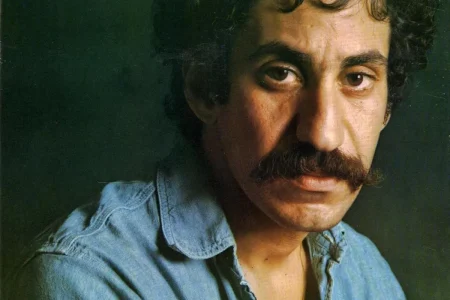
Jimi Hendrix is often sold as a meteor: brilliant, sudden, untouchable. But meteors come from somewhere. Before the Marshall stacks, the Monterey flames, and the London reinvention, there was a complicated father-son relationship that alternated between shelter and strain: Al Hendrix and his son, James Marshall “Jimi” Hendrix.
This isn’t a soft-focus “supportive dad” story. It is a story about poverty, custody fights, discipline, pride, and a legacy that turned personal grief into public business. If you want to understand why Hendrix played with both tenderness and violence, start with the household that taught him how to survive.
Who was Al Hendrix, really?
Al Hendrix (Al Hendrix, sometimes written as Al or “Al” Hendrix) was Jimi’s father and eventual legal guardian. He is widely credited with raising Jimi and his siblings in Seattle after a turbulent early childhood shaped by instability and separation. The basic arc of Jimi’s early life and family upheaval is summarized in the official biography.
Al is sometimes portrayed as strict, even difficult. That reputation has a context: Seattle’s working-class reality, a young family under stress, and the blunt survival logic of the era. If you grew up in mid-century America, you know the script: affection often came disguised as rules.
Early life: poverty, instability, and why it mattered
Jimi’s early years were not a steady climb toward genius; they were a scramble. Hendrix’s Seattle-rooted childhood and unstable family circumstances are emphasized in HistoryLink’s account.
That instability matters because it shaped the way Hendrix related to people: intensely, sometimes distrustfully, and often as if tomorrow was not guaranteed. When you hear the ache in “The Wind Cries Mary,” you are also hearing a kid who learned early that comfort can vanish.
Custody and guardianship: love with paperwork attached
Family life eventually involved formal decisions about who had legal control and responsibility. These details are often reduced to gossip, but they are central to the emotional stakes: being “raised by” someone can mean both protection and a loss of agency. Al Hendrix’s life and family role are outlined in The Guardian’s obituary coverage in a way that frames him as more than a footnote.

The guitar as a lifeline (and a battleground)
The most famous object in this relationship is not a photograph or a letter. It is a guitar. The origin story is often told as: the kid wanted it, the dad resisted, the kid persisted. That pattern mirrors a bigger truth: Jimi’s creativity did not arrive neatly packaged for adult approval.
Hendrix’s early development is frequently described as self-driven, obsessive, and physical. His early interest in music and the route out of Seattle into the professional circuit are covered in Biography.com’s overview.
It is tempting to romanticize this as destiny. A more honest read is grit: a teenager clinging to the one tool that could translate chaos into control.
Strictness vs. support: both can be true
Parents can be simultaneously limiting and essential. A strict home can push a musician to practice, but it can also push a musician to leave. Al’s style, by many accounts, leaned hard on discipline. If you have ever practiced quietly to avoid criticism, you understand how discipline can breed secrecy, and how secrecy can breed artistry.
“When the power of love overcomes the love of power, the world will know peace.”
Jimi Hendrix (commonly attributed quote) as listed by the official Jimi Hendrix biography site.
That quote is often used as a slogan, but it also reads like a private argument with authority. For Hendrix, “power” was not abstract. It was bosses, bandleaders, managers, and, yes, parents.
Distance, fame, and the emotional whiplash of success
As Hendrix’s career ignited, fatherhood turned into long-distance stewardship. A son becomes famous fast; a father is expected to understand faster. The timeline is a reminder that the Hendrix “era” was short, compressed, and brutal in its pace – something you can infer by looking at how quickly the public output stacked up in the formal record of the Hendrix orbit.
Here is the uncomfortable truth: in the music business, family bonds are often tested not by scandal, but by logistics. Who answers calls? Who signs forms? Who protects the artist when everyone else is selling access? In that world, “support” sometimes looks like control because the alternative is chaos.
Why the “control” narrative gets edgy
Fans love the idea that Hendrix was free. Reality: he was under contracts, schedules, and constant expectation. Al, like many parents, reportedly worried about the lifestyle and the people around Jimi. That worry can read as moralizing, but it can also be read as a parent seeing the cliff edge before the kid does.
Edgy claim, but fair: Hendrix’s myth of limitless freedom was partly built on a family story that never offered much freedom in the first place. When you grow up with tight constraints, rebellion becomes an identity.
After Jimi’s death: grief turns into an estate
When Hendrix died, the relationship between father and son didn’t end. It transformed into something colder: a legal and commercial legacy. This is where Al Hendrix’s role becomes historically consequential, not just biographical.
The Hendrix-related Washington State court record illustrates how legacy management can spill into litigation and formal rulings.
Even if you hate legal talk, the takeaway is simple: when an artist dies young, the people left behind inherit not just memories but intellectual property, brand value, and a thousand chances for conflict.
Experience Hendrix: the “family business” version of immortality
Experience Hendrix, L.L.C. is widely associated with managing Hendrix’s catalog and licensing, and the broader public narrative around what gets released, approved, and officially framed.
Stewardship sounds noble, and sometimes it is. But stewardship also means gatekeeping: deciding which unreleased recordings come out, which films get approved, which guitar companies get the blessing, and which stories become “official.”
Provocative but useful lens: Al Hendrix did not just outlive Jimi. In a real way, he outvoted him by becoming part of the machinery that defines what “Jimi Hendrix” means to the world.

The Seattle factor: a hometown that keeps pulling the story back
Seattle is not a backdrop; it is a character. And Al’s day-to-day reality in Seattle shaped the kind of childhood Hendrix had. Seattle’s municipal archives and digital collections are one reason local documentation culture keeps the Hendrix story unusually detailed and persistent.
It is also why the Hendrix story is frequently told with a civic pride edge: Seattle wants to claim him, and the family story is part of that claim. In some cities, legends float. In Seattle, they get filed.
Local memory vs. global icon
This matters for understanding Al. A father raising kids in a city that didn’t yet know it was raising a world icon will make decisions based on rent and reputation, not posterity. Many “harsh” choices look different when you remember they were made without a safety net.
What their relationship teaches musicians (and parents) today
If you’re a player, a parent, or both, the Hendrix family dynamic offers lessons that are more practical than inspirational.
3 lessons for musicians
- Your talent will not protect you from instability. Build routines that outlast drama.
- Freedom is negotiated. Learn contracts, publishing, and who controls your name early.
- Family influence doesn’t end when you leave home. It can return later through money, rights, and public narrative.
3 lessons for parents of artists
- Strictness can create skill, but also secrecy. Ask what your rules are teaching emotionally.
- Support isn’t always applause. Sometimes it is logistics, boundaries, and protecting time to practice.
- Legacy decisions are moral decisions. If your child becomes an icon, your choices will shape their story for strangers.
A quick relationship snapshot
| Phase | What was happening | What it meant for Jimi |
|---|---|---|
| Childhood | Instability, discipline, Seattle survival mode | Music becomes refuge and identity |
| Breakout years | Distance, fame, pressure, adult gatekeepers | Freedom feels urgent, time feels short |
| After death | Estate control, legacy stewardship, disputes | “Jimi” becomes both art and asset |
Conclusion: the myth needs the man, and the man had a father
The relationship between Al Hendrix and Jimi Hendrix was not tidy enough for a feel-good biopic. It was messy in the way real families are messy, especially under economic stress and sudden fame.
If you want the most honest takeaway, it is this: Al helped keep Jimi alive long enough to become Jimi. And after Jimi died, Al helped keep the name alive long enough to become a legacy. That double role is the uncomfortable engine behind the legend.