
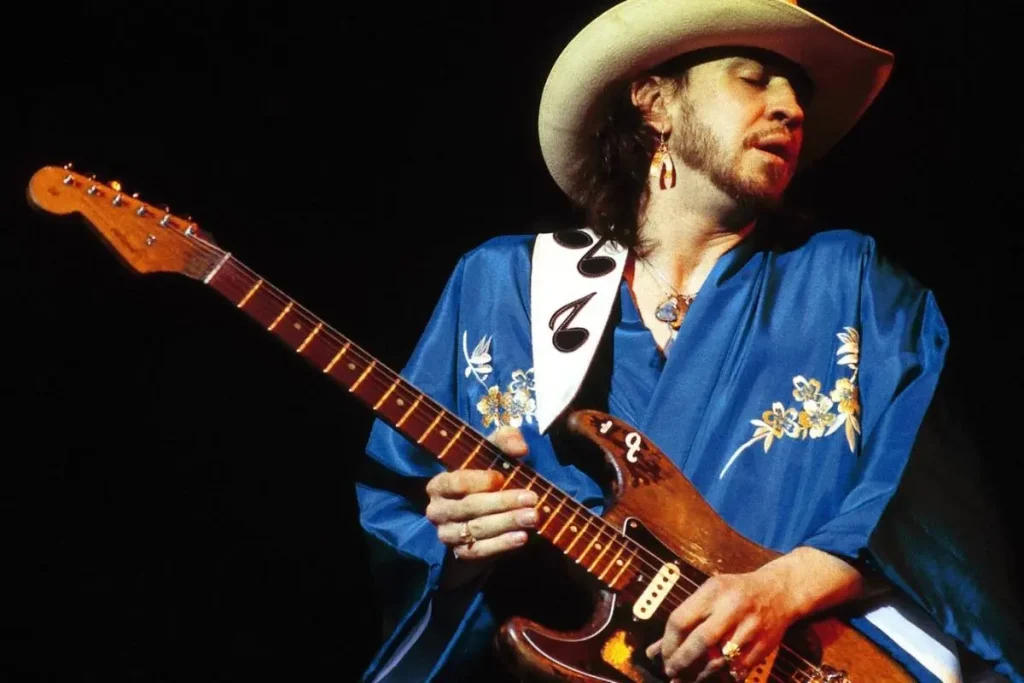
Stevie Ray Vaughan’s tone could peel paint, but his origin story starts with something quieter: a mother who treated live music like a family ritual. Martha Jean Vaughan was not a performer and didn’t need to be. She gave Stevie and his older brother Jimmie something arguably more powerful than lessons: a home where music mattered, and a parent who showed up.
It’s tempting to frame blues heroes as self-made lone wolves, born with lightning in their hands. Stevie’s life makes that myth feel lazy. The Dallas kid who became Texas’ loudest export came up with a mother who actively curated what he heard, where he went, and what he believed was possible.
Martha Jean Vaughan: the “non-musician” who acted like a producer
Most family biographies reduce parents to a sentence or two. In Stevie’s case, Martha is part of the plot, not a footnote. The early Dallas roots and career arc that took Vaughan from local bands to international acclaim ground the story in the city and family context that shaped him.
Martha wasn’t selling tickets or cutting records, but she was doing something similar to an A and R scout: exposing talent to influences early and often. When a kid hears great music live, close enough to feel the kick drum in the ribs, it stops being “entertainment” and starts looking like a life.
Dallas childhood: where the blues got personal
In postwar Dallas, blues and R and B moved through radio, jukeboxes, and touring packages. Stevie and Jimmie didn’t need a conservatory; they needed proximity. Family outings to shows by piano-and-groove architects like Fats Domino’s era-defining R&B sound meant the brothers absorbed rhythm as a physical thing, not a theory exercise.
This matters because blues guitar is often misunderstood as “feel” alone. The truth is more demanding: the best players are rhythmic obsessives who can swing hard without rushing. Hearing tight R and B bands early is like installing a metronome inside your chest.
Concert-going as a parenting style
Taking kids to shows is not a neutral choice. It tells them music is worthy of time, money, and attention. It also quietly teaches that musicians are workers, not magical creatures, and that a stage is a place you can earn your way onto.
“The blues is the roots and the other music is the fruits.” – Willie Dixon
Martha’s concert habit was a practical way of handing her sons the “roots” before they ever chased the “fruits.” That early immersion helps explain why Stevie, later on, could modernize blues-rock without sounding like he was borrowing someone else’s clothes.
Two brothers, one spark: why the same mom mattered twice
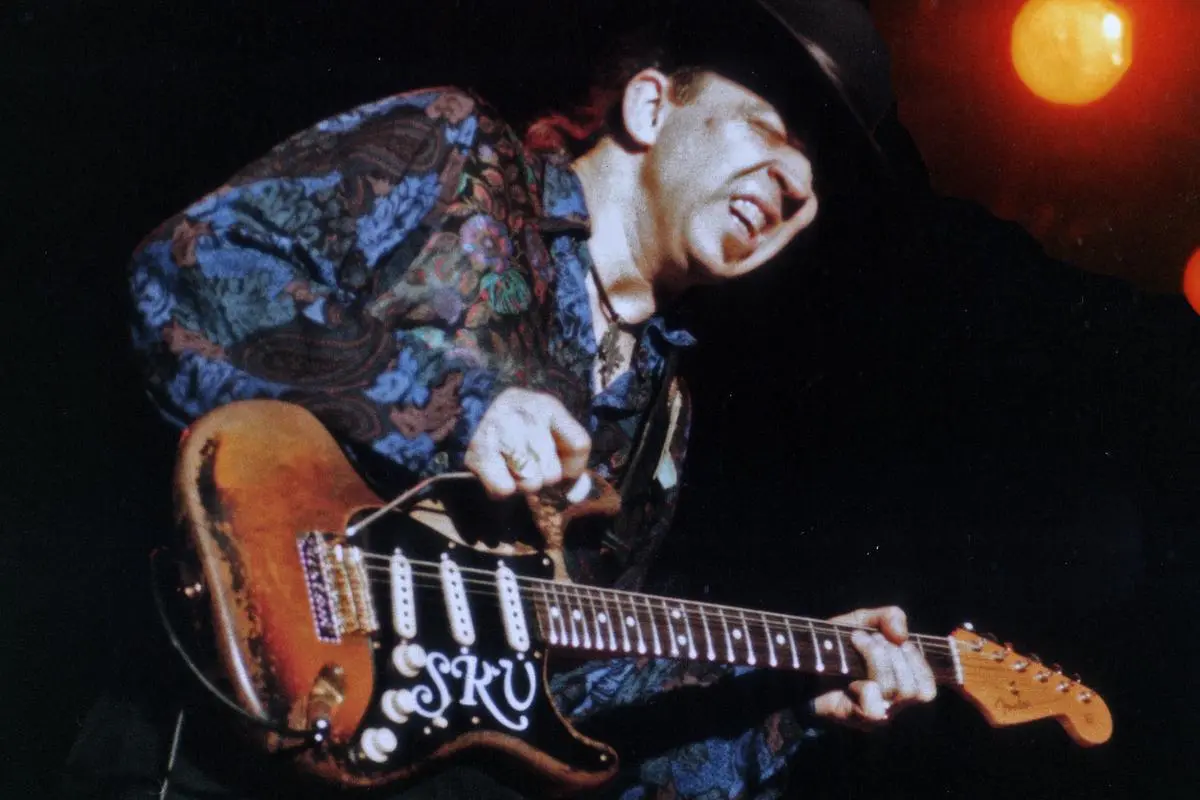
Stevie Ray Vaughan’s legend is huge, but it’s easy to forget that the Vaughan story is also a two-brother story. Jimmie was older and started playing first, and Stevie followed with a ferocious focus that eventually rewired the guitar conversation. Their shared upbringing and shared listening helped create a common musical language inside the family.
Even if siblings diverge stylistically, the first influences they share tend to shape their taste for life: what “good” sounds like, what “real” feels like, and what kinds of grooves are non-negotiable. A music-loving mother can be the invisible thread that keeps that taste coherent.
The “drop out and play” moment: support that’s rarer than talent
Many great musicians are talented. Far fewer are backed by steady family support when the decision gets risky. Stevie reportedly talked in interviews about his mother supporting him even when he chose music over school. Whether the details vary by telling, the broader point fits what we know about his early career: he went all-in early, and that kind of leap usually needs at least one adult who won’t shame you for it.
Here’s the edgy claim: raw talent doesn’t derail most potential careers; fear does. A parent who normalizes commitment is a cheat code. When you remove “What if I fail?” from a young player’s mental bandwidth, you make room for the brutal hours it takes to get truly great.
What support looks like in real life (not motivational posters)
- Letting obsession be “serious,” even if it’s loud and inconvenient.
- Not treating gigs as a phase you’ll grow out of.
- Helping a young musician stay functional while the dream is still broke and messy.
“An old soul in a young body”: myth, meaning, and why it resonates
The phrase “old soul” gets thrown around, but in Stevie’s case it lands because his playing carried emotional weight way beyond his years. The Cambridge Dictionary definition of “old soul” as someone who seems wise and mature for their age nails why the description sticks.
Attributing “an old soul in a young body” to Martha has the ring of a mother’s shorthand for something she couldn’t fully explain: why her kid sounded haunted, joyful, and exhausted all at once. In a family context, that kind of statement is less branding and more observation.
“An old soul in a young body.” – Martha Jean Vaughan (as commonly recalled in SRV lore)
Even if you treat the quote as a widely repeated anecdote rather than a formally documented line, it captures a truth listeners recognize instantly. Stevie didn’t just play notes; he played consequences.
After the crash: grief, facts, and the duty of legacy
Stevie Ray Vaughan died in a helicopter crash in 1990, a moment that froze his comeback narrative mid-sentence. The NTSB accident report documenting the crash near East Troy, Wisconsin, and its findings lays out the facts in official detail.
For families, tragedy often triggers a second job: managing memory. Martha Jean Vaughan is widely described as one of the keepers of Stevie’s legacy, appearing in tributes and supporting projects that treated his work with respect rather than exploitation.
What “keeping the legacy” actually involves
It’s not just attending ceremonies. It’s handling rights, approvals, narratives, and the constant pressure of other people wanting to take a piece of the story. The official Stevie Ray Vaughan website’s ongoing presentation of his career and catalog reflects that organized, long-term effort.
And for fans who want a deeper paper trail, the SRV Archive’s catalog of performances, memorabilia, and history is a long-running fan-driven documentation project built with painstaking detail.
Why Martha matters to musicians reading this (and not just SRV superfans)
If you play guitar, Martha’s role is more than sentimental. It’s instructional. Most players chase pedals, amps, and “the secret pickup.” Stevie’s real secret weapon, early on, may have been permission: permission to be consumed by music without apology.
That changes practice. That changes the willingness to fail publicly in clubs. That changes whether you keep going when you sound terrible for months, which is the entry fee for sounding great later.
Takeaways you can steal for your own musical life
| Martha-style influence | What it does to a young musician |
|---|---|
| Regular exposure to live music | Builds taste, timing, and ambition |
| Positive reinforcement of commitment | Reduces fear and increases practice hours |
| Respect for roots artists | Keeps your playing grounded and authentic |
| Guarding legacy after loss | Protects meaning from becoming a cash grab |
The uncomfortable truth: the blues “authenticity” story often ignores moms
Blues storytelling sometimes fetishizes suffering and solitude. It praises the hard road so much that it forgets the people who made survival possible. That’s not just unfair; it’s inaccurate history.
Stevie’s biography is full of grit, addiction, recovery, and relentless touring. But it’s also full of family gravity. A parent who loves music can shape a musician’s identity as strongly as any club owner, bandmate, or producer.
Conclusion: Stevie’s fire, Martha’s oxygen
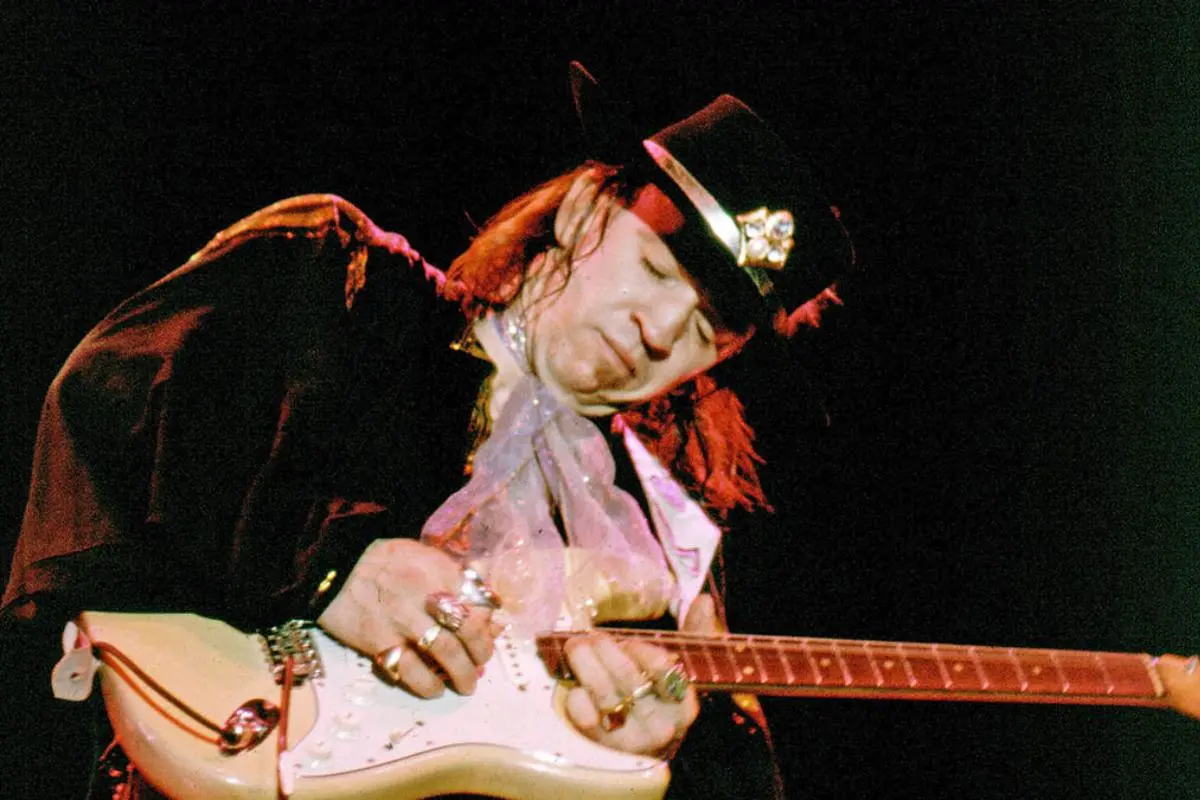
Stevie Ray Vaughan was a once-in-a-generation guitarist, but he wasn’t born in a vacuum. Martha Jean Vaughan’s love of music, her decision to bring her boys into the orbit of live performers, and her steady backing when the path got risky helped form the conditions where greatness could happen.
When people say Stevie played like he had “an old soul,” they’re usually describing what they hear in his bends and vibrato. But the deeper story is that someone at home heard it first, believed it, and kept showing up.


