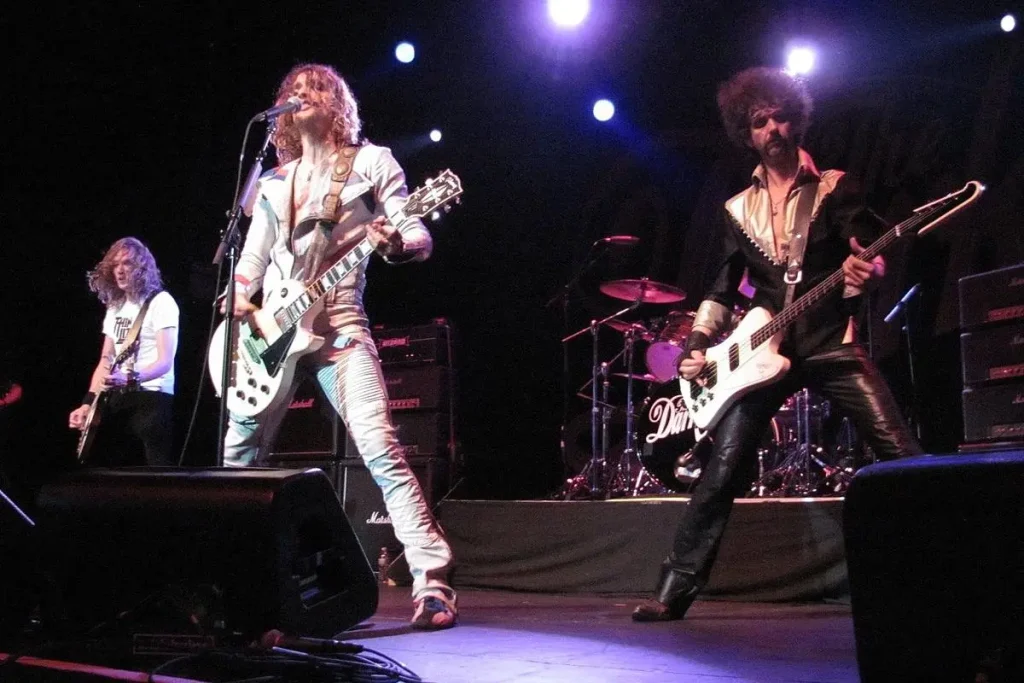
Some songs don’t just become hits – they become instructions. Sweet’s 1972 single “Wig-Wam Bam” is one of those records: a tight, bright burst of glam rock that taught a generation how to turn three minutes into a party, a pose, and a punchline all at once. It peaked at No. 16 on the UK Singles Chart, but its real achievement was bigger than its peak position: it helped codify the early-70s glam formula of stomp, sparkle, and sing-along menace.
And yes, the title hook is nonsense. That’s the point. Glam was never shy about being “too much”, and “Wig-Wam Bam” doesn’t apologize for being a chant-first, plot-later slice of pop-rock. If rock purists wanted sincerity, Sweet happily sold them glitter instead.
The basics: what “Wig-Wam Bam” is (and why it worked)
“Wig-Wam Bam” was written by the hitmaking team Nicky Chinn and Mike Chapman, the same songwriters-producers who engineered a huge chunk of early-70s UK pop-rock. Sweet, still early in their arc, delivered it with a bar-band tightness wrapped in teen-magazine sheen.
Chart-wise, it’s not a “No. 1 or nothing” story. The Official Charts song page confirms its UK peak and locks the record into that fertile 1972 moment when glam was hardening into a mainstream sound.
A glam trick that’s older than it sounds
Chants are ancient, but glam turned them into mass-market ammunition. That repeated “wig-wam bam” refrain is basically a football terrace hook disguised as pop. It invites participation from the first spin, which is why it played so well with younger audiences who didn’t need to “get” the lyrics to get the energy.
“Glam rock… combined a hard rock sound with outrageous fashion.”
Glam rock… combined a hard rock sound with outrageous fashion
That simple description fits “Wig-Wam Bam” like a platform boot. Musically it leans on rock muscle; culturally it’s theatre, attitude, and a little cheeky chaos.
Inside the song: the parts that make it addictive
Call it bubblegum with a backbeat, but don’t confuse “simple” with “accidental.” The record is built from reliable dopamine triggers: a driving rhythm section, bright guitar punctuation, and vocal lines that feel like they’re smiling while they shove you toward the chorus.
1) The groove: straight-ahead, no excuses
Glam’s secret weapon is the stomp. “Wig-Wam Bam” rides a steady, danceable pulse that keeps the band locked together and the listener nodding. It’s the kind of groove that doesn’t require taste, context, or patience – it just works.
2) The hook: a slogan masquerading as a chorus
The title chant functions like branding. It’s short, percussive, and easy to remember after one listen, which is why it’s still the bit people shout when the song shows up in a compilation or a pub jukebox.
3) The vocal: playful, slightly dangerous
Sweet’s vocal delivery here sits in a sweet spot (sorry): confident without being macho, flirtatious without being tender. It’s a performance designed to feel like a wink, not a confession. If you want the exact lines in front of you, the lyric sheet captures the song’s flirt-and-fantasy framing.
Chinn and Chapman: the “factory” that made glam feel explosive
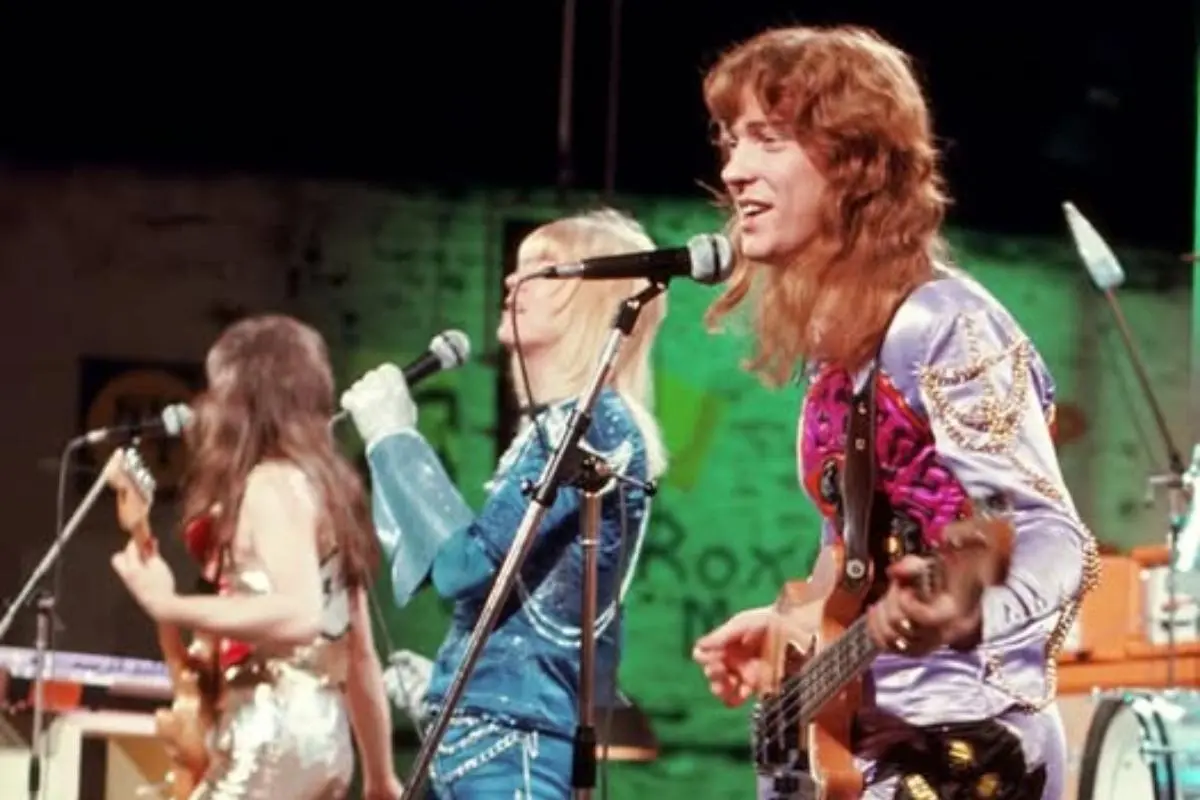
When people say early Sweet was “manufactured,” they’re not entirely wrong – and they’re also missing why it mattered. Chinn and Chapman were specialists in turning rough rock attitude into pop precision, and their partnership is repeatedly credited with shaping the era’s hit sound.
The edgy take is this: “Wig-Wam Bam” is proof that authenticity isn’t a prerequisite for impact. Glam rock often treated “realness” as optional, and that was liberating. You could be loud, glittery, and a little fake – and still be thrilling.
How the song feels like a product (in a good way)
- Instant premise: the title is the hook, and the hook is the identity.
- No wasted sections: every part exists to launch you back into the refrain.
- Teen-friendly edge: suggestive energy without going explicit.
The glam rock context: why 1972 was the perfect launchpad
“Wig-Wam Bam” lands right as glam becomes a mainstream visual and sonic phenomenon. This matters because glam wasn’t only a music style; it was a permission slip to be theatrical. The look sold the sound, and the sound sold the look.
Serious rock critics sometimes treated this as a downgrade from late-60s “meaning,” but the audience didn’t care. Glam’s job was to feel good and look better doing it.
Quick glam checklist (and how “Wig-Wam Bam” ticks it)
| Glam ingredient | What it does | Where you hear it in “Wig-Wam Bam” |
|---|---|---|
| Chant hook | Turns listeners into a crowd | The title refrain |
| Stomp beat | Makes it danceable and physical | Verse-to-chorus drive |
| Bright guitars | Keeps it sharp, not sugary | Rhythm stabs and fills |
| Playful lyrics | Flirtation without seriousness | Light innuendo and swagger |
Gear and arrangement notes: how to get that early-70s Sweet punch
If you’re a guitarist or bandleader trying to capture this vibe, don’t overthink it. The tone is less about boutique detail and more about clarity with attitude: crunchy rhythm guitar that stays articulate, drums that hit firmly but don’t sprawl, and vocals stacked to sound like a gang.
Practical tips (cover band or home studio)
- Guitars: aim for medium gain with plenty of top-end presence. Let the rhythm chug be the engine.
- Drums: prioritize a tight kick-snare pattern. Keep fills short so the chorus feels bigger by contrast.
- Vocals: double key phrases and gang the chorus. Glam is communal by design.
- Mix: push the chorus slightly louder via arrangement, not heavy limiting. The hook should feel like it steps forward.
Release details and where it sits in Sweet’s catalog
For collectors, “Wig-Wam Bam” is part of that early Sweet run where the band’s identity was still crystallizing: big choruses, sharp suits, and a growing bite underneath. Reference discographies and release documentation are useful here, but many databases block automated access; for an accessible snapshot of credits, release context, and chart performance, discographies and release documentation remain a handy starting point.
Was it a “massive hit”?
In pure chart terms, No. 16 is strong but not dominant. In cultural terms, it landed like a flare: a record that broadcast Sweet’s glam credentials and set the stage for bigger moments to come.
Performance and legacy: why it still shows up
Part of “Wig-Wam Bam”’s staying power is that it’s built for performance. Even if you’ve never seen Sweet live, you can hear the live logic: the chant gives a crowd something to do, and the tempo keeps momentum high.
Modern platforms keep that energy circulating. The song’s presence on major streaming services makes it perpetually discoverable, which is one reason glam staples keep recruiting new fans who weren’t even born when the glitter first fell; it’s still discussed as a breakthrough hit “Wig-Wam Bam” moment in the band’s story.
It also remains a common reference point in retrospectives about Sweet’s breakthrough era. Pop radio write-ups still frame it as a key early step in the band’s rise, even when later singles overshadow it commercially.
The provocative claim: “Wig-Wam Bam” is smarter than it pretends to be
Here’s the fun heresy: the song’s “dumb” hook is actually an efficient piece of songwriting engineering. By stripping the chorus down to pure sound and rhythm, it bypasses meaning and goes straight to memory. That’s not a failure of art; it’s a different kind of craft.
And glam rock, at its best, is full of this trickery: dressing up sturdy pop construction as decadent noise. If you’ve ever sung along to “Wig-Wam Bam” against your better judgment, congratulations – the blueprint worked.
Conclusion: the glittering gateway drug
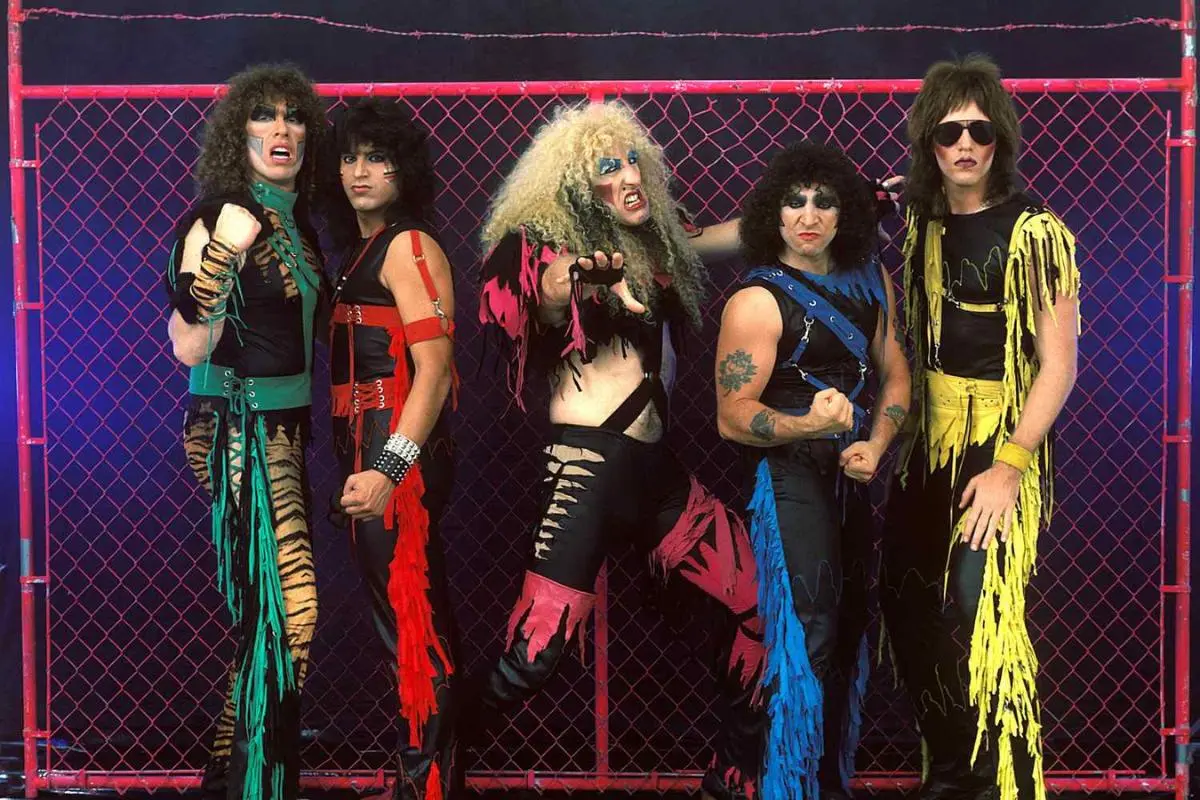
“Wig-Wam Bam” doesn’t need to be Sweet’s biggest hit to be one of their most revealing singles. It captures the moment glam rock stopped being a novelty and started becoming a system: hook-heavy, beat-driven, and shamelessly fun. For players, producers, and fans, it’s still a masterclass in how to make rock feel like a celebration you can’t quite control.