
Some rock songs arrive like lightning: calculated, arranged, rehearsed, defended. “Black Hole Sun” did not.
Chris Cornell has said the title came from mishearing something on TV, a phrase that landed in his head with that weird, half-dream logic only great hooks have. The punchline is that he nearly rejected it as “too corny” anyway, which is exactly the kind of self-sabotage artists do right before the universe hands them a career-defining anthem. The result: Soundgarden’s most mainstream single and one of the signature recordings of the 1990s.
“I got the title from hearing a news anchor on TV… I misheard him.” – Chris Cornell, quoted by The Current.
The misheard phrase that became a hook you can’t unhear
Mishearing lyrics is a pastime, but mishearing a news anchor and turning it into pop mythology is next-level. Cornell described the phrase popping out of everyday noise, then becoming a kind of seed crystal for melody and mood.
This origin story matters because it explains why “Black Hole Sun” feels like a slogan from a nightmare commercial: familiar language, wrong in a way that’s fascinating. It also fits Cornell’s writing habit of letting sound lead meaning rather than starting with a clean narrative.
Why “black hole sun” works as pure language
The phrase is physically impossible, which makes it instantly symbolic. A “black hole” implies collapse and gravity; a “sun” implies warmth and life. Put them together and you get a poetic contradiction that begs for interpretation, the kind of title that makes listeners project their own movie onto the song, as even basic background summaries of the track and its context make clear.
That ambiguity became a feature, not a bug. It let the track hit hard for people who wanted “end-times” grunge, and also for people who just wanted a massive chorus with a sweet melody.
Cornell’s “too corny” alarm bell (and why it was wrong)
Cornell wasn’t shy about second-guessing himself, and “Black Hole Sun” triggered the internal cringe meter. Multiple accounts of his own comments emphasize that he worried the phrase might be cheesy and almost didn’t develop it, a detail often repeated in retellings of the song’s backstory.
That’s the irony: the same thing that can sound corny on paper can sound hypnotic when married to the right chords and a vocal that sells every syllable. Rock history is littered with “stupid” phrases made immortal by conviction. Cornell had conviction in bulk.
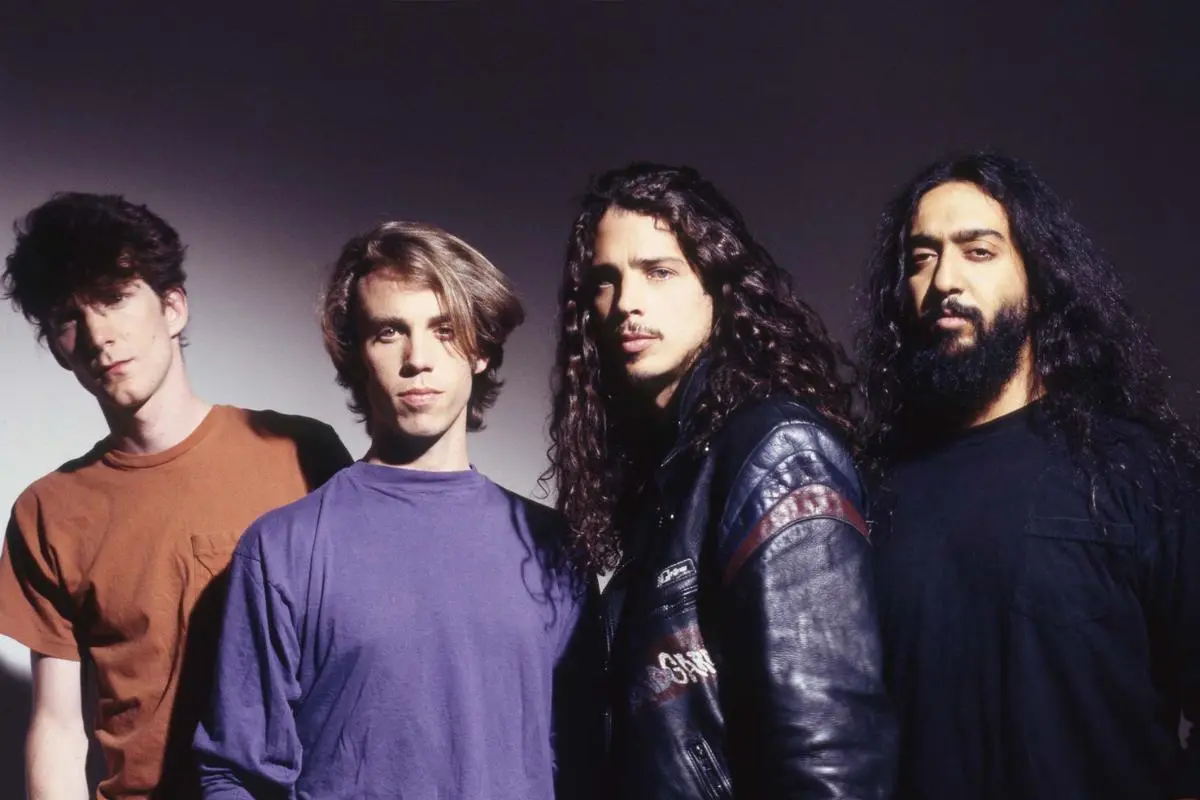
Edgy take: rock audiences say they hate corn, then binge it
We pretend we want authenticity only, but arena-sized rock has always been a careful blend of sincerity and theatricality. “Black Hole Sun” is theatrical as hell, and it works because Soundgarden doesn’t wink. The band plays it like it’s scripture.
How the music turns surreal words into something universal
Even if you never decipher the lyric, the song communicates. It’s a masterclass in building unease with pretty materials: major-ish colors that still feel haunted, a slow drag of tempo, and a melody that sounds like it’s been around forever.
Signature ingredients you can hear without being a theory nerd
- Chords that feel familiar but don’t behave – the progression moves in a way that keeps the listener slightly off balance.
- A chorus that opens like a garage door to the sky – the vocal line lifts while the band keeps it heavy.
- Guitar layers that smear rather than sparkle – texture first, “riff” second.
Soundgarden’s broader identity was always about tension: pretty versus brutal, classic rock craft versus punk abrasion. “Black Hole Sun” is that identity distilled, which is why it could cross over without sounding like the band was chasing pop.
From weird experiment to mainstream monster
“Black Hole Sun” appears on Superunknown, the 1994 album that pushed Soundgarden from heavy-cult status into true mass recognition – status you can see reflected in its chart footprint over time.
The track’s mainstream reach wasn’t an accident of marketing alone. It’s built like a pop single in disguise: unforgettable title, repeatable chorus, and a vocal melody that’s almost soothing, even when the words get apocalyptic.
Chart and award proof that the gamble paid off
The song’s profile is reflected in its presence on national charts and long-tail radio formats, where it became a staple rather than a moment.
It also earned major industry recognition: Soundgarden won Best Hard Rock Performance at the 37th Grammy Awards, cementing the track’s status beyond alternative circles.
The video: nightmare suburbia as pop culture delivery system
If the song was the hook, the music video was the trap. The clip’s warped, sun-baked Americana turned “Black Hole Sun” into something MTV couldn’t ignore: grotesque smiles, uncanny slow motion, and a vibe that felt like satire and prophecy at the same time in the official music video.
Importantly, the video didn’t explain the song so much as amplify its dream logic. That made the track feel bigger, like it came with its own universe.
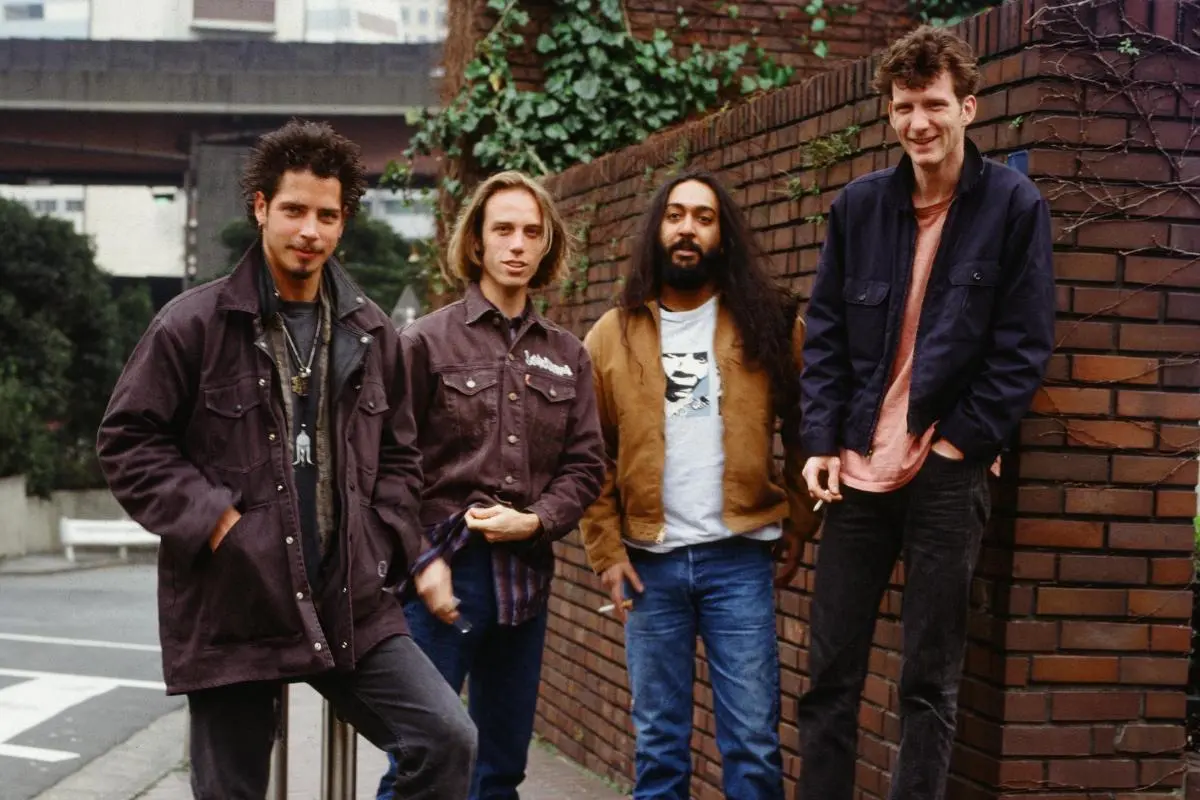
What the lyric is (and isn’t): Cornell’s approach to meaning
Part of the song’s longevity is that it refuses to settle into one message. Cornell’s writing often used strong images and emotional weather rather than literal plot, which encourages listeners to “solve” it repeatedly across decades.
Some fans hear social rot. Others hear personal depression. Others hear psychedelic nonsense. The truth is probably closer to: a phrase, a mood, a melody, and an artist letting the subconscious do the heavy lifting – something you can track line-by-line in the annotated lyrics.
| Common interpretation | What supports it | Why it keeps working |
|---|---|---|
| Apocalyptic cleansing | “Wash away the rain” imagery | Big chorus feels like a ritual |
| Depression and numbness | Dreamlike repetition and fatigue | Melody is comforting but heavy |
| Satire of sunny culture | Video’s uncanny suburbia | Makes the darkness feel oddly familiar |
Songwriting lesson: accidents are raw material, not the finished product
It’s tempting to romanticize the “misheard TV line” as if the whole song fell from the sky complete. The more useful takeaway is that Cornell treated the accident as a starting pistol, then did the craft: melody, structure, and ruthless commitment to mood.
Try this: the “wrong phrase” method
- Write down five phrases you misheard this week (ads, news, conversations).
- Pick the one that feels most wrong-but-catchy.
- Sing it on one note, then let your voice naturally rise and fall.
- Only after you have a chorus, start worrying about verses and meaning.
The uncomfortable truth is that many great songs begin as nonsense. The difference between nonsense and “defining anthem” is whether the writer has the nerve to keep going after the first wave of embarrassment.
Credits and catalog facts (the unsexy part that matters)
Industry databases confirm the song’s writer credit and help separate myth from record-keeping. For example, reputable album retrospectives also underline the track’s place in the broader story of Superunknown, which aligns with the longstanding accounts of its origin.
Release and format details also show how quickly the track became a central product rather than a deep cut, with commercial single configurations and widespread distribution in the mid-1990s physical market – something that’s consistent with how Cornell discussed his era in long-form conversation, including extended interviews about his work and process.
Why it still hits decades later
“Black Hole Sun” survives because it’s both simple and strange. You can sing it after one listen, but you can’t quite pin it down, and that combination is rare.
It’s also a reminder that artists are famously bad judges of what will connect. Cornell thought the title might be corny; the world heard a modern standard. Sometimes your inner critic is not protecting you. Sometimes it’s just afraid of being seen.
“In my mind it was too corny.” – Chris Cornell, as paraphrased in multiple interviews and retrospectives.
Conclusion
“Black Hole Sun” wasn’t engineered in a boardroom or reverse-engineered from a trend. It started as a misheard scrap of language, survived its writer’s doubts, and then detonated because Soundgarden treated the weirdness like a cathedral hymn.
If there’s a moral, it’s this: when a phrase sticks to your brain, don’t dismiss it because it sounds “too much.” “Too much” is often where the classics live.