
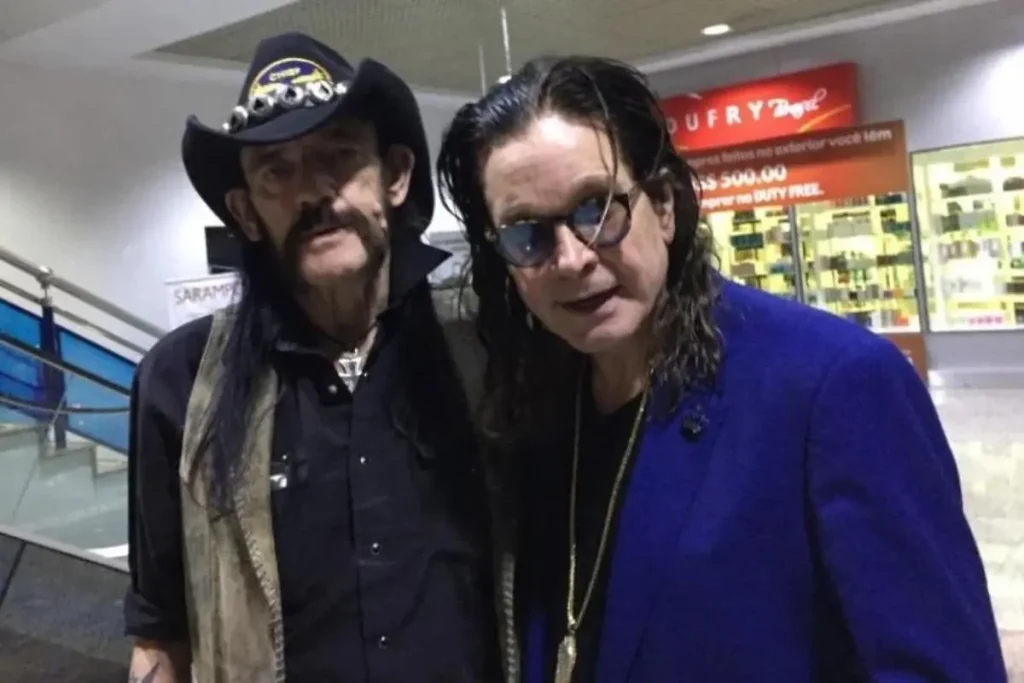
Ozzy Osbourne and Lemmy Kilmister are both famous for living like tomorrow was optional. The surprise is not that they became friends, but that their bond produced some of Ozzy’s most human music, including a ballad that still blindsides hard rock fans.
Think of this as heavy metal’s strangest relationship lesson: the guy who sang Ace of Spades helped the Prince of Darkness say “I’m sorry,” “I miss you,” and “I’m coming home,” without turning it into syrup. Their friendship was loud, loyal, and often ridiculous, but it was also built on craft.
- Wild: tour downtime, drugs, and brutal honesty
- Real: songwriting help that changed Ozzy’s biggest album of the 90s
- Lasting: tributes and final phone calls that hit harder than any riff
Tour buddies and bad influences (until they weren’t)
Ozzy and Lemmy understood each other because they came from the same ecosystem: working-class UK rock’n’roll, equal parts humor and self-destruction. When your “normal” involves flights, backstage chaos, and the constant temptation to turn every night into a legend, you tend to bond fast.
Ozzy once described a stretch of downtime where he and Lemmy basically spent a week on cocaine, until Lemmy took one look at him and (in classic deadpan fashion) hoped he didn’t look that bad himself, which pushed Ozzy to cancel shows. In that same recollection, Ozzy painted Lemmy as far sharper than his public image and described his home as a war-museum-like stash of WWII militaria, including controversial Nazi items Ozzy said he’d even brought him from the road.
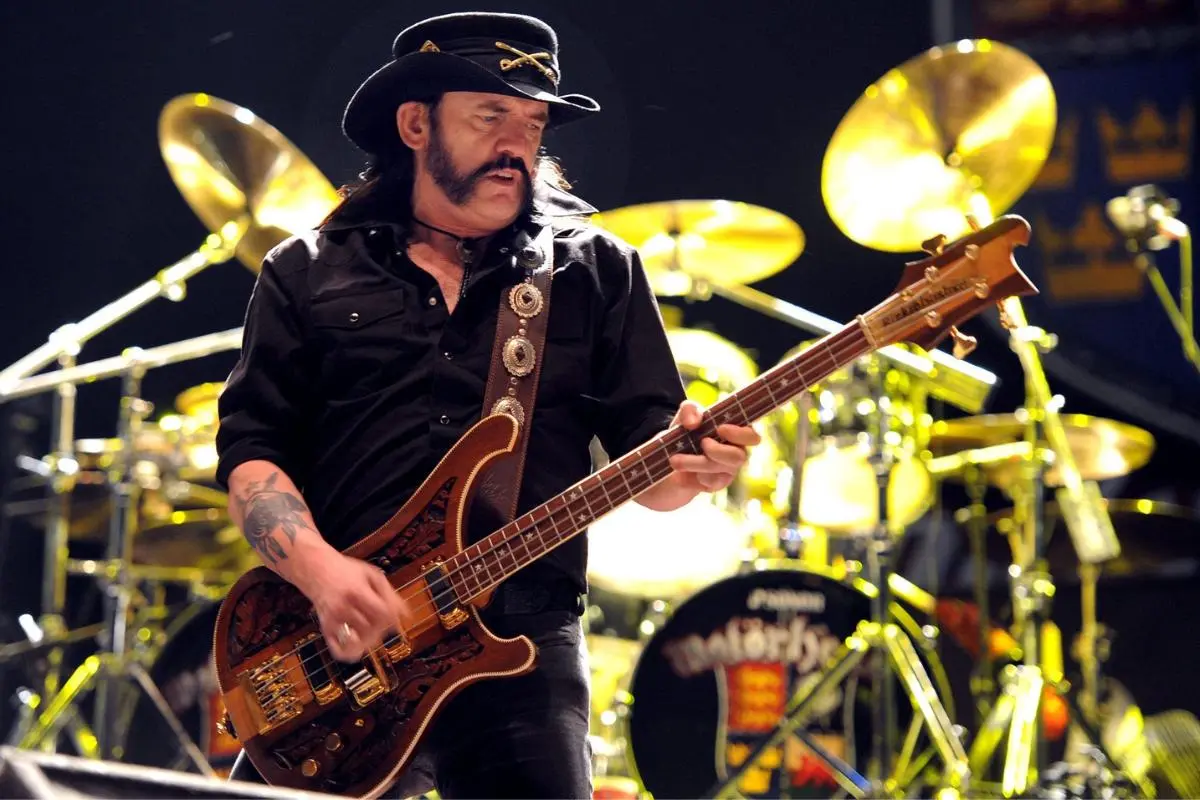
The uncomfortable truth: Lemmy could party, but he could also judge
That second part is the secret sauce. Plenty of rock friendships are built on enabling, but Lemmy’s version of loyalty often came with a raised eyebrow and a one-line verdict.
For Ozzy, that mattered because he didn’t need another cheerleader. He needed a peer who could look at the wreckage, laugh, and still say “enough” when “fun” tipped into “stupid.”
Lemmy the lyric doctor: four hours, four songs, zero excuses
When Ozzy hit the No More Tears era, he was still overflowing with melodies and attitude, but he admitted he’d get stuck finishing lyrics. Sharon approached Lemmy to help, and Ozzy handed him ideas plus a World War II book, expecting a long wait.
Lemmy’s response was pure professional chaos: come back in four hours. He had multiple lyric drafts ready and ultimately wrote lyrics for four songs on the album, and Ozzy later returned the favor by guesting on Motörhead’s acoustic ballad I Ain’t No Nice Guy, as recalled in this look back at Lemmy’s collaboration on No More Tears.
| Ozzy track | Lemmy’s contribution | The relationship clue |
|---|---|---|
| Desire | Lyrics with street-level bluntness | Lemmy could write “sexy” without sounding fake |
| I Don’t Want to Change the World | Lyrics built on punchlines and defiance | He understood Ozzy’s humor, not just his darkness |
| Hellraiser | Lyrics made for shouting in arenas | They wrote like tour mates who knew what crowds want |
| Mama I’m Coming Home | Lyrics that land like a confession | Lemmy was trusted with Ozzy’s most vulnerable moment |
Why Lemmy’s words worked on Ozzy (and why that should annoy you)
Here’s the provocative part: Lemmy wasn’t a “guest writer.” In practice, he was a translator, turning Ozzy’s chaos into clean, singable English that still sounded like Ozzy.
If that bothers you, good. Rock culture loves the myth of the lone genius, but Ozzy’s best work has always been a team sport, and Lemmy was one of the smartest players on the field.
Steal Lemmy’s lyric habits
- Write like you talk: short sentences, hard consonants, no fancy poetry.
- Let the chorus do the explaining: verses can be messy, but the hook must be crystal-clear.
- Keep one “dark joke” line: it stops a serious song from becoming self-pity.
- Respect the singer’s mouth: if it’s not fun to say, it won’t be fun to sing.
The love song twist: “Mama” isn’t his mother
Ozzy has said people often assume Mama I’m Coming Home is about his mom, but it’s actually aimed at Sharon, who he calls “Mama.” In Ozzy’s own telling of the song’s origin, he also credited Lemmy with writing the lyrics in just a few hours, offering options until you pick your favorite.
That’s why the song hits even if you’ve never owned a leather jacket in your life. It doesn’t beg for forgiveness with flowery language; it admits failure, then shows up anyway.
For players: the arrangement leaves space for the apology
- The tempo sits in a comfortable mid-paced pocket, so the vocal can feel conversational.
- The guitar parts stay supportive through the verses, then open up as the chorus lands.
- The melody is built for group singing, which makes a private confession feel public and universal.
Hellraiser: when friendship becomes canon
Of course, their collaboration wasn’t all tenderness. The co-written Hellraiser is the sound of two lifers turning their lifestyle into a chant, and decades later it was literally reanimated as an official animated-video duet tribute to their friendship.
Musically, it’s a reminder that “anthem” is a craft, not an accident. The riff is simple enough to remember after one listen, and the lyric is basically a mission statement for anyone who ever lived too fast and still showed up for work.
The last call: Ozzy speaking to Lemmy on the morning he died
Friendships like this always end the same way: too soon, too messy, and never with the perfect goodbye. Ozzy later revealed he was talking to Lemmy on the morning he died, but couldn’t understand what he was saying and kept trying to get someone else on the phone.
It’s heartbreaking precisely because it’s ordinary. Even rock icons don’t get a cinematic final scene, just a bad phone connection and a silence that arrives anyway.

Lemmy’s side of the partnership: a title, a tape, and a punchline
Lemmy once explained his method in plain terms: Ozzy sent a tape, Lemmy used the title as the starting point, and he wrote around it because that’s how he wrote Motörhead songs too. Later, when an interviewer called Mama I’m Coming Home Ozzy’s most personal song, Ozzy’s answer was the perfect punchline—one he revisited when he picked his favourite Ozzy Osbourne song: Lemmy wrote it.
That exchange is the whole relationship in miniature. Ozzy was secure enough to share credit, and Lemmy was confident enough to stay in the background while still shaping the emotional core.
What musicians can learn from the Ozzy-Lemmy friendship
- Find a truth-teller, not a hype man: the best friends improve your work and your judgment.
- Separate persona from message: you can be “the Prince of Darkness” and still write like a husband.
- Outsource the thing you’re weak at: melody people need lyric people, and vice versa.
- Make it singable first: clever is useless if the crowd can’t shout it back.
- Keep the humor: metal takes itself seriously, but the legends rarely do.
- Leave a paper trail: if you co-write, credit it, split it, and celebrate it.
Ozzy and Lemmy didn’t have a polite friendship. They had the better kind: one that could survive bad habits, brutal honesty, and creative collaboration without turning into ego warfare. And if Lemmy could help write Ozzy’s most heartfelt moment, maybe heavy metal has always been more emotionally honest than its reputation ever allowed.


