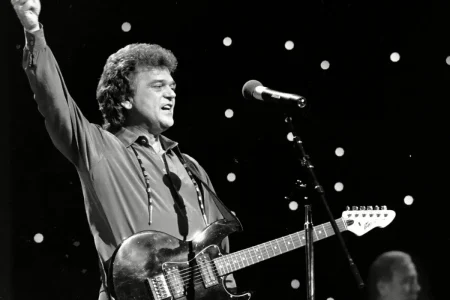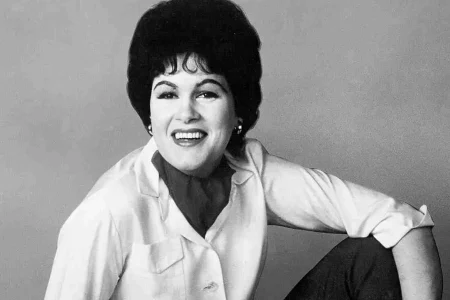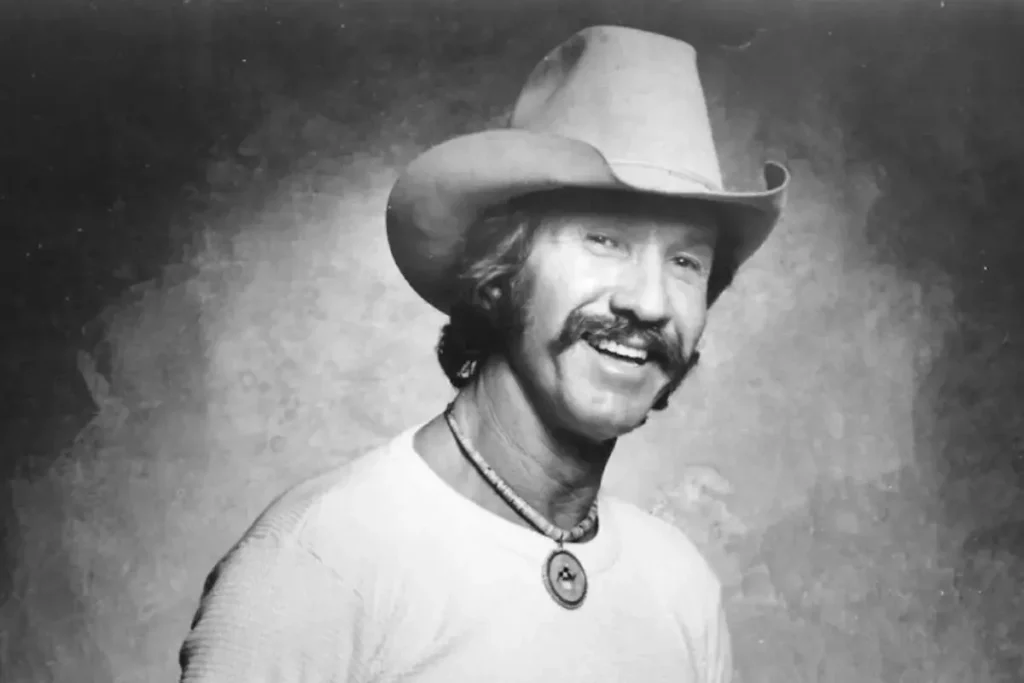
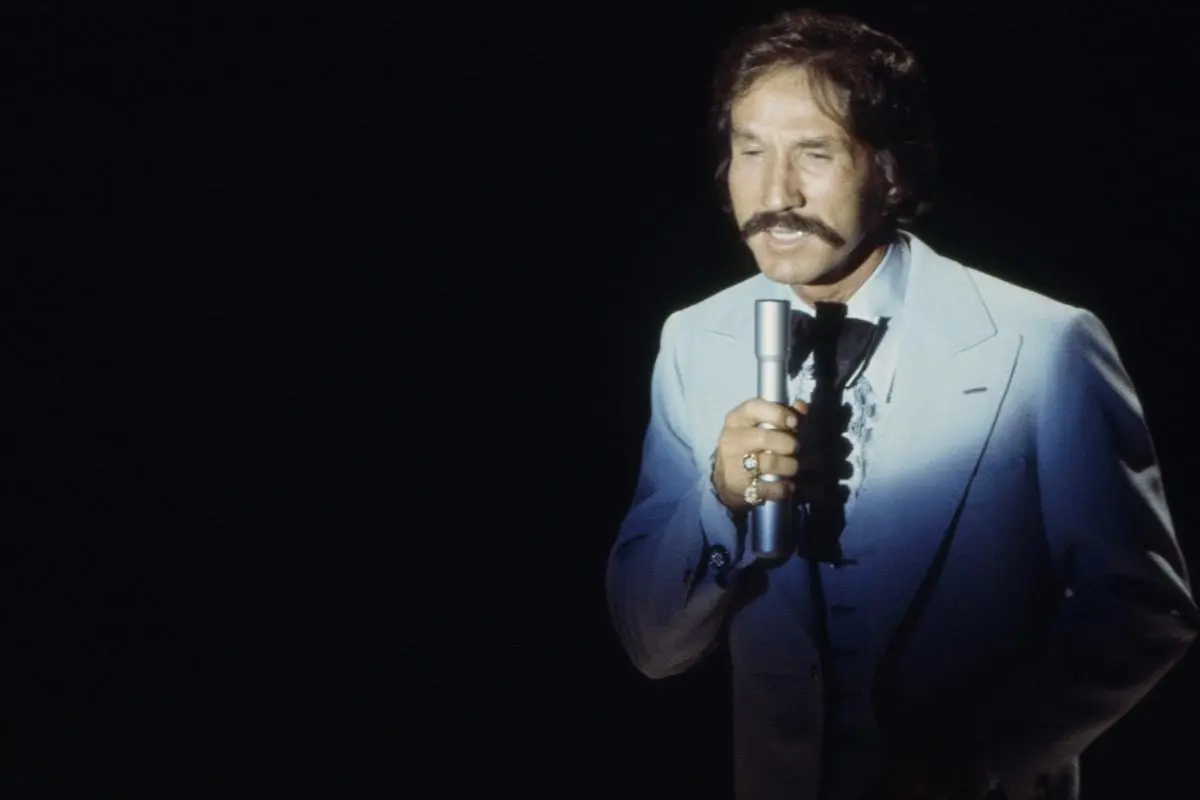
Marty Robbins is one of those rare American originals who feels almost too perfectly written: a country star with a voice like burnished leather, a hitmaker who loved Western lore, and a NASCAR driver who kept showing up at the track when he could have stayed safely on a tour bus. Then came Charlotte in 1974, and a moment that still makes seasoned race fans wince and music fans nod like, “Yep, that tracks.”
The short version is brutal: Richard Childress’s car stalled across the racing line, and Robbins made a split-second choice to sacrifice his own car into the wall rather than risk a far worse pileup. The long version is even more revealing, because it explains why a song like “Big Iron” never sounded like costume drama coming from him.
Who Marty Robbins was (beyond the cowboy hat)
Robbins was a major figure in country music long before most casual listeners ever learned he raced stock cars. He built his reputation on a smooth, emotionally direct vocal style and a songwriter’s instinct for story, with Western balladry becoming one of his most durable lanes.
His official biography highlights something that matters for this story: Robbins was not playing cowboy as a novelty act. The Western material was part of his identity as a storyteller, and it fit a broader American fascination with mythic justice, lone courage, and consequences.
The 1974 Charlotte crash: the day he chose the wall
Charlotte Motor Speedway’s marquee 600-mile race is long, punishing, and historically unforgiving. The modern event branding changes, but the concept stays the same: a marathon of heat, fatigue, and high-speed risk where mistakes stack up fast.
In 1974, Robbins was in the field when Richard Childress’s car ended up stalled in a dangerous position. Here’s the key human point: when a car is stopped where nobody expects it, the “real” crash can happen a second later when the pack arrives.
Robbins’s reported decision – turning his own stock car into the wall to avoid slamming into Childress and igniting a bigger catastrophe – has been repeated for decades because it fits both the physics and the ethics of racing: sometimes the safest place to aim is the place that only hurts you.
“All I felt was relief that he was safe.” – Marty Robbins (as widely quoted in race-retellings of the Charlotte incident)
That line is why the story survives. It is the opposite of macho posturing. It is a man admitting the fear was real, the choice was ugly, and the point was simply that someone else walked away.
Richard Childress, before the empire
It is easy to forget that “Richard Childress” once meant “driver,” not “team owner.” NASCAR’s own Hall of Fame materials frame Childress’s rise into a powerhouse ownership role, but in the early 1970s he was still in the driver’s seat, living the same risks as everyone else, as reflected in the Hall of Famers overview of the sport’s major figures.
That context matters. Robbins did not sacrifice his car to protect a distant celebrity owner. He acted to protect a fellow driver on the track in the moment, the most equal and unforgiving place in motorsports.
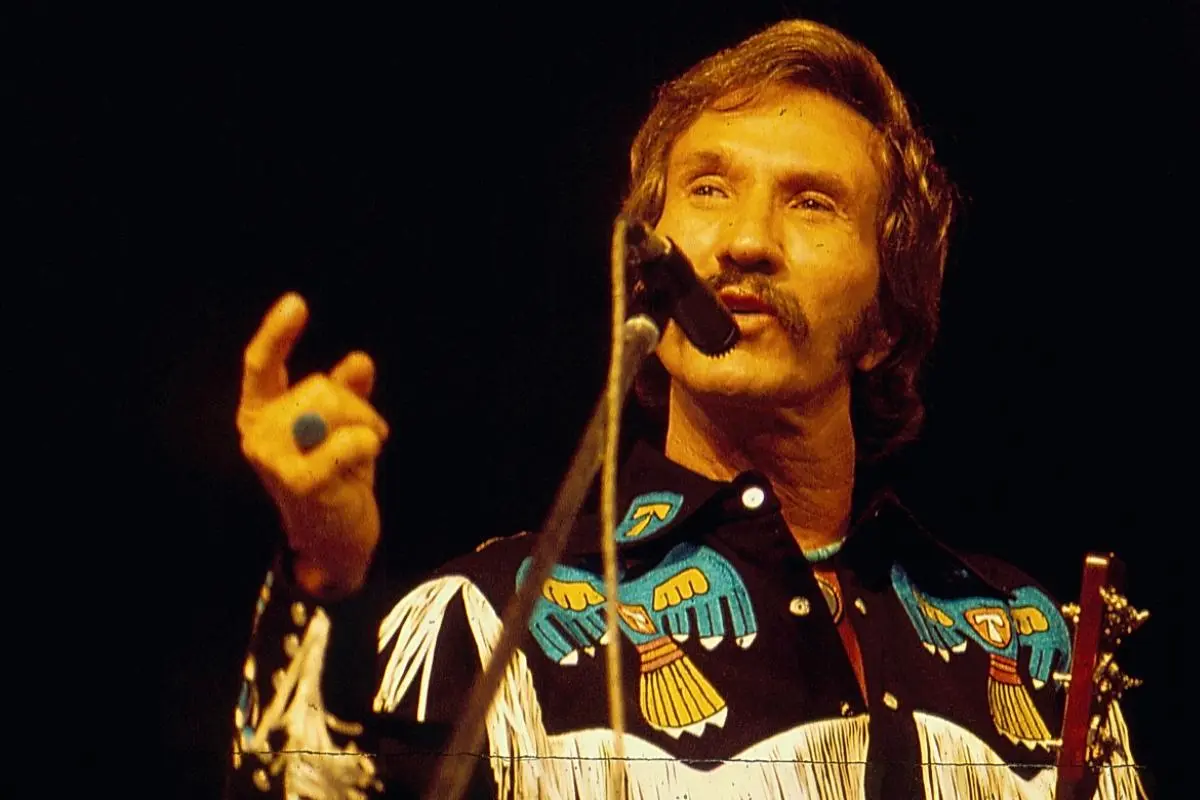
Was it heroism, or just racing math?
Here is the edgy claim: racing loves the myth of the fearless wheelman, but most “bravery” on track is disguised calculation. The heroic act is not the crash itself – it is choosing the least catastrophic outcome under pressure.
If you want to understand why Robbins’s decision stands out, compare it to the usual incentives in motorsport. A driver is trained to save the car, save the race, save the points. Turning into the wall is a last resort because it guarantees damage and pain. Choosing it anyway suggests a moral priority that overrides self-interest.
Robbins’s own racing involvement is not internet folklore; his participation is part of his public biography and is documented alongside his music career.
“Big Iron” as a moral blueprint, not a novelty song
“Big Iron” appears on Gunfighter Ballads and Trail Songs, a record that has outlived countless trendier “crossover” experiments because it commits to story and atmosphere. Robbins sings like he believes every detail, and that sincerity is the hook.
The lyrics tell a simple legend: a dangerous outlaw, a town holding its breath, and an Arizona Ranger who walks in alone to do what others cannot. Whether you read it as justice, fatalism, or pure myth, the spine of the song is responsibility.
Primary lyric repositories preserve the song’s core images and narrative beats: the Ranger’s calm arrival, the town’s tension, and the inevitability of the confrontation.
The connection people miss: “Big Iron” is about choosing consequences
In “Big Iron,” the Ranger is not fearless because he cannot imagine dying. He is fearless because he has decided what matters more than his comfort. The point is not the gunfight; the point is stepping forward when it would be easier to step back.
That is why the Charlotte story resonates. Robbins’s wreck is not “cool.” It is violent, expensive, and physically punishing. It is also the kind of choice that tells you exactly what someone’s values look like when there is no time to pose for the camera.
A quick timeline: music myth meets motorsport reality
| World | Moment | Why it matters |
|---|---|---|
| Country music | Gunfighter Ballads and Trail Songs era | Robbins proves narrative songwriting can be pop-level gripping without losing craft, a throughline emphasized in his career overview. |
| NASCAR | Charlotte 600-mile grind | A long race multiplies hazard; a stalled car can become a mass-casualty event in a marathon like the 600-mile Charlotte race. |
| Character test | Robbins chooses the wall | The decision prioritizes a fellow driver’s safety over his own result and equipment. |
What this says about Robbins as a man
Plenty of stars flirt with dangerous hobbies because it looks rebellious. Robbins’s case reads differently. The endurance required to race seriously, the humility to accept being a rookie in someone else’s sport, and the willingness to take damage to prevent a worse outcome all point to the same trait: he took responsibility personally.
His story also cuts against a common cultural lie: that toughness is loud. Real toughness is quiet, and sometimes it ends with you in the infield care center with stitches while everyone else keeps roaring past.
Why older music fans still connect to this story
For listeners who grew up when radio still rewarded storytelling, “Big Iron” feels like a short film with a chorus. And for NASCAR fans who remember when safety margins were thinner, Robbins’s Charlotte moment feels like the kind of split-second ethics the sport rarely advertises but often depends on.
Even his official fan site leans into the multi-dimensional life – not as trivia, but as a defining part of the legend.
How to hear “Big Iron” differently after Charlotte
If you want to re-listen with fresh ears, focus on three practical cues:
- Vocal calm – Robbins never oversells the danger; he narrates like someone who has seen it.
- Tempo discipline – the song’s steady pace mirrors the Ranger’s composure under pressure.
- Consequences in the lyric – “Big Iron” is not a victory lap; it is a story where fate and choice collide in its most quoted lines.
The provocative takeaway: America loves the lone hero, but Robbins acted like a teammate
“Big Iron” is a lone-hero fantasy, and we eat it up because it is clean: one good man, one bad man, one final showdown. Real life is messier. At Charlotte, Robbins’s heroism was not about standing alone. It was about treating a fellow driver’s life as more important than his own outcome.
That is a deeper kind of courage than the myth sells. And it is why the Robbins legend holds up: he sang about honor, then he lived a version of it at 180 mph.
Conclusion
Marty Robbins did not need NASCAR to be interesting. But the Charlotte story sharpens his music into something heavier: proof that his tales of duty were not just stagecraft. When Richard Childress’s car became a worst-case scenario, Robbins chose the wall, took the pain, and reportedly cared most about the other driver walking away.
Revisit “Big Iron” with that in mind, and the Ranger stops being a character. He starts sounding like a confession.