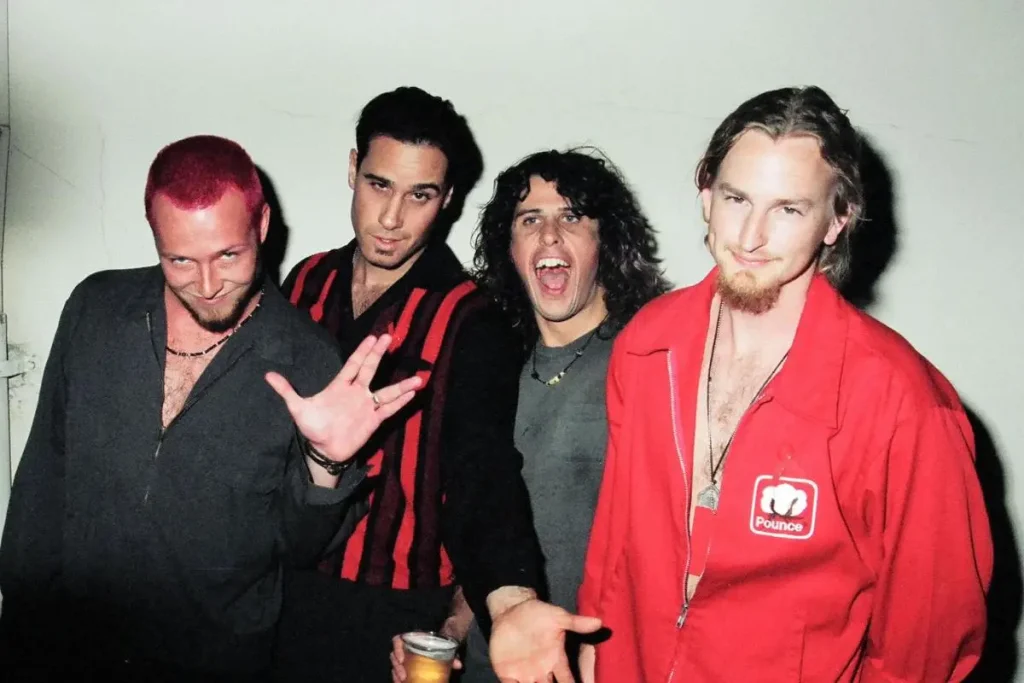
On September 29, 1992, Stone Temple Pilots released Core and immediately got shoved into a cultural cage match they never asked to join. The album hit like a cinder block: a capella vocals, a microphonic guitar pickup, and then a snare that sounds less like a drum and more like a door getting kicked in. Core was a debut that didn’t feel like a “first try” so much as a band arriving already dangerous.
What followed was one of rock’s dumbest recurring arguments: whether STP were “authentic.” It’s a question that says more about the gatekeepers than the music. Fans heard riffs, melody, menace, and swagger; parts of the press heard “not from Seattle” and stopped listening.
Core in one line: not “grunge,” not glam, not metal… just hits
Core is often described using a single genre label, but it plays better as a collision. There’s sludge and heaviness, yes, but also classic-rock arrangement instincts and pop-level choruses that don’t apologize for being catchy. STP didn’t dress their hooks in irony. That alone made some tastemakers furious.
The band’s official album page still frames Core as the opening chapter of an era-defining catalog, not a footnote to somebody else’s scene. And the tracklist reads like a band that understood sequencing: short interludes, tension-release dynamics, and multiple “sing it in the car” moments without losing the grime.
The “fake grunge” narrative: a morality play disguised as criticism
It’s hard to overstate how quickly 1991 rewired rock journalism. After Nevermind, some writers scrambled to redraw the map: what was pure, what was corporate, what was allowed. STP, from Southern California and signed to a major label, were an easy target. The critique often wasn’t musical. It was sociological cosplay.
Even Rolling Stone, which has since treated Core as a significant entry in the era’s canon, has also documented how polarizing the record was and how much of the backlash centered on perceived legitimacy rather than songwriting. When an album is still being argued about decades later, that’s usually a sign it mattered.
“It was really painful in the beginning because I just assumed that the critics would understand where we were coming from, that these just weren’t dumb rock songs.”
– Scott Weiland
How STP sounded “fully formed” on day one
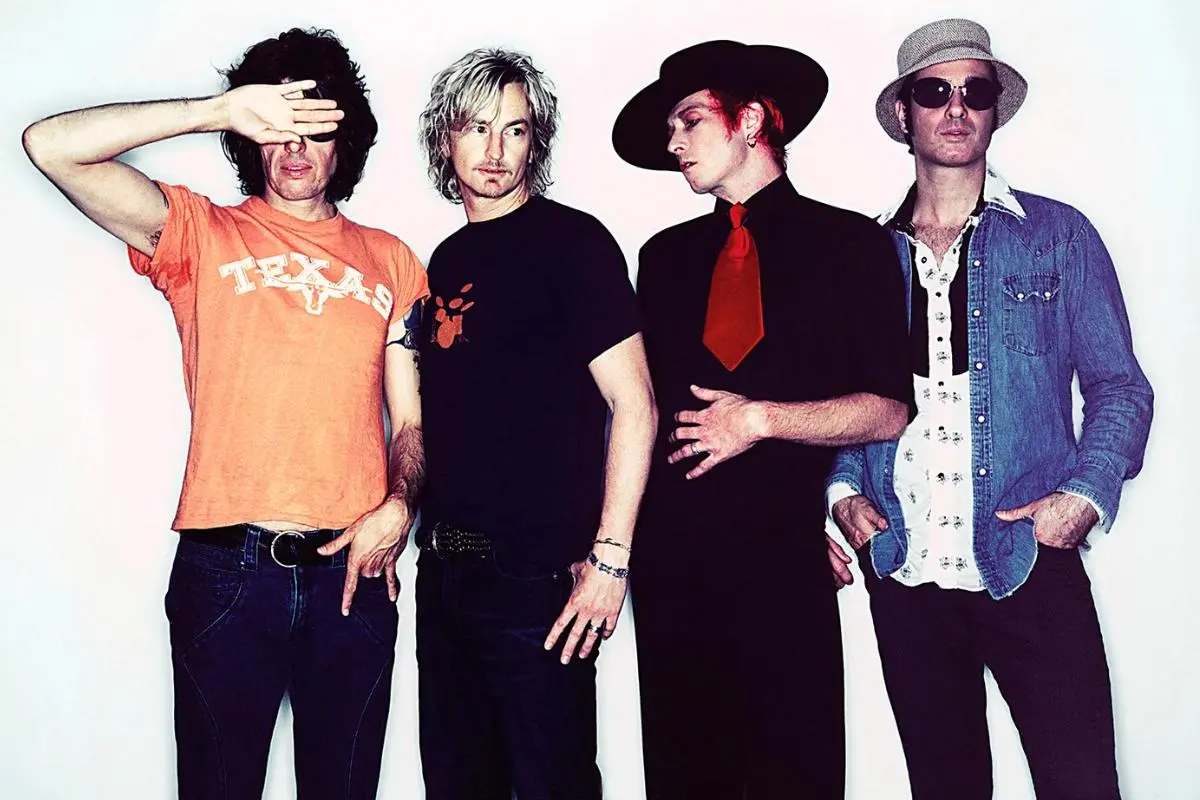
Most debut albums are auditions for a band’s real identity. Core is an identity. The DeLeo brothers write like arrangers, not just riff-machines: chord color, movement, and dynamics are baked into the songs. Eric Kretz plays with the authority of someone who knows exactly where the pocket is and doesn’t need to show off to prove it.
Then there’s Scott Weiland: not an introverted prophet, but a frontman in the old sense. He doesn’t just sing; he performs character. That theatrical impulse made him an outlier in early-90s rock, and it’s a big reason Core still feels alive instead of “period-correct.”
Track-by-track: why the songs still land
“Dead & Bloated”: the guitar-pickup cold open
The opening is a flex: Weiland singing into a guitar pickup, then the band detonates. The effect is primitive and brilliant because it sounds accidental while clearly being intentional. The official album listing keeps it right where it belongs: track one, statement one.
“Sex Type Thing”: misread on purpose
Weiland wrote in the voice of an aggressor, and some listeners took the bait. But as a piece of writing, the song works because it’s accusatory, not celebratory. That disconnect between narration and endorsement is the whole point, and it’s a reminder that rock lyrics can be reportage, not confession.
One reason the song remains debated is that its ugliness is unfiltered. It’s not trying to be comforting. It’s trying to be revealing.
“Wicked Garden”: the underrated groove machine
“Wicked Garden” is where you hear the band’s less-discussed superpower: propulsion. It’s driving rock with a cinematic sense of space, like the chorus opens a roof above the riff. If you only know STP by “Plush,” this track is the evidence that they were never a one-vibe band.
“Creep”: sadness that isn’t precious
“Creep” works because it’s not a ballad that begs for sympathy. It’s resignation with a melody. The chorus rises, but the mood stays gray. It’s the sound of someone old enough to know life is complicated but too young to have words for all of it.
“Plush”: the hit that made the backlash louder
“Plush” is the track that turned Core from “promising debut” into a cultural object people had to take sides on. It won the Grammy for Best Hard Rock Performance at the 36th Annual Grammy Awards, which is exactly the kind of official validation that can make a rock band more popular with fans and less popular with gatekeepers.
And yes, the video helped. MTV’s Video Music Awards remain one of the era’s clearest mass-market megaphones for turning rock songs into unavoidable events.
Deep cuts that explain the whole album
“Piece of Pie” shows the band’s capacity for nasty, sludgy tension without losing structure. “Crackerman” is a sprint that proves they could write punky energy without dropping their groove. And “Where the River Goes” stretches out into an eight-minute closer that feels earned, not indulgent.
Core’s best trick: it sounds heavy without being monochrome
What separates Core from a lot of early-90s heavy rock is its tonal variety. Some bands of the era chased “seriousness” so hard they forgot to be fun. STP didn’t. Core has menace, but it also has swing, melody, and even weird little side-doors like “Wet My Bed.”
If you want to study why this matters, look at the album’s harmonic language. Even a commercially published transcription for “Plush” highlights the song’s chord choice and melodic contour. You can’t fake that with flannel.
What the critics missed: authenticity isn’t geography
The easiest way to say it: Core was condemned for being a major-label album that didn’t act ashamed of itself. That was the sin. But authenticity is not “how broke you were when you wrote it” or “what city you’re from.” Authenticity is whether the record sounds like the band meant it.
Decades on, the canon has quietly corrected itself. Rolling Stone now places Core inside the broader grunge-era album conversation, even if the band never needed the label to work – something you can see reflected in how the album is still circulated as a complete album playlist, not just a couple of singles. That shift doesn’t mean everyone suddenly loves STP. It means the old purity test didn’t hold up.
How to listen to Core now (and hear what 1992 couldn’t admit)
- Listen for arrangement choices: where the guitars thin out, where the bass carries the hook, where the drums turn a riff into a chorus.
- Separate voice from viewpoint: first-person lyrics aren’t always autobiographical, and “ugly” narrators can be the point.
- Play side A like a film: “Dead & Bloated” to “Creep” is a carefully paced act-one.
- Don’t skip the weird bits: the interludes are part of the album’s texture, not filler.
Where Core sits in the larger STP story
What makes Core especially satisfying is that it’s not the band’s peak of sophistication, but it is their most volcanic first impression. Later albums broadened their palette, but Core is the record where they prove the foundation: riffs that punch, choruses that stick, and a frontman who refused to be invisible.
If you want the most basic proof of longevity, you can still find the album presented as a complete “30 years later” feature, not a handful of surviving singles. That’s what lasting albums do: they keep being listened to as albums.
Conclusion: Core didn’t need permission then, and it doesn’t now
Core is the rare debut that sounds like a band kicking down the door and then arguing with the critics while it’s still swinging on the hinges. The backlash was real, but so was the music. And in rock history, that’s usually how it goes: gatekeepers shout, fans sing along, and the songs outlive the noise.
In the end, Core wasn’t “fake grunge.” It was a real rock record that exposed how fake the conversation around “authenticity” had become.