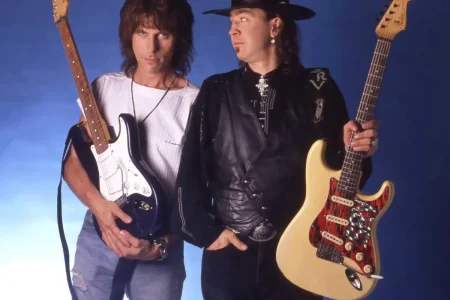
Chris “Whipper” Layton is the kind of drummer who makes a band sound inevitable. In Double Trouble, his backbeat was not just timekeeping – it was the floor the whole room stood on. So when Layton talks about Stevie Ray Vaughan, it lands with the weight of someone who lived inside the engine, not someone watching from the crowd.
“Twenty years doesn’t mean anything to me. I think about Stevie every day… But do you ever get over it? No, I don’t think so. You accept it, but you don’t get over it.”
Chris Layton
That’s not nostalgia. That’s survivor reality. And it explains something fans often miss: SRV’s legacy isn’t just “great guitar.” It’s a model of band discipline, emotional honesty, and audience connection that still embarrasses a lot of modern performance culture.
Double Trouble wasn’t a backing band – it was a pressure-tested unit
Layton’s “we were like a family” line is more than sentiment. In the blues-rock world, bands can be transactional: star up front, hired guns behind. Double Trouble worked the other way around – a tight trio identity where the drummer and bassist didn’t decorate the guitar, they boxed it in and dared it to fight.
One reason the trio format mattered is that it left nowhere to hide. With one guitar, one bass, and drums, the groove must be loud enough to feel like another instrument, and the dynamics have to tell the story. Stevie Ray Vaughan’s catalog with Double Trouble is a masterclass in that kind of economy, from slow blues tension to sprinting shuffles.
A useful snapshot of Vaughan’s career arc is the summary of his rapid rise and band-centered legacy, which frames his impact as more than just chops.
The “unwritten rule”: 110 percent or don’t bother
Layton’s most provocative point is the one every working musician should tattoo on their setlist: when they hit the stage, it was 110 percent, regardless of what happened offstage. That’s not romantic. It’s a professional ethic that separates weekend bar competence from career-defining impact.
Here’s the uncomfortable truth: lots of players can sound good at home, or even in a studio. Very few can deliver when they’re tired, sick, angry, underpaid, hungover, or in a bad room with a bad monitor mix. Double Trouble built their reputation on being able to do it anyway.
Why SRV reached people who “weren’t into blues”
Layton points to a recurring fan confession: “I’m not really into the blues or guitar music, but man, that Stevie Ray Vaughan was something else.” That reaction isn’t an accident. Vaughan made traditional forms feel personal and urgent, like the song was happening to him in real time.
It helps that he didn’t treat the blues as museum music. He treated it as a living language with room for sweat, volume, humor, and danger. When people say SRV “revived the blues,” they usually mean he made a historically rooted style feel like a current event again.
The recognition of Vaughan’s place in blues history captures why his influence helped reshape the genre’s modern profile.
The real trick: clarity inside intensity
Vaughan’s playing could be ferocious, but it wasn’t messy. Even at high speed, you can hear the subdivisions, the accents, the breath between phrases. That clarity makes intensity readable for casual listeners. They may not know a minor pentatonic from a major scale, but they can feel intention.
Layton’s drumming is part of that readability. The pocket is stable, the backbeat is confident, and the groove gives the guitar permission to go wild without losing the audience. It’s “freedom with guardrails,” which is basically the secret of great live music.
The aftershock: legacy got bigger after the loss
Layton says Vaughan’s legacy has become huge since his death, and it’s hard to argue. Posthumous growth usually comes from two forces: myth and access. The myth is obvious: the talented artist gone too soon. The access is the steady flow of reissues, live recordings, and documentary material that let new listeners enter the story.
That long-tail visibility isn’t accidental: the ongoing official archive and estate ecosystem keeps his work circulating and discoverable.
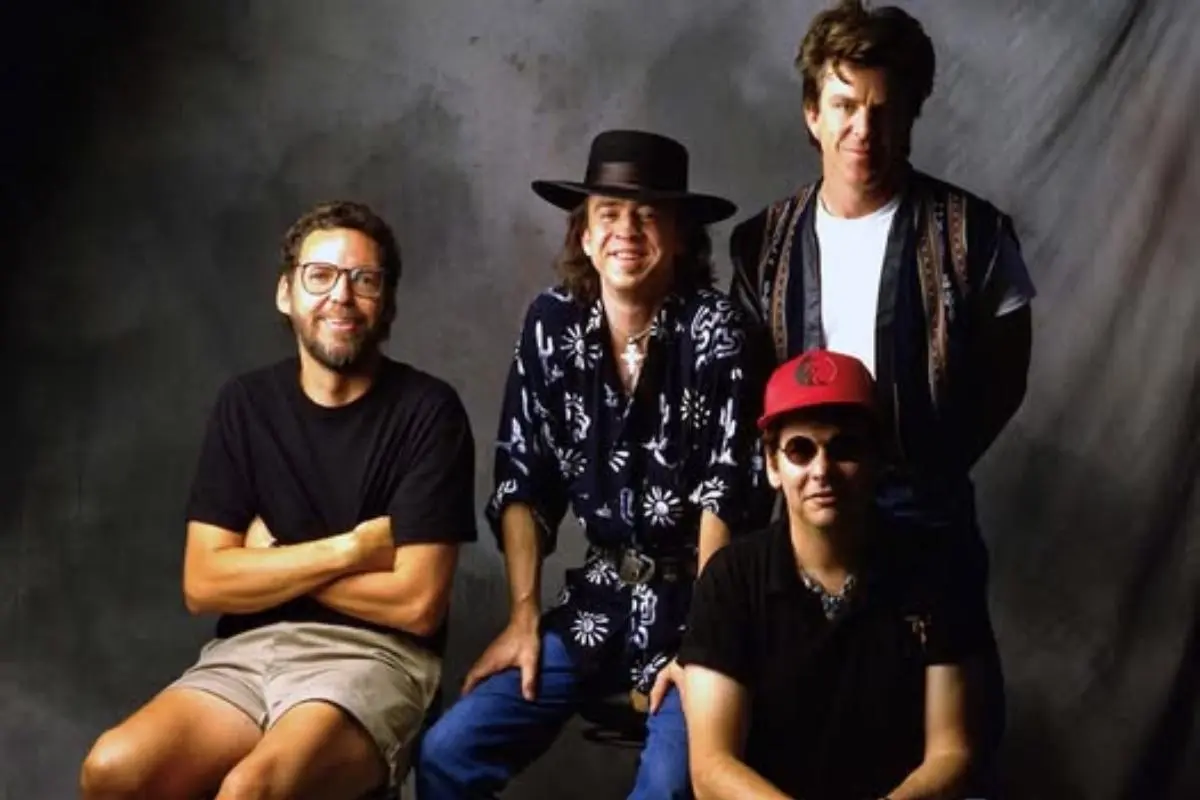
The crash and the brutal finality
When an artist dies in an accident, fans often cling to rumor because randomness feels intolerable. In Vaughan’s case, the NTSB accident brief documenting the 1990 helicopter crash anchors the event in recorded findings rather than mythology.
That does not make it easier. But it does something important: it keeps the conversation from becoming conspiracy theater, which is a subtle form of disrespect. Grief deserves truth, even when the truth is unbearably ordinary.
What musicians can steal from Double Trouble (without copying SRV)
You don’t need a vintage Strat, a wall of amps, or Texas swagger to learn from this band. You need standards. The “110 percent” rule is really a system. Here are practical takeaways that translate to any style.
1) Make the rhythm section a headline, not an accessory
- Drummers: commit to a consistent backbeat and let fills be the spice, not the meal.
- Bassists: pick notes that control harmony and feel, not just notes that “fit.”
- Guitarists: play less when the groove is speaking, and more when the groove demands it.
2) Build a stage ethic that survives mood
If your best performance depends on your feelings, you’re not a performer yet – you’re a person who sometimes performs. Double Trouble’s professionalism is the opposite: the show is sacred, and your mood is just weather.
3) Treat dynamics as your real special effect
Most modern live acts lean on volume, compression, and constant intensity. SRV and Double Trouble used contrast. Quiet made loud feel larger. Space made notes feel expensive.
4) Use tradition as a launching pad, not a cage
Vaughan loved his influences, but he didn’t cosplay them. That’s the difference between “inspired by” and “stuck in.” The mission around documenting and sustaining roots music is a reminder that preservation works best when it leads to new creation, not freeze-drying.
A quick listener’s guide: hearing Layton’s impact in real time
If you want to understand Layton’s role, don’t start by listening for flashy drum moments. Start by listening for what never moves: the snare placement, the confidence of the groove, and the way the band breathes together.
| What to listen for | Why it matters |
|---|---|
| Backbeat consistency | Creates trust so the guitar can take risks |
| Shuffle feel control | The difference between “bar band blues” and professional swing |
| Dynamic drops | Makes climaxes feel earned instead of constant |
| Ends and turnarounds | Where bands usually get sloppy – where Double Trouble stayed tight |
The culture problem SRV exposed: we reward image over commitment
Here’s the edgy claim: a lot of modern guitar culture worships the wrong thing. It fetishizes gear, speed, and “content,” but it often ignores the hard, almost unglamorous craft of playing with people at a high level night after night.
Vaughan’s legend survives because it was built on commitment, not branding. Even mainstream canon-building that ranks him among era-defining guitarists signals how deeply he penetrated rock culture while staying rooted in blues language.
That mainstream penetration is exactly what Layton is describing: Stevie wanted to reach people, and he intuitively knew how. The band’s job was to make sure the message arrived intact.
Where the memory lives: performance as memorial
Layton’s grief is not passive. For musicians, the most honest form of mourning is often repetition: you play the songs again, you tell the story again, you keep the standard alive. That’s not “moving on.” It’s carrying forward.
Public institutions also carry that memory in their own way. Long-running performance archives like Austin City Limits help preserve the Texas music ecosystem that shaped Vaughan’s rise.
And beyond SRV, guitar culture institutions keep the wider lineage visible. The National GUITAR Museum’s educational work on the instrument’s history reflects how seriously the guitar’s lineage is now treated, compared to when blues-rock was dismissed as “old music.”

Conclusion: You don’t “get over” greatness – you measure yourself against it
Chris Layton’s words cut because they refuse a tidy ending. You accept loss, but you don’t get over it. In the case of Stevie Ray Vaughan and Double Trouble, acceptance also means refusing to dilute what made them special: family-level loyalty, brutal performance standards, and a gift for reaching strangers who didn’t think the blues was for them.
Stevie’s legacy keeps growing because it’s not just a sound. It’s a challenge: show up, tell the truth, and give 110 percent – even when you don’t feel like it.