Sonny Bono, the presidency, and a rumor that refused to die
Picture the 90s: grunge on the radio, Clinton in the White House, and the guy who sang ‘I Got You Babe’ wandering the Capitol hallways in a suit. Somewhere in that cultural mashup, a rumor took hold that Sonny Bono actually tried to become president. The truth is stranger and more interesting than the myth.
Did Sonny Bono really try to become president?
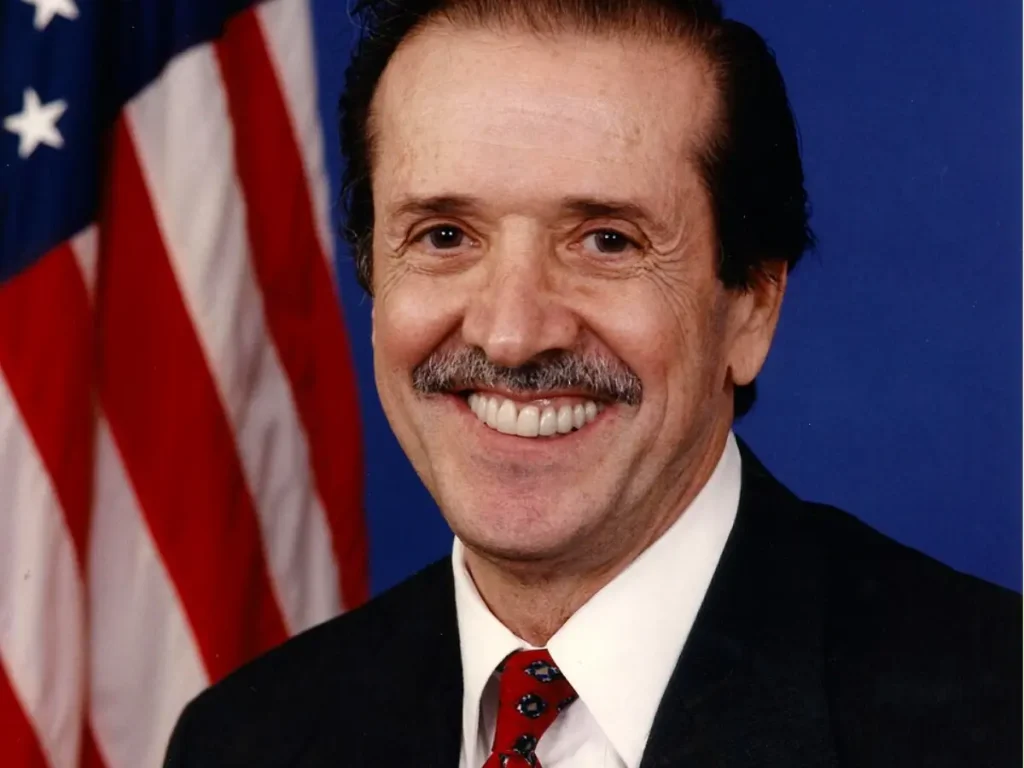
First, the boring but necessary reality check. Official congressional biographies list Sonny Bono as a restaurateur turned mayor of Palm Springs and Republican representative for California’s 44th district until his death in a 1998 skiing accident, with no presidential campaign in between. So no, there was never a formal Sonny for President committee.
Yet if you half remember headlines about Bono aiming for the White House, you are not completely imagining things. Across a few wild years he flirted openly with the idea, mused about it in front of cameras, and talked about it with friends. Journalists, fans and critics happily filled in the blanks.
From ‘I Got You Babe’ to City Hall
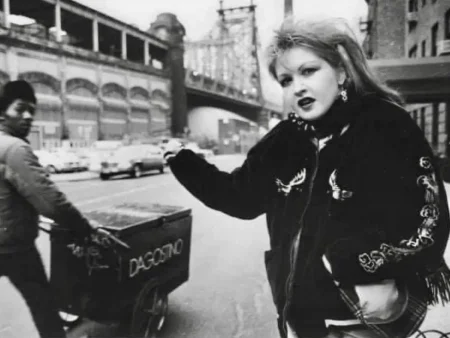
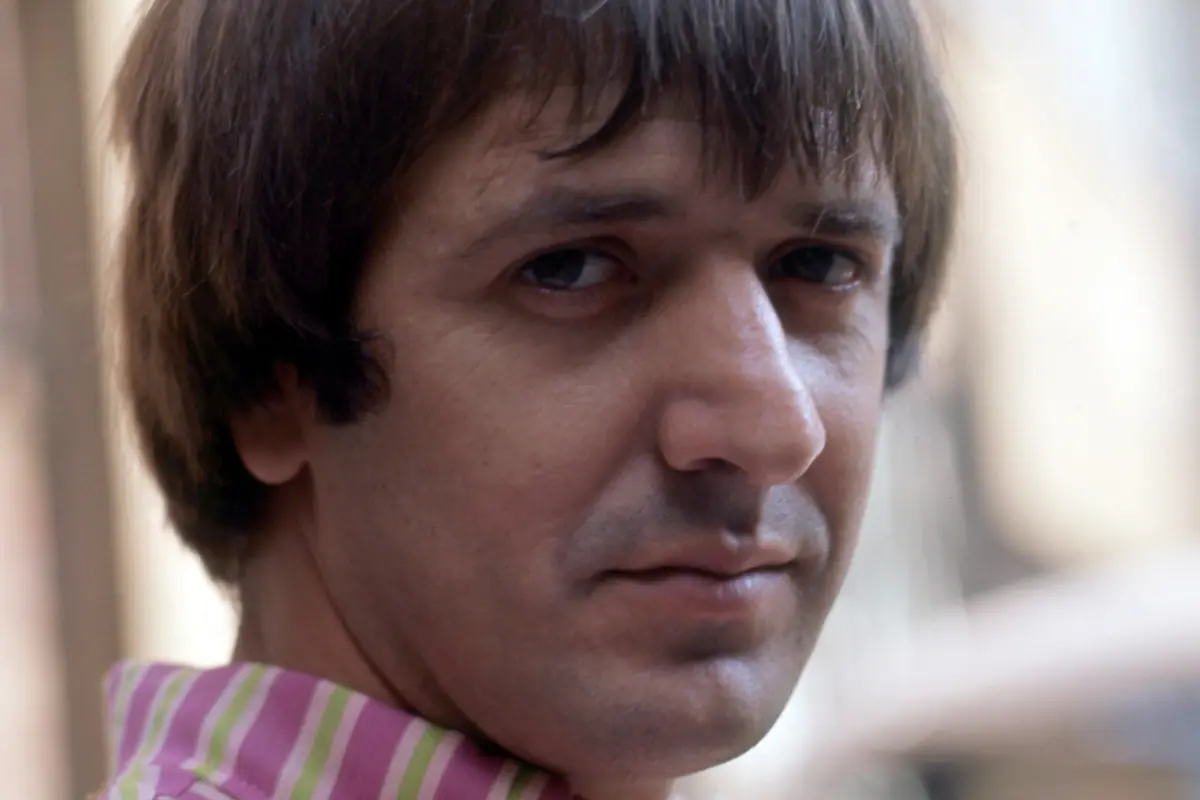
To understand why the idea of President Sonny Bono felt so surreal, you have to go back to the pop star in the fur vest. In the mid 60s, Sonny and Cher topped charts with ‘I Got You Babe’, a folk pop anthem whose unusual oboe line helped give it that offbeat, slightly quirky charm older listeners still recognize instantly. This was hardly the typical resume line for a future power broker on Capitol Hill.
After the Sonny and Cher television show ended in the 70s, Bono largely vanished from prime time while Cher reinvented herself as a serious film star. History.com notes that he slipped into the restaurant business in Palm Springs, only to collide head first with local red tape when he tried to expand one of his places, then parlayed that frustration into a successful run for mayor and, later, a seat in Congress. The showbiz punchline had quietly turned into a civic heavyweight.
A story retold in the Congressional Record captures the turning point in almost cartoonish detail. After months of being stalled over permits, a city bureaucrat reportedly told him that nobody solved such problems without going through that desk, and Sonny replied that he had solved it by deciding to run for mayor and fire the man, which he later did before rehiring him as his gardener. It sounds like a sitcom script, yet it is the origin story of his political career.
A Coachella Valley history piece describes how his 1988 mayoral campaign was widely dismissed as a joke until Bono won by a landslide and promptly set about rebranding Palm Springs, even grabbing national attention with a famously prudish ban on thong bikinis in public spaces. That kind of headline made it far easier, later on, to imagine him as the tongue in cheek face of a presidential bid.
Quick timeline of Sonny’s political climb
| Year | Role | Highlight |
|---|---|---|
| 1965 | Pop songwriter and performer | ‘I Got You Babe’ tops charts and cements Sonny and Cher as household names. |
| Late 1970s – 1980s | Restaurateur | Opens eateries in Palm Springs and collides with local permitting bureaucracy. |
| 1988 – 1992 | Mayor of Palm Springs | Wins in what many expected to be a novelty bid and pushes an image makeover for the city. |
| 1991 – 1992 | U.S. Senate primary candidate | Mounts a long shot Republican bid for a California Senate seat and loses the nomination. |
| 1994 | U.S. Representative (CA 44) | Rides the Republican wave into Congress and brings a celebrity sheen to the freshman class. |
| 1996 | Re elected to Congress | Proves he is more than a novelty by comfortably winning a second term. |
| 1998 | Legacy | Dies in a skiing accident; his widow Mary wins his seat and his name goes on landmark copyright law. |
The Senate leap and national ambitions
Hungry for a bigger stage, Bono jumped from city hall toward national office. Later biographies note that he sought the Republican nomination for United States Senate in 1992, lost that primary to conservative commentator Bruce Herschensohn, then shelved a planned lieutenant governor run and instead targeted an open House seat when Representative Al McCandless retired in 1994. That pivot, not some secret presidential plot, was his real gateway into federal politics.
In the 1994 Contract with America wave, voters sent Bono to Washington as part of a broader backlash against the political establishment. He arrived in a capital that expected him to be a walking novelty act and wound up on the Judiciary Committee wrestling with copyright law and the early internet. The man who once wrote featherweight pop hooks was now shaping how long those hooks could be legally exploited.
It is worth remembering just how audacious that 1992 Senate leap really was. In his announcement, reported by United Press International, Bono cheerfully admitted he was short on policy detail but long on enthusiasm, saying he wanted one of the most coveted jobs in American politics because he believed he could get the job done even if the challenge looked insurmountable. That blend of naivete and showman swagger is exactly what fueled the presidential talk.
Did he really aim for the presidency?
At the very news conference launching that Senate bid, the Los Angeles Times noted that by the end of the event he had drifted into musing aloud about the presidency and what it might mean for someone like him. The article explicitly framed his Senate decision as being wrapped in dreams of the presidency, as if higher office were already the unspoken sequel. In early 90s California, that sounded outrageous enough to be irresistible copy.
After his death, a Washington Monthly profile recalled a summer night at an Ocean City restaurant when Bono looked around a table of friends and casually announced, in so many words, that he thought he would run for president, prompting one close ally to say he was sure Sonny would eventually have done exactly that if he had lived longer. This was not staff tested messaging, just ambition expressed the way entertainers think out loud. Still, anecdotes like that kept the legend alive.
Even filmmaker John Waters, hardly a conservative cheerleader, told TIME he was sorry Bono never made it to the White House and imagined a Sonny presidency as a kind of joyful anarchy. It is a flippant line, but it captures something real about the appeal. The idea of the moustachioed half of Sonny and Cher sitting behind the Resolute desk had a gleeful, punk sense of mischief that critics and fans both secretly enjoyed.
A Salon obituary argued that official Washington initially treated Bono as a clownish intruder but ended up lowering flags to half mast for someone colleagues had come to regard as a mensch. That arc from joke to quietly respected operator helped make the presidential chatter feel less far fetched over time. If he could surprise the Beltway once, why not again.
Could a Sonny Bono presidential run have worked?
Strip away the novelty for a moment and ask a colder question: could he actually have mounted a serious White House run. He had national name recognition, a built in fan base of boomers who grew up with his records, and a proven knack for winning where conventional wisdom said he had no business winning. In an era increasingly comfortable with celebrity politicians, those are not trivial assets.
Remember, American voters had already watched one former actor become governor and then president, and later embraced another Hollywood figure in the California governor’s office. By the time a reality television star captured the presidency decades later, it was clear that celebrity first and politician second was not a deal breaker. Against that backdrop, a Sonny Bono exploratory committee starts to look less outlandish and more like a road not taken.
On the other hand, Bono’s politics were reliably conservative on many social issues, and his executive experience still lagged behind long serving governors and senators. The same lighthearted charm that disarmed colleagues could easily have been weaponized as proof he was unprepared for nuclear codes and global crises. Voters might have enjoyed fantasizing about Sonny for President on late night television while balking at the notion in a voting booth.
What Sonny’s almost-presidency says about music and power
For music fans, the story is a reminder of how porous the wall between pop culture and politics became by the end of the 20th century. The man who once wrote psychedelic pop tunes and crafted teen anthems wound up in charge of zoning fights, international film festivals and federal copyright battles. Popular music did not just comment on power in that era; it increasingly walked straight into it.
In the end, the Sonny Bono for president story is less about a race that never happened and more about how plausibly it could have. If a novelty act from the variety show era could become a respected legislator and credibly flirt with the idea of the Oval Office, the distance from the Top 40 to the West Wing is shorter than most people want to admit. The beat, as his headstone reminds visitors, still goes on.