
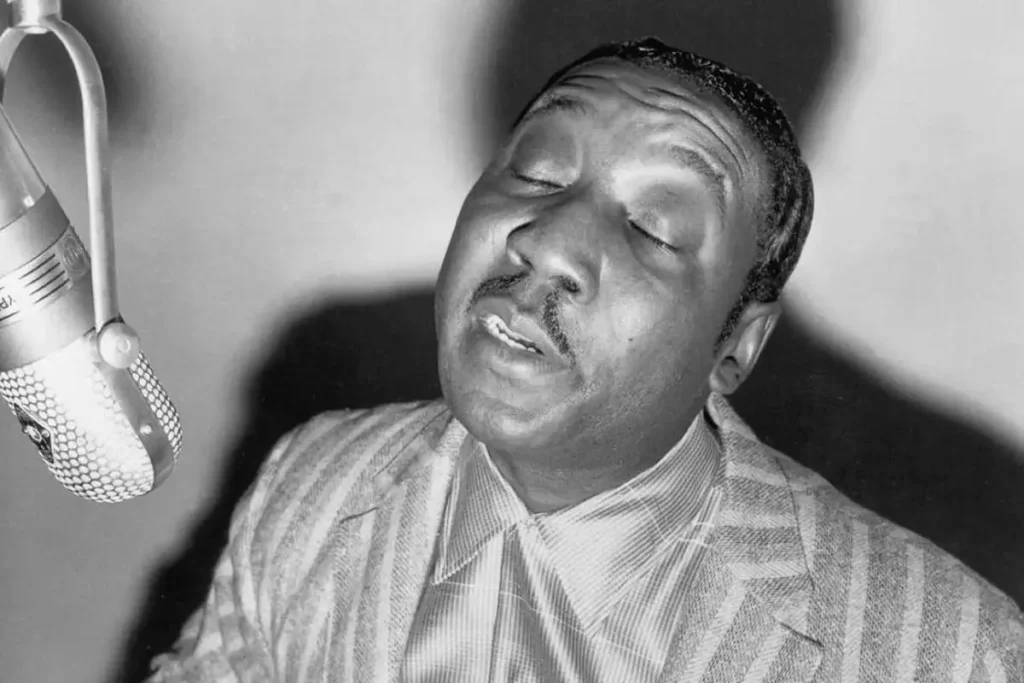
A TV studio is designed to make performers comfortable. A derelict railway station is designed to make you feel exposed, a little cold, and slightly alert to danger. That is exactly why Granada Television’s Blues And Gospel Train still hits so hard: it refuses to treat the blues like a museum piece and instead stages it like real life, on a platform, under a sky that cannot be controlled.
On May 7, 1964, Muddy Waters and a touring cast of African American blues and gospel greats performed at Wilbraham Road Station in Manchester while cameras rolled. The result is one of the most intimate documents of the British blues revival, and also one of the strangest: an audience delivered by train, songs battered by weather, and television production choices that accidentally anticipated today’s obsession with “authentic” live sessions.
What was Blues And Gospel Train, exactly?
Blues And Gospel Train was a Granada Television music special directed by Johnnie Hamp, filmed in Manchester and built around the atmosphere of a station platform rather than a soundstage. It featured Muddy Waters, Sonny Terry and Brownie McGhee, Sister Rosetta Tharpe, Reverend Gary Davis, Otis Spann, and Cousin Joe Pleasant, all appearing in the UK during the broader wave of American blues touring Europe. The film has been preserved and circulated for decades, making it a key visual record of the era’s live blues presentation within the early-1960s American blues touring wave in Europe.
If you only know the British blues boom through later, electrified arena mythology, this program is the antidote. There is no heroic spotlighting, no polite distance. The framing is close, the setting is gritty, and the performances feel like they could spill off the edge of the platform at any moment.
Why Manchester, and why a train station?
Manchester was not an accidental stop. The city hosted early UK dates connected to the touring infrastructure that brought American blues artists to European audiences, helping seed the UK’s hunger for the real thing rather than watered-down copies. The American Folk Blues Festival itself began in the early 1960s as a European touring package and became a crucial pipeline for these artists’ exposure abroad, with Manchester’s rail geography – like the Fallowfield Loop Line and Wilbraham Road Station – providing the kind of ready-made setting Granada could exploit.
Johnnie Hamp’s station idea was the provocation. Train imagery is baked into blues language: departure, exile, migration, getting out, getting stuck. By putting the musicians in a literal transport hub, Hamp turned metaphor into set design, making the show feel like a living postcard from the music’s root realities.
“The blues is about life.” – Muddy Waters
Waters’ line is often repeated because it is bluntly accurate: if your staging makes the blues look too comfortable, you have already misunderstood it – especially when you consider the career of Muddy Waters as a defining force of modern blues.
Wilbraham Road Station: the location that did half the directing
Wilbraham Road Station (in the Fallowfield area) had the right kind of neglected grandeur: brick, soot, and the suggestion of movement even when nothing moves. It was part of a rail network that once connected communities across Manchester, and its closure left behind a ready-made industrial theater. Background context on the station and its line helps explain why it looked simultaneously local and mythic on camera.
Granada’s choice also delivered something TV rarely captures in music specials: uncontrolled acoustics. A platform does not cushion sound. It reflects it, lets it bleed into open air, and forces the band to play into the space.
The cast: a touring all-star bill, not a nostalgia revue
This lineup mattered because it collapsed categories. Blues, folk-blues, gospel, boogie-woogie piano – the show treats them as adjacent dialects, not separate genres to be segregated by marketing. For a British audience still learning the family tree, that programming choice was educational without being academic.
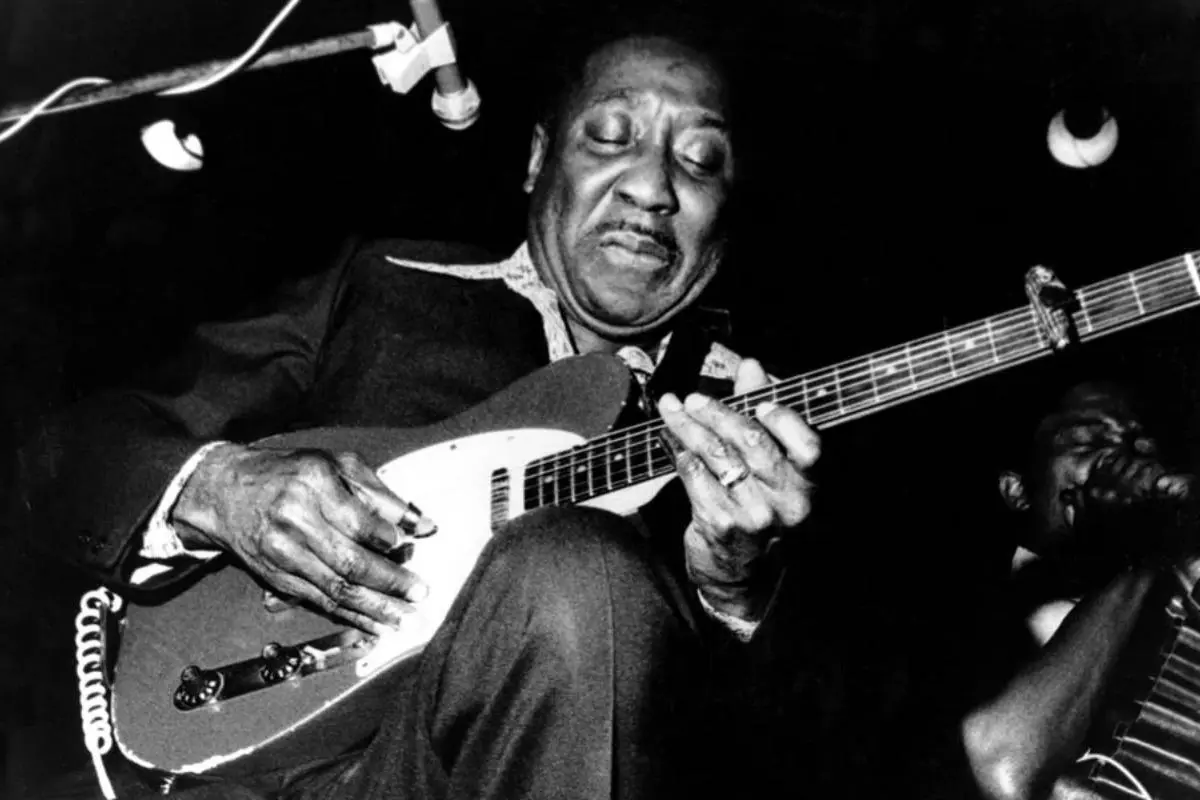
Muddy Waters: electric power in an exposed setting
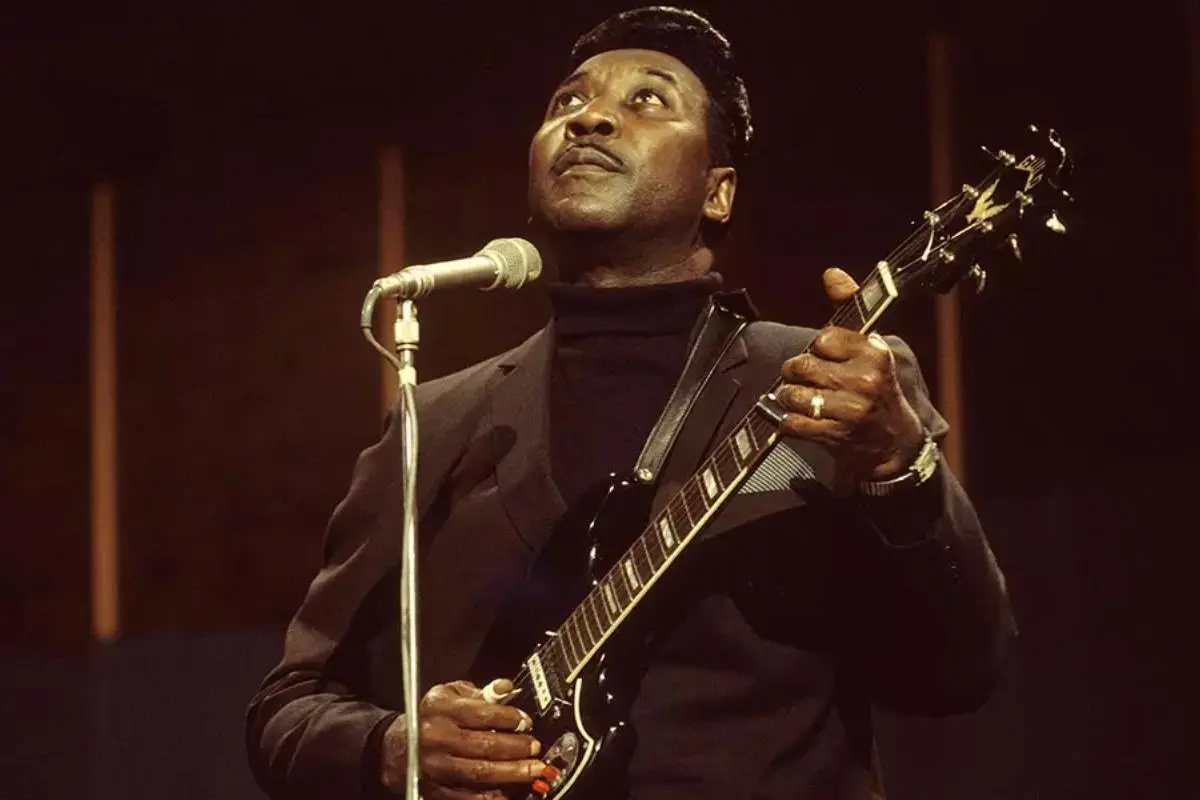
By 1964, Muddy Waters was already a defining architect of Chicago blues, and his amplified style had become a blueprint for what young British bands were trying to imitate. Chess Records, the label most associated with Waters’ classic recordings, helped define the sound palette that UK musicians were chasing: overdriven guitar, tough rhythms, and a voice that sounds like it has lived in the weather.
On the platform, that electricity is not “big.” It is direct. The performance feels like being too close to a loud conversation you cannot stop listening to.
Otis Spann: the secret weapon
Spann’s piano is the connective tissue: it can swing, it can stomp, and it can turn a chord change into a plot twist. In many blues recordings and filmed performances, the pianist is treated as wallpaper. Here, the camera and the environment make every rhythmic jab feel physical.
Sister Rosetta Tharpe: gospel fire with rock-and-roll consequences
Tharpe’s role in bridging gospel intensity and guitar-driven showmanship is no longer a niche point, it is central to understanding rock’s DNA. Her career arc and lasting influence make her a major figure whose performance style and musicianship traveled far beyond church walls.
The station setting flatters her in a different way than a theater would. A platform looks like a place for testimony, and her delivery carries that “listen up” authority.
Sonny Terry and Brownie McGhee, Rev. Gary Davis, Cousin Joe Pleasant
This part of the bill reminded viewers that “the blues” was not only electric Chicago grit. It was also acoustic virtuosity, harmonica drive, and gospel-rooted fingerstyle traditions that American audiences often filed under folk. Smithsonian Folkways’ catalog of folk, blues, and gospel traditions reflects how closely related these sounds are.
The staging trick that made it legendary: an audience delivered by train
The most audacious production move was treating the audience like part of the story. People arrive by train, disembark, and then sit on temporary seating along the platform while the music is already in motion. It is a reversal of concert etiquette: instead of lights down and polite applause cues, it feels like you have walked into something already happening.
If that sounds like modern “immersive content,” it is, except Granada did it with rail timetables, not branding decks. The train is not a prop. It is transportation, symbolism, and camera movement all at once.
Rain, discomfort, and the point of filming outside a studio
Accounts of the shoot describe a downpour interrupting proceedings, and the weather becomes part of the broadcast’s mythology. The reason this matters is not trivia – it explains the mood. When performers and audience share the same discomfort, the boundary between “show” and “life” collapses.
That collapse is the blues’ native habitat. The genre is not designed to be pretty. It is designed to be true, and truth rarely arrives in perfect conditions.
How to watch it: what to listen and look for
The special circulates in multiple ways, including widely shared video uploads, and even with imperfect fidelity it communicates the essentials: proximity, tension, and a sense of documentary risk. One commonly available upload of the full platform performance makes the atmosphere unmistakable, from platform visuals to the way performers occupy the space.
Watch for these “tells” of real performance
- Micro-dynamics – small volume shifts that happen because the room is not controlled.
- Band communication – glances and cues that would be hidden by heavy editing.
- Audience behavior – people reacting like they are present, not like extras.
- The environment – wind, rain, and open-air reflections shaping the sound.
Why this one film mattered to the British blues explosion
Here is the edgy claim: a lot of the British blues story is told as if it began when British musicians electrified the blues and “made it their own.” Blues And Gospel Train exposes a less flattering truth: the UK scene needed proximity to American originators to become convincing, and television gave that proximity at scale.
It was not just inspiration, it was instruction. You can hear phrasing, time feel, and stage presence that cannot be learned from records alone. That matters because many later bands sold a mythology of the blues while smoothing out its rougher edges. Granada, intentionally or not, filmed the rough edges as the main event.
Gear, sound, and why the station suited electric blues
Open-air platforms do not reward subtlety. Electric blues thrives there because amplified instruments can carve a defined space in the noise of a public-feeling environment. It is also why Waters’ amplified approach feels like the correct language for the setting: the sound asserts itself against the world instead of asking the world to be quiet.
| Element | What it does on a station platform |
|---|---|
| Amplified guitar and vocals | Creates a “center” to the sound when the space is leaky |
| Piano | Fills the midrange and glues rhythm to harmony |
| Harmonica | Cuts through with sharp transients, reads well on camera |
| Environmental noise | Raises stakes – the music has to win the listener back |
It is worth remembering that Britain’s rail history is also a story of industrial labor and movement, themes the blues has always carried.
Granada’s broader legacy: regional TV with global impact
Granada Television was part of a UK regional broadcasting ecosystem that could take risks, because it was not trying to be Hollywood. That mattered. A network obsessed with polish might have rejected a wet platform as “unprofessional.” Granada treated it as atmosphere, and the show’s survival proves that atmosphere can outlive polish.
For researchers and fans, the British Film Institute’s role in UK film and television culture remains a key institutional reference point for archival context that helps situate music specials like this in broadcasting history.
Practical listening notes for blues fans (and players)
If you play guitar, sing, or lead a band, Blues And Gospel Train is a masterclass in how to project character without theatrics. The performances are not “small,” they are simply unforced, and that is harder to do than most people realize.
Steal these habits, not just licks
- Phrase like speech – let lines land as sentences, not exercises.
- Leave air – the platform teaches you to respect space.
- Lock the groove – the band’s time feel is the real headline.
- Sing the truth – technical perfection is secondary to conviction.
Conclusion: the blues didn’t need a stage, it needed a place
Blues And Gospel Train remains powerful because it treats blues and gospel as living force, not “heritage content.” A disused Manchester station became a pressure cooker where artists, audience, weather, and cameras had to coexist.
And when Muddy Waters sings on that platform, you can feel the larger story of the blues itself: always traveling, never fully domesticated, and still loud enough to stop a room – or a train station – in its tracks.


