
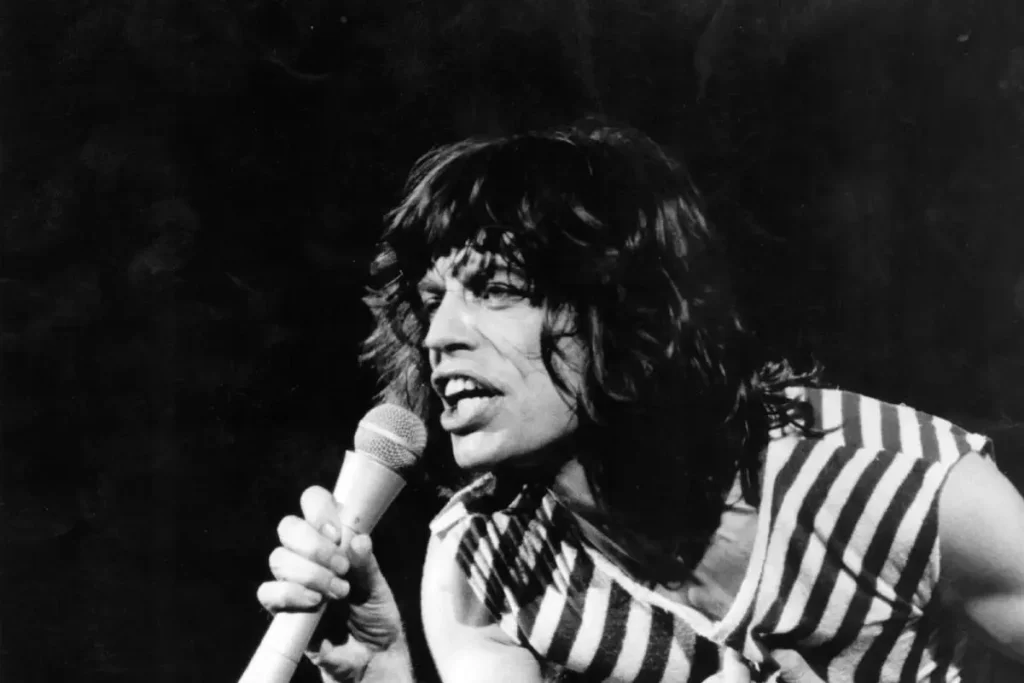
Mick Jagger didn’t just wander into Hollywood for a quick cameo and a better tan. In the mid-1990s, he helped launch Jagged Films, a film and TV production company built to develop, package, finance, and actually deliver projects to market.
That is the off-the-charts part. Plenty of musicians “do” movies. Very few set up an operation that behaves like a producing shop, with a slate mindset and the patience to shepherd scripts through development hell.
“People say, ‘Oh, rock stars in movies.’ But producing is a job.”
Mick Jagger
Jagged Films in one sentence: “Stadium-tour thinking,” but for cinema
The Rolling Stones built their modern empire by systematizing chaos: make a product, attach the right players, finance it, promote it, execute it, repeat. Jagged Films follows a similar logic, except the “tour” is a feature film and the merch table is distribution.
Even the company’s name signals intent. Jagged Films positions itself as a proper production banner, not a personal vanity label, with credits across features and television, as shown by a public overview of the company and its credits.
Why the mid-1990s mattered (and why it was such a 90s move)
The 1990s were a moment when artists started behaving like CEOs. Media consolidation, global touring, and the rise of prestige indie film created a lane for famous names who could open doors but also had the discipline to build teams.
For the Stones, the decade was also cyclical: massive tour, album cycle, downtime. Jagger used that gap to build a second “track” that didn’t depend on being on screen, on stage, or even in the room.
- Control: develop projects he actually wanted to work on, instead of waiting for offers.
- Packaging: secure rights, align writers-directors-cast, and make a film financeable.
- Continuity: keep projects moving even when the Stones machine was between cycles.
What producers actually do (and why Jagger’s approach is unusual)
In the public imagination, “producer” can mean anything from money person to credit collector. In real-world filmmaking, producing is closer to project management plus taste plus politics plus risk.
The Producers Guild definition of a producer’s responsibilities frames the job as turning an idea into a finished motion picture, coordinating creative and business execution along the way.
The Jagged Films playbook
Based on how Jagged Films’ best-known titles are built, the pattern looks like this:
- Find a strong core concept (often with literary or historical hooks).
- Attach serious filmmakers who can deliver credibility, not just celebrity heat.
- Build financing logic early with cast value, genre clarity, and market positioning.
- Push to distribution and keep pushing until the thing actually releases.
This last step is where a lot of celebrity-led projects quietly die. Jagged Films’ more successful outings show follow-through: festivals, distributors, theatrical releases, and long-tail life.

The early “proof” movies: not flashy, but strategically chosen
Jagged Films’ strongest argument is not one iconic title. It’s the choice of material. Jagger did not start with a safe, self-mythologizing rock story. He started with grown-up dramas and period material that require competence to pull off.
Enigma (2001): the serious period thriller test
Enigma is a WWII codebreaking thriller directed by Michael Apted. For a young company, it was a statement: this is not a vanity project, it’s an adult drama with historical texture and production demands.
Box office reporting for Enigma places the film clearly in the 2001 release context and provides the market-facing essentials for a wide-release feature.
And because Enigma sits in the public shadow of Bletchley Park lore, it benefits from a built-in cultural fascination with cryptography and wartime intelligence; Bletchley Park’s Enigma overview explains the story and why it still grips audiences.
Critical aggregation isn’t the same as quality, but it does show how a film landed with reviewers at scale. The film’s Metacritic reception snapshot captures that at-a-glance consensus.
The Man from Elysian Fields (2001): indie drama with a deliberate twist
The Man from Elysian Fields leans into character and moral tension, with a recognizable cast and an indie sensibility. Jagger also appears on screen, but the design reads like “actor-producer” as a strategy, not a spotlight grab.
Its performance and distribution footprint can be tracked through the film’s Box Office Mojo entry, which also reinforces that Jagged Films was playing in real release ecosystems.
Metacritic’s reception page similarly shows how the film was discussed in the critical mainstream.
The lane sharpens: Get on Up (2014) and the “music biography done properly” model
If the early 2000s titles were proof of competence, Get on Up is proof of identity. A James Brown biopic is a natural fit for Jagger, but the key is that the film is mounted as a proper studio-level feature, not a lightweight star vehicle.
Variety’s review of Get on Up positions the film as a major release and engages directly with its storytelling choices and performance-driven core.
Commercially, Get on Up posted a real theatrical run, and box office tracking for the film provides a clean snapshot of release-scale context.
A critics’ round-up of Get on Up offers the broader critical temperature, which matters for biopics because awards, longevity, and catalog life are tied to reception.
Why the James Brown story is a producer’s nightmare (and why that’s the point)
James Brown’s life is not “three acts and a redemption.” It’s brilliant, complicated, frequently ugly, and musically revolutionary. To get that on screen, the producer has to navigate estates, music rights, sensitive portrayals, and a narrative that doesn’t flatten the subject.
That’s why Get on Up is a revealing Jagged Films title. It suggests the company wasn’t chasing easy applause. It was chasing hard material that, if it lands, becomes durable.
So what is Jagger like as a producer?
Hollywood is packed with famous executive producers who never crack the script. Jagger’s reputation, by contrast, has often been described as unusually engaged, more builder than mascot. The most credible insights come when Jagger talks about the job himself.
In a The Hollywood Reporter piece tied to Get on Up, Jagger is presented not as a cameo celebrity but as an active producer discussing the film and its real-world implications.
The three questions a “stadium-tour producer” asks
In touring, you don’t just ask, “Is the setlist cool?” You ask, “Does it play in the room?” That mindset maps cleanly onto producing:
| Producer question | What it really means | Why it’s Jagger-ish |
|---|---|---|
| Does the story play? | Clarity, pace, emotional logic, audience grip | The Stones learned early: if it doesn’t land, it’s dead |
| Is the casting right? | Not “famous,” but believable and bankable | Like picking a touring lineup: chemistry matters |
| Does the finance-distribution plan make sense? | Budget discipline, target market, release strategy | Tour economics are ruthless; film economics are worse |
The boring-but-decisive part: rights, unions, and the business scaffolding
The romantic story is “artist makes movies.” The real story is paperwork. Period thrillers and music biopics both carry heavy rights burdens, and producers live or die by execution details.
If a Jagged Films project leans on music, it runs into the reality that public performance and licensing ecosystems exist for a reason. Music licensing basics and how rights are structured give a practical window into how music rights are handled for users.
On the labor side, producers also operate within contract frameworks that shape hiring, credits, and working conditions. The DGA’s contracts framework illustrates how formalized that environment is.
Why this isn’t a vanity label (provocative take)
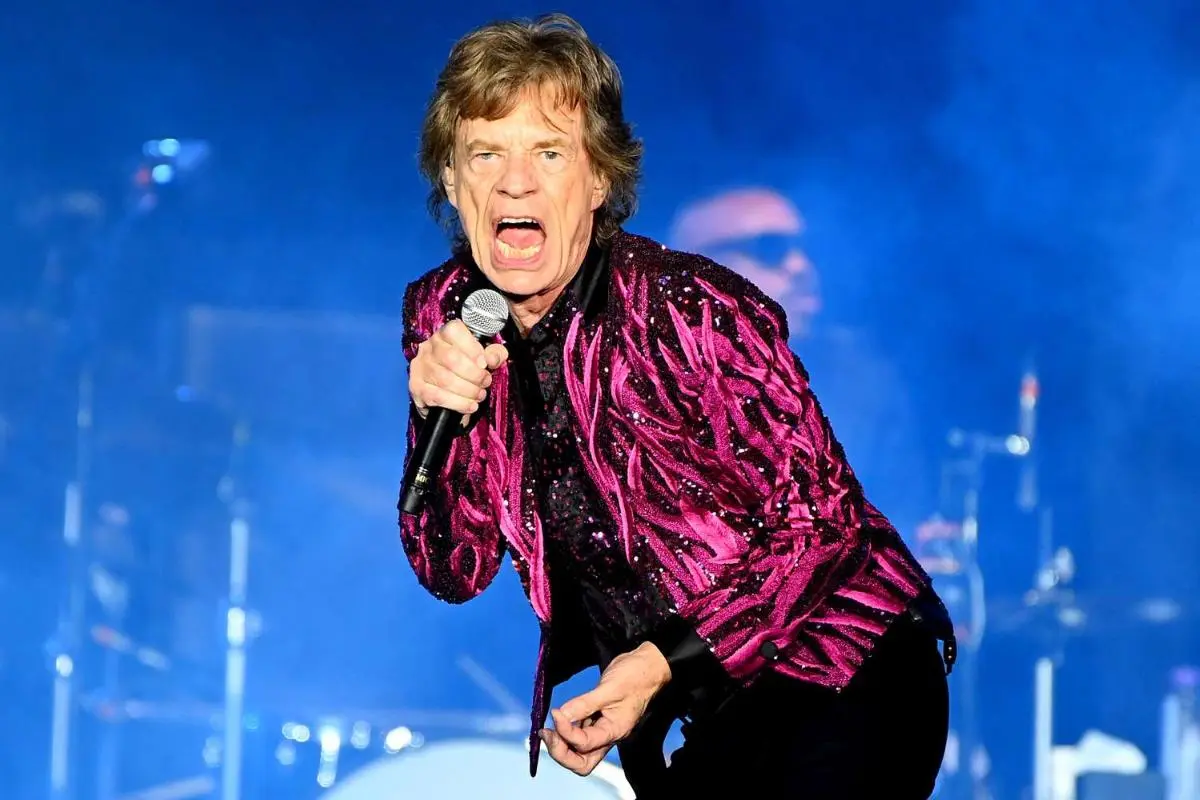
If Jagged Films were a vanity label, the obvious move would have been to pump out Rolling Stones mythology content on a conveyor belt. Instead, the company’s defining “proof points” are projects where Jagger is not the star, and sometimes not even the selling point.
That restraint is almost subversive in celebrity culture. It suggests Jagger’s ego was satisfied elsewhere, and his producer brain wanted something different: systems, leverage, and repeatable wins.
What musicians can steal from Jagger’s producing mindset
You don’t need to start a film company to learn from this. Jagged Films is a case study in building a second career without pretending the first one doesn’t exist.
- Build infrastructure, not content: a team and process outlast a hit.
- Choose material with gravity: “important” stories travel farther than hype.
- Package like a promoter: attach talent that reduces risk and increases heat.
- Finish things: release is the only victory condition that counts.
Conclusion: Jagged Films is the quiet flex
Mick Jagger didn’t need a film company to stay famous. That’s what makes Jagged Films interesting: it looks like the work of someone who genuinely enjoys the mechanics of building projects, not just the glow of appearing in them.
In an industry full of celebrity “producers,” Jagged Films stands out as a reminder that producing is not a title. It’s a trade, and Jagger treated it like one.


