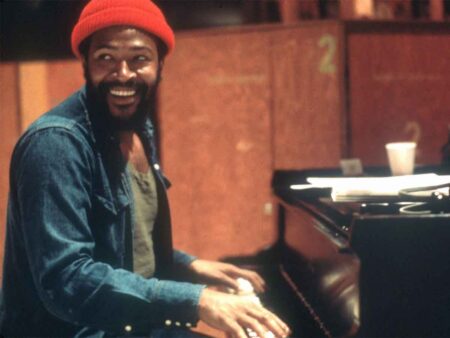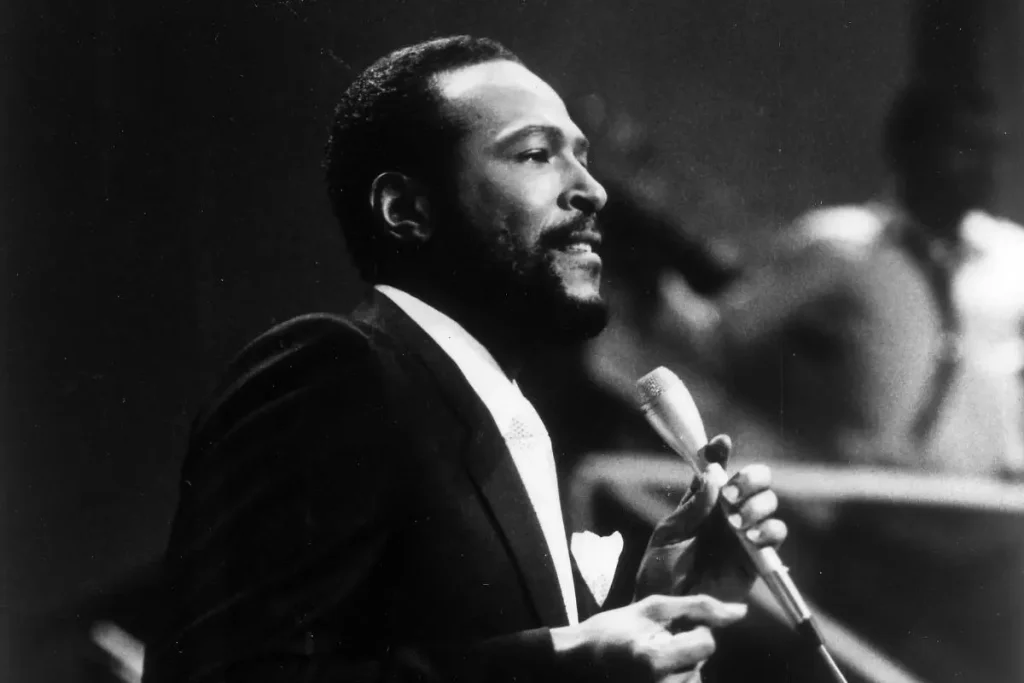
Put on Marvin Gaye’s ‘What’s Going On’ and you are not just spinning a Motown record. You are dropping the needle on the moment soul music decided it was finished playing nice.
It is lush, melodic and seductive, yet underneath the strings and tambourines you can hear a man who is tired of smiling for the cameras. To understand why this album still cuts so deep, you have to look at the bruised history that produced it.
Before ‘What’s Going On’: a hitmaker in crisis
By the late 1960s Marvin Gaye was a superstar of the Motown machine, crooning duets and scoring massive hits like “I Heard It Through the Grapevine”. That single, with its uneasy groove and paranoia, had already pushed Motown toward darker emotional territory and proved that pain could sell just as well as pop perfection.
Behind the hits, Gaye’s life was coming apart. His creative partnership with Tammi Terrell was shadowed by her collapsing on stage and a devastating brain tumor diagnosis; she died in 1970 after years of operations, and Gaye responded by withdrawing from live performance for several years.
Grief over Terrell, a failing marriage to Anna Gordy, money problems and increasing drug use left him depressed and spiritually adrift. Biographer David Ritz later described Gaye wrestling with the feeling that the love songs he was singing had nothing to do with a country tearing itself apart, while letters from his brother Frankie in Vietnam poured gasoline on that anxiety. Ritz’s liner notes trace that evolution in detail.
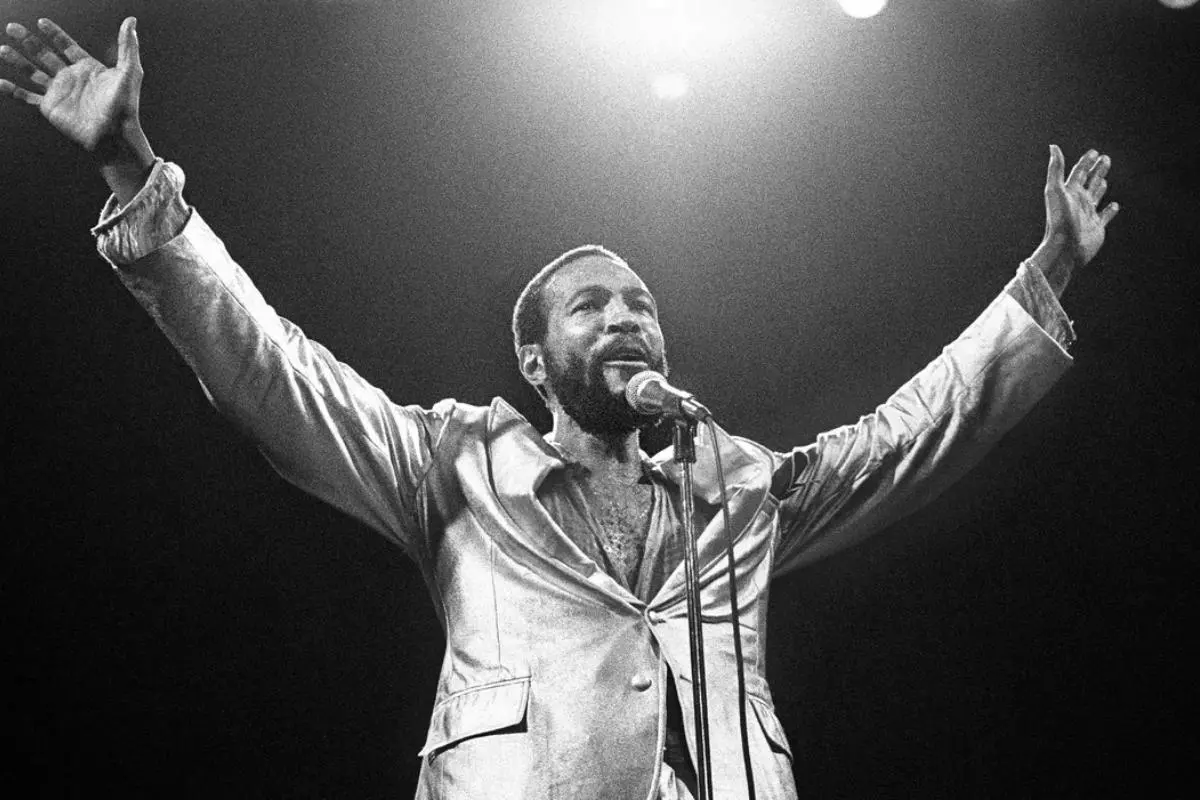
During this self-imposed exile he grew a beard, swapped sharp Motown suits for sweats, and even trained seriously for an NFL tryout with the Detroit Lions, as if he might walk away from music altogether. At the same time he was listening to orchestral concerts in Detroit and dreaming of something more expansive than three-minute singles, ideas that would culminate in the album ‘What’s Going On’.
The spark: protest in People’s Park
The title track of ‘What’s Going On’ did not begin with Marvin Gaye at all. In May 1969 Four Tops singer Renaldo ‘Obie’ Benson saw police beating anti-war protesters in Berkeley’s People’s Park and could not shake the image; with Motown writer Al Cleveland he shaped that shock into a song his group rejected as too political.
Benson eventually brought the sketch to Gaye, who heard a vehicle for everything eating at him. He reworked the melody, rewrote the lyrics and insisted on framing it not as a finger-pointing protest, but as a wounded plea for understanding from inside the ghetto and from the perspective of a returning soldier.
In the studio, Gaye broke Motown rules. He produced the track himself, blending a supple rhythm section with alto saxophone, orchestral strings and conversational background chatter from Detroit Lions players and friends. The hallmark double-lead vocal, where two of his performances weave around each other, came from an engineer accidentally playing both takes at once; Gaye loved the effect and built the album around that layered ‘three voices’ sound. That studio accident became the record’s signature.
Motown vs Marvin: the single Berry Gordy tried to kill
Motown founder Berry Gordy heard ‘What’s Going On’ and hated it. He thought the loose, jazz-influenced groove and scatting sounded old-fashioned, the lyric was too topical, and the record did not fit his radio-tested hit formula; he reportedly called it the worst record he had ever heard and refused to release it. Contemporary accounts detail how firmly he opposed the track.
Gaye, already questioning his role as Motown’s handsome puppet, dug in. He told Gordy to put the single out or he would never record for the label again, and then went on strike from the studio. For months the standoff simmered, until Motown executives quietly pressed and shipped the single behind Gordy’s back; when it exploded on radio and in the shops, the label boss had no choice but to reverse course and ask for a full album built around the song. That showdown effectively forced Motown to change course.
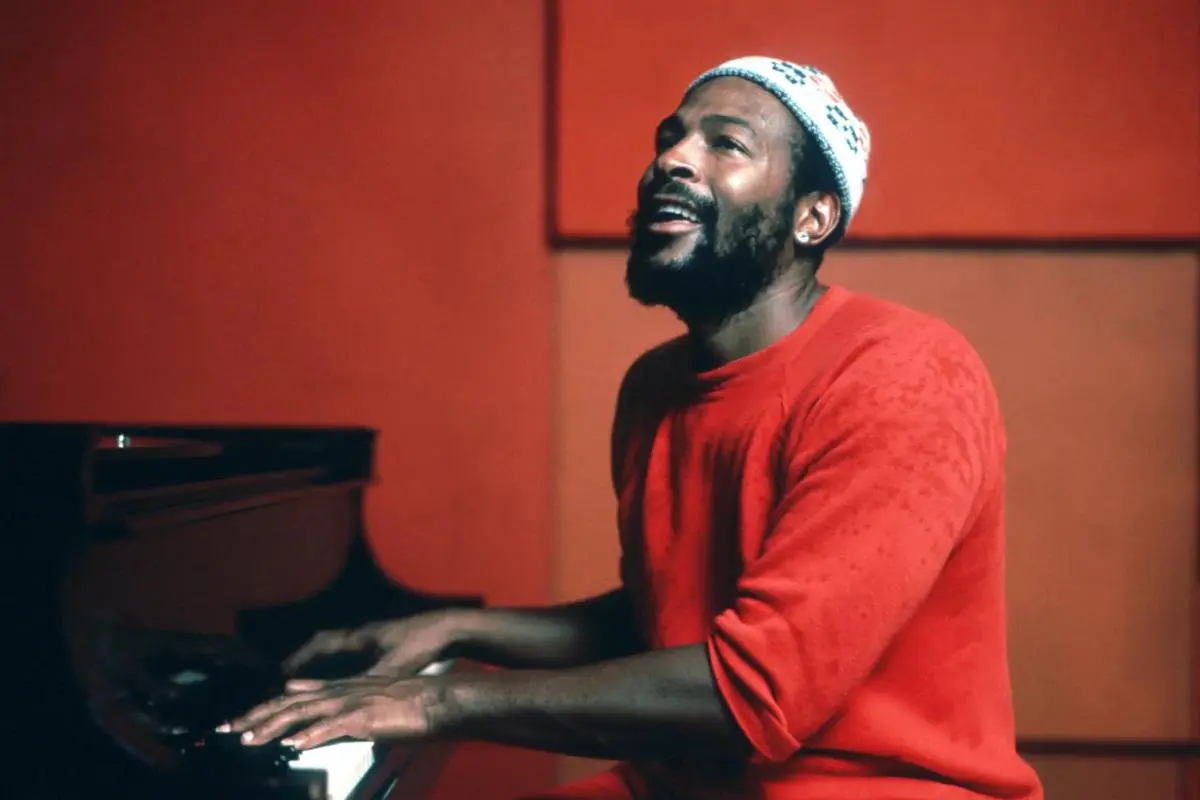
From protest song to concept album
What emerged in May 1971 was Gaye’s 11th studio album, recorded across multiple Detroit studios and the Sound Factory in West Hollywood and released on Motown’s Tamla imprint. It was the first Marvin Gaye record to credit him as producer and the first Motown album to explicitly credit the Funk Brothers, the house band whose playing had powered countless hits.
The roots of that album lay in Benson’s People’s Park experience, but Gaye expanded it into a continuous song cycle. The record plays almost like one long composition, each track sequeing into the next as a Vietnam veteran returns home and confronts racism, poverty, drug addiction and a nation more interested in profit than people. The album’s structure and themes are meticulously documented.
Commercially it was a gamble that paid off immediately. The album stayed on the Billboard album chart for more than a year, became Motown’s biggest LP to that point, and spun off three pop top ten singles with multiple R&B number ones, all from a record dominated by social anxiety and spiritual doubt. Chart data underscores just how successful it was.
The music: velvet glove, iron fist
Part of the album’s power is how gently it delivers such blunt truths. NPR later called ‘What’s Going On’ an introspective, politically charged nine-piece song cycle that addresses the Vietnam War, urban decay, drug abuse, civil unrest and injustice, while also serving as a template for marrying hard messages to irresistibly tuneful grooves. Their essay captures the album’s balancing act.
Listen closely and you hear that tension everywhere. James Jamerson’s bass lines move like a second melody, often slipping around the beat, while congas, tambourine and drum kit lock into a buoyant pocket that keeps everything floating rather than slogging. Over the top, Gaye’s layered voices argue, reassure and plead with each other like a choir in his own head.
The arrangements fold gospel, jazz and orchestral colors into Motown’s rhythm-and-blues core. Strings from the Detroit Symphony brush against vibraphones and flutes, while extended vamps like ‘Right On’ stretch out in a way that would have horrified Motown’s old quality control meetings.
Key tracks and what they are really about
| Track | Main theme |
|---|---|
| What’s Going On | Police brutality, social confusion, a plea for empathy |
| What’s Happening Brother | Disillusioned Vietnam vet trying to find work and purpose |
| Flyin High (In the Friendly Sky) | Heroin addiction as an escape from psychic pain |
| Mercy Mercy Me (The Ecology) | Environmental damage and industrial greed |
| Inner City Blues (Make Me Wanna Holler) | Economic oppression, police pressure and explosive anger |
Even the spiritual interludes carry a quiet edge. ‘God Is Love’ and ‘Wholy Holy’ sound like straight gospel on the surface, yet they sit inside a narrative where institutions have largely failed and only radical compassion has any hope of changing the script.
How personal pain became political art
The genius of ‘What’s Going On’ is that it never reads as a manifesto drafted in some activist office. It feels like one exhausted man trying to square his personal grief with the nightly news, and discovering that the two are inseparable.
Ritz’s liner-note essay links Terrell’s death, Gaye’s unraveling marriage and his brother’s Vietnam stories directly to the album’s point of view: a sensitive man watching both his private world and his country crack at the same time. His account makes the connections explicit Gaye himself said he admired the hippie generation for having the nerve to tell the establishment where to go, and you can hear that rebellious tenderness all over the record.
That is what makes the album more dangerous than many louder, angrier protest records. It invites you in with beauty, then quietly insists that if you really love your brother, your lover, your child, you cannot ignore what the state is doing to them.
From near-fiasco to the top of the canon
Ironically, the record Gordy nearly buried became the crown jewel in his catalogue. ‘What’s Going On’ has been inducted into the Grammy Hall of Fame and preserved by the Library of Congress in the National Recording Registry, formal recognition that this is not just a hit album but a piece of American cultural memory.
Critics who once worried it was too soft for protest now treat it as a benchmark. When Rolling Stone’s most recent book version of the ‘500 Greatest Albums of All Time’ list came out, ‘What’s Going On’ sat at number one, ahead of Pet Sounds, Blue and Abbey Road, based on votes from musicians, producers and journalists across genres. That list cemented its place at the top of the canon.
The album also blew a hole in Motown’s creative ceiling. After Gaye forced the label to accept that a black pop star could produce his own socially engaged concept album and still move units, it became a little harder to tell Stevie Wonder or anyone else to shut up and sing.
Why the album still hits a nerve
Half a century on, ‘What’s Going On’ has lost none of its sting. Swap Vietnam for whichever war fills the headlines, update the smog and oil spills to climate crises, change the slang around police shootings, and the questions Gaye asks are still the ones hanging in the air.
Musically, it remains a masterclass in how to make radical ideas feel irresistible. The bass lines are funky, the harmonies are rich, and Gaye’s multi-tracked voice has become a blueprint for everyone from neo-soul singers to modern R&B crooners.
If you grew up on 60s and 70s soul, that might be the most shocking thing about ‘What’s Going On’: it is protest music that never raises its voice. Instead, it looks you in the eye, invites you to sway along, and quietly asks the most uncomfortable question in pop history: are you really listening to what is going on?