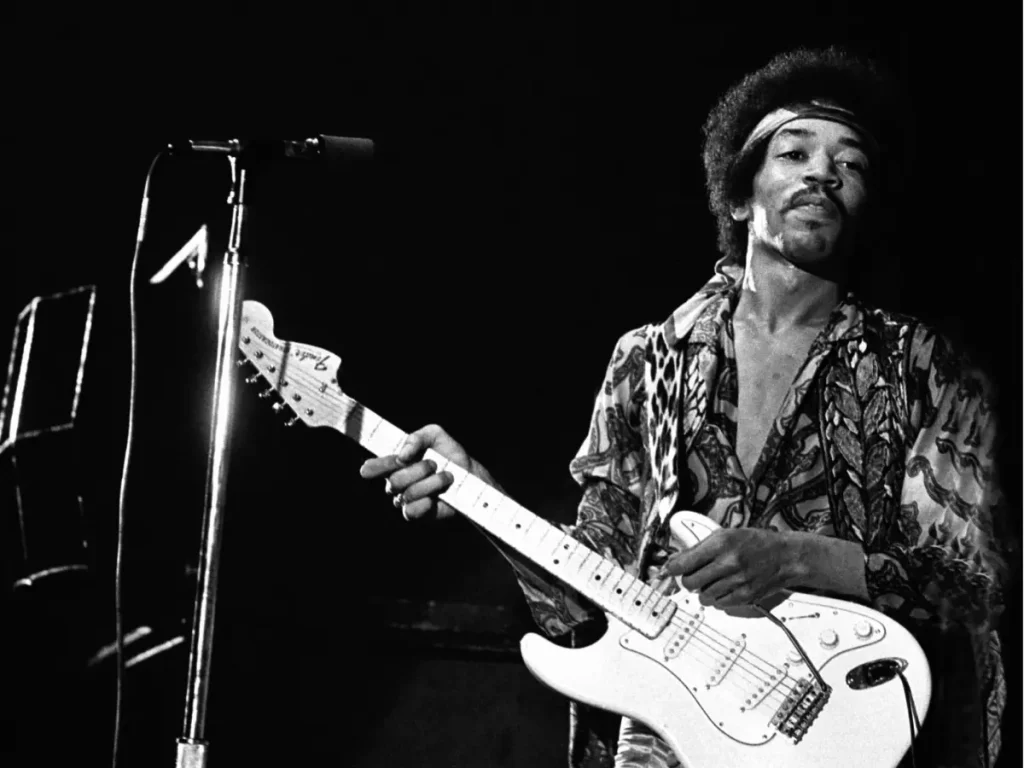
Everyone remembers the Jimi Hendrix who set guitars on fire. Fewer picture the Hendrix who slipped into London clubs, sat in the back, and just listened.
In those short, ferocious years, especially in London, he had two obsessions: hearing musicians he had never encountered before and finding a way to jam with them. That mix of curiosity and risk is nowhere clearer than in his encounters with British blues elders John Mayall and Alexis Korner, and with the wild jazz visionary Rahsaan Roland Kirk.
London: the restless apprentice
Hendrix hit London in late 1966, and within 24 hours he was on stage at the Scotch of St James, sitting in with the house band and debuting his new name to a tiny Mayfair crowd. The club became his calling card, but also one of the places he went simply to soak up what other bands were doing night after night.
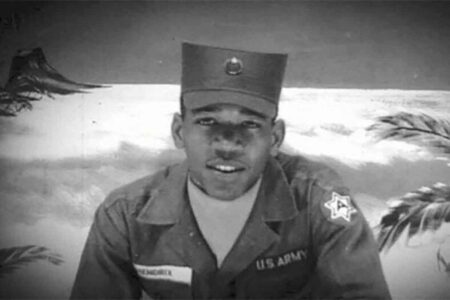
Only a few years earlier he had been an unhappy U.S. Army paratrooper and anonymous R and B sideman, sneaking off base to practice guitar and dreaming of something bigger. London gave him that freedom, yet he approached it less like a conquering hero and more like a student determined to hear everything the city could throw at him.
Klooks Kleek: a cramped classroom in twelve bars
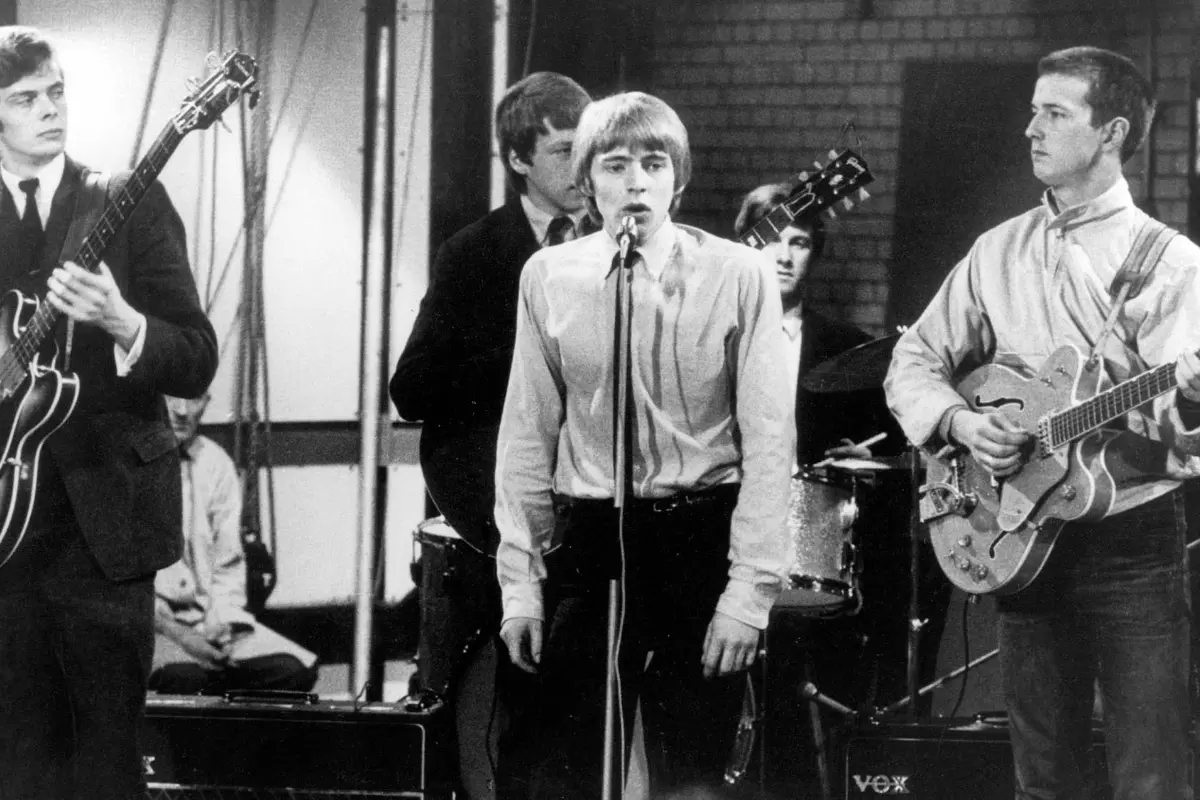
One of his favorite classrooms was Klooks Kleek, the tiny jazz and blues club above the Railway Hotel in West Hampstead, wedged beside Decca Studios. The room held barely a couple of hundred people, but it became a pressure cooker for British blues and visiting American players.
Hendrix did not just headline there; he turned up to sit in. The official Hendrix archives note him jamming with John Mayall and local guitarist Al Sykes at Klooks Kleek on January 2, 1968, and contemporary accounts describe an earlier 1967 night when he slipped on stage with Mayall’s Bluesbreakers and stunned the regulars, part of the same wave that left Cream and the rest of the London scene reeling at his arrival.
John Mayall and Alexis Korner: the elders Jimi deferred to
Mayall was already running what amounted to a graduate school in electric blues, having launched or sharpened the careers of Eric Clapton, Peter Green, and Mick Taylor. Alexis Korner, meanwhile, was the grizzled bandleader and broadcaster often dubbed a father of British blues, an early friend of Hendrix who later wrote and recorded the tribute “Song For Jimi” based on a tune first heard on his American “Get Off Of My Cloud” LP.
What is striking is how openly Hendrix put himself beneath these men. In interviews he talked about Mayall and Korner as players who knew far more about the blues than he probably ever would, a shocking admission from a guitarist many already saw as untouchable.
What Hendrix was really learning
For Hendrix, jamming with the British blues elders was not about cutting heads. It was about stealing ideas and attitudes he could warp into something new. A quick way to see it is to line up who he listened to and what he walked away with:
| Mentor | What Jimi heard | What he stole |
|---|---|---|
| John Mayall | Tight Chicago style blues stretched over long club sets, with ruthless control of volume and space. | How to make a trio feel huge by riding dynamics, leaving gaps, and building solos like stories instead of pure fireworks. |
| Alexis Korner | Blues shot through with jazz horns, gospel shouts, and a revolving cast of younger players. | The idea that blues could be a loose “congregation” rather than a fixed band, and that mixing voices keeps the music alive. |
| Rahsaan Roland Kirk | A one man horn section, circular breathing, political rants, and melodies stacked on top of each other. | The license to treat guitar like an entire horn section, layering riffs, feedback, and noise into a single exploding texture. |
Rahsaan Roland Kirk: the blind one man horn section
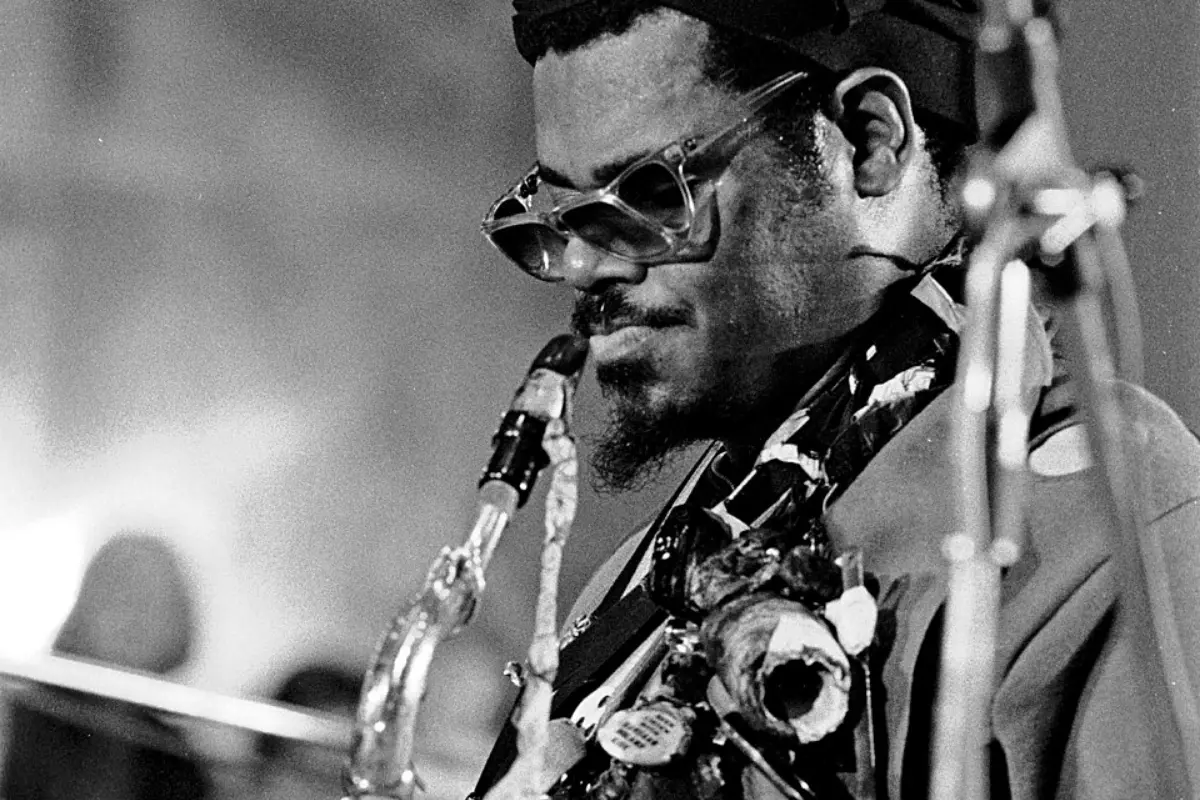
Across town, another kind of master was tearing up Ronnie Scott’s Jazz Club: Rahsaan Roland Kirk, a blind American multi instrumentalist who played tenor sax, flute, clarinet, and oddities like the manzello and stritch, often two or three at once. His shows mixed hard swinging jazz, R and B, soul jazz and political sermons with sheer sonic stunt work.
One newly released recording from Ronnie Scott’s in 1963 captures Kirk with a British rhythm section and underlines how far beyond jazz circles his influence reached; the label’s notes even single out Hendrix as one of the players who idolised him. For a young guitarist obsessed with pushing the electric guitar into strange shapes, Kirk was living proof that an instrument could be treated like an entire section, not just a single voice.
By the late 60s Hendrix was devouring Kirk’s records and catching him live at Ronnie Scott’s. Writer Chris Potash describes how Hendrix regarded Kirk as a kind of idol, hearing in his three horn barrages and circular breathed lines the same urge to blow the rules wide open that drove Jimi’s guitar explosions, and how early jam sessions between them at Ronnie Scott’s revolved around a shared blues core under all the apparent chaos.
In one interview Hendrix raved about “this other cat who plays all the horns, Roland Kirk”, saying he preferred that kind of free form jazz to polite standards and dreaming aloud about having Kirk play with the Experience, a story preserved in a Reddit jazz thread that compiles his comments. The same source traces a March 1969 night when Hendrix again joined Kirk at Ronnie Scott’s, then brought him back to his tiny Brook Street flat, another after hours hang that never made it to official tape but clearly meant the world to Jimi.
The Ronnie Scott’s jams and Hendrix’s final night
Bootlegs and eyewitness accounts suggest that at least one Kirk Hendrix jam at Ronnie’s survives on a murky cassette, all distorted bass vamps, wah drenched guitar, stray trumpet, and snatches of Kirk’s horns fighting through the fog. Even if the sound is rough, the idea is clear enough: a blind jazz shaman and a psychedelic blues guitarist trying to build a single, monstrous improvising machine.
Ronnie Scott’s would also bookend Hendrix’s story. On September 16, 1970 he climbed onstage there with Eric Burdon and War, tearing through “Tobacco Road” and “Mother Earth” in what turned out to be his last public performance, before dying two days later. It is hard not to see a line connecting those nights: Hendrix repeatedly returning to the same small jazz room, not as a rock god headlining an arena, but as a restless listener chasing the next conversation.
What players can steal from Hendrix the listener
It is tempting to treat these stories as trivia for obsessives, but they say something brutally practical about how great players grow. Hendrix did three things in London that any musician can copy today:
- He sought out people who scared him musically and made sure to be in the room, even if he was not on the bill.
- He treated genres as doors, not walls: American blues via Mayall, European jazz blues hybrids via Korner, and radical Black American jazz via Kirk all fed the same imagination.
- When he jammed, he listened first, folded into whatever was happening, then pushed it further, rather than treating every sit in as a chance to show off.
A genius defined by his ears
Hendrix liked to say there was no such thing as “the best” musician, only different messengers. Hearing Kirk at Ronnie Scott’s, he spoke of the saxophonist in almost spiritual terms, a kind of special messenger whose playing was completely unique and unlike anyone else in his world.
The detail that seems to have thrilled him most was not that he had managed to hang with Kirk, but that this blind jazz tornado actually liked his playing. For all the pyrotechnics, that is the real lesson from Jimi’s London nights: the greatest guitarist of his era stayed hungry mainly by being the guy in the corner, ears wide open, waiting for his turn to join the jam.