Picture it: Decca Studios in West Hampstead, late 1966. Producer Mike Vernon walks in expecting Eric Clapton and instead sees a skinny, shy kid with a Les Paul and an unfamiliar amp. Minutes later, British blues has a new problem on its hands – Eric “God” Clapton has just been quietly outgunned.
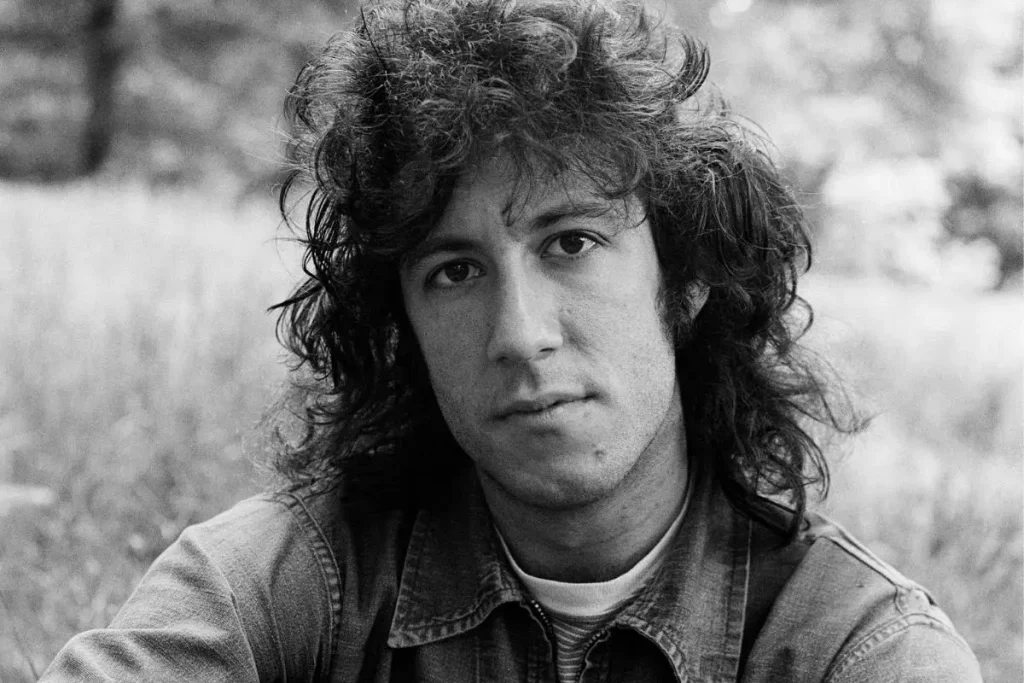
That kid was Peter Green. Within a few months he would turn John Mayall’s A Hard Road into a statement album and prove that Clapton was not the only British guitarist who could make a Les Paul and a Marshall sound like a religious experience.
The day Vernon asked, “Where’s Eric?”
When Green turned up to record with John Mayall’s Bluesbreakers, even Vernon had not been told that Clapton had gone. He and engineer Gus Dudgeon looked at this unknown guitarist and literally asked each other where Eric was, only to be told, almost offhand, that this was Eric’s replacement and that he was just as good.
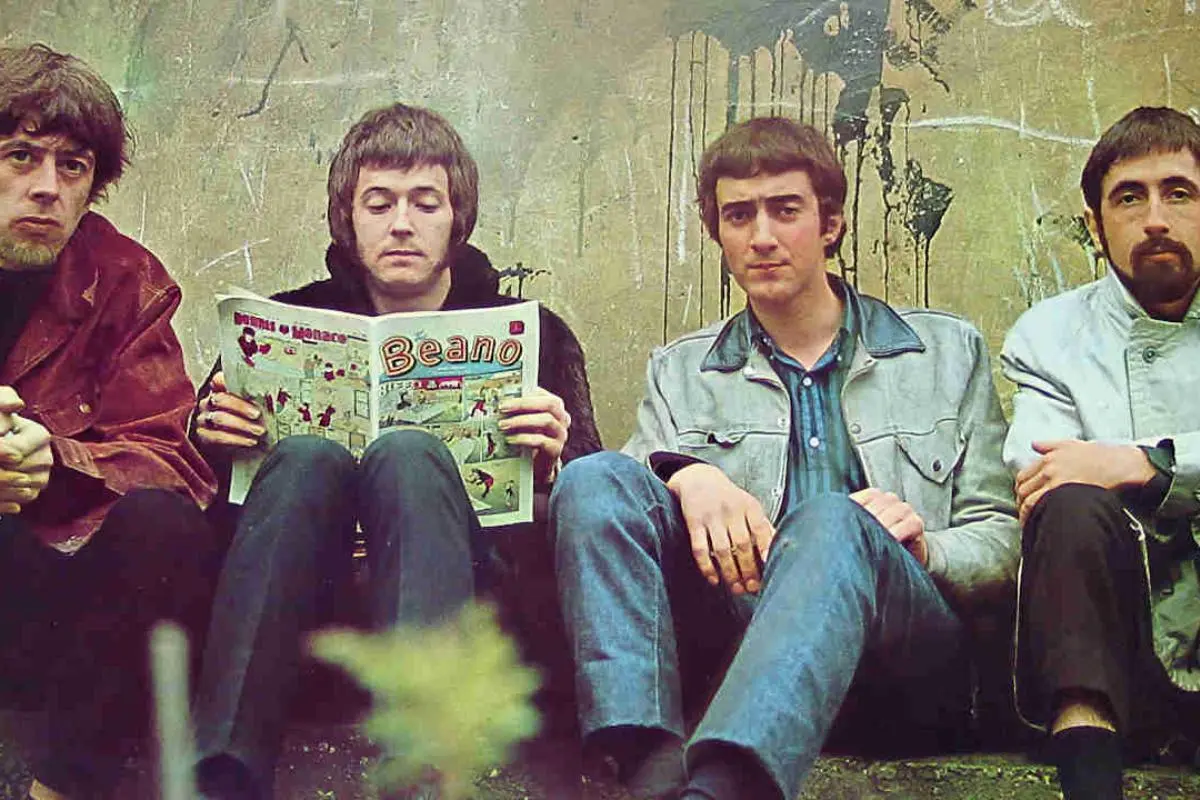
That kind of confidence from Mayall was not casual bravado. Within the first takes, Vernon heard something different from the Beano-era roar: a quieter, more vocal kind of fire, with lines that unfolded like sentences rather than licks pasted over a 12 bar.
Clapton vs Green: two very different kinds of blues power
On Blues Breakers with Eric Clapton, the guitar sits like a battering ram at the center of the mix, fat and aggressive, showing British kids how Chicago tone should sound. A Hard Road, cut the following year with Green, feels like a different animal: leaner, darker, less showy.
Listen to the title track. Where Clapton would likely have filled the solo space with flurries of notes, Green answers Mayall’s anguished vocal with shorter phrases, picked with almost painful restraint. Contemporary commentators noted how economical and understated his playing was compared to Eric’s more explosive style.
Melody vs groove
Clapton’s genius in the Bluesbreakers period was rhythmic authority. He dug into the shuffle like a second drummer, locking his phrases into the pocket with almost brutal insistence. Green, by contrast, was a melodist first and a groove player second.
On tracks like “You Don’t Love Me” and his own “The Same Way”, his solos feel like alternate verses, each note bending into the next like a sung line rather than a stock box-pattern run.S3 It is not that he played fewer notes; it is that he refused to waste any.
Five days at Decca: how ‘A Hard Road’ was really made
The romantic myth is of tortured artists labouring for months. The reality of A Hard Road is much tougher and more old school. The Bluesbreakers cut the album in just five days of sessions spread across October and November 1966, mostly live in the studio with minimal overdubs.
Mayall, Green, John McVie and Aynsley Dunbar were gigging constantly, so they walked into Decca as a battle hardened club band. John McVie later recalled that they would bash out takes live, pack up, and head straight to a show. That urgency is baked into the record’s sound: no fat, no studio gloss, just a band trying to get it down before the tape money ran out.
The Supernatural: when sustain turned ghostly
Nothing on Clapton’s Beano album prepared listeners for “The Supernatural”. Green’s instrumental, sitting near the end of A Hard Road, is two and a half minutes of hanging notes, reverb and feedback that sound less like standard British blues and more like a séance in slow motion.
Critics noticed that the thick sustain and slippery, vocal phrasing on this track pointed directly toward later masterpieces like “Albatross” and “Black Magic Woman”, even anticipating some of Carlos Santana’s long, singing lines. This was not just a kid copying Freddie King; it was a composer using the blues as raw material for something stranger.
Who really dreamed up “The Supernatural”?
Green himself was typically modest about the song. In a later interview he said that producer Mike Vernon came to him with the basic concept after seeing another guitarist hold a high note and let it slide down the neck. Green liked the idea, but insisted that he was the one who chose the final sequence and structure.
That tiny anecdote matters. It shows how Vernon recognised the sound in his head, but it was Green who turned a neat studio notion into an enduring piece of music. It is a perfect snapshot of the A Hard Road sessions: a producer with big ears, and a guitarist who could deliver the goods so quickly that there was barely time to talk about it.
How “Greeny” and an accident created that eerie tone
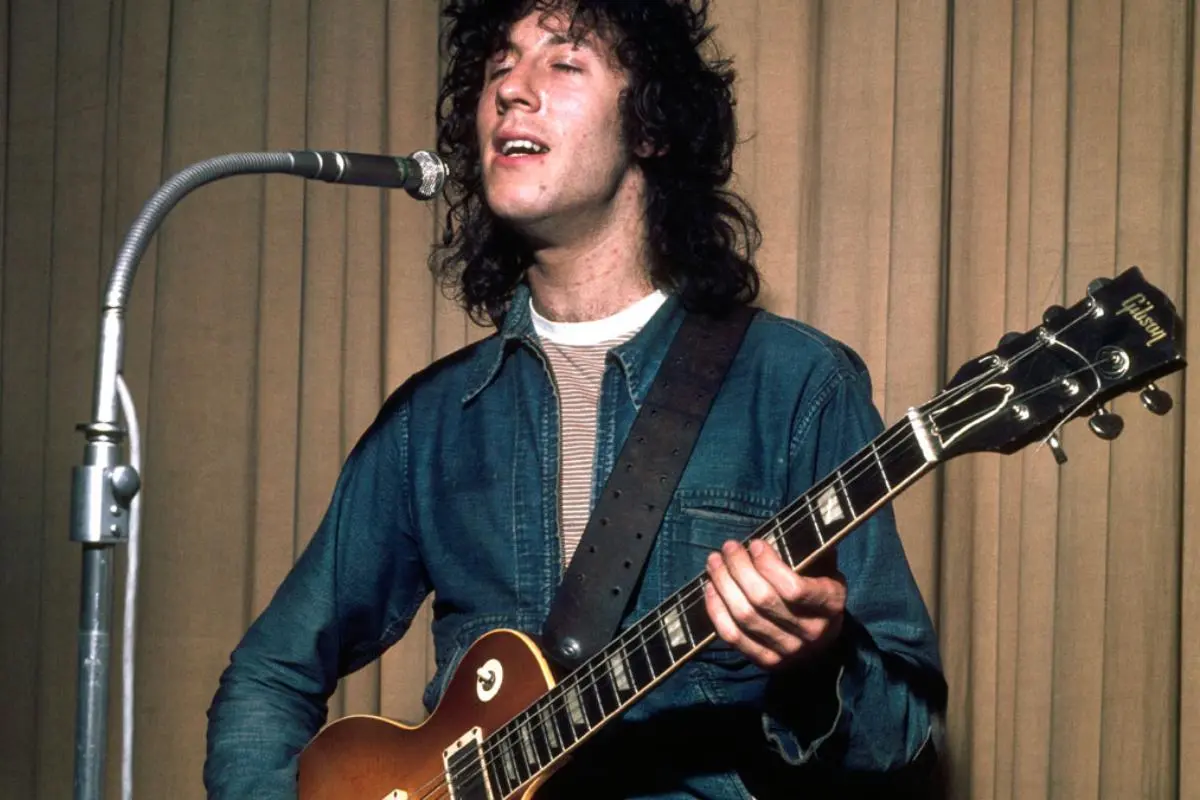
Part of the magic on A Hard Road comes down to wood and wire. Green was using the now legendary 1959 Gibson Les Paul Standard that would come to be nicknamed “Greeny”, plugged into a Marshall combo in deliberate imitation of Clapton’s rig.
Somewhere in the guitar’s history, the neck pickup was reinstalled backwards and its magnet flipped, so that the middle position gave a nasal, hollow, almost Strat like “out of phase” sound. That accident became such a cult tone that modern pickup makers still build dedicated sets to recreate Green’s quacky, vocal mid position, basing their designs on direct measurements of the original guitar.
Clapton vs Green: two Bluesbreakers snapshots
| Feature | Clapton on ‘Beano’ | Green on ‘A Hard Road’ |
|---|---|---|
| Overall feel | Explosive, in your face Chicago attack | Cooler, more haunted, minor key moods |
| Solo approach | Fast flurries, heavy rhythmic drive | Long bends, space, vocal phrasing |
| Signature track | “Hideaway” | “The Supernatural” |
| Studio time | Quick live sessions, under a month | Five days of sessions spread over a month |
Did Peter Green actually out-blues Clapton?
British rock mythology crowned Clapton as “God” in spray paint, but the musicians who lived through the 60s were less sentimental. John Mayall himself said he did not judge guitarists by note count, only by whether they had something moving and original to say, and in that respect Green stood shoulder to shoulder with Eric.
Mike Vernon went a step further. After watching Green blaze through the A Hard Road sessions almost without working parts out in advance, he concluded that Peter was, in his personal estimation, the very best blues guitarist Britain had ever produced. That is a heavy claim from the man who had also recorded Clapton, Mick Taylor and a string of other heavyweights.
Deeper blues, less ego
What truly separates Green from Clapton on record is not chops, but attitude. Clapton’s Bluesbreakers work sounds like a hungry young virtuoso proving a point. Green’s playing already carries an undercurrent of melancholy that feels closer to the emotional world of the original American masters.
B.B. King, who had no reason to flatter a British kid, famously said that Green had “the sweetest tone” he had ever heard and was the only guitarist who ever gave him the cold sweats. Coming from a man who watched every hotshot of the era try to cut heads with him, that is a verdict you ignore at your peril.
‘A Hard Road’ as a launchpad for Fleetwood Mac
A Hard Road did well by any standard for a pure blues LP, breaking the UK Top 10 and cementing Mayall as bandleader in chief of the British scene. But for Peter Green it functioned as a calling card, proof that he could write, sing and carry emotional weight in the spotlight.
Within a year he would peel away with McVie and Mick Fleetwood to form Peter Green’s Fleetwood Mac. Critics have long pointed out that the sustain soaked voicings he explored on “The Supernatural” are the direct ancestors of the oceanic slide and harmony lines on “Albatross” and the seductive minor rumba of “Black Magic Woman”.
What modern guitarists can steal from Peter Green
If you play, A Hard Road is more than a nostalgia trip. It is a masterclass in how to be dangerous without a wall of notes. Here are a few habits worth stealing from Green’s playbook:
- Leave space on purpose. Green lets phrases hang over the bar line instead of cramming every gap. Practice soloing with forced silences and see how much more your bends matter.
- Think like a singer. Many of his lines could be sung back easily. Try limiting yourself to 4 or 5 note motifs and varying only rhythm and vibrato.
- Use the guitar’s quirks. That out of phase middle position on Greeny was an accident, but he leaned into its nasal, crying sound on slow numbers instead of hiding it under thick overdrive.
- Serve the song, not your ego. On several Hard Road tracks, Green steps back to comp or lets Mayall or the horns lead, then steps forward only when the story needs his voice.
- Let the blues be a starting point, not a cage. Green later admitted he found strict 12 bar structures limiting and was drawn to other scales and feels; you can already hear that restless curiosity inside “The Supernatural”.
Conclusion: the quiet assassination of a guitar god
In the span of five short studio days, Peter Green walked into a room where everyone still half believed Clapton was irreplaceable and calmly proved otherwise. A Hard Road does not erase Beano, but it does something more subversive: it makes Clapton sound like the obvious hero, and Green like the haunted outsider you cannot forget.
If Clapton gave British blues its swagger, Green gave it its shiver. That is why, decades later, players are still chasing his tone, swapping magnets to copy his wiring, and quietly admitting that on those 1966 tapes, the kid Mayall said would be the best did, for a moment, live up to the hype.