
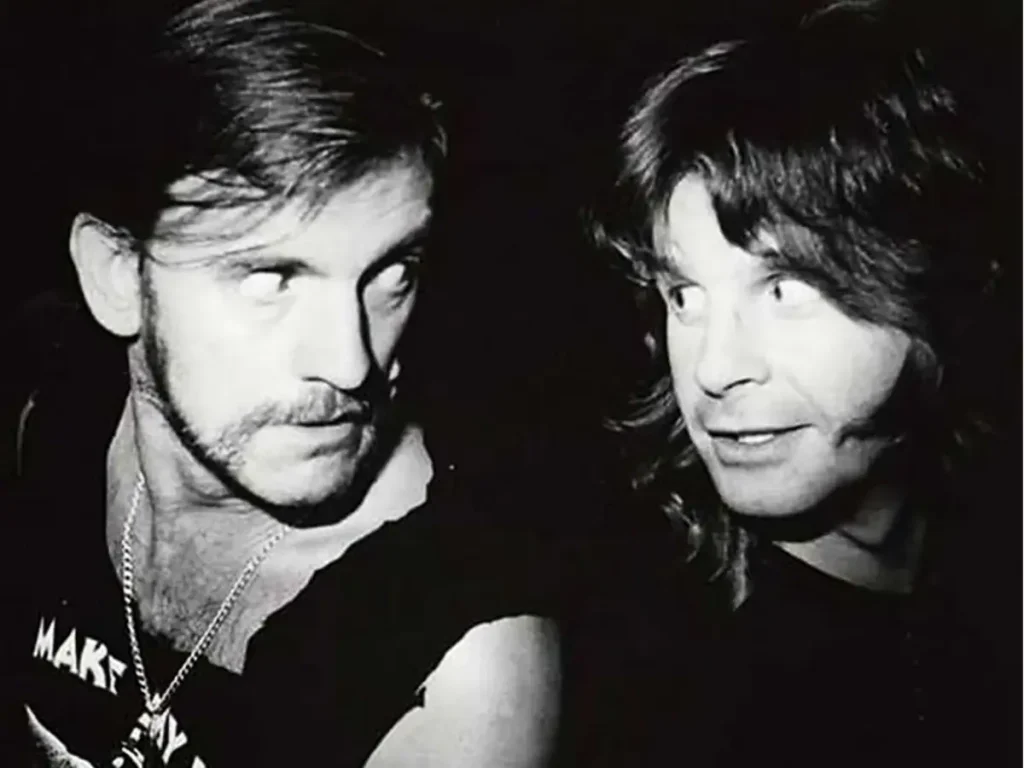
Ozzy Osbourne and Lemmy Kilmister were supposed to be cautionary tales, not cultural pillars. Yet the Sabbath wild man and the Motörhead lifer outlived their own chaos long enough to become the twin reference points for what heavy metal should sound and feel like.
Individually they helped invent the vocabulary of doom and speed. Together they wrote songs, shared stages and drank their way through several eras of rock, welding a genuine friendship to some of the heaviest music ever put on tape.
Two misfits who dragged rock into the dark
Ozzy came out of working class Birmingham with a nasal, haunted wail that turned late 60s blues rock into something colder and more apocalyptic. With Black Sabbath he slowed the tempo, detuned the guitars and made riffs feel like factory machinery grinding up the hippie dream.
Lemmy arrived from the other side of the tracks, a former Hendrix roadie who sang like a diesel engine and treated bass as a rhythm guitar with extra low end. Motörhead’s attack was so loud and fast that punks claimed them, metalheads worshipped them and Lemmy simply insisted it was still just rock n roll played far too loud.
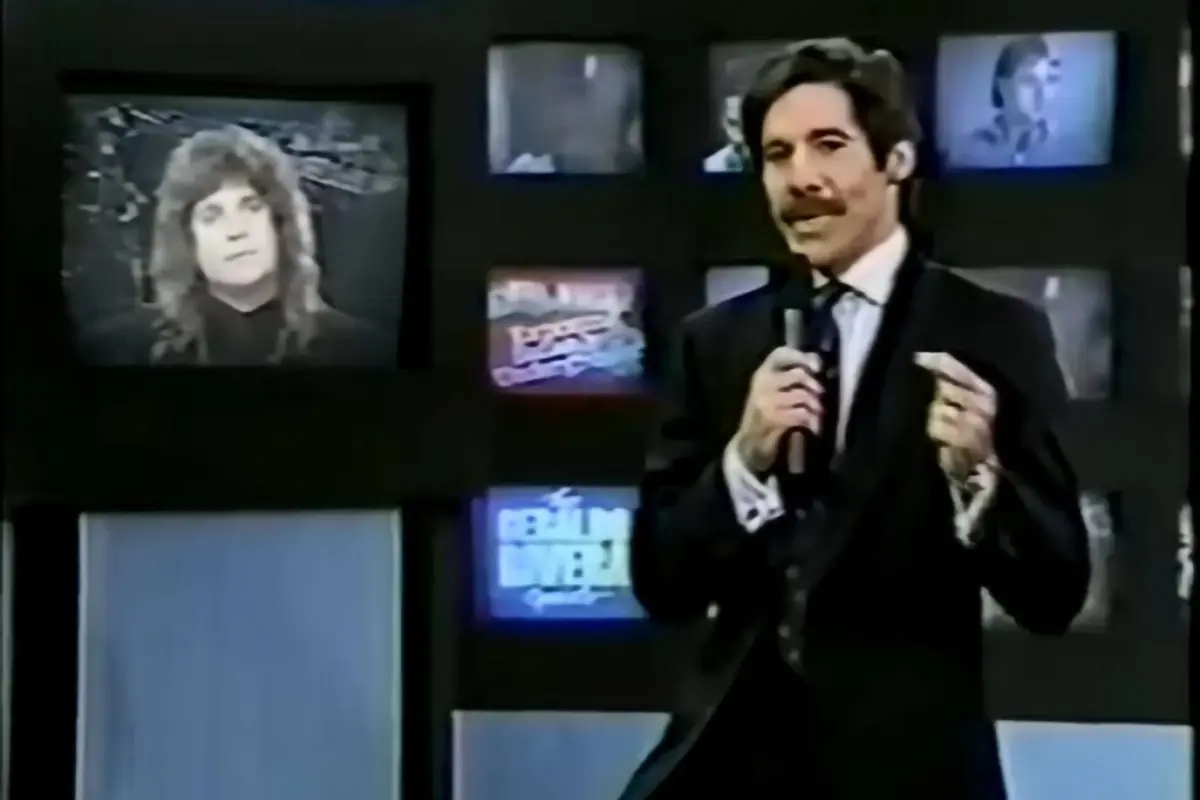
Both men terrified polite society for different reasons. Ozzy turned one panicked bite of a frozen bat in Des Moines into a lifelong Prince of Darkness reputation, complete with rabies shots and tabloid hysteria. When Geraldo Rivera staged his primetime satanic panic circus in 1988, Ozzy appeared via satellite and calmly defended heavy metal while television warned America that bands like his were seducing kids for the devil.
A friendship built on chaos and video games
Somewhere in the late 70s and early 80s those two reputations started colliding in the same dressing rooms, tour buses and hotel bars. Ozzy and Lemmy recognised the same mongrel spirit in each other – no airs, no rock star mystique, just loud music, darker jokes and the understanding that they might not wake up the next morning.
Their unofficial headquarters became the Rainbow Bar and Grill on Sunset Boulevard, where Lemmy all but lived, nursing drinks and hammering arcade cabinets. The 30th anniversary Hellraiser video leans into that history, opening with the pair gaming at the Rainbow before they are dragged into a cartoon apocalypse to recover Lemmy’s stolen bass, while Zakk Wylde recalls Lemmy taking Randy Rhoads out to play Asteroids and Ozzy remembers that writing with Lem was pure laughter, pubs and instinct.
Plenty of rock stars pretend to be outlaws; very few stay friends for decades without some spectacular falling out. The Ozzy and Lemmy bond lasted through divorces, record company disasters, health scares and shifting trends, because underneath the theatrics both men had a surprisingly sharp sense of humour about themselves.
From Ace of Spades to Hellraiser – a shared songbook
The collaboration finally crystallised on Hellraiser, which Ozzy, Lemmy and Zakk Wylde wrote for Ozzy’s 1991 album No More Tears. Motörhead cut their own version for 1992’s March ör Die, and three decades later a mashup single blended both voices for an anniversary release, turning one song into a dual portrait of two singers attacking the same lyrics from opposite ends of hell.
Hellraiser was not a one off. Quietly, in the background of Ozzy’s 90s comeback, Lemmy was becoming his most unlikely secret weapon, helping craft songs that could rip arenas apart and still sound brutally personal.
| Year | Song | Ozzy role | Lemmy role | Where to hear it |
|---|---|---|---|---|
| 1991 | Hellraiser | Lead vocal on a mid tempo bruiser | Co writer, later lead vocal on Motörhead version | No More Tears and Motörhead’s March ör Die |
| 1991 | I Don’t Want To Change The World | Snarling confession over groove metal riffing | Lyricist capturing Ozzy’s warped self awareness | No More Tears |
| 1991 | Desire | Vocals surfing a chugging, almost thrash rhythm | Lyricist framing fame as addiction | No More Tears |
| 1991 | Mama I’m Coming Home | Power ballad voice of a wrecked husband | Lyricist translating Ozzy’s feelings for Sharon | No More Tears |
| 1995 | My Little Man | Fragile, almost whispered delivery | Lyricist writing from a father’s perspective | Ozzmosis |
| 2021 | Hellraiser mashup | Shared lead vocal with archival Lemmy tracks | Posthumous duet partner and lyrical co author | 30th anniversary editions of No More Tears |
Lemmy the ghostwriter behind Ozzy’s most human songs
Ozzy freely admitted he struggled to finish lyrics, so when it came time to sharpen the songs for No More Tears he brought in his drinking buddy. He handed Lemmy a cassette, some sketchy words and even a World War II book to chew on, expecting the job to take days; a few hours later Lemmy had devoured the book and delivered finished lyrics for I Don’t Want To Change The World, Desire, Hellraiser and the ballad Mama I’m Coming Home, later joking that he made more money from those Ozzy songs than from fifteen years of Motörhead.
That twist is almost too poetic. The man who personified speed, war and volume helped craft Ozzy’s most vulnerable lyrics, stepping into his friend’s head long enough to translate hangovers, guilt and devotion into lines every touring musician recognises.
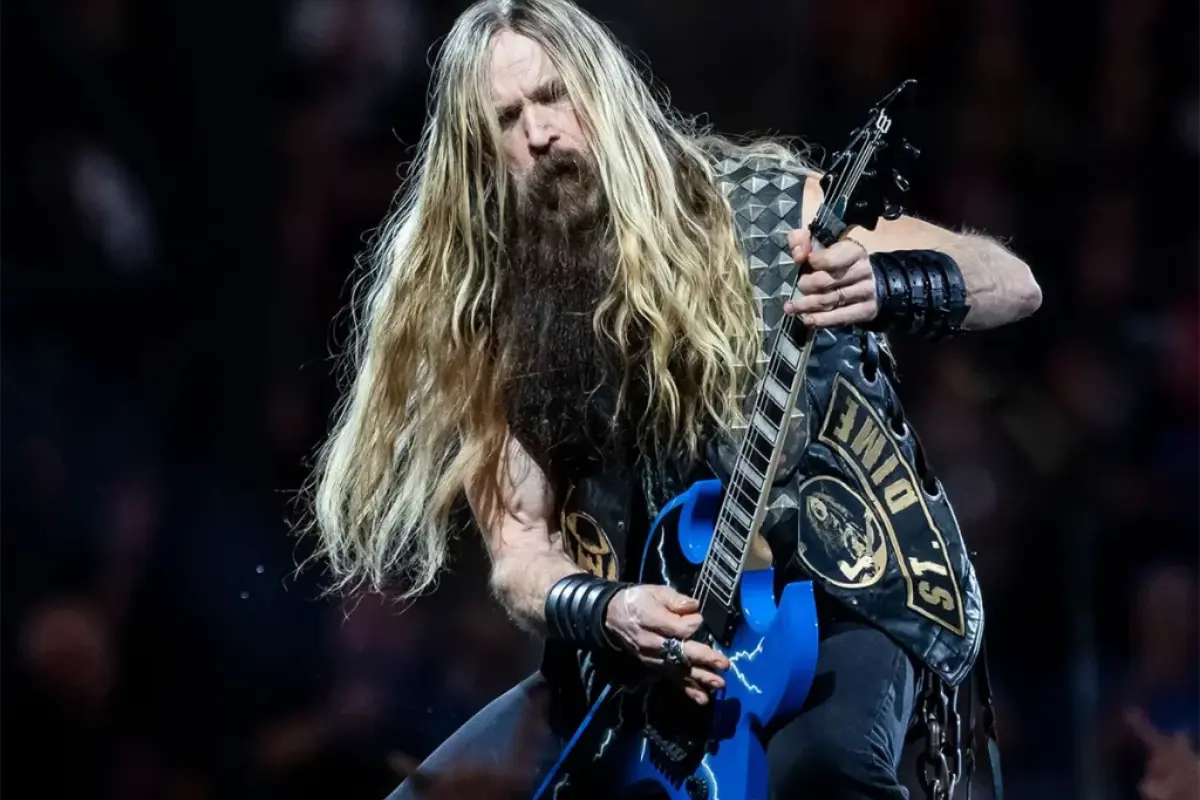
The music underneath those lyrics was just as calculated. Zakk Wylde has explained how Mama I’m Coming Home was born on a beat up piano in a North Hollywood apartment, then moved to open E tuned guitar where he could lean into Allman Brothers style bends and Eagles like chord moves while still sounding unmistakably like Ozzy’s hired gun.
Two deaths that closed an era
Lemmy’s body finally cashed the cheque his lifestyle had been writing when he died in Los Angeles on 28 December 2015, aged 70, only days after learning he had an extremely aggressive cancer. Motörhead announced his death with a plea to blast his music loud, and Ozzy tweeted that he had lost one of his best friends, calling Lemmy a warrior and a legend he expected to see on the other side.
A decade later the book closed on the other half of the partnership when Ozzy died at 76 after a heart attack, with Parkinson’s disease and coronary artery disease listed as contributing conditions, only weeks after a final Black Sabbath reunion concert in England.
What modern players can steal from Ozzy and Lemmy
If you are a musician staring at a laptop and wondering what to actually learn from two self described lunatics, start here.
- Commit to a sound, not a fashion. Sabbath and Motörhead were mocked as crude when they started; their guitar and bass tones seemed too ugly even for rock. Decades later those exact sounds are the benchmarks everyone else is still chasing.
- Use the bass as a weapon. Lemmy did not hide behind root notes; he played distorted chords and midrange heavy riffs that locked with the drums like a second rhythm guitar. If your bass tone disappears in the mix, you are doing the opposite of Lemmy.
- Let lyrics come from someone who actually knows you. Ozzy could have hired anonymous hit makers, but the words that stuck came from a friend who had slept on the same buses and made the same mistakes. If you cannot find your own voice, collaborate with someone who has watched you fall apart up close.
- Lean into the contrast. The reason a song like Mama I’m Coming Home hits so hard is that it is sung by the guy who also howled through tracks like War Pigs and Ace of Spades. Clean choruses sound braver when they come from singers who are not afraid to be ugly elsewhere.
- Be larger than life, but never fake. Ozzy bit a bat because he thought it was rubber, and Lemmy collected controversial memorabilia for the uniforms, not the ideology; both faced scandals, but neither felt like a manufactured outrage machine. Modern audiences can smell PR stunts a mile away, yet they still respond to unfiltered weirdness.
Why their shadow still looms over metal
Strip away the myths, and what is left is brutally simple. Two working class Brits turned volume, groove and blunt honesty into careers that outlived entire subgenres, then used their friendship to squeeze one last set of classics out of an industry that rarely rewards lifers.
The streaming era will produce virtuosos, influencers and festival headliners, but it is hard to imagine it creating another Ozzy and Lemmy shaped hole in the culture. Their songs, stories and screw ups are a reminder that heavy metal did not start as a safe space; it started as the sound of people who had nothing left to lose, laughing at the void together.


