
Keith Richards and Bill Wyman spent three decades standing a few feet apart yet seemed to live in different bands. One was the pirate king of rock guitar, the other the stone-faced bassist who barely moved but made the songs breathe.
The truth is that their relationship was never as explosive as Jagger versus Richards, but it was far more complicated than the still photos suggest. It mixed musical telepathy, financial resentment, bruised egos and, finally, a late-life truce.
Two very different Stones in the early 60s
When Wyman auditioned for the Rollin Stones in late 1962 he was not a teenage dreamer like Keith. He was a married ex-RAF conscript, a few years older, with his own homemade bass, proper amp and a bricklayer’s work ethic that impressed the band.
Offstage he quickly earned the nickname the silent Stone, keeping meticulous diaries and collecting every scrap of Rolling Stones paper he could lay hands on. Those habits later became the backbone of his book Stone Alone, which reads like a ledger of the group’s wildest years.
Richards, by contrast, was the skinny art school guitar nut glued to his records and to Mick Jagger. If Keith was the band’s romantic outlaw, Bill was the bloke who knew where the receipts were. They bonded less over personality and more over the simple need to make this rough new R&B group sound like a real band.
The musical chemistry: riffs on top, rumble underneath
Listen to the classic run from Satisfaction through Exile On Main St and you hear how dependent Richards is on the rhythm section he stands in front of. Wyman rarely plays busy lines; he sits behind the beat, often doubling Charlie Watts with a lazy but deadly precision that gives Keith room to slash chords in open tunings.
Richards has been openly in awe of that feel, calling Wyman an incredible bass player and describing him as a sensitive, tasteful musician who, in Keith’s words, is the top bass player for him. Whatever else went on between them, there is no real daylight in how highly Keith rates Bill’s playing.
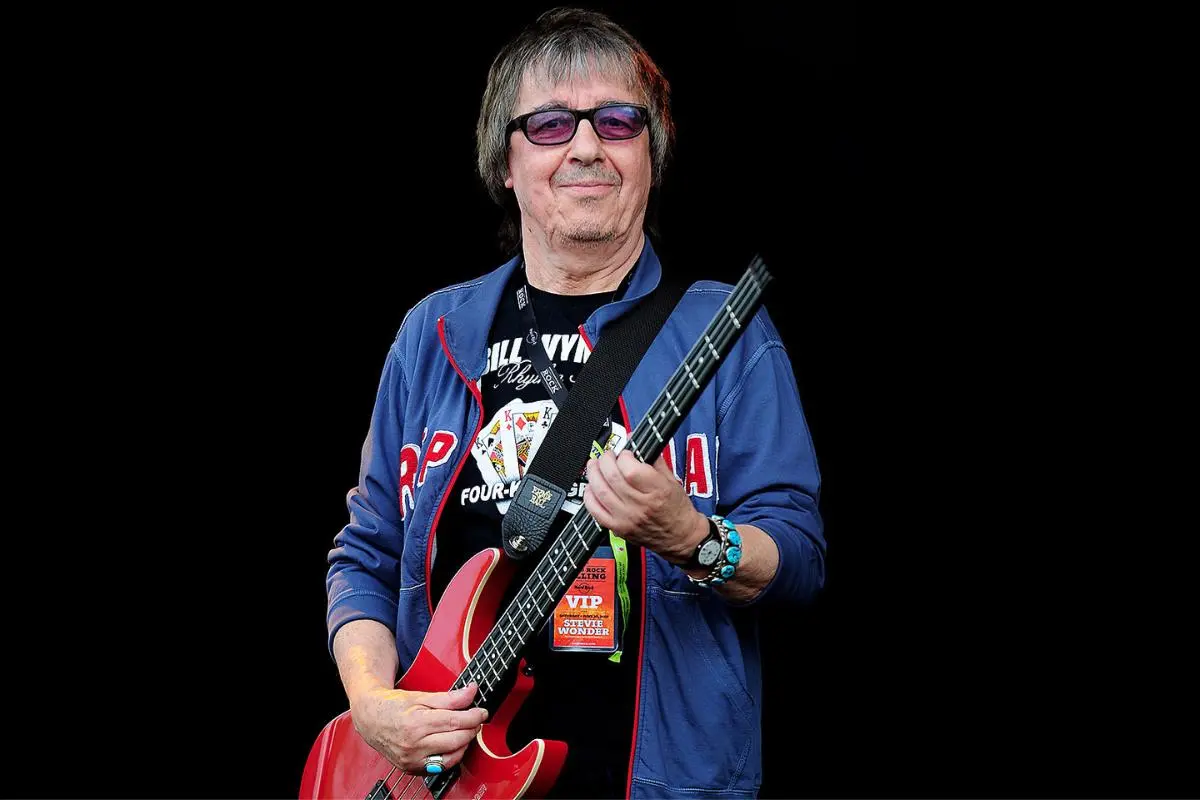
| Year | Keith & Bill flashpoint |
|---|---|
| 1962 | Wyman joins the band, partly because he owns better gear than anyone else. |
| 1965-72 | The Richards-Wyman-Watts engine powers the classic run from Out Of Our Heads to Exile On Main St. |
| 1970s | Songwriting royalties start to split Mick and Keith from the rest of the band financially. |
| 1991-93 | Wyman quits; the band refuse to believe it is real until they have to tour again. |
| 2012 | Brief reunion at the O2 in London; old wounds quietly resurface. |
| 2023 | Wyman records bass on one track for Hackney Diamonds, his first Stones studio appearance since 1991. |
Flexibility in the studio, not a bass war
One myth fans love is that Keith playing bass on certain tracks was some kind of power grab. In reality, both men have described a much more pragmatic setup. Richards has said that if he had a very specific part in mind he might lay it down himself, or Wyman would simply tell him that he already had it and should just play it, as he recalled in a later interview.
The result is that on songs like Jumpin Jack Flash or Street Fighting Man you sometimes hear Keith on bass and Bill on keyboards or percussion. Far from a feud, it was two craftsmen moving pieces around to get the track over the line. If anything, it shows a level of trust between them that many headline-grabbing rock pairs never reach.
Business, money and quiet resentment
Where the cracks show is not so much in the music as in the money. In a recent interview Wyman laid out just how skewed the finances became once the Jagger-Richards songwriting credits started piling up. Living in grand country houses did not mean everyone was rich; Wyman recalled bank overdrafts and begging managers for cash while pointing out that Mick and Keith were totally wealthy on publishing while he, Charlie Watts and Ronnie Wood were scraping by.
That kind of two-tier band will strain any working relationship. Wyman has also been outspoken about how the Stones story is written, publicly correcting a Dartford railway plaque that implied Jagger and Richards founded the band. He insisted that it was Brian Jones who named the group, chose the music and recruited the others one by one.
Read between the lines and you can see why a methodical, working class player like Bill might bristle at the growing Glimmer Twins myth. Keith was not just the riff machine at his shoulder; he was also half of the partnership that got richer and more central in every telling of the story.
Walking away: Bill’s exit and Keith’s response
By the end of the long Steel Wheels and Urban Jungle cycle around 1989 and 1990, Wyman was done with the circus. He later said he effectively left in 1991, but the Stones refused to accept the resignation for two years, still asking if he was really quitting even as they planned a new tour, as he recounted years later.
Wyman has explained that he simply wanted a different life: writing books, digging up history as an amateur archaeologist, taking photographs and playing smaller-scale music instead of stadiums. That desire to step away from the rock circuit and focus on quieter pursuits is something he has described in detail in interviews about his post-Stones years. For a man who had clocked thirty one years in the same band, that is less betrayal and more a late bid for sanity.
Richards’ public reaction was famously icy. When asked about losing his old bassist as the group geared up to tour without him, Keith shrugged that it was not like it was Charlie Watts leaving, a cutting line captured in a documentary-era profile. It is a brutally honest comment that tells you everything about the Stones internal hierarchy: Keith respected Bill, but in his mind the truly irreplaceable partnership was guitar and drums.
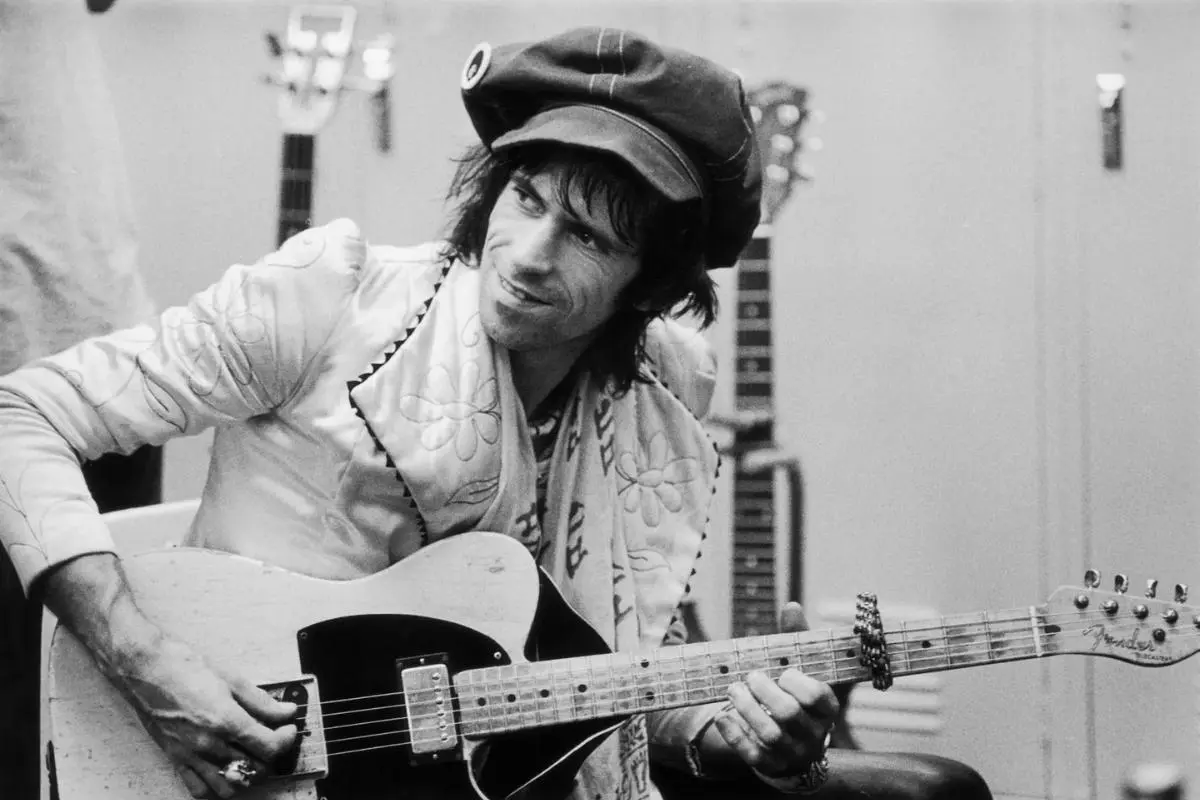
Reunions, slights and late-career respect
Time has softened some of that stance. Wyman has said that after an initially tense period, the relationship with his old bandmates eventually rebuilt. In one interview he joked that Keith still sends him scented candles at Christmas and described their connection as like distant relatives you are fond of but do not need to see all the time, as he put it when discussing his ongoing contact with Richards.
At the same time he is blunt about how they behaved when he first left. He remembers Mick making flippant comments about just playing bass himself, and Keith quipping that nobody leaves this band unless they are in a wooden box, before Jagger and Watts finally came to his house trying to talk him out of it. Those memories of tough jokes and last-ditch visits surface in several retrospective conversations Wyman has given.
The 2012 O2 Arena shows for the band’s 50th anniversary exposed both warmth and lingering control issues. Wyman agreed to appear but was limited to just two numbers a night, something he later said felt like a punishment for leaving, as if he was being brought on as an afterthought rather than as a founding member, in a birthday tribute that touched on the reunion.
Since then he has been polite but firm about not rejoining. Even when he returned to the studio to play bass on the track Live By The Sword for the Stones album Hackney Diamonds – his first appearance on a Stones studio recording since the early 1990s – he did it purely as a guest, not as a man asking for his old job back.
So what was their relationship, really?
The easy headline would be to call Keith and Bill enemies or best friends, but neither label fits. They were colleagues who built something enormous together, shared wild decades on the road, and then chose very different ways of growing old.
On the musical level the respect is undeniable. Richards has repeatedly defended Wyman’s contribution to the Stones sound and continues to single him out as a favourite bassist, while Wyman freely credits Keith’s riffs for giving his own parts something to wrap around, as captured in various reflections on their playing together.
On the personal level, their story is cooler and more English. There were hurt feelings over money, status and the way Wyman’s departure was handled. There were later gestures of affection, birthday and Christmas gifts, and the odd reunion where everyone pretended nothing was awkward even when it clearly was.
Conclusion: a partnership you hear more than you see
If you are looking for screaming matches and guitar-throwing, the Richards-Wyman relationship will feel strangely muted. The real drama is in what their playing did together, not in what they shouted at each other.
Put on Gimme Shelter, Rocks Off or Miss You and focus on the low end locking to the snare while Keith chops up the groove on top. That is the sound of a guitarist and a bassist who did not need to share a microphone or a myth to share a feel. Whatever resentments passed between them, the records still testify to a bond built on rhythm, and in the end that might be the only kind of friendship that really matters in rock and roll.