
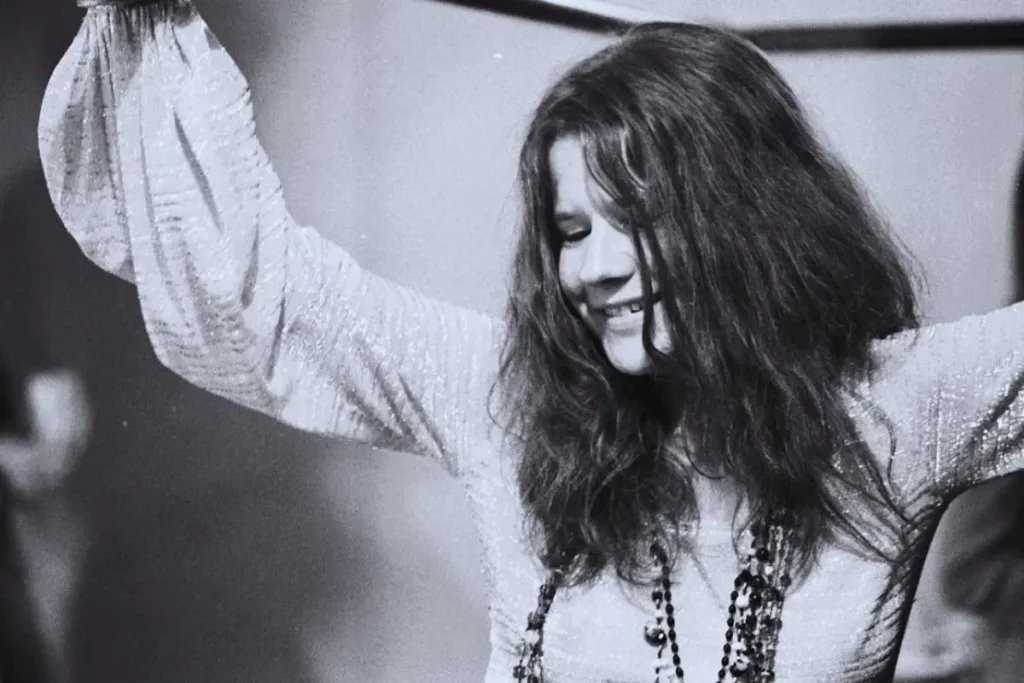
Janis Joplin could make a crowd feel like a single organism: sweating, singing, pleading back at her as if she were a revival preacher with a broken halo. Yet the most chilling detail in her story is not a performance clip or a famous photo. It is the mundane quiet of a hotel corridor and a closed door.
The popular retellings of her death often lean cinematic: a “27 Club” omen, a doomed genius narrative, a single bad decision. The reality is harsher and more instructive. It is the slow grind of isolation, the volatility of street drugs, and the way stardom can amplify emptiness instead of curing it.
Room 105: what can (and cannot) be said with confidence
Joplin died in early October 1970 in a Hollywood hotel, while in Los Angeles working on what became Pearl. Many later accounts add vivid micro-details (coins in hand, cigarette runs, lobby sightings), but not every dramatic flourish is equally documented in primary records.
What is widely supported by mainstream biographies and overviews of her death is straightforward: she was found dead, her death was ruled an accidental heroin overdose, and she was in the middle of recording Pearl when it happened.
It is also reliable that the record she left behind was completed and released posthumously, and that one track, “Buried Alive in the Blues” is famously missing her vocal because she died before recording it.
“Freedom’s just another word for nothin’ left to lose.”
– Janis Joplin (sung on “Me and Bobby McGee”)
That line lands differently when you remember: the night can be loud, the hallway can be silent, and both can be true in the same life.
“Pearl” wasn’t a goodbye album. It was a leveling-up album.
The laziest claim about Pearl is that it sounds like a farewell letter. Listen closer and it is more like a consolidation of power: tighter band interplay, more control over pacing, and a singer who had stopped apologizing for how big her feelings were.
Pearl was released after her death, becoming her best-selling studio album and the one most casual listeners use as a shorthand for her whole career. That matters because it encourages a myth: that the “real” Janis is the last Janis, frozen at 27, eternally mid-scream.
But the sessions show something else: a working professional who had plans for tomorrow. She was not arranging a tragedy; she was chasing a take.
Why “Buried Alive in the Blues” hits like a ghost
“Buried Alive in the Blues” is the track people cite when they want to romanticize the story. Resist that temptation. The song is a practical studio artifact: the band cut the backing track, and the singer never returned to add a vocal.
In other words, the haunting quality is not fate. It is scheduling, addiction, and a body that did not make it to the microphone.
The edgy claim: fame didn’t kill Janis. The fantasy that fame fixes pain did.
Here is the provocation worth arguing with: the “Janis died because she lived too hard” trope is comforting because it blames personality instead of conditions. It makes death feel like a character flaw rather than a public-health reality.
Heroin is not a poetic substance. It is an unpredictable respiratory depressant that can kill quickly, particularly when purity varies and when alcohol or other depressants are involved. Overdose prevention guidance emphasizes this as a systems problem, not a morality play.
And addiction is not just “bad habits.” Major medical authorities describe substance use disorder as a complex condition involving brain changes, risk factors, and relapse vulnerability – not a simple failure of willpower.
Janis’s voice: technique, risk, and why it felt like truth
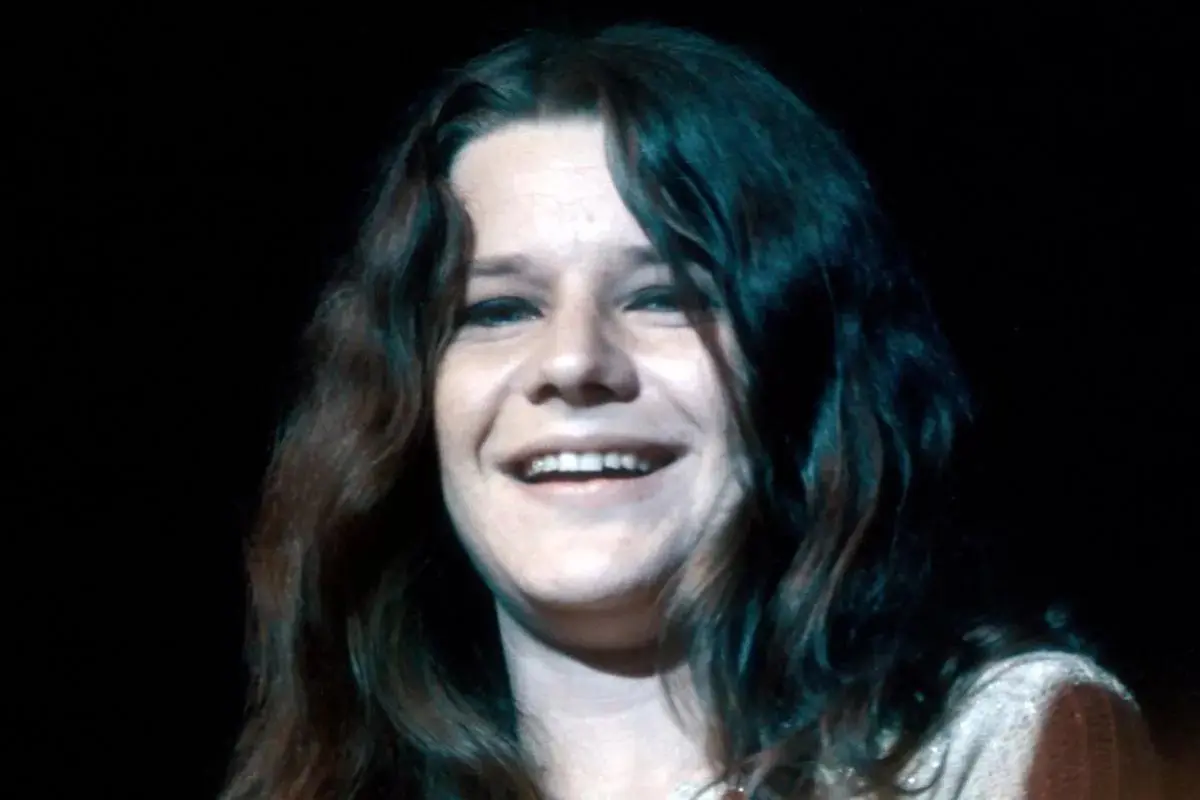
Joplin is often described as a “natural,” but her impact was partly craft: phrasing that drags behind the beat, dynamic swings that turn a lyric into a confession, and a willingness to let the voice fray for emotional emphasis.
She sang with the swagger of blues tradition while bringing a rock-frontwoman intensity that was still rare for women in that era. Overviews of her life consistently frame her as a central figure in late-1960s counterculture and blues-rock crossover.
If you are a singer reading this, take the practical lesson: grit is an effect, not an identity. You can study distortion, placement, and breath management without confusing damage with authenticity.
The “psychedelic Porsche” detail, and why it matters musically
One of the most striking symbols attached to Joplin is her painted Porsche. It is easy to dismiss as a colorful footnote, but it illustrates the era’s collision of art, commerce, and self-mythmaking: you could literally drive your persona through the streets.
The history and cultural afterlife of Joplin’s psychedelic Porsche has been covered in detail, including how the car became part artifact, part legend.
That matters because the 1960s marketed rebellion as a lifestyle accessory, and rock stars were both consumers and products. Joplin’s brand was “raw,” but the machinery around her was anything but.
Loneliness isn’t a vibe. It is a risk factor.
Many fan narratives treat loneliness as the aesthetic price of genius. In reality, isolation can worsen substance use and mental-health struggles, and co-occurring conditions are common enough that mainstream mental-health resources explicitly address the overlap between substance use and mental health.
The hard part is that loneliness can exist even when you are surrounded by people. Touring creates constant motion but not necessarily secure attachment. Studio work can be collaborative while still emotionally solitary. Fame can multiply interactions while shrinking trust.
A quick myth-vs-reality table
| Myth | Reality |
|---|---|
| “The 27 Club is destiny.” | It is a storytelling pattern that can distract from prevention, treatment, and harm reduction. |
| “One bad batch is the whole story.” | Drug purity and context matter, but addiction risk accumulates over time and across environments. |
| “She was too wild to be saved.” | Overdose is often survivable with timely intervention; prevention is possible. |
| “Pearl sounds like a goodbye.” | It sounds like momentum interrupted – an album reaching for the next level. |
The aftershock: how “Pearl” taught the industry the wrong lesson
After Joplin, the music business kept selling the image of the artist who burns out in public. It is a profitable narrative because it turns a preventable death into a collectible story: documentaries, box sets, anniversary specials, the same photos reprinted like holy cards.
But Pearl also demonstrates a more useful takeaway: the studio is a workplace, and artists need workplace protections. Modern readers should not just mourn the loss; they should ask what support structures existed around her, and which ones were missing.
Contemporary retrospectives still emphasize that she was working steadily in 1970 and that her death was sudden, not staged; even lightweight pop-history roundups stress how her cover helped cement “Me and Bobby McGee” into the culture. That should reframe the story from “inevitable tragedy” to “catastrophic interruption.”
Listening guide: hear the human, not the headline
If you want to understand why Joplin still matters musically, skip the lore and do a focused listen. Use this as a short, practical ritual.
1) Listen for timing, not volume
- On uptempo tracks, notice how she leans behind the beat, then snaps forward at emotional peaks.
- Mark one line per verse where her consonants hit late or early and ask why.
2) Separate rasp from pitch
- Write down where the grit increases – is it on the chorus, the final refrain, or specific words?
- Notice that she can be surprisingly precise even when the tone is shredded.
3) Play “Me and Bobby McGee” as a songwriting lesson
Joplin’s version helped cement the song’s pop-cultural status, but it was written by Kris Kristofferson and Fred Foster, a reminder that great vocal interpretation can turn strong writing into a cultural event; her official biography also notes her late-career rise and legacy, including how she became one of rock’s most influential singers.
A note on the last-night narratives (and why we love them)
The story you provided reads like noir: cigarettes, unanswered calls, footsteps in a corridor. Some details match common accounts; others vary depending on the retelling. The human impulse is to make the ending “meaningful” by sharpening it into a scene.
But the scene that matters is bigger than a hallway. It is the collision of counterculture glamour with medical reality, and the way the world applauded her pain until it stopped being entertaining.
Conclusion: the door closes, but the lesson doesn’t
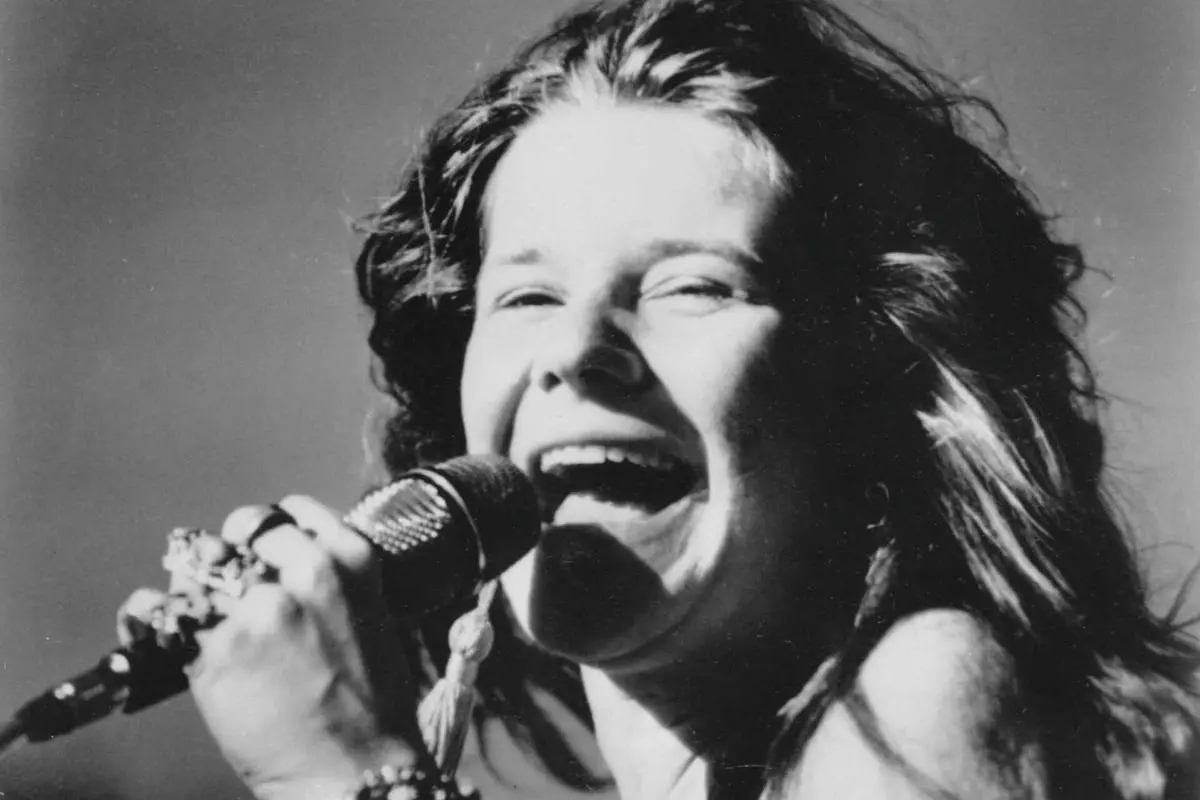
Janis Joplin’s last night is often used as mythology. Treat it instead as a warning label on the myth of rock invincibility. Pearl is not valuable because it is posthumous; it is valuable because it is excellent, and because it documents a life that was still in motion when it ended.
If there is a single takeaway for music lovers, it is this: listen bravely, but don’t romanticize the damage. The voice is eternal on tape, but the person never is.


