
“Hot Rod Lincoln” is one of those songs that sounds like pure fun until you realize it is basically a two-and-a-half-minute public service announcement about speed, ego, and gravity. It began as an “answer song” in the 1950s, got retooled for the new decade’s car-culture bragging rights, and then was reborn in the 1970s as a country-rock staple that still gets airplay because it is funny, fast, and faintly dangerous. If rock and roll has a folk tradition, this is it: a story that survives because people keep retelling it with new parts under the hood.
What “Hot Rod Lincoln” is really about
At the surface, it is a tall tale about a souped-up Lincoln and a driver who cannot resist a challenge. Underneath, it is a map of mid-century American thrill-seeking: a run north out of the Los Angeles area, the long pull toward the Grapevine, and a race that escalates from bragging to catastrophe. The plot is simple, but the cadence makes it feel inevitable, like the narrator is locked into the throttle.
The song’s origin is tightly tied to another car-song narrative, “Hot Rod Race,” which set the template for competitive, comic storytelling on wheels. “Hot Rod Lincoln” was written and recorded by Charlie Ryan and first released in the mid-1950s, explicitly positioned as a reply to Arkie Shibley’s earlier hit “Hot Rod Race.” The idea of a musical clapback is older than the term, but the 1950s made it a cottage industry in pop and country. “Answer songs” were a reliable way to ride a proven premise, then sharpen it into your own punchline.
The 1950s context: car songs as American folklore
Hot rod songs did not just celebrate speed; they turned speed into identity. In the postwar years, teenagers and young adults had more access to cars, more access to radios, and plenty of reasons to treat highways like a stage. The car became a musical instrument of its own: the engine note, the squeal, the implied risk.
“Hot Rod Lincoln” also functions like a regional road story. The route name-dropping matters because it anchors the comedy in a real landscape: U.S. Route 99 and the Grapevine grade. That detail hits differently if you know that Route 99 once served as a major north-south artery on the West Coast before the Interstate era reshaped traffic and culture.
“Our cars are not just transportation. They are chapters in our autobiography.”
Jason B. Jones, Utah State University Digital Commons (library essay collection) cataloged references to “Hot Rod Lincoln” across library collections
Charlie Ryan’s original: an answer song with a sharp grin
Charlie Ryan’s take is the foundational blueprint: a narrative sung with a wink, using that spoken-sung momentum that makes you lean forward like you are in the passenger seat. In this era, the record itself was the vehicle, and the performance style did a lot of the “special effects.”
For researchers, label scans, session details, and exact pressing data can be slippery to verify across the modern web because many discography databases block automated access. Still, authoritative catalog-style confirmation exists in library and archival contexts, and you can also cross-check composition/rights records.
Why the lyrics feel cinematic
The song works because it uses three tricks that are basically screenwriting: escalating stakes, specific geography, and a narrator who sounds like he is confessing while he brags. Each verse functions like a cut to the next scene, and the chorus-level hook is the car itself, mythologized into a character.
Musically, it sits in the overlap zone between country storytelling and rockabilly propulsion. That hybrid is part of why the song can be revived by artists in different lanes, from straight country to roots-rock.
Johnny Bond’s 1960 version: same story, new engine
By 1960, the culture had changed, and so did the song. Johnny Bond recorded his own version and it became a national pop-charting single. Bond’s rewrite did more than update slang; it adjusted mechanical details and pacing in a way that made the tale feel “current” for the decade’s listeners. The central narrative remained intact because the hook was timeless: a driver sees a challenge and instantly makes it personal.
Bond’s single is widely reported to have reached the Billboard Hot 100, and chart claims are best treated carefully unless you can verify them in a primary chart archive. OfficialCharts.com is useful for UK searches, but it is not the right tool for U.S. Hot 100 verification. Here, the safest move is to frame Bond’s success generally and focus on the more thoroughly documented later hit version, while noting that Bond’s recording is an important transitional template that later performers borrowed from.
The sequel factor: “X-15” and the urge to top the story
One of the funniest things about “Hot Rod Lincoln” is that it encourages escalation. Once you have turned a car into a legend, you almost have to push the myth into the sky. Bond’s “X-15” sequel concept fits that logic: if cars are not enough, make it an air race. Even when listeners have not heard the sequel, the mere existence of it shows how the original story invites bigger, louder retellings.
Commander Cody’s 1971 version: the one that blew the doors off
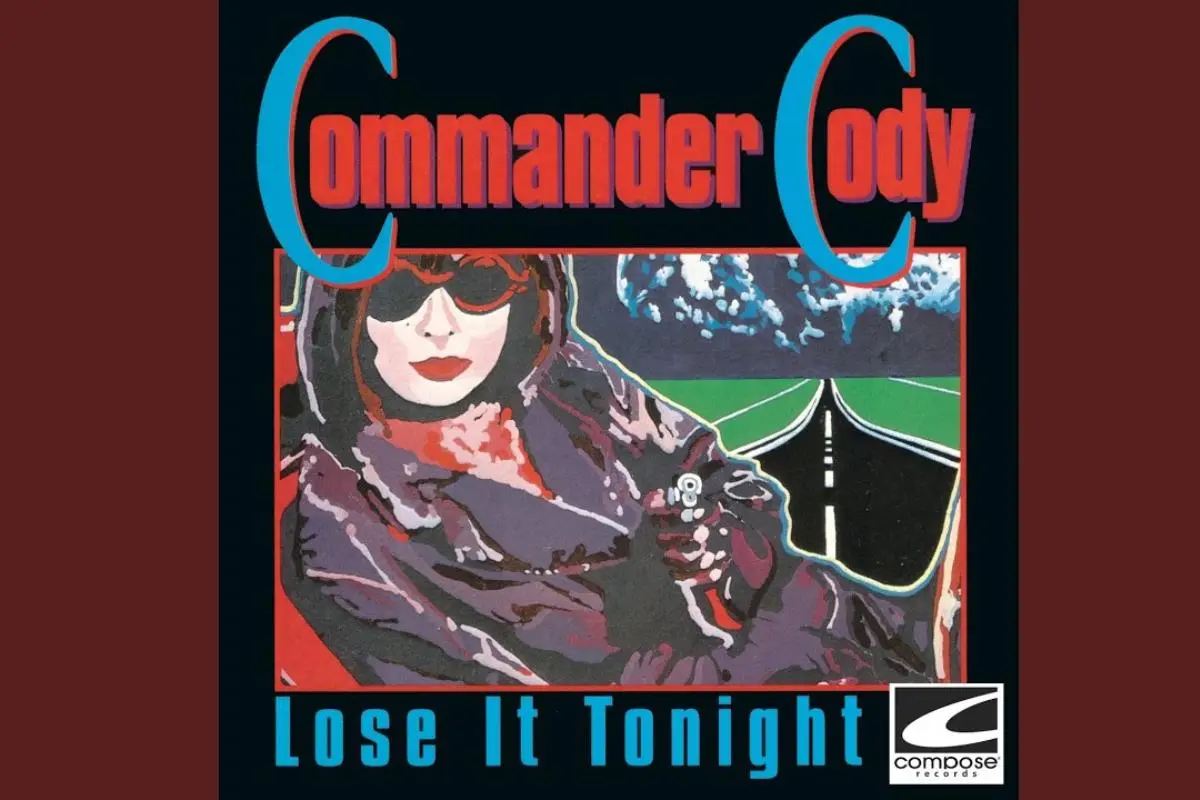
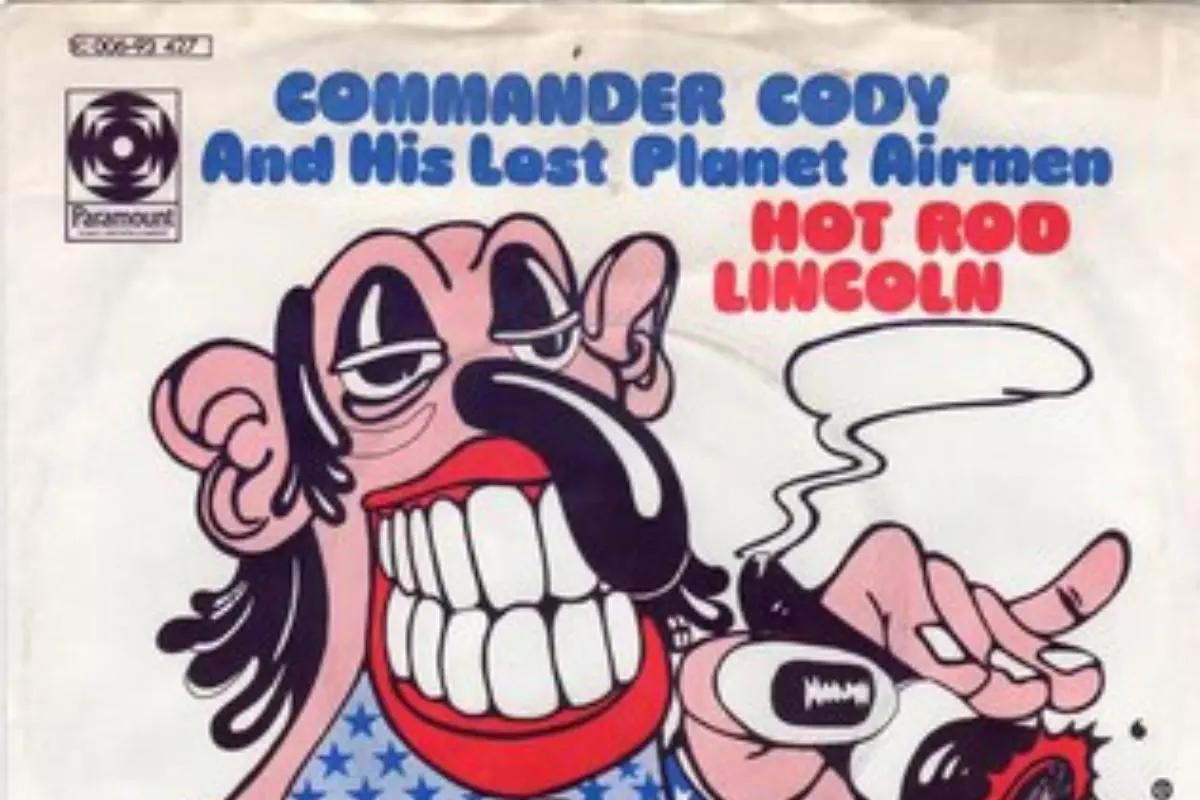
The most famous recording today is by Commander Cody and His Lost Planet Airmen, released on Lost in the Ozone. Their version is not a polite cover; it is a bar-band rocket with country chops, rock energy, and comedic timing that lands like stand-up. It is also the version many people mistakenly assume is the original, which is often the highest compliment a reinterpretation can earn.
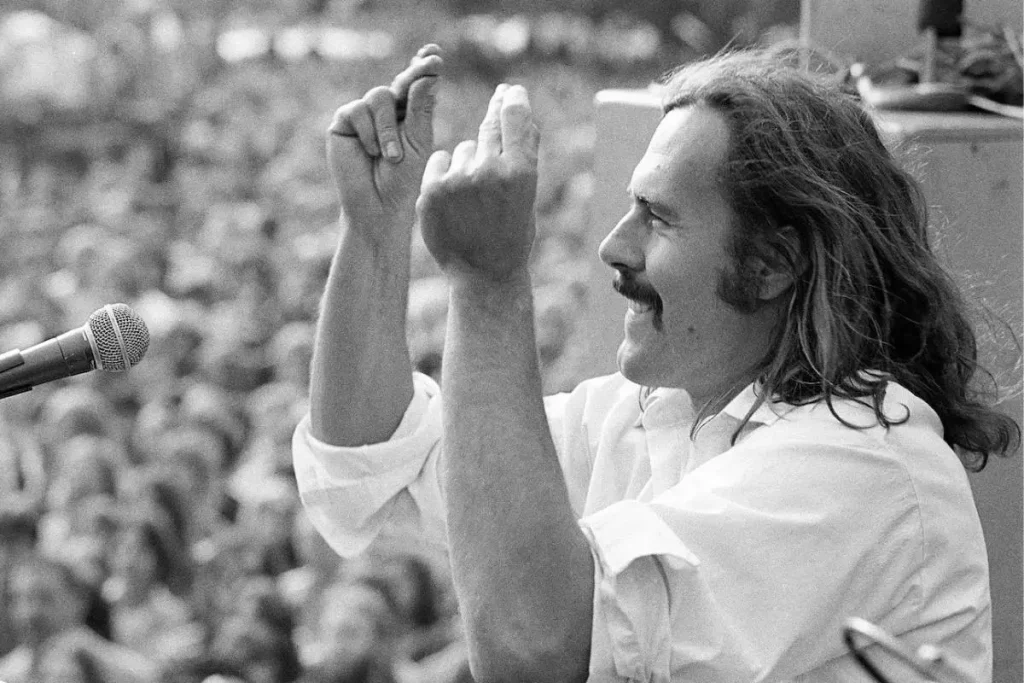
The band’s history matters here because it explains why the performance works. Commander Cody came out of a scene that treated American roots music as a buffet: western swing, honky-tonk, rock and roll, boogie, and novelty storytelling. An obituary profile of Cody captures his role in that roots-music blend and helps contextualize how the band could make a 1950s narrative sound urgent in the 1970s.
Commander Cody’s “Hot Rod Lincoln” also became a genuine crossover hit, charting on mainstream formats and cementing the song’s afterlife. Canada’s chart performance is frequently cited in retrospectives, and Canadian media coverage can be a useful corroboration point for the band’s reach outside the U.S. A Canadian obituary write-up links Cody directly to “Hot Rod Lincoln” as his signature song.
Why this version sticks
- Tempo as storytelling: It feels like the speedometer is rising with each verse.
- Band arrangement: The groove is tight enough to be danceable, but loose enough to be funny.
- Vocal delivery: The narration sounds delighted by bad decisions, which is exactly the point.
“I don’t care if it’s country, rock, or boogie-woogie as long as it swings.”
Commander Cody (George Frayne), quoted in KQED obituary feature
The road, the route, and the Grapevine: geography as a character
A lot of “car songs” mention roads, but “Hot Rod Lincoln” uses the road like a plot device. U.S. Route 99 was a legendary corridor on the West Coast, and the Grapevine is still infamous for weather, grades, trucks, and the sense that you are leaving one world for another. When the lyrics say the climb begins, the listener feels the stakes change.
If you are trying to understand why the Grapevine line hits so hard, treat it like a musician’s choice of key: it is a natural place to raise tension. Even without a map, the name signals danger. With a map, it becomes almost too real, which makes the ending feel less like a punchline and more like a warning.
Listening challenge: spot the “engineering” details
Different versions swap engine claims and performance boasts, and that is not trivial. Those details are how each era signals credibility. In hot rod culture, the difference between a V8 brag and a more exotic claim is basically the difference between “I built this in my garage” and “I’m telling a myth.” The song’s long-running popularity comes partly from this elastic realism: it can be believable enough to feel thrilling, and exaggerated enough to feel safe.
“Hot Rod Lincoln” as an answer song: the original diss track, politely grinning
Answer songs are an underappreciated part of American pop history because they reveal how fast narratives travel in commercial music. One hit sparks a response, which sparks a counter-response, and suddenly you have a little shared universe. “Hot Rod Lincoln” is a great example because it did not just reply to “Hot Rod Race”; it outlived it in mainstream memory.
That pattern is not limited to country and rockabilly, but those genres were especially good at it because they prized storytelling and character.
Collector notes: how to hear the evolution without guesswork
If you want to go beyond streaming and really study the differences, build a mini listening set. You are not chasing “best” so much as “what changed and why.”
| Version | Why it matters | What to listen for |
|---|---|---|
| Charlie Ryan (1950s) | Foundational narrative and tone | Story pacing, spoken-sung delivery |
| Johnny Bond (1960) | Modernizes details for a new decade | Lyric substitutions and “credibility” cues |
| Commander Cody (1971) | Turns it into a country-rock hit | Band swing, comedic timing, groove intensity |
Legacy: why a funny car song keeps winning
The provocative claim is that “Hot Rod Lincoln” is more honest about American masculinity than a lot of “serious” songwriting. It admits the ugly engine behind the humor: pride, competition, and the thrill of flirting with consequences. The punchline is that the consequences show up.
It also survives because each generation can reframe it. In the 1950s, it is a hot rod yarn. In 1960, it is a radio-ready update. In 1971, it is roots-rock theater. And now, it is a reminder that the distance between a good story and a bad decision is often just one more verse.
Conclusion
“Hot Rod Lincoln” is not just a novelty; it is a living piece of Americana that evolved through competition, revision, and reinvention. From Charlie Ryan’s answer-song spark to Commander Cody’s hit-making fire, it proves that a great narrative can survive any rebuild, as long as the wheels keep turning and the storyteller keeps grinning.
If you only do one thing after reading: listen to at least two versions back-to-back and write down every lyric detail that changes. You will hear cultural history in real time, right there in the engine spec.


