
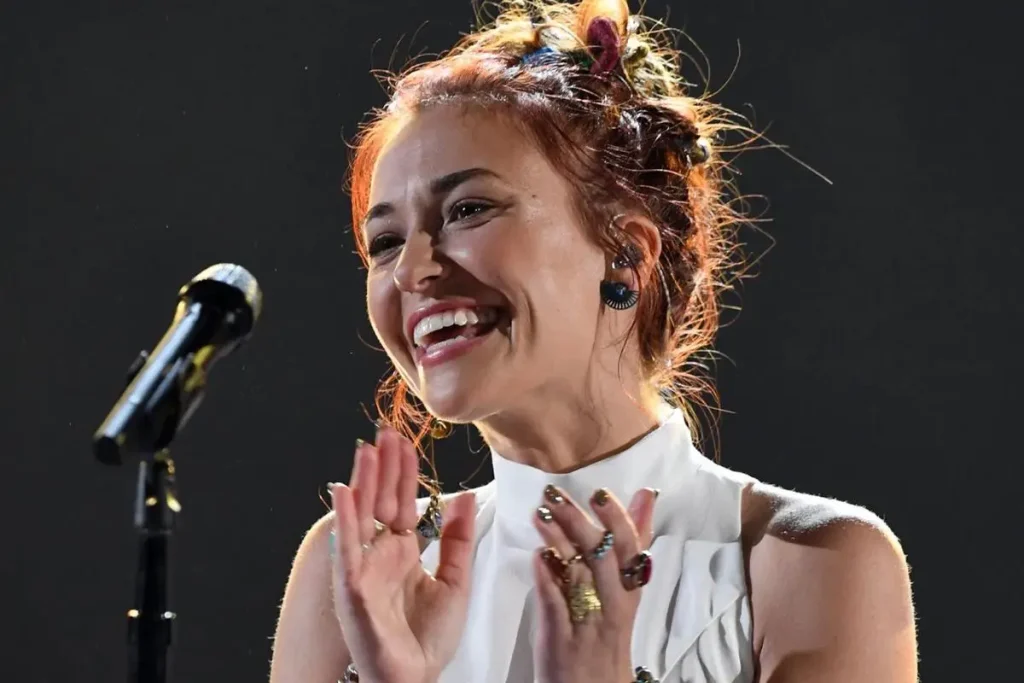
Every few years, a headline like this rockets across Christian music: a worship powerhouse “teams up” with a crossover star to “present” a hymn as if it just dropped from the cloud. It is great marketing, great conversation fuel, and occasionally great art.
But let’s get the facts straight before we get swept away by the hype. As of publicly verifiable, primary-source evidence, there is no confirmed official release from Hillsong UNITED and Lauren Daigle together titled “How Great Thou Art” as a brand new song. (If it exists, it has not been clearly documented through their official sites, major distribution pages, or an unambiguous label announcement.) Hillsong UNITED’s official presence currently points listeners to their broader catalog and tour updates rather than a clearly posted Daigle collaboration announcement.
That said, the idea of this collaboration is compelling enough that it deserves a real deep dive. Not because a rumor is automatically true, but because it highlights a bigger trend: modern worship’s obsession with “newing” old hymns, and why certain voices (like Daigle’s) are tailor-made to make a 19th to 20th-century classic feel like it was written for today’s ears.
First: “How Great Thou Art” is not a song you “invent”
“How Great Thou Art” has a long paper trail, and that’s part of its power. The lyric lineage ties back to a Swedish poem (“O Store Gud”) and later English-language adaptations that became widely sung in the 20th century, as documented in a widely used hymnal entry and text history.
For musicians, that history matters because it changes how you approach an arrangement. You are not writing a catchy hook from scratch; you are handling a piece of inherited language that already carries emotional weight for millions of people.
“Then sings my soul, my Savior God, to Thee, How great Thou art!”
Traditional hymn text as widely published in hymnals (Hymnary.org)
In many hymnals, the song’s core structure is stable: verse-chorus, with a melody designed for congregational singing. A general summary of the hymn’s origins and spread reflects how the text and tune settled into the standard form most churchgoers recognize today.
Why fans would freak out: Hillsong UNITED and Lauren Daigle represent different “worship dialects”
Hillsong UNITED is built on arena-scale worship: stacked guitars, giant synth washes, and the kind of chorus lift that feels engineered for tens of thousands of voices. Their brand is a sound world as much as a band identity, and it continues to funnel listeners into a massive, interconnected Hillsong ecosystem.
Lauren Daigle’s brand is different. She is frequently framed as a crossover figure with a timbre that reads “soul-pop,” plus phrasing that’s less congregational and more conversational. Her official artist platform emphasizes her as a standalone singer-songwriter presence rather than a worship collective.
If you blend those two approaches, you get a genuine creative tension: do you keep the hymn “singable,” or do you lean into Daigle-style nuance and make it a performance record? That choice is where a remake either becomes a living hymn or just another streaming product.
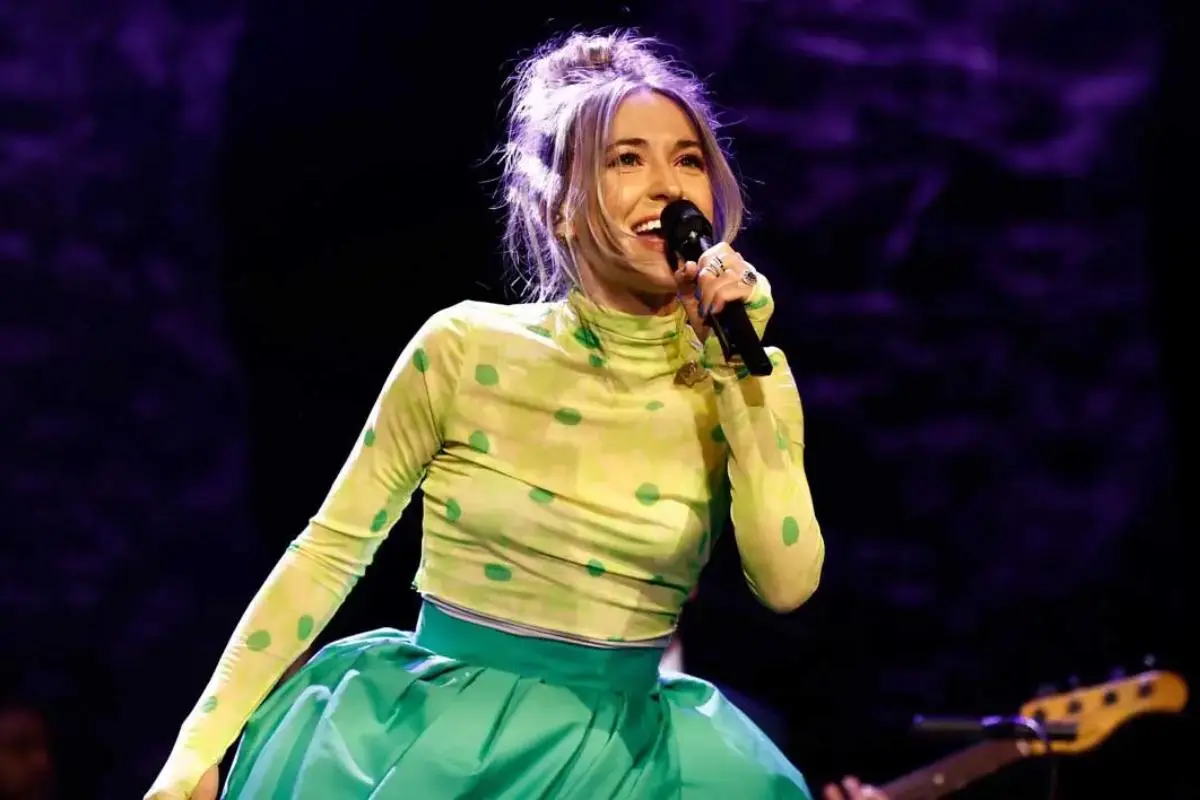
The spicy truth: “Brand new song” is often marketing language
Calling a hymn remake a “brand new song” is not new. It is a shortcut phrase that signals: new recording, new arrangement, new emotional arc, and new market positioning. It also quietly avoids a thorny question: who owns what?
The hymn is old, but many modern arrangements are protected, and distribution in the worship world can involve publishers, licensing, and performance rights. If a UNITED x Daigle version ever lands, the business side will likely be as carefully arranged as the chord voicings.
What a “new hymn arrangement” usually changes
- Key and range – optimized for a specific lead vocalist.
- Tempo feel – swung gospel pocket vs. straight 8ths arena build.
- Harmony – extra suspended chords, added passing tones, reharmonized cadences.
- Form – bridge inserted, chorus repeated more times, “quiet last chorus” dynamics.
- Lyric edits – occasional modernization (sometimes controversial).
All of those moves can be tasteful, or they can feel like slapping neon on stained glass. Fans argue because they are not just judging music; they are judging reverence, authenticity, and the boundaries of “worship” as a genre.
What Lauren Daigle would uniquely bring to “How Great Thou Art”
Daigle’s “unmistakable vocal style” is not just about rasp or tone color. It is about phrasing choices that land slightly behind the beat, a habit of letting consonants soften, and a way of building intensity without going full vocal-gymnastics.
That matters on a hymn like this because the lyric is declarative. If you sing it too “perfect,” it can turn into museum music. If you sing it with human edges, it regains testimony energy: less recital, more lived experience.
Her public-facing career has also been shaped by the tension between Christian-market expectations and broader pop audiences, which is part of why any collaboration with a worship flagship would spark immediate debate.
What Hillsong UNITED would bring: dynamics, scale, and the “lift”
UNITED’s signature is the long-form build: restrained opening, slow ignition, then a chorus that arrives like stadium lights. On a hymn, that can be thrilling because the chorus line already functions like a communal shout.
If they approached “How Great Thou Art” with their typical architecture, expect a few common moves: atmospheric intro, half-time feel in the first pass, then a wide-open final chorus with stacked harmonies. UNITED’s social channels also show that their audience expects big moments and shareable clips – the arrangement is often designed to be filmed.
Reality check: how to verify whether this collaboration actually exists
If you saw the claim on social media, do not settle for a chopped-up audio snippet. Use a simple checklist that separates “fan upload” from “official release.”
Verification checklist (fast and practical)
| What to check | What “official” looks like | Red flags |
|---|---|---|
| Artist sites | News post, embedded player, or tour/merch tie-in | No mention anywhere on official pages |
| DSP listings (Spotify) | Single appears under both artist profiles | Only appears in random playlists or unofficial profiles |
| YouTube upload | Posted on an official artist channel with metadata | Reupload channels, mismatched thumbnails, vague titles |
| Label/publisher press | Press release, media kit, credits, ISRC | “Coming soon” posts with no credits |
To do the DSP check, start with the verified artist pages. Hillsong UNITED’s Spotify profile is an authoritative hub for official releases and credits.
For video, prioritize official uploads. If you only find a standalone video link with no context, treat it as a lead, not proof. A YouTube watch page’s uploader and metadata are where the key evidence should show up (description credits, linked distribution, and channel ownership).
If the collab becomes real: what to listen for (musically)
If an official UNITED x Daigle “How Great Thou Art” drops, the most interesting question is not “does it sound pretty?” It will. The real question is: does it respect the hymn’s congregational DNA while still giving Daigle space to interpret?
Three musical tells that separate “cash-in” from “classic”
- Melody integrity – do they keep the singable contour, or decorate it until it becomes unrepeatable?
- Lyric framing – do they present the hymn text clearly, or bury it under ad-libs?
- Dynamic honesty – is the big ending earned, or does it arrive because “that’s the template”?
Because “How Great Thou Art” is familiar, your brain instantly notices manipulation. A tasteful reharmonization feels like restoration. A lazy build feels like branding dressed up as worship.
The bigger story: modern worship keeps rebooting hymns for a reason
Here’s the provocative claim: the worship industry reworks hymns partly because it is running out of universally trusted new language. New songs can polarize churches fast. Old hymns arrive pre-approved, with decades of spiritual memory attached.
When a modern act remakes a hymn, they are borrowing credibility. But if they do it well, they are also doing something pastoral: helping a new generation learn a shared vocabulary of awe, gratitude, and surrender.
That is why fans respond so intensely. This is not just entertainment. It is identity, theology, family history, and the sound of someone’s childhood church rolled into one chorus.
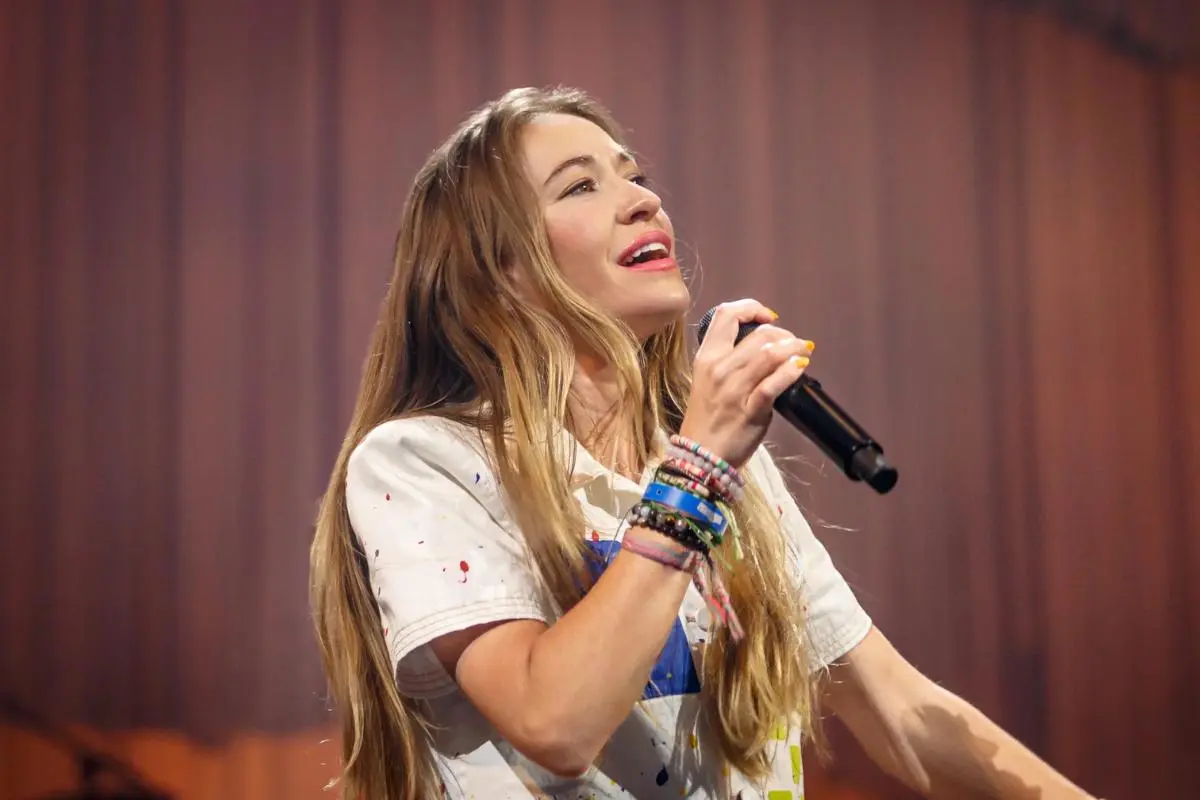
Conclusion: don’t worship the hype, but don’t dismiss the possibility
At the moment, the “Hillsong UNITED teamed up with Lauren Daigle for a brand new ‘How Great Thou Art’” story reads more like a viral narrative than a fully documented release. Still, the concept is fascinating because it spotlights the fault line between congregational worship and celebrity-fronted Christian pop.
If it becomes official, listen with both ears open: one for artistry, one for intent. A hymn can survive almost any arrangement. The question is whether the arrangement makes you sing, or just scroll.


