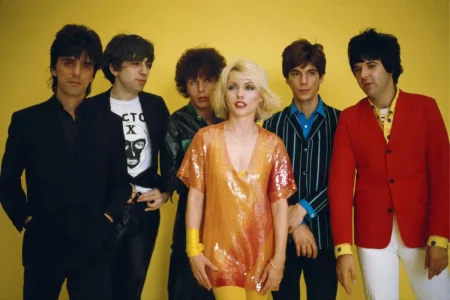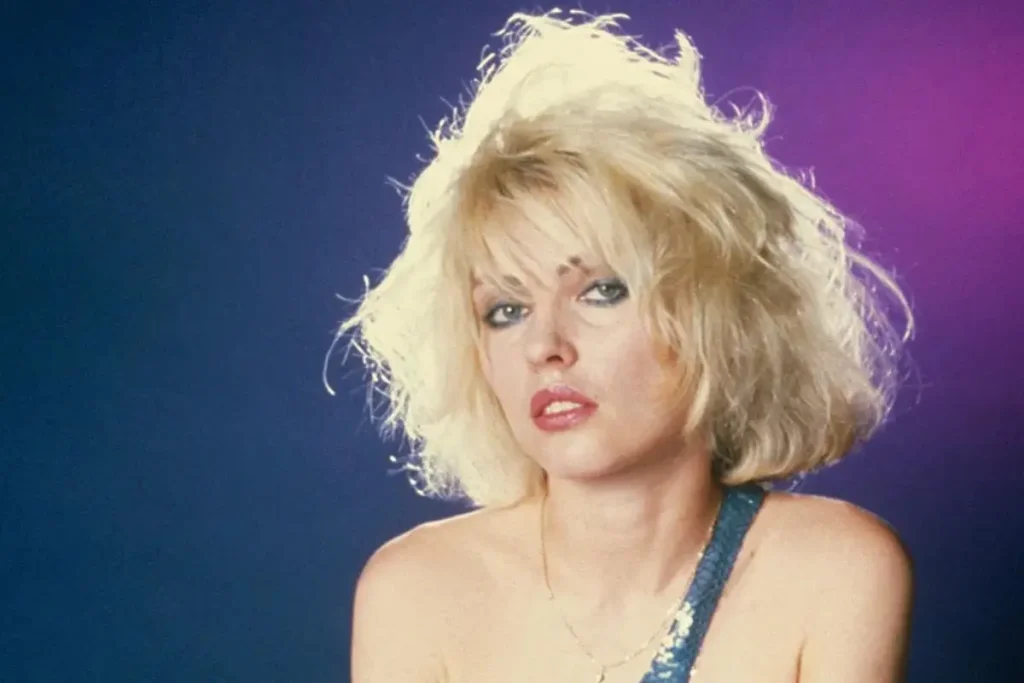
Debbie Harry is often introduced like a poster: platinum hair, deadpan stare, punk royalty. But the more useful way to think about her is as a cultural engineer who hacked pop from the inside. In the late ’70s and early ’80s, she and Blondie proved you could keep punk’s bite while stealing disco’s pulse, radio pop’s hooks, and downtown art’s weirdness – then sell it to the world.
That’s why Harry remains magnetic: she wasn’t just a frontwoman with a look. She was the lens that made New York’s chaotic scene readable to mainstream ears, without sanding off the danger.
From CBGB to the charts: why Blondie didn’t fit the rules
Blondie came out of the same grime as the Ramones and Television, but their ambition was more mischievous than purist. The band’s genre-hopping is a core feature, not a side quest – punk, disco, reggae, even rap, all under the same banner of sharp songwriting and pop sense.
That willingness to “cheat” is exactly why some punks rolled their eyes – and why history kept Blondie. When scenes turn into uniforms, Blondie is the band that refused to wear one.
Debbie Harry’s real weapon: controlled cool
Harry’s voice isn’t about athletic virtuosity; it’s about character. She can sound flirtatious, cruel, bored, triumphant, or dangerously amused, sometimes in the same chorus. That acting-grade control is what lets Blondie jump styles without sounding like tourists.
“I wasn’t the kind of singer who did riffs and runs. I was more of a communicator.” – Debbie Harry, quoted by Biography.com.
Communication is a fancy word for the thing that hits you in the chest. Harry could sell irony and sincerity at once – and that double-exposure became a defining New York aesthetic.
“Heart of Glass”: the punk band that walked into Studio 54 and won
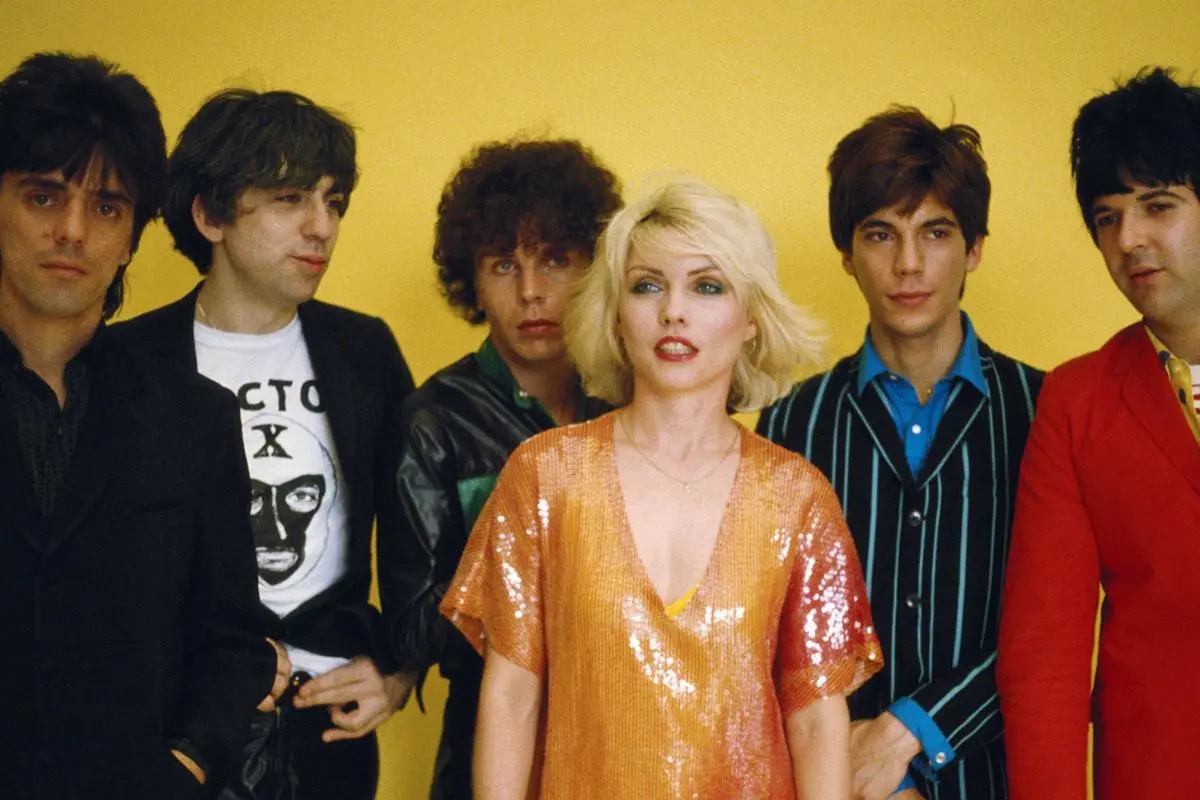
“Heart of Glass” is the moment Blondie detonated the false wall between punk and the dance floor. It’s easy now to take the crossover for granted, but in 1978-79, dancing to a CBGB band felt like heresy in both directions.
The Current’s reflection on how huge “Heart of Glass” became helps explain why Blondie landed as one of the era’s defining crossover acts.
Musically, the genius is in the tension: icy synth pulse, clean four-on-the-floor propulsion, and a vocal that sounds like it’s smirking at its own heartbreak. It doesn’t beg for your sympathy – it dares you to keep up.
Why it still works on modern listeners
- Minimalism with bite: the groove is steady, but the attitude is unstable.
- Pop chorus, punk posture: huge hook, zero desperation.
- Production as storytelling: glossy surface, dark emotional undertow.
“Call Me”: when Blondie turned a movie theme into a power move
“Call Me” didn’t just extend the band’s hot streak; it proved they could dominate a more overtly “Hollywood” platform without losing identity. The track is lean, aggressive, and designed to hit like a speeding taxi in Manhattan.
Rather than treat it as a side project, Blondie made it sound like a mission statement: sharp guitars, relentless drive, and Harry delivering the title like a command, not an invitation.
Parallel Lines: the record that taught pop how to be dangerous
If you want the single most practical entry point to Debbie Harry’s impact, it’s Parallel Lines. It’s often discussed as a classic, but it’s more like a blueprint: hook writing that never apologizes for being smart, stylish, and slightly mean.
Rolling Stone’s take on the lasting stature of Parallel Lines captures why it still sits so comfortably in the rock canon.
What made it special wasn’t just the hits; it was the idea that a band from the downtown scene could sound crisp, modern, and radio-ready without becoming harmless. That’s a line most artists still struggle to walk.
Quick listening map (start here)
| If you want… | Play… | Listen for… |
|---|---|---|
| Disco-pop tension | “Heart of Glass” | Cool vocal over dance pulse |
| Pure new wave bite | “One Way or Another” | Stalk-and-strike phrasing |
| Cinematic swagger | “Call Me” | Relentless drive, hard edges |
| Genre rule-breaking | “Rapture” | Pop structure meets early rap |
Style as strategy: Debbie Harry’s look wasn’t decoration
It’s tempting to file Harry under “fashion icon” and move on. But her style worked the same way Blondie’s music did: it blended references until they sparked. Glam, streetwear, thrift-store weirdness, pinup polish, and art-scene provocation – worn with an expression that suggested she was in on the joke before you were.
Even Andy Warhol’s orbit locked onto that kind of cultural voltage. The Tate’s record for Warhol’s “Debbie Harry” screenprint underscores how she crossed from music into pop-art mythology.
That matters because it reframes her influence: not just “women can front rock bands,” but “women can author an entire aesthetic ecosystem.”
The under-discussed skill: genre translation
Debbie Harry’s greatness sits in a specific talent: translation. She translated downtown art attitudes into pop shapes. She translated punk’s contempt into melodies people could sing in cars. She translated vulnerability into irony without turning it into emptiness.
Because the experimentation was central to Blondie’s identity, it’s hard to overstate what that permission slip did for the future.
Provocative claim (with receipts in the music)
Here’s the edgy truth: a lot of “alternative” pop that arrived later was basically Blondie with different hair. The idea that you can be catchy and weird, glamorous and rough, commercial and subversive – Harry helped normalize that contradiction so thoroughly we forget it was once explosive.
New York as an instrument: scene, spaces, and attitude
Blondie didn’t emerge from a vacuum; they emerged from a city that treated nightlife like a laboratory. The New York Public Library’s writing on punk-era materials and history helps document how the scene was as much about flyers, venues, and community as it was about records.
That context explains why Harry’s presence felt bigger than music. She was a messenger from a specific urban moment: anxious, stylish, broke, ambitious, and allergic to authority.
Legacy: why Debbie Harry still matters to musicians (and not just singers)
For Know Your Instrument readers, Harry’s story isn’t only celebrity history. It’s a practical case study in how artistry travels.
Takeaways for working musicians
- Don’t protect a genre – protect a point of view. Blondie’s sound changed, but their attitude stayed coherent.
- Make production serve the persona. The sleekness on “Heart of Glass” isn’t selling out; it’s storytelling.
- Let your “image” be a system, not a costume. Harry’s style reinforced the music’s contradictions.
- Write hooks that can survive fashion. Trendy sounds age; strong melodies don’t.
Memoir-era Debbie: owning the narrative
One reason Harry’s influence hasn’t faded is that she continues to frame her own story rather than letting nostalgia do it. Her memoir Face It renewed attention around her lived experience and creative perspective, sparking fresh interviews and reassessments. A fresh wave of GRAMMY.com coverage and search-era rediscovery reflects how the conversation around Blondie still keeps circulating rather than freezing into a museum label.
That refusal to become a “nice legacy act” is part of the brand. Harry doesn’t just represent the past; she interrogates it.

Debbie Harry in one sentence
“Blondie brought the underground above ground without disinfecting it.” – Rock & Roll Hall of Fame profile of Blondie.
That’s the core of her impact. Debbie Harry made danger singable – and made pop strong enough to handle it.
Conclusion: the platinum myth, the real achievement
Debbie Harry’s image is iconic because the music beneath it is structural. Blondie didn’t simply soundtrack late ’70s and early ’80s New York; they exported a new rulebook for pop culture, where genre is fluid and attitude is the spine.
If you’re revisiting the era, don’t just play the hits. Listen for the blueprint: the way Harry turns cool into craft, craft into hooks, and hooks into cultural permanence.