

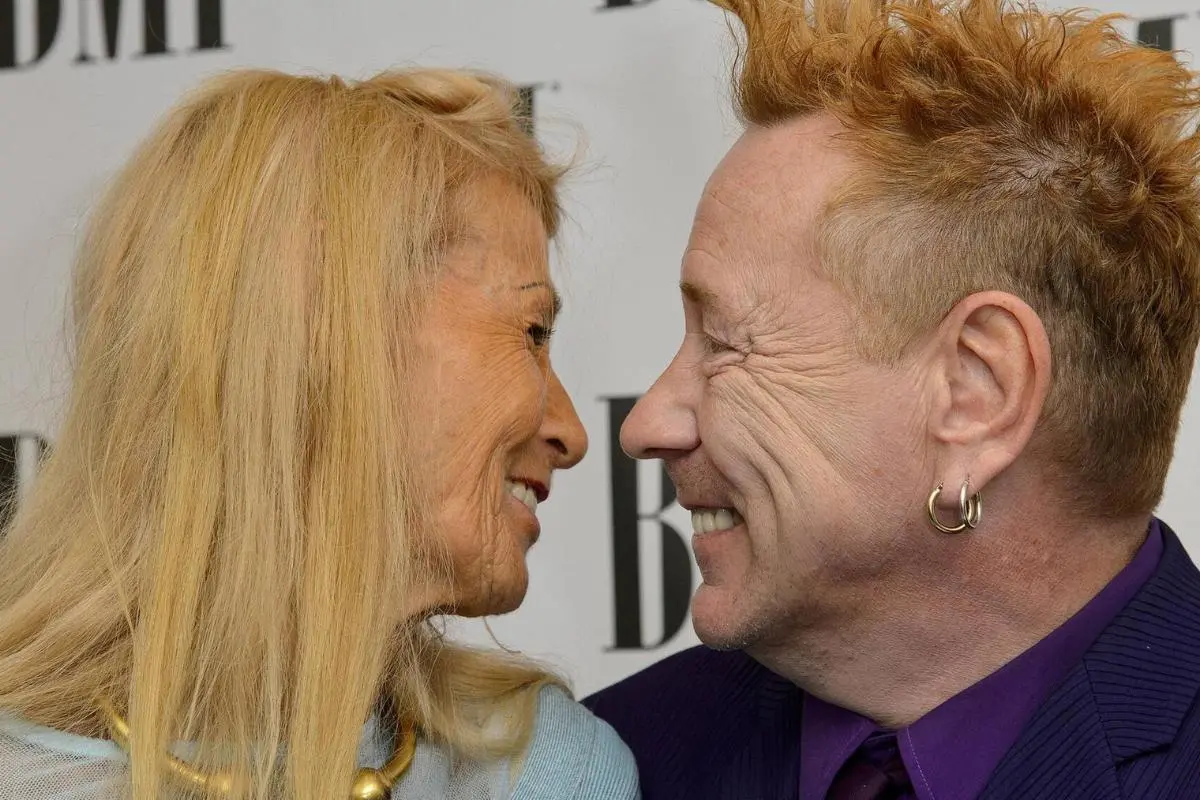
Nora Forster is often introduced with a shortcut label – “John Lydon’s wife.” It is accurate, but it is also lazy. In the long arc of Lydon’s life, Forster was the constant: a German-born figure with a career in music and media, a sharp taste for art and argument, and the kind of backbone that makes a famously combustible person feel, somehow, steady.
The provocative part is this: punk sold the fantasy of radical freedom, but Lydon’s most radical act was not a snarl into a microphone. It was decades of ordinary, relentless commitment when Nora developed Alzheimer’s disease – the slowest kind of emergency, and the least glamorous.
Who was Nora Forster (beyond the headline)?
Forster was born in Germany and later made her way into the cultural industries that orbit music: publishing, media, and the messy ecosystem where artists, scenes, and stories collide. She is widely described as a publisher and a music-industry figure who eventually moved to England and built a life that ran parallel to the era when British music turned itself inside out.
Public records and biographical summaries consistently frame her as a German-born publishing professional and Lydon’s longtime partner, reflecting how central she became to his personal narrative; her biographical summary is one compact reference point.
Why she mattered to Lydon’s world
Lydon has always been painted as a one-man riot. Yet if you listen closely to how people around him talk, you start to notice a pattern: the “chaos” often had a home base, and that home base had a name.
Even a mainstream report on her passing describes Forster as John Lydon’s wife and underscores the length and seriousness of their partnership. That matters because it places her not as a footnote but as an enduring presence through multiple phases of his career and public life.
A relationship built for longevity, not headlines
Long relationships in rock culture get mythologized when there is scandal, and ignored when there is stability. Lydon and Forster were the second kind: decades together, usually outside the tabloid spotlight, in a way that feels almost confrontational in celebrity terms.
When Forster died, multiple outlets emphasized the length of the partnership and the fact that she had lived with Alzheimer’s disease for years, underscoring that their relationship wasn’t a phase but a life; the basic outline of Alzheimer’s and its progression helps explain why those years can be so consuming.
“She was the best.”
– John Lydon
That quote is simple to the point of being blunt, which is exactly why it lands. In the context of long-term caregiving, it reads less like a eulogy line and more like a summary of a daily choice.
Alzheimer’s disease: what it does (and what it steals)
Alzheimer’s disease is not just “memory loss.” It is a progressive brain disorder that affects thinking, behavior, and eventually basic daily functions, which is why caregivers often describe it as losing someone in slow motion.
Medical overviews emphasize that symptoms typically worsen over time and can include confusion, difficulty with familiar tasks, and changes in personality, especially as the disease progresses; the symptoms-and-causes overview is a clear, practical breakdown.
From a public-health perspective, dementia is a major global issue affecting millions of families, with caregiving burdens that routinely fall on spouses and relatives; the WHO’s definition of dementia emphasizes impacts on memory, thinking, orientation, and behavior.
Why caregivers burn out (even when they love the person)
Caregiving is labor – emotional, physical, logistical – and it rarely comes with applause. People do it because they must, and because they promised, and because they cannot imagine walking away.
The caregiving guidance from the Alzheimer’s Association outlines how support often includes managing safety, daily care, medical coordination, and the caregiver’s own health, while stressing the need for planning and support systems.
John Lydon as a caregiver: the anti-rockstar storyline
There is an uncomfortable truth in music culture: it’s easier to celebrate destruction than devotion. But Lydon, of all people, ended up telling a story that sounded more like a spouse in a support group than a frontman on a stage.
In interviews and reports around Forster’s illness and death, he spoke openly about the responsibilities of care, the exhaustion, and the emotional strain. Coverage of Forster’s death repeatedly highlighted that Lydon had been her primary caregiver through her Alzheimer’s journey.
That public honesty matters. Not because it makes him a saint, but because it punctures the cultural lie that caregiving is “private” and therefore should be invisible.
What their story reveals about love (the non-poetic version)
Love is not only romance. In degenerative illness, love becomes routines: medication schedules, repeated conversations, safer furniture placement, and constant vigilance.
The NHS guide to Alzheimer’s emphasizes that it is progressive and that support often includes both medicines and practical help for daily living. In other words, the long game is management, not miracle cures.
Music, media, and the “invisible spouse” problem
Forster’s career in publishing and music-adjacent media placed her in the ecosystem that helps scenes cohere: documenting, organizing, connecting. Yet those roles get flattened in public memory once someone is attached to a famous name.
This is where we can be a little edgy: rock history loves a muse narrative because it keeps women decorative. Nora Forster doesn’t fit neatly into that box. She was a working adult with her own professional identity, and the relationship reads less like muse-and-genius and more like partners who chose each other repeatedly.
A practical takeaway for readers who lived through punk
If you grew up with the Sex Pistols era, you probably remember the slogans: no future, no rules, burn it down. The twist is that the people who survive long enough eventually face the same challenges as everyone else – aging, illness, caregiving, grief.
Caregiving is a health issue for the caregiver too, and plain-language Alzheimer’s information can help families understand what’s happening and what support might look like as needs change.
What to do if Alzheimer’s touches your family: a no-nonsense checklist
Lydon and Forster’s story resonates because it is extreme only in its duration, not its basic shape. Many readers are quietly living the same plotline.
Start with these steps
- Get a clear medical assessment and ask what type of dementia is suspected or confirmed.
- Plan for safety early: cooking, driving, wandering, medication management.
- Build a support map: family, friends, respite options, community services.
- Document key information: medications, contacts, legal paperwork, routines that calm the person.
- Protect the caregiver: sleep, breaks, mental health check-ins, and realistic boundaries.
For UK readers, Alzheimer’s Society’s dementia support line can be crucial when you’re overwhelmed and need a human voice, not another brochure.
Common symptoms and what they look like at home
| Symptom | How it may show up day to day | A practical response |
|---|---|---|
| Short-term memory loss | Repeating questions, misplacing items | Use written cues, keep essentials in consistent spots |
| Confusion and disorientation | Getting lost in familiar places | Supervise outings, consider ID and location tools |
| Behavior or mood changes | Suspicion, agitation, withdrawal | Reduce triggers, simplify choices, talk to clinicians |
| Difficulty with daily tasks | Cooking, bills, hygiene become harder | Break tasks into steps; add in-home help early |
In the bigger picture, it also helps to recognize that dementia is an umbrella term and Alzheimer’s is only one cause; that distinction matters when families are trying to understand prognosis, care needs, and what to ask clinicians next.
The legacy: quiet strength in a loud culture
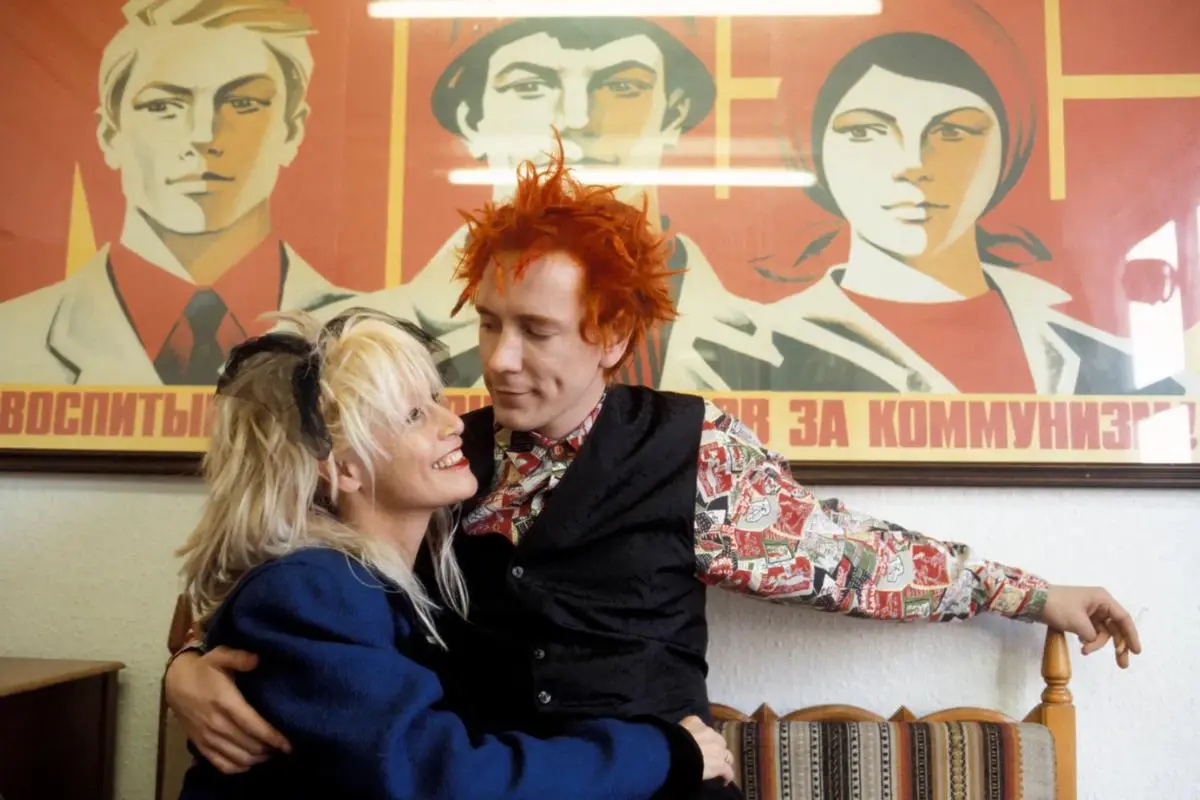
Forster’s death closed a chapter that many fans did not fully see while it was unfolding. But the outline is now clear: a German-born woman with a working life in music and media, a decades-long partnership with one of Britain’s most notorious voices, and a long struggle with Alzheimer’s that transformed their private world.
One of the most widely circulated reports on her passing emphasized both her age and her long illness, reflecting how her story became, inevitably, part of Lydon’s. Yet it also reminded readers she had her own identity and history.
“Love is a verb.”
– common caregiving maxim, often used in Alzheimer’s support contexts
Whether or not Lydon would ever phrase it that way, his actions pointed to the same idea. In a genre obsessed with rebellion, the lasting image is not the sneer – it’s the staying.
Conclusion
Nora Forster’s life can be summarized in a sentence, but it shouldn’t be. Her story is a reminder that behind the mythology of music are real partnerships that require patience, grit, and care when the lights go out.
If you want to take something practical from this, take this: prepare early, ask for help, and don’t romanticize exhaustion. Devotion is powerful, but support keeps it possible.


