

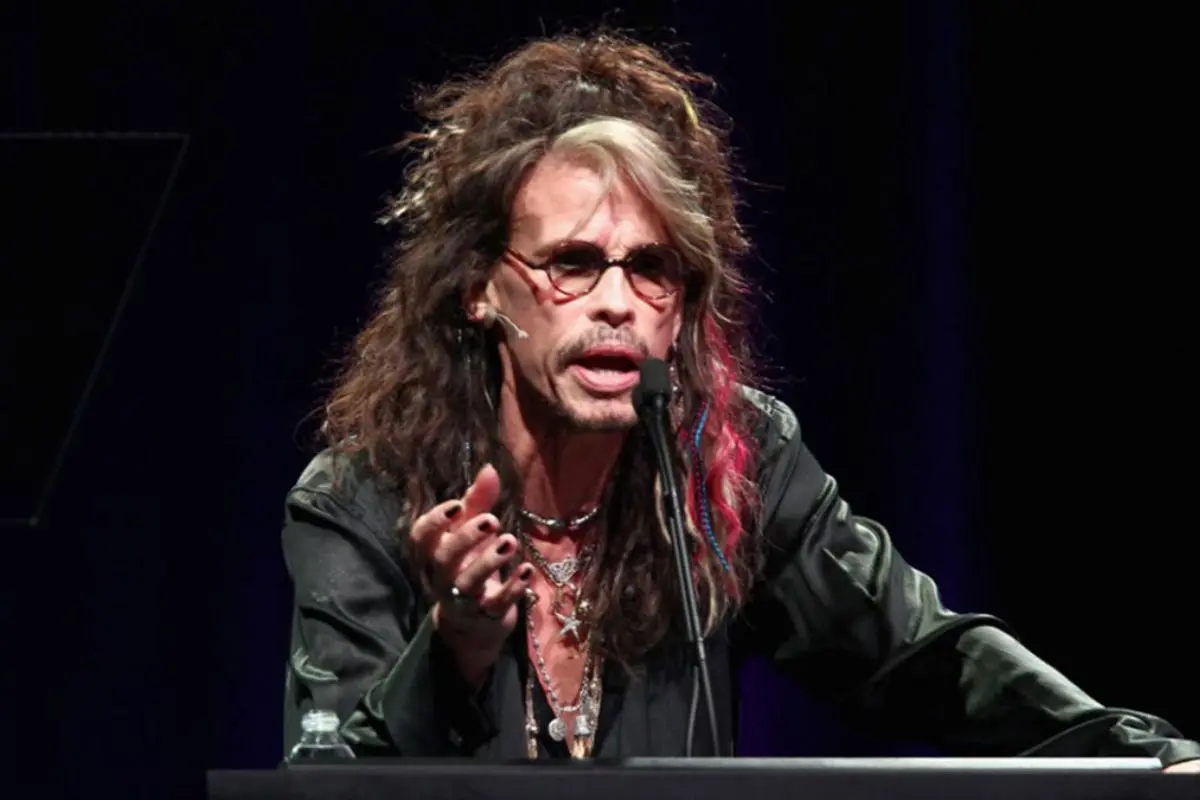
It’s a story built for headlines: Steven Tyler, the electric Aerosmith frontman, pledges $1 million to build a cutting-edge cat rescue and rehabilitation center, then shows up on-site to comfort injured cats like some rock-and-roll St. Francis. It’s vivid, emotional, and extremely shareable.
There’s one problem: as of now, there is no reliable, primary reporting confirming a specific Steven Tyler-funded $1 million cat rescue center project, a named location, or a quoted statement matching the viral wording. Tyler’s public philanthropy is real, but it is documented in other lanes, most notably Janie’s Fund, his initiative supporting girls who have experienced abuse and neglect.
So rather than repeating a feel-good rumor, let’s do something better: separate what’s verifiable about Tyler, explain why celebrity-animal stories explode online, and map out exactly what a modern cat rescue and rehab center should look like if someone really did drop seven figures on saving felines.
What we can verify (and what we can’t) about Steven Tyler and this “cat sanctuary” claim
Verified: Steven Tyler is a major public philanthropist
Tyler’s charitable footprint is not a mystery. Janie’s Fund exists, is active, and clearly describes its mission and partner approach in its own materials.
Major outlets have covered Tyler’s creation of Janie’s Fund as a public-facing project tied to serious funding and advocacy, as summarized in his public biography.
Verified: Tyler is, in fact, Steven Tyler
For readers who want the plain biography: Tyler is Aerosmith’s lead singer, a defining American rock vocalist, and a celebrity whose name attracts attention and clicks.
Not verified: the specific $1 million cat rescue center, the site visit, and the quote
None of the authoritative channels you would expect to confirm a major construction project (Aerosmith’s official site, Tyler’s official site, major wire services, reputable animal welfare organizations) currently document this exact pledge, facility, or the quote “It’ll be a sanctuary – a place where music, art, and compassion come together to heal.” A specialty facility built around modern protocols would also typically align with established shelter medicine standards and training that are easy to point to and verify.
Bottom line: treat the “$1 million cat sanctuary” story as unconfirmed unless and until it is backed by primary documentation (a press release, a filing, a partner organization announcement, or credible reporting with named stakeholders).
Why celebrity animal-rescue stories go viral (and why you should be skeptical)
Animal rescue content is the internet’s soft underbelly: it bypasses cynicism. Add a rock icon, a big number, and a “witnesses described” scene, and you get a narrative that feels true even when it’s not.
“Extraordinary claims require extraordinary evidence.” – Carl Sagan
That principle applies here. A million-dollar pledge for a facility would normally leave a paper trail: zoning meetings, nonprofit announcements, partner-vet affiliations, naming rights, architectural renders, fundraising pages, or at minimum a credible interview.
If Steven Tyler (or any donor) really funds a cat rehab center, here’s what “cutting-edge” should mean
Most shelters are overwhelmed by volume. A true rescue and rehabilitation center is different: it specializes in medical stabilization, behavioral recovery, and placement, with systems designed to reduce stress and disease spread.

1) A medical pathway, not just kennels
“Rehab” means you’re taking on the cats everyone else can’t: abscesses, fractures, URI outbreaks, dental disasters, seniors with kidney disease, under-socialized strays, and fearful community cats. The field of shelter medicine policy and guidance emphasizes protocols, isolation, triage, and population-level planning as much as individual treatment.
In practical terms, the facility needs:
- Intake exam space with weigh stations, basic lab capability, and standardized scoring.
- Isolation rooms with negative-pressure considerations or at least strict traffic flow.
- Surgery suite sized for high-volume spay/neuter and emergency procedures.
- Dedicated recovery ward with heated, quiet, low-light housing.
2) A real strategy for community cats (the controversy nobody wants on a poster)
Any cat center in a “quiet suburban neighborhood” will quickly collide with the community cat debate: free-roaming cats, nuisance complaints, wildlife concerns, and neighbors who hate the idea of “attracting strays.” One widely used intervention is Trap-Neuter-Return (TNR), which aims to stabilize populations rather than endlessly cycling cats through intake and euthanasia.
One evidence-based approach is Trap-Neuter-Return (TNR), which aims to stabilize populations rather than endlessly cycling cats through intake and euthanasia.
| Program Element | Why it matters | What “cutting-edge” looks like |
|---|---|---|
| TNR/RTF pipeline | Reduces intake pressure long-term | Scheduled clinic days, rapid turnaround, ear-tip tracking |
| Working-cat placements | Gives unsocial cats a safe outcome | Barn/warehouse partnerships with follow-up support |
| Neighbor mediation | Prevents backlash and shutdowns | Clear policies, hotlines, deterrent education, outreach |
3) Stress reduction is not “extra”, it’s medical care
Every shelter claims to love animals. The best facilities design around the biology of stress: hiding spaces, visual barriers, predictable routines, scent control, and minimal noise. Low-stress, Fear Free-style handling and calm environments are now mainstream ideas in companion animal care.
If Tyler’s rumored quote about “music, art, and compassion” were ever real, it would be either brilliant or disastrous depending on execution. Music can soothe, but the wrong volume, bass, or constant sound can stress cats out fast.
4) Adoption is a process, not a moment
Adoptions fail when shelters optimize for speed instead of fit. Strong programs do matchmaking, set expectations, and provide post-adoption support. The Best Friends Animal Society resource library emphasizes practical, adopter-focused education that helps keep pets in homes.
“Cutting-edge” adoption would include:
- Behavior notes that actually mean something (observed in different contexts, not one chaotic intake day).
- Trial adoption or foster-to-adopt for shy or medically complex cats.
- Transparent medical disclosure including likely lifetime costs.
5) The center should measure outcomes, not vibes
A sanctuary can become a warehouse if it isn’t managed with clear metrics. Organizations such as Maddie’s Fund have long pushed data-driven, lifesaving shelter practices and operational guidance for groups trying to improve outcomes.
Useful metrics include live release rate, length of stay, return rate, URI incidence, spay/neuter throughput, foster utilization, and cost per outcome. Those numbers are less glamorous than a celebrity photo-op, but they are what save lives.
If you want to support cat rescue without falling for celebrity bait
You don’t need a rock legend to make rescue work. You need systems, consistency, and people who show up when it isn’t Instagrammable.
- Ask for documentation: Who is building it? Where? Which nonprofit? Which veterinary partner? What permits?
- Donate to programs with receipts: audited financials, published outcomes, clear policies.
- Volunteer for the unglamorous shifts: laundry, transport, admin, socialization.
- Consider fostering: it is often the fastest way to increase lifesaving capacity.
Where Aerosmith fans fit in (because this is Know Your Instrument)
Rock culture has always had a soft spot for outsiders, strays, and the misunderstood. If the “Steven Tyler cat sanctuary” claim turns out to be real, it would fit a long tradition of musicians using their platforms for philanthropy, even if the public mostly hears about it when the story is dramatic enough.
Until then, the most useful takeaway is this: if someone truly spends $1 million on cats, the win is not the headline. The win is a facility designed for shelter medicine, community cat strategy, low-stress handling, and measurable outcomes.
And if Tyler ever does build it? We’ll happily review the blueprint like it’s a new guitar rig: what’s signal, what’s noise, and what actually makes the whole thing sing.


