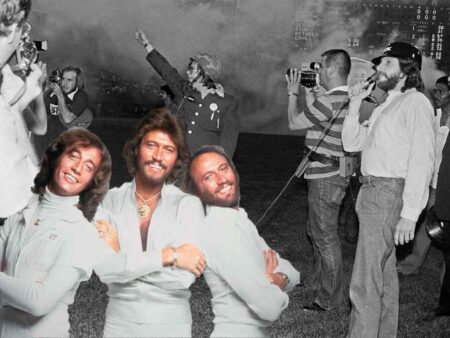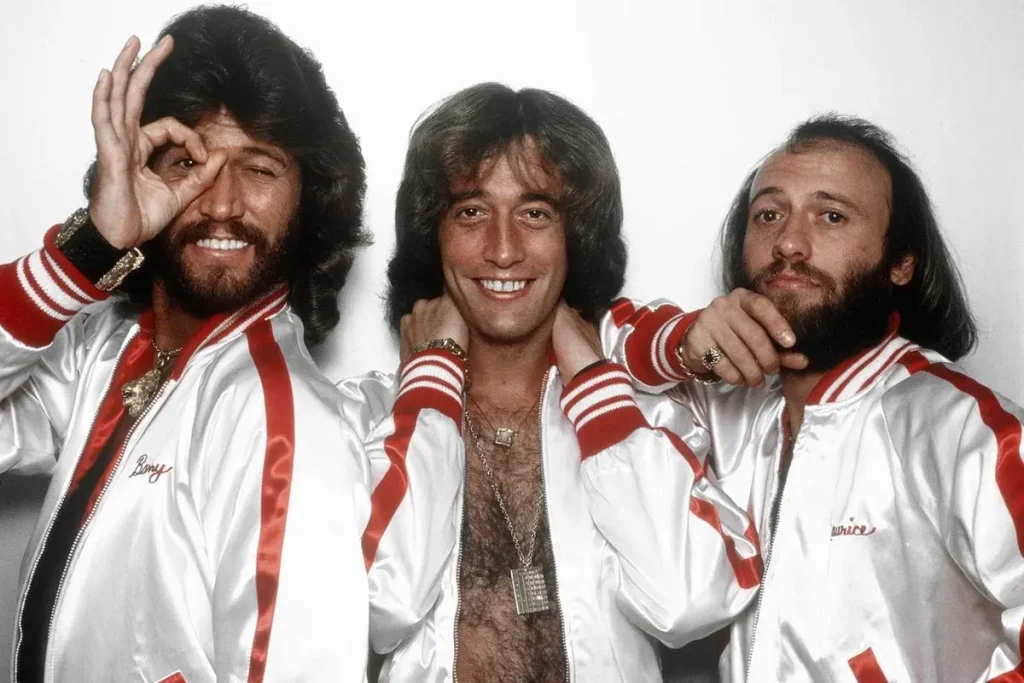
The Bee Gees are often filed away as “disco,” like they were a novelty act in shiny shirts who accidentally caught the right cultural wave. That version is convenient, and totally wrong. The truth is more provocative: Barry, Robin, and Maurice Gibb didn’t just ride trends – they engineered them, then survived the backlash long enough to do it again. If pop is a factory, the Bee Gees were the inventors of the assembly line.
They formed as kids and grew into a songwriting machine with a signature weapon: stacked, emotional harmony that could sound like tenderness or menace depending on the tempo. Their career is a lesson for any musician: when the public gets bored, don’t “return to roots.” Rewrite the rules.
Before the falsetto: the Bee Gees were already hitmakers
The group’s story starts well before Saturday Night Fever. The brothers were born on the Isle of Man and raised in Manchester before moving to Redcliffe, Queensland, where they developed as performers and songwriters in Australia’s club and TV circuit. That transcontinental upbringing matters – it gave them a musical accent that wasn’t purely British or American, and it helped them slip between genres without sounding like tourists. Their early fame arrived in the 1960s with finely written pop built on melancholy melodies and tight harmony.
Two early songs still explain their “pre-disco” genius. “To Love Somebody” is basically a soul ballad disguised as pop, and “Massachusetts” is a masterclass in longing, with a hook that hits like a memory you didn’t ask for. The common thread is craft: dramatic chord movement, memorable titles, and lyrics that sound simple but land hard.
“It’s only words, and words are all I have, to take your heart away.” – Bee Gees, “Words”
How they became the sound of disco without being “a disco band”
Here’s the uncomfortable part for rock purists: disco did not crush “real music.” Disco was a studio-driven evolution of rhythm, arrangement, and production, and the Bee Gees were among the best in the world at all three. When the 1970s demanded heavier drums, brighter grooves, and a dance-floor pulse, they didn’t abandon songwriting – they upgraded the delivery system.
Their defining moment is the Saturday Night Fever soundtrack (1977), which became a cultural lever that moved radio, fashion, and nightlife. The Bee Gees contributed multiple signature tracks, and the album helped cement disco’s mainstream takeover.
Why Saturday Night Fever still sounds “mixed for the future”
Listen closely and you hear something many classic-rock records avoided: discipline. The bass and kick drum lock like machinery, guitar becomes rhythm punctuation, and vocals sit on top like neon signage. If you want a modern comparison, think of how contemporary pop is built from interlocking parts rather than “a band playing live.” The Bee Gees were early masters of that architecture.
And yes, the falsetto is central – but it’s not a gimmick. It’s a timbral contrast that cuts through dense arrangements. It’s also emotionally flexible: in “How Deep Is Your Love,” it softens into vulnerability; in “Stayin’ Alive,” it turns into bravado. That’s not accident – it’s arrangement thinking.
The backlash: disco died, but the Bee Gees didn’t
Disco’s decline wasn’t just a normal trend swing. It curdled into public hostility, and anything associated with the genre became a target. The Bee Gees, as the most visible winners, absorbed a disproportionate share of the hate. Rock history often glosses over how weird that period was: a mainstream moral panic aimed at dance music, clubs, and “too polished” production.
The Bee Gees’ response is a case study in survival. They pivoted toward writing and producing for other artists, shifting their brand from “faces of disco” to craftsmen behind hits. Their songwriting and production work influenced the shape of late 1970s and 1980s pop, even when their own name wasn’t on the cover.
Reinvention in the 1980s and 1990s: the grown-up Bee Gees era
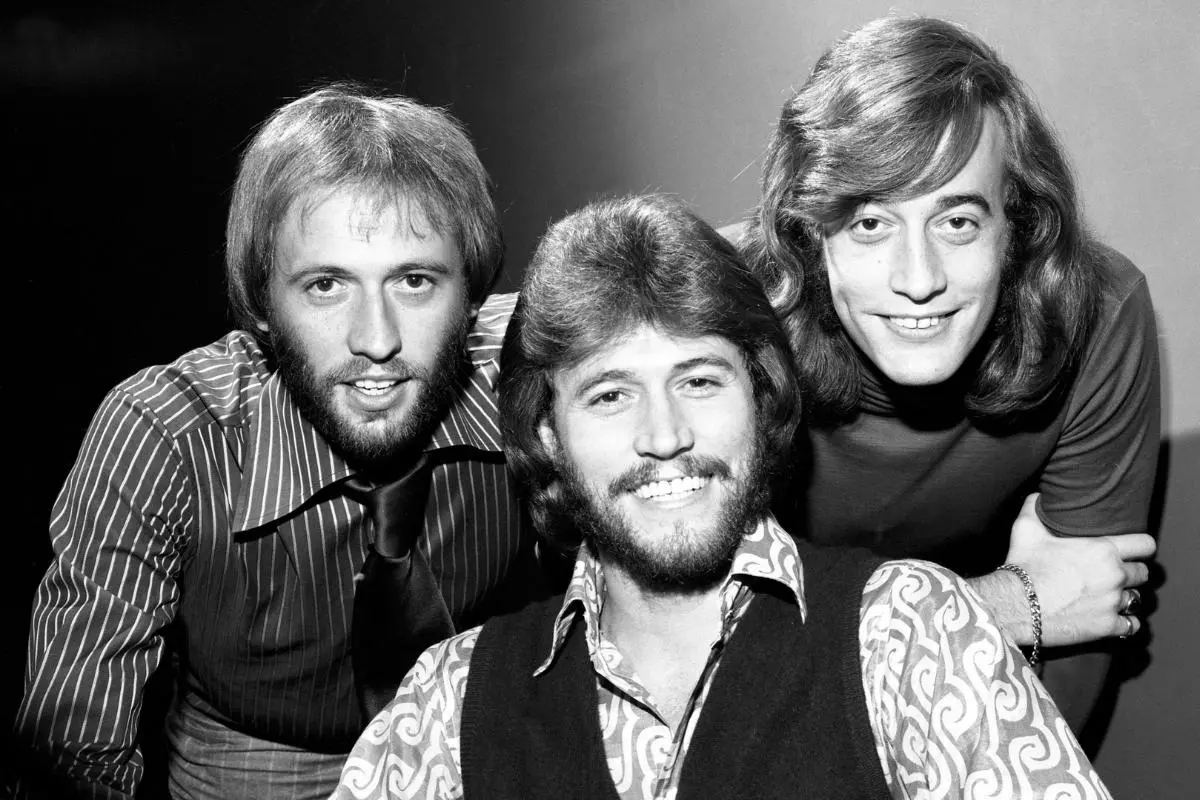
By the late 1980s, they proved they could still dominate as recording artists. “You Win Again” and later “Alone” show a band that understood contemporary production while keeping the Bee Gees DNA: bittersweet melody, stacked harmony, and a chorus engineered for maximum recall. Their late-career work is sometimes underrated because it isn’t tied to a single “scene,” but that’s exactly why it holds up.
At the level of musicianship, their later records also highlight something casual listeners miss: Maurice Gibb’s multi-instrumental backbone and arranging instincts, and Robin’s uniquely piercing lead tone. The Bee Gees weren’t “Barry and two brothers.” The blend only worked because all three voices created a composite instrument.
What made their harmonies different (and how musicians can steal it)
Plenty of groups sing in harmony. The Bee Gees made harmony the event. Their stacking often prioritizes emotional tension over textbook prettiness: close intervals, suspended-feeling movement, and parts that weave rather than simply support a lead.
A practical Bee Gees harmony checklist
- Write the chorus first – then build verses that earn it.
- Use contrasting registers – low warmth under high clarity.
- Make one harmony line “active” – let it move while others hold.
- Record multiple takes – the slight differences create thickness.
- Commit to a tone – breathy, bright, or chesty, but consistent.
For producers, the lesson is simpler: treat vocals as a section, not a single track. The Bee Gees built vocal “arrangements” the way Motown built horn lines.
“Stayin’ Alive” as cultural artifact: a pop song that became a tool
Some hits age into nostalgia. “Stayin’ Alive” crossed into something stranger: it became a widely cited reference point for CPR rhythm because its tempo aligns with recommended chest-compression rates. That’s a rare kind of immortality – a dance record that people invoke in life-or-death training.
“Whether you’re a brother or whether you’re a mother, you’re stayin’ alive.” – Bee Gees, “Stayin’ Alive”
A quick timeline of peaks (and why each one mattered)
| Era | What the Bee Gees did | Why it mattered |
|---|---|---|
| 1960s | Melodic folk-pop and baroque-leaning ballads | Proved elite songwriting and harmony early |
| Mid-1970s | Pivot to groove-forward R&B and danceable pop | Set up the disco takeover with credible musicianship |
| 1977-1978 | Saturday Night Fever era dominance | Disco becomes a global mainstream language |
| 1980s | Work as writers and producers, plus later hits | Survival through authorship, not image |
| 1990s | Mature pop records with signature harmonies intact | Legacy shifts from trend to catalog strength |
Awards, recognition, and the “serious music” argument
If someone still insists the Bee Gees were lightweight, point them to institutional recognition. They were inducted into the Rock and Roll Hall of Fame, an acknowledgment that their influence goes beyond a single genre moment.
They also collected major Grammy recognition during their peak years, including wins tied to their late-1970s output. The Grammy Awards archive documents how thoroughly they dominated the era’s mainstream music conversation.
Losses that changed the story, not the songs
The Bee Gees’ later narrative is inseparable from tragedy. Maurice Gibb died in 2003, an event that effectively ended the group as a functioning unit.
Robin Gibb died in 2012, leaving Barry as the last surviving brother and the keeper of a catalog that still feels oddly current in today’s pop-harmony renaissance, as reflected in their long-running chart history across decades.
Deep-cut listening: where to go beyond the obvious hits
If your Bee Gees experience begins and ends with three disco smashes, you’re missing the real fun. Use this short list to hear the full range:
- For heartbreak craftsmanship: “To Love Somebody,” “I Started a Joke.”
- For studio engineering and groove: “Night Fever,” “Tragedy.”
- For late-career proof-of-life: “You Win Again,” “Alone.”
For researchers and crate-diggers, song notes and background details can help frame how their biggest titles were made and why they stuck.
Conclusion: disco was the costume, not the identity
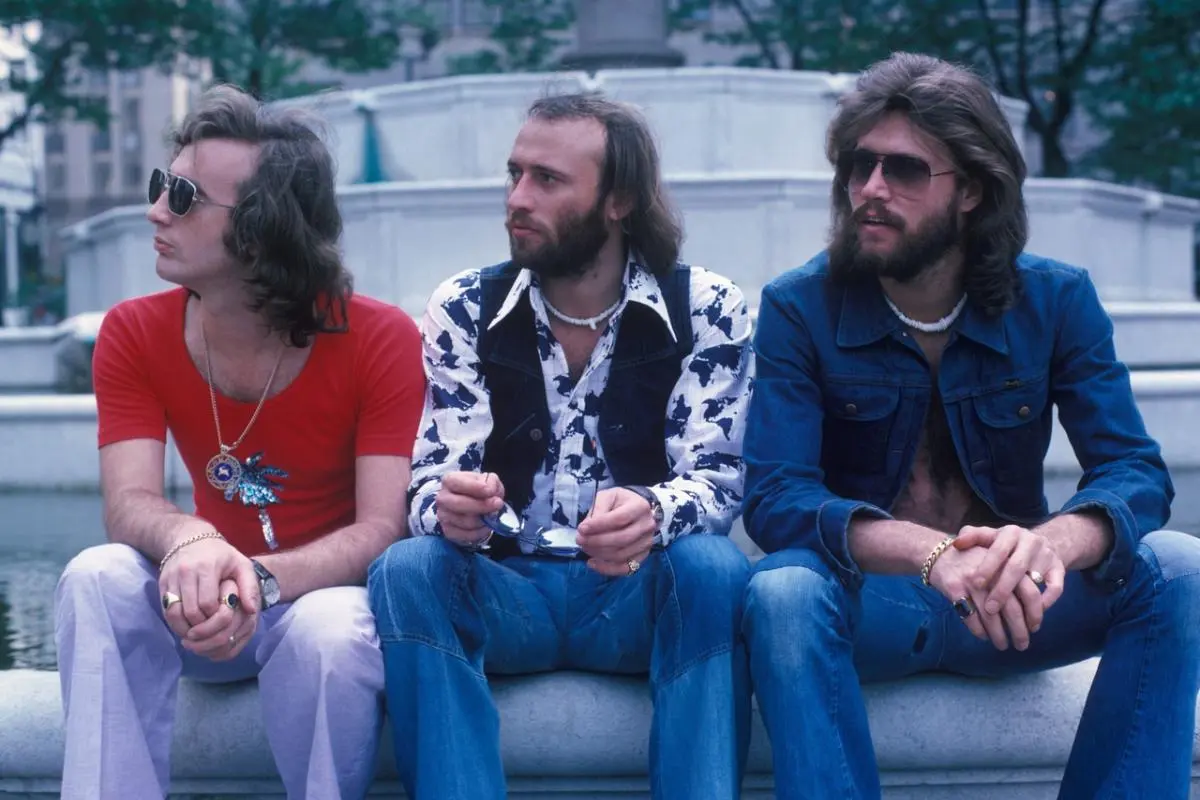
The Bee Gees didn’t “become disco.” They became a blueprint for how pop can be written, arranged, and produced when you treat the studio like an instrument and harmony like a hook. The backlash aged poorly; the records didn’t.
Their real legacy is daring: if you can write songs that strong, you can survive any trend war. And if you can make the world dance while you’re doing it, even better.