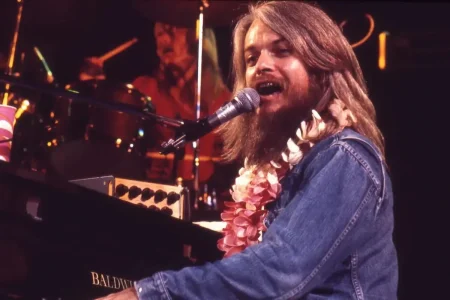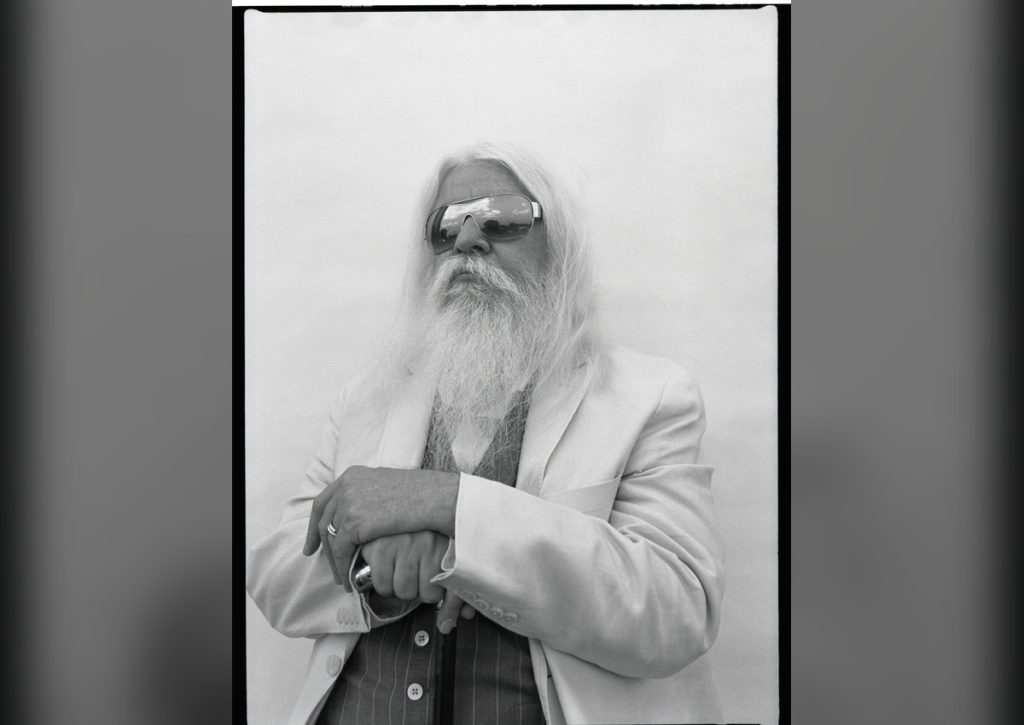
There is a fair chance Leon Russell has been in your ears your whole life without your knowledge. The top hat and the silver beard came later; through the heart of the 1960s he was something far stranger — an invisible man stitched into dozens of hit records, the piano on singles that sold millions while his name appeared nowhere a listener would ever see it.
The Tulsa kid in the Los Angeles machine
Claude Russell Bridges left Tulsa for Los Angeles as a teenager who could out-play most of the adults in any room, and landed in the middle of the greatest hit factory ever assembled: the loose confederation of session players later mythologised as the Wrecking Crew. By his early twenties he was an in-demand session pianist playing for Phil Spector, Frank Sinatra and everybody in between — one of the interchangeable, uncredited professionals who actually made the records that radio attributed to famous faces.
The ledger is absurd. Spector’s Wall of Sound sessions. The Beach Boys. The Byrds. Sinatra. Jan and Dean. Television themes, film dates, demo sessions — day after day of three-hour blocks in which a handful of players cut whatever was put in front of them, faultlessly, and went home. Session musicians signed contracts, not album sleeves. The music entered history; the names stayed on the union paperwork.
“This Diamond Ring”: the ghost in full view
One record shows the machinery with unusual clarity. Gary Lewis & the Playboys’ “This Diamond Ring” went to number one in 1965, and on paper it belonged to the fresh-faced band fronted by Jerry Lewis’s son. In the studio, producer Snuff Garrett brought in the professionals: Leon Russell wrote the arrangement, played the keyboards, and handled most of the overdubs — piano, harpsichord, organ, layer upon layer — while the credited band’s contributions were kept largely decorative. America bought a million copies of a Leon Russell production without ever reading his name.
He wasn’t wronged, exactly; that was the job, and he was paid for it. But multiply “This Diamond Ring” across five years of sessions and you get the strange arithmetic of his career: by the time most people first saw Leon Russell, they had already heard him hundreds of times.
The anonymity had a practical logic that’s easy to miss from here. In the mid-sixties, records were sold on faces and stories, and the industry saw no percentage in admitting that the same dozen Los Angeles professionals were playing on half the charts regardless of whose photograph was on the sleeve. The players themselves mostly shrugged; the work was constant, the money was good, and reputation travelled where it mattered — from control room to control room. Russell’s phone rang because producers knew. The public not knowing was simply part of the deal.
From sideman to Master of Space and Time
What makes the anonymous years fascinating is what he did with them. Every session was an apprenticeship — Spector’s maximalism, Sinatra’s precision, surf-pop’s hooks, the country and gospel he’d carried from Oklahoma — and when Russell finally stepped into the light around 1969, he emerged as a fully formed architect of American rock rather than a debutant. He built Joe Cocker’s Mad Dogs & Englishmen circus and stole it nightly from the top of a piano. He stood at the centre of George Harrison’s Concert for Bangladesh. He wrote “A Song for You”, which more than a hundred artists have since recorded, many of them unaware its author once played uncredited harpsichord on teen-pop singles.
The sideman years explain the swagger of the solo ones. Russell ran his own sessions the way the Crew ran theirs — fast, live, no preciousness — and musicians revered him precisely because they knew where the skills came from. Elton John has spent fifty years calling him a hero and made an album with him largely to force the world to look.
The credit that arrived late
Recognition, when it came, came the way it usually does for session men: decades late and slightly embarrassed. The Rock and Roll Hall of Fame eventually inducted him; documentaries about the Wrecking Crew finally put faces to the filing cabinet of hits; obituaries in 2016 ran lists of records readers had loved for fifty years without knowing he was on them.
There’s a lesson in Russell’s double life that the streaming era, with its endless scrolling credits, has made newly legible. The gap between fame and contribution has always been enormous. Some of the most influential musicians of the twentieth century spent their peak years as line items — and one of them wore a top hat, answered to the Master of Space and Time, and had already played on your favourite song before you were born.
Next time an oldies station throws up a mid-sixties hit with a suspiciously brilliant piano part, honour the odds. It’s probably Leon.