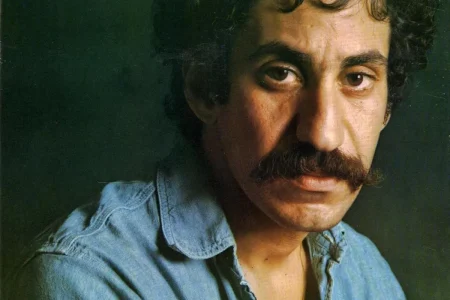
Leon Russell’s origin story is not a simple “guy forms a band, gets signed, becomes a star” arc. It’s closer to a Hollywood heist movie: a teenager slips out of Oklahoma, learns the codes of Los Angeles studio life, and quietly becomes indispensable. By the time he “arrived” to the public in the late 1960s and early 1970s, he wasn’t an upstart. He was the kind of musician the industry had already been leaning on for years, often without saying so out loud.
If you like the idea of secret architects behind famous records, Russell is catnip. His early career sits in that fascinating zone where the music business sold personalities, while the actual sound often came from a rotating cast of highly trained studio mercenaries. Russell was one of the sharpest blades in that drawer.
“Famous before he was famous”: what that actually means
When people call Leon Russell “famous before he was famous,” they’re describing a two-tier reputation. The public didn’t know the name, but musicians, producers, and label people did. In that world, fame is measured in phone calls: if you got called again tomorrow, you were a star today.
Russell became known as a keyboardist, arranger, and songwriter who could turn a rough idea into a usable record. His biography summaries consistently describe him as a major session player and behind-the-scenes contributor before his solo breakthrough. That’s not trivia, it’s the foundation of his later authority: when he stepped out front, he sounded like someone who had already lived inside the machine.
From Oklahoma to Los Angeles: the teenage leap that changed everything
Russell was born in Lawton, Oklahoma, and came up around Tulsa, a city with deep roots in Western swing, country, blues, and roadhouse R&B. That mix matters because he didn’t grow up thinking genres were fences; he grew up treating them like ingredients. He eventually headed to Los Angeles as a teenager, and that move put him directly in the path of the most lucrative musical gig in America: sessions.
The Oklahoma Historical Society’s encyclopedia entry covers his early life and move west, framing him as a musician whose career quickly expanded beyond the region. LA in the late 1950s and early 1960s was an assembly line for pop records, and it needed players who could read, improvise, arrange, and deliver under pressure.
The session ecosystem: why LA needed “weapons,” not just musicians
Let’s be blunt: session work wasn’t about artistry in the romantic sense. It was about results. Producers were trying to make something that sounded like a hit, fast, and they needed musicians who could do five things at once: nail the part, improve the part, save the song, save the schedule, and keep their mouths shut.
That last part is underrated. The business didn’t always want the public to know who played what. The “band” on the label was the brand, and the session crew was the infrastructure. If that sounds cynical, it is. It’s also how countless classic records got made.

The “Wrecking Crew world” and the art of being indispensable
Russell is frequently discussed in the orbit of the loose “Wrecking Crew” universe, the community of elite LA players who powered an enormous share of 1960s pop. Even when the exact boundaries of that label are fuzzy, the core truth is simple: there was a first-call ecosystem, and Russell operated inside it. The Wrecking Crew documentary project captures how this scene functioned as a hidden engine for the charts.
In practical terms, being “first-call” meant you were the solution to a producer’s problem. Need gospel-ish piano without the churchiness? Need a shuffle that doesn’t drag? Need a hook that feels inevitable? The best session players didn’t just perform, they made decisions.
What Leon Russell brought to sessions: three signature skills
Russell’s behind-the-scenes value can be understood as a specific toolkit. You hear it later in his solo work, but the traits were already there in the studio trenches.
1) Pianist with a drummer’s feel
Russell’s piano parts often sit inside the groove like percussion. Instead of floating above the band, they lock into the kick and snare. This made his playing unusually useful on pop sessions: it added motion without cluttering the vocal.
2) Arranger instincts: turning “parts” into “records”
Session players who can arrange are rare. Russell could shape intros, transitions, and dynamics so the track felt like a finished product. The Rock & Roll Hall of Fame profile notes his role as an influential writer and collaborator across major acts. That’s the polite version of what the industry knew: he could quietly direct traffic.
3) Genre bilingualism (and then some)
Russell could speak pop, rock, country, R&B, gospel, and blues without sounding like he was trying on costumes. That versatility is why session work loved him. If you’re cutting three different singles in one day, you don’t want a specialist. You want a chameleon with taste.
Credited, uncredited, and everything in between: why the paper trail is messy
One reason Russell’s early influence feels mythic is that documentation is incomplete. Some sessions credited players; many didn’t. Sometimes the label credit was a negotiated marketing decision. Sometimes it was pure indifference. And sometimes, the best players were deliberately invisible because it kept the brand story clean.
That’s why you’ll see Russell’s name attached to a wide range of recordings in discographies and retrospective accounts, while other contributions remain debated. Even major reference summaries acknowledge his extensive session and collaboration history without pretending every detail is perfectly logged.
Here’s the uncomfortable thought-provoking angle: the 1960s pop machine arguably trained listeners to worship the wrong heroes. Fans were sold “bands” and “idols,” while the sonic fingerprint often belonged to people like Russell. If you’ve ever wondered why so many records from that era sound “expensive” and “together,” it’s because they were staffed like pro sports teams.
The “behind the curtain” years paid off: why his late ’60s arrival hit harder
By the late 1960s and early 1970s, Russell began stepping out as a front-facing artist, songwriter, and bandleader. The difference between him and many new stars was obvious: he already had professional muscle memory. He knew how to build an arrangement, how to pace a performance, and how to make a studio sound like a room full of electricity.
His public breakthrough era makes more sense when you treat it as an unveiling, not a beginning. Obituaries describing him as a key collaborator before wider recognition underline the point: he didn’t “learn on the job” in public. He showed up already cooked.
“In the studio, you don’t get points for intentions. You get points for results.” – a common producer ethos of the era, echoed throughout session culture.
Why his story still matters to musicians (and serious listeners)
Russell’s early career is more than a cool anecdote. It’s a masterclass in how real musical power works. Not the fame kind, the leverage kind: being the person who makes everyone else sound better.
Lessons to steal from Leon Russell’s “pre-fame fame”
- Be easy to hire: show up prepared, adaptable, and pleasant. Session legends lasted because people wanted them back.
- Serve the song, then sneak in personality: Russell’s magic is that his parts feel inevitable, not flashy.
- Learn arrangement: if you can shape structure and dynamics, you become more than a player.
- Own multiple vocabularies: genre fluency equals employment, then eventually equals authority.
A quick myth-busting table: what people get wrong about early Leon Russell
| Myth | Reality |
|---|---|
| He came out of nowhere in the early ’70s. | He had already spent years building a reputation in LA studios and collaborations. |
| Session players were just hired hands. | The best ones functioned as co-arrangers, problem-solvers, and vibe-setters. |
| If it’s not credited, it didn’t happen. | Credits in that era were inconsistent, and many contributions live in oral history and industry memory. |
| “Wrecking Crew” is a strict roster. | It’s better understood as a scene and an ecosystem of first-call talent. |
Where to hear the “studio weapon” DNA in his later public work
Even if you don’t chase down every disputed session, you can hear the session mindset in Russell’s solo and collaborative output: the way the piano sits in the mix, the way choruses lift without sounding forced, and the way the groove stays human. Those are the fingerprints of someone who learned to make records, not just songs.
For chart context across his recording career, a consolidated view of his singles performance history can serve as a map of public visibility. Treat it as a map of public visibility, and then remember the punchline: the private visibility came first.

Primary-window insight: Russell in his own words (and why it’s revealing)
One of the best ways to understand the behind-the-scenes years is to read or listen to Russell discussing instruments, studios, and work habits. In his NAMM Oral History interview emphasizing practical musicianship and professional experience, he discusses his life and career with an emphasis on craft. That’s the worldview of a session veteran: less mythology, more work.
The provocative takeaway: the industry didn’t “discover” Leon Russell, it finally stopped hiding him
Here’s the edgy claim that fits the evidence: Leon Russell’s “breakthrough” wasn’t really a breakthrough. It was a rebranding of someone who had already been essential to the sound of an era. The curtain didn’t rise on a newcomer; it rose on a ringer.
Encyclopedia-style profiles and institutional bios consistently emphasize his deep pre-fame contributions as a session man and collaborator, reinforcing that his later stardom sat on a thick layer of invisible labor. That’s why his story remains so satisfying: it rewards anyone who cares about how records actually get made.
Conclusion: the hidden career that made the public career inevitable
Leon Russell’s early years are a reminder that pop history is full of stealth giants. Before the spotlight, there’s the work. Before the name recognition, there’s the reputation. Russell didn’t become great when the public noticed him; the public noticed him because he’d already become great.
If you want to understand the sound of American pop and rock as it professionalized in the 1960s, follow the session players. And if you want one of the most vivid case studies of a musician who was “famous before famous,” follow Leon Russell from Oklahoma to Los Angeles, and then listen for the piano that sounds like it’s holding the whole record together.