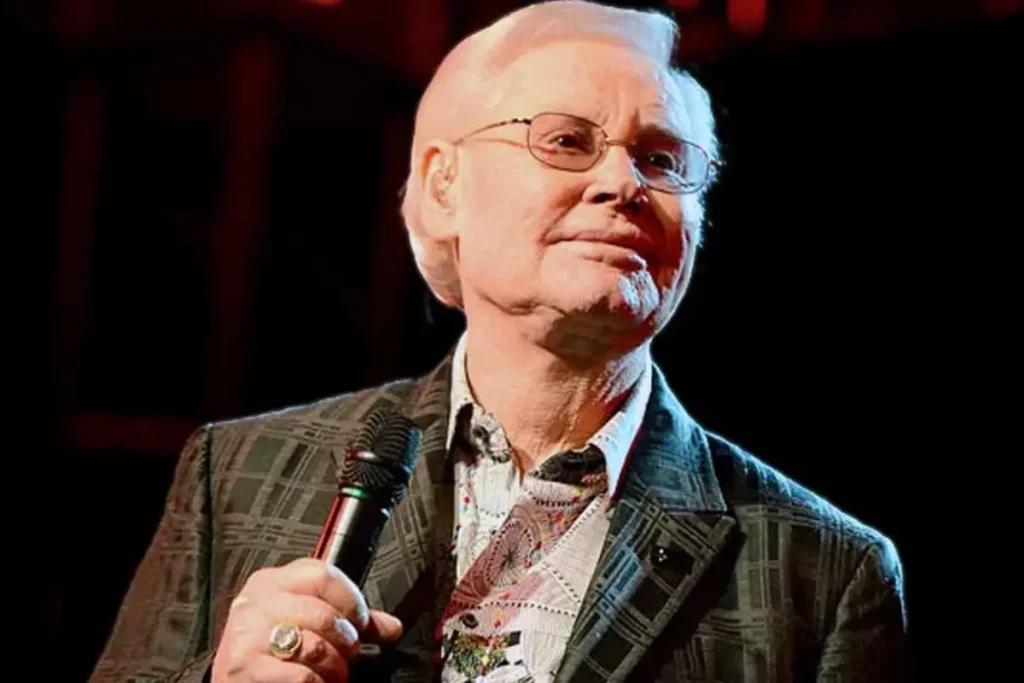
Country music has no shortage of hard-living folklore, but few stories land with the sheer cartoon logic of this one: hide George Jones’ car keys, and he’ll simply take the lawnmower.
It’s the kind of tale people repeat with a grin because it sounds too perfect. Yet the “Possum on the mower” legend has lived long enough to become part of the culture, referenced in hit songs and reenacted on camera like it’s a sacred ritual.
“She might have took my car keys, but she forgot about my old John Deere.”
Vince Gill, “One More Last Chance”
The story everybody tells (and why it won’t die)
The core plot rarely changes. A wife (sometimes his second wife Shirley, sometimes Tammy Wynette in the retelling) hides every set of car keys to keep Jones from driving drunk.
Jones, determined to make a liquor run anyway, spots the riding lawnmower sitting outside with the key in it, then putters down the road at a crawling speed for miles until he reaches a place willing to sell him alcohol.
One version ends at a liquor store. Another ends at a bar, with the mower parked out front like it’s a Harley, and Jones greeting the approaching wife with a punchline that’s pure George.
“Well fellas, here she is now. My little wife. I told you she’d come after me.”
George Jones (widely repeated anecdote)
Even if you’ve heard three different distances and two different destinations, the reason the legend sticks is simple: it captures his self-destructive drive and his dark comedy in one image you can’t unsee.
What we can say with confidence (without turning myth into “fact”)
Here’s the responsible way to handle this story: treat the lawnmower ride as a well-attested piece of country lore, not a police report with one official mileage figure.
Jones’ alcoholism and chaotic behavior are not in dispute. Biographies and institutional profiles consistently note a long history of drinking, missed shows, and turmoil that affected both his personal life and career.
Multiple mainstream retrospectives cite the lawnmower incident as a defining “George being George” moment, which tells you the story was circulating widely and early, not invented by a random meme page decades later, as reflected in major obituaries that recap his most enduring lore.
And when a story becomes so culturally standardized that it gets baked into a hit single, and then visually cameo’d in a music video, it graduates from rumor to recognized legend, even if the exact route is fuzzy.
A quick “truth scale” for the mower saga
| Claim | How solid is it? | Why |
|---|---|---|
| George Jones struggled severely with alcohol | Very solid | Documented broadly in major bios and obits, including his most-famous relationship era |
| A spouse hid his car keys to stop drunk driving | Plausible | Fits the pattern described in biographical accounts tied to the Wynette/Jones years |
| He took a riding lawnmower instead | Legend-level solid | Repeated by major outlets and embedded in pop culture |
| It happened “twice,” including during Tammy Wynette years | Uncertain | Often repeated, but details vary between retellings |
| Exact distance (8 miles vs 10 miles) and exact destination | Uncertain | Numbers shift in different tellings |
In other words: the mower ride is “true enough” to be part of Jones’ public mythos. The mileage is the part you should hold loosely.
Why the lawnmower detail matters (and why it’s darker than it sounds)
At a surface level, it’s hilarious: a superstar reduced to a slow-motion escape vehicle. But the comedy is inseparable from the danger and the sadness that shadowed Jones for years.
Country music sometimes romanticizes addiction as “outlaw” behavior. The Jones story is a reminder that the line between rebellious and reckless can be thin, especially when vehicles, roads, and alcohol mix.
Still, that tension is exactly why the image works as folklore. It’s absurd enough to laugh at, but real enough to wince at, and that blend is basically the country genre’s emotional sweet spot.
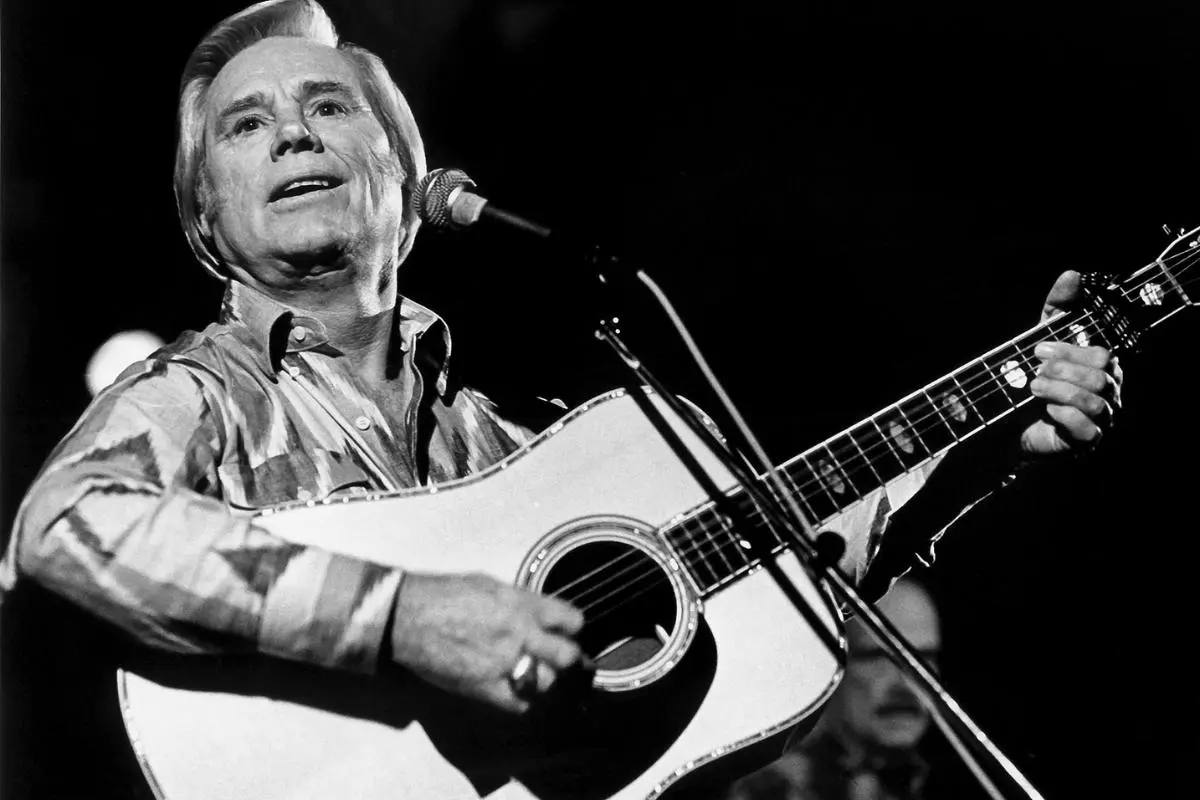
Enter Tammy Wynette: love, fame, and a relationship built for headlines
When people attach the story to Tammy Wynette, they’re usually reaching for maximum dramatic contrast: “Stand by Your Man” trying to stand by a man who has disappeared into the night on a mower.
Wynette’s own official site frames her as an artist who became a cultural force in country music, and her partnership with Jones remains one of the genre’s most famous pairings, a dynamic often summarized in career retrospectives of his life and legacy.
Whether the mower run happened in that exact marriage or not, the fact that audiences want it to have happened then says something. Their relationship has become the shorthand for country’s grandest mess: love, loyalty, and volatility amplified by celebrity.
Vince Gill turns folklore into a hook you can sing
By the early ’90s, country radio was polishing its edges, but it still loved a wink to the old wild days. Vince Gill’s “One More Last Chance” is a clever example of that balancing act: playful domestic chaos, a touch of regret, and a punchline that nods to the Jones legend.
The song’s writers and publishing data are documented in standard biographical reference material, confirming the track as a serious Nashville product, not just a novelty gag.
And yes, the music video leans into the myth by featuring a lawnmower moment that audiences immediately read as “that George Jones thing,” even if they couldn’t tell you what year it supposedly happened.
Why George Jones is still the north star for country singers
It’s tempting to reduce Jones to the headlines: drinking, chaos, disappearing acts, and the mower. But the reason the story survives is partly because the voice was so undeniable that the mess couldn’t erase it.
Institutions that don’t trade in barroom exaggerations still treat him as foundational, honoring his influence and legacy within the genre’s official history.
The Grand Ole Opry’s own artist page frames him as a defining figure, reinforcing that his stature isn’t a fan-club opinion. The industry itself kept calling him back, again and again, even after the self-inflicted damage, as reflected in his enduring Opry legacy.
The mower as a country symbol: stubbornness with a throttle
On an instrument site like ours, it’s worth pointing out that country mythology isn’t only built from songs. It’s built from objects: a Telecaster, a steel guitar, a tour bus, a bottle, and yes, a John Deere.
The lawnmower works as a symbol because it’s both rural and ridiculous. It’s the opposite of glamorous celebrity transportation, yet it’s stubbornly effective, which is exactly how Jones approached life at his worst: if there’s a way, he’s taking it.
There’s also a musician’s angle here. Great country singing thrives on control: breath, phrasing, pitch, and emotional restraint. The mower story is the chaos behind the curtain, the reminder that discipline in art can coexist with disaster in life.
Listening homework: songs that explain the legend better than the legend
If you want to understand why people keep forgiving George Jones, don’t start with the gossip. Start with the recordings, then come back to the mower and notice how it changes your perception.
Essential entry points
- “He Stopped Loving Her Today” – often cited as his signature late-career masterpiece and a benchmark for country vocal storytelling.
- “The Grand Tour” – a clinic in phrasing and emotional timing (listen for how he lets silence do half the work).
- “One More Last Chance” (Vince Gill) – for the explicit mower nod and the way ’90s country repackaged older legends into radio-friendly humor.
So…did he really do it twice?
The most honest answer is: the mower ride is real as a widely reported and culturally anchored event, while the “twice” detail lives in the haze where hard-living stories often end up.
But here’s the provocative truth: it almost doesn’t matter whether it was once or twice. Jones’ public life made the story believable, and his artistry made the story unforgettable.
Country music doesn’t canonize saints. It canonizes survivors, cautionary tales, and voices that can crack your chest open in three minutes.
Conclusion: the key you can’t hide
Hide the keys, lock the doors, beg, threaten, pray. In the legend, George Jones still finds ignition somewhere, and that’s why the story keeps getting retold.
It’s funny, it’s grim, it’s human, and it’s country. And when Vince Gill rides past “The Possum” in a lawnmower scene, it’s not just a gag – it’s a salute to the genre’s most infamous mix of greatness and self-sabotage.