
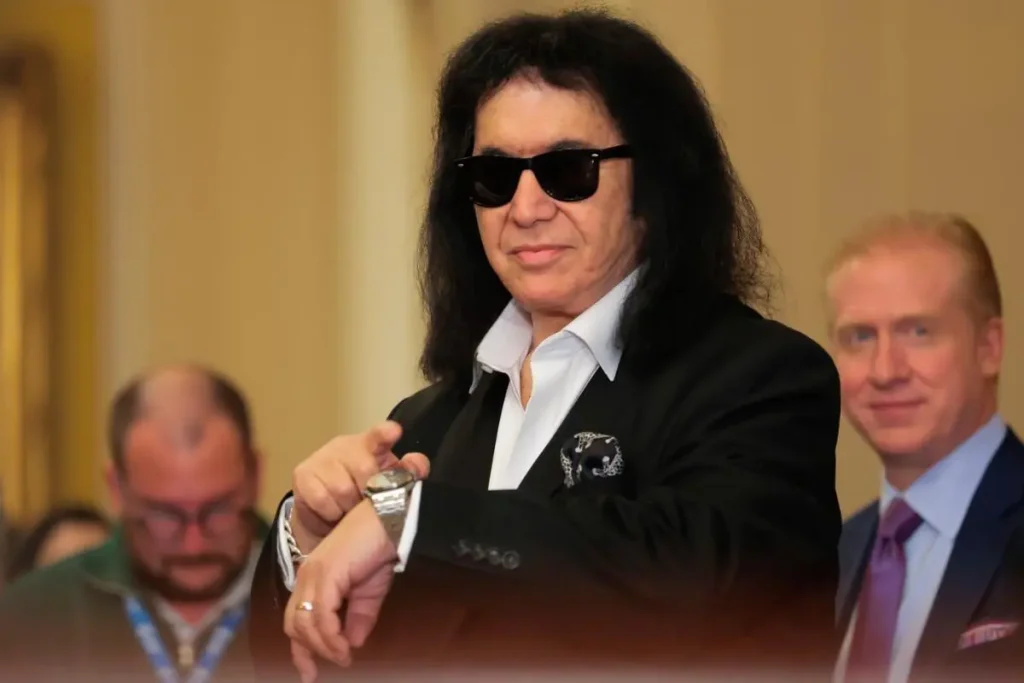
When Gene Simmons tells the U.S. Senate that Elvis never got “a penny” for radio play, it lands like a boot on a stage monitor. Not because it is shocking to music lawyers – it is not – but because it forces regular listeners to face a weird American exception: traditional AM/FM radio in the U.S. generally pays songwriters, but not recording performers, for spinning a record, as reflected in how radio royalties flow through performing rights organizations.
Simmons brought that argument to lawmakers while pushing the American Music Fairness Act (AMFA), framing it as overdue respect for the artists and session players whose voices and instruments built radio’s entire product in the campaign to pass AMFA. It is a fight that mixes patriotism, nostalgia, and blunt economics: radio is “free,” but the music is not.
What Simmons is really saying (and why it matters)
Simmons’ testimony uses star power to spotlight a simple claim: America is out of step with most of the world on terrestrial radio royalties for performers. If your local station plays a master recording, the people who actually performed on that recording typically do not receive a performance royalty for that broadcast in the U.S., a gap long highlighted in independent music advocacy around performance rights.
“We’re not treating our stars right … Let’s do the right thing. God bless America.” – Gene Simmons, testimony supporting the American Music Fairness Act.
The Elvis line is designed to be un-ignorable. Elvis is the rare name that cuts across age, genre, and politics, and it sets up the larger point: if the most famous catalog in American pop culture does not collect performer royalties from AM/FM plays, then neither does the middle-class working musician.
The confusing part: radio already pays, just not the way you think
In the U.S., radio stations do pay licensing fees that flow to songwriters and music publishers through performing rights organizations. That is the “public performance” right in the musical composition.
What’s missing is a similar general public performance right for the sound recording when that recording is played over the air. Copyright law provides a limited digital performance right for sound recordings, which is why many non-interactive digital services pay a statutory royalty.
Two copyrights, two money streams
| What is being used? | Who owns it? | Who tends to get paid today? |
|---|---|---|
| The song (composition) | Songwriters and publishers | Generally paid for radio performance |
| The recording (master) | Label and performers (varies by contract) | Generally not paid for U.S. terrestrial radio |
This is why Simmons can say “no penny” while many people swear artists “get paid from radio.” They are talking about different rights.

What the American Music Fairness Act would change
AMFA’s core idea is straightforward: require U.S. terrestrial radio to pay a performance royalty for the use of sound recordings, similar in concept to what exists for certain digital uses, as proposed in the introduced bill text for S.253 (the American Music Fairness Act). In other words, if you monetize music as programming, you help pay the people who made the recording.
The bill text (as introduced) lays out how those royalties would be handled and includes provisions aimed at smaller broadcasters. Supporters pitch it as parity: radio has changed, advertising has changed, and “free promotion” is not a complete substitute for compensation.
The small station argument, and the bill’s pressure valve
Critics warn that new royalties could squeeze local stations, especially in small markets. AMFA supporters answer that the legislation includes a structure meant to keep rates more manageable for smaller broadcasters.
This is the part where the debate gets real, because it is not just about rock stars versus “big radio.” It is about whether local radio should keep a special carve-out while nearly every other music business already licenses recordings as a cost of doing business.
Why the U.S. is the outlier (and why that’s controversial)
Internationally, paying performers for broadcasts is a normal concept. Music industry groups have long argued that the U.S. position weakens American leverage overseas and leaves money on the table for American artists.
There is also a cultural contradiction here: America celebrates the performer as the face of the music, then draws the legal paycheck line at the songwriter for terrestrial radio. That is great for some catalogs and brutal for others, particularly in genres where performers are not the primary writers.
George Strait, “Amarillo By Morning,” and the working musician reality
Simmons’ name-drop of George Strait and “Amarillo By Morning” is not random. Country radio is one of the last massive broadcast ecosystems still capable of breaking records, sustaining touring careers, and turning repetition into a brand.
If AM/FM spins do not pay performers for masters, then an artist can be culturally ubiquitous and still see that ubiquity reflected mostly in indirect income: ticket sales, merch, and whatever their recording contract actually allows. The people most exposed are background singers, sidemen, and session players – the musicians who do not headline arenas but whose playing is literally what you hear.
Who gets paid if AMFA becomes law?
The intended winners are recording artists and the musicians and vocalists who performed on the recording. In the digital realm, SoundExchange has long handled statutory royalties for certain non-interactive digital performances, and AMFA proposals have often been discussed in the context of building on existing collection systems.
Separate from all of that, songwriters would still be paid via the existing composition licensing ecosystem. That distinction matters because AMFA is not “taking songwriter money” so much as adding a missing category of payment for the master recording.
What radio stations would actually be paying for
Think of it as paying for the product you are broadcasting. U.S. copyright law already lists the exclusive rights in a copyrighted work, including public performance for musical works. AMFA is essentially the policy push to treat sound recordings more like what listeners already assume they are: protected, monetizable performances.
The edgier truth: “Radio promotion” is not a paycheck
The most provocative claim in this whole debate is also the simplest: radio has convinced generations of Americans that exposure is compensation. That logic is convenient for broadcasters, but it is not how we treat almost any other business relationship.
Yes, airplay can increase streaming and ticket demand. But if “promotion” was enough, then labels would accept promotion instead of money, and advertisers would ask stations to run ads for “exposure.” They do not, because everyone understands that a business built on repeated use of valuable content is supposed to pay for that content.
What to watch next (and what you can do)
The status quo is stable because it is old, not because it is fair. If AMFA advances, the hardest questions will be about rate-setting, administration, and how to protect genuinely small community broadcasters while not giving billion-dollar radio groups a permanent free pass.
If you are a musician, this debate is also a practical reminder to understand what you actually own and what your contracts say. A surprising number of artists still conflate songwriter royalties with master royalties, which is exactly how loopholes survive, especially as the wider recorded-music business is tracked and analyzed in global industry resources and reports.
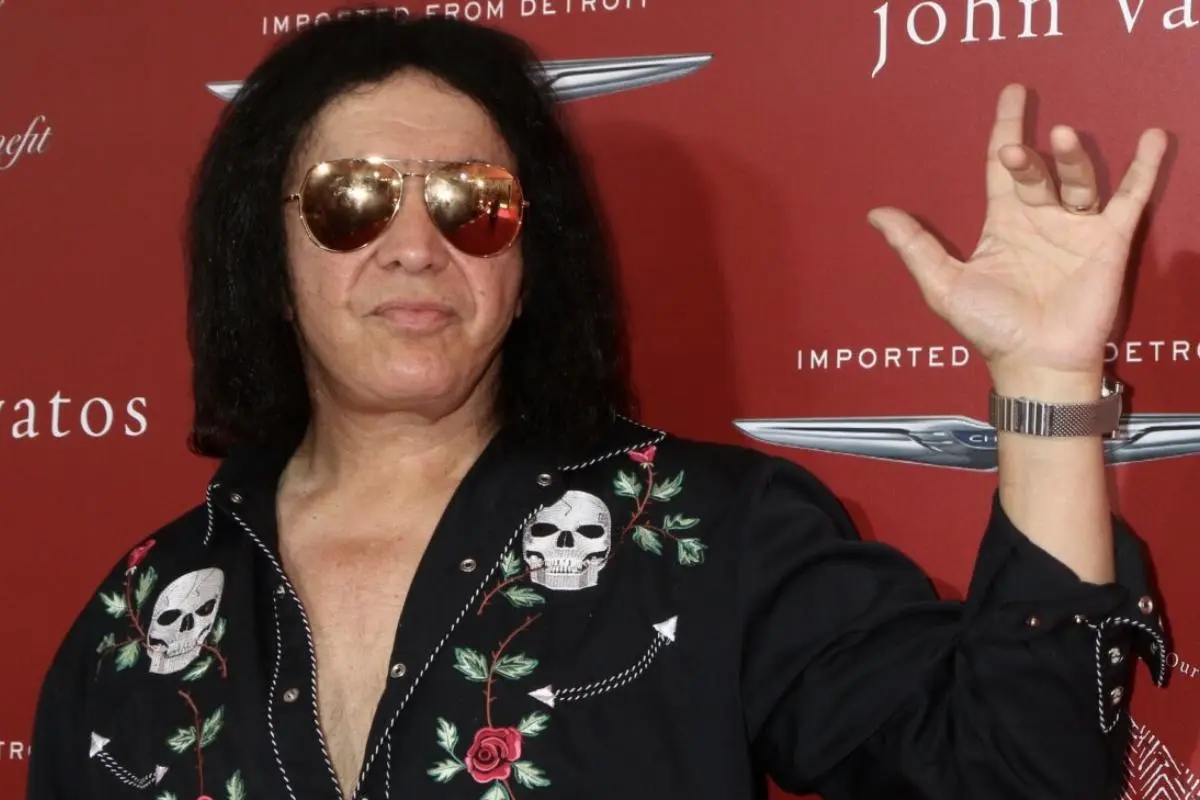
Conclusion: Simmons is right about the awkward part America avoids
Gene Simmons did not walk into the Senate to teach copyright theory. He walked in to say something that feels morally obvious to listeners: if a station makes money playing recordings, the people on those recordings deserve a cut.
Whether you think AMFA is long-overdue justice or a new burden on local radio, Simmons’ testimony forces a necessary conversation. America loves its music legends, but a love letter is not a royalty statement.


