The day the devil horns walked into a law office
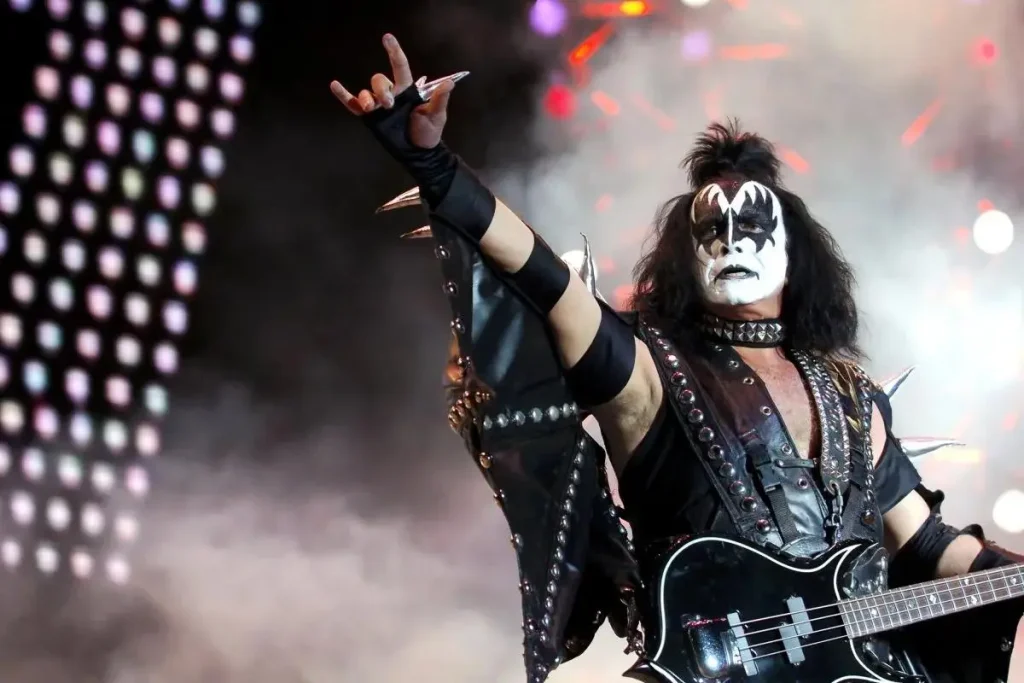
Few symbols scream rock quite like the raised index and pinky, the classic ‘rock on’ or devil horns. For decades it has been a communal signal: a shared, slightly ridiculous oath that what is happening onstage is louder, heavier and more alive than everyday life.
So when Gene Simmons of Kiss tried to turn that shared signal into his personal property by filing a US trademark on the gesture, many fans felt like someone had just tried to copyright breathing. The move was pure Simmons – part showman, part businessman, and just outrageous enough that people were not sure whether to laugh or reach for a lawyer.
What Gene Simmons actually tried to trademark
The paperwork
In 2017, Simmons filed US trademark application serial number 87482739 for ‘a hand gesture with the index and small fingers extended upward and the thumb extended perpendicular.’ The mark covered entertainment services – live performances and personal appearances by a musical artist – and claimed first use in commerce on November 14, 1974, right in the Hotter Than Hell era. Less than two weeks after filing, the record shows the status as ‘Abandoned – Express,’ meaning Simmons himself withdrew the application.
Not even the classic metal horns
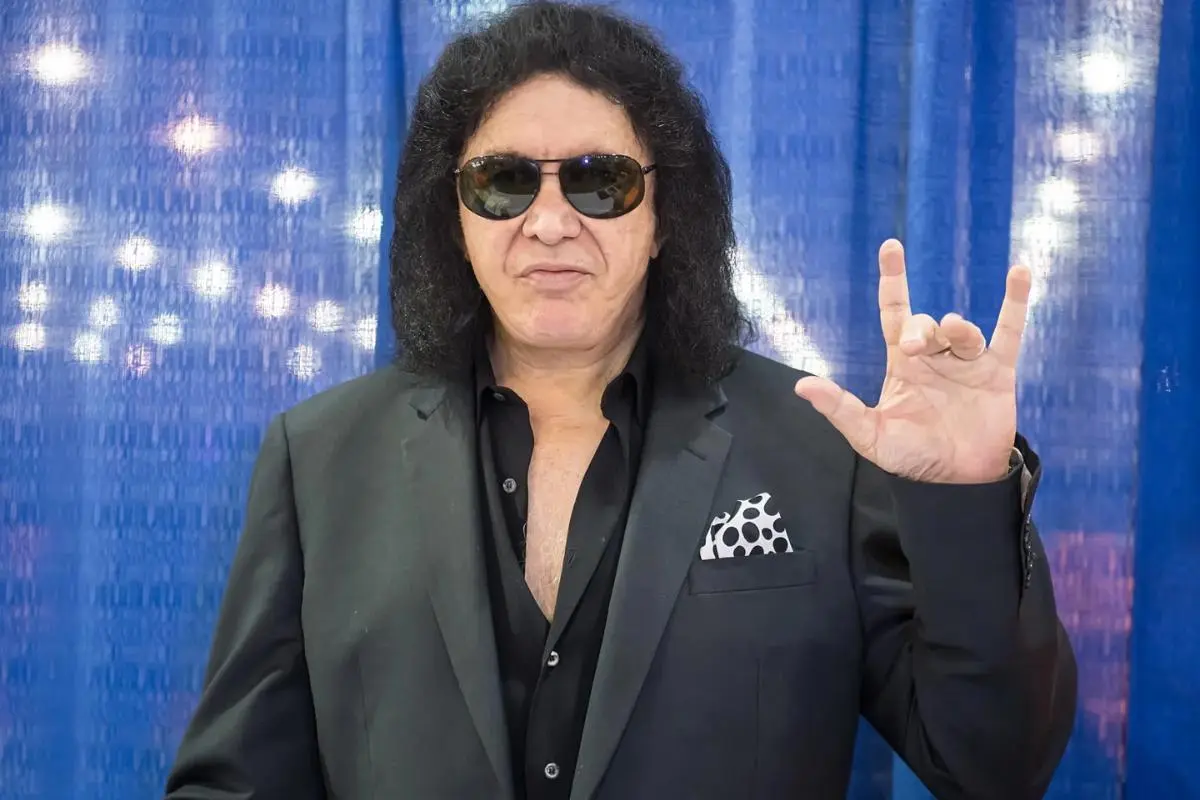
Notice that description carefully. It is not the thumb-curled-in sign most metalheads associate with Ronnie James Dio, but the thumb-out version many of us were taught in school as the American Sign Language gesture for ‘I love you.’ CBS News pointed out that Simmons told the Patent and Trademark Office he had commercially used the sign since 1974 and was now trying to claim a gesture that already meant both ‘devil horns’ and ‘I love you’ in everyday culture.
Devil horns: older than metal, older than Kiss
If you grew up in the 60s or 70s, you probably saw the gesture long before Dio, Kiss or Metallica. In Mediterranean folk culture the same basic hand shape – index and little finger pointed, middle fingers held by the thumb – has been used for centuries as the malocchio sign to ward off the evil eye. Religious traditions from Wicca to LaVeyan Satanism adopted variations of the pose, and by the 20th century the ‘sign of the horns’ had appeared on jazz records, psychedelic occult albums like Coven’s 1969 debut, and even Beatles artwork where a cartoon John Lennon flashes the sign.
By the time heavy metal arrived, the horns were already a loaded symbol waiting to be plugged into louder amplifiers. They carried overtones of superstition, mock-satanic theatre, and counterculture rebellion long before anyone in platform boots tried to monetise them.
How Ronnie James Dio turned an old superstition into a metal logo
What Dio did was give the horns a permanent seat in metal. As his widow Wendy has explained, Ronnie grew up with an Italian grandmother who used the malocchio sign on walks to ward off evil, and he carried that image with him for life. When he replaced Ozzy Osbourne in Black Sabbath, Ozzy already owned the two-finger peace sign, so Ronnie reached back into his childhood and tried his grandmother’s gesture onstage; it stuck instantly and soon the crowd was throwing it back, welding the horns to his voice and songs.
Even then, Dio refused to take full credit. In a 2001 interview he said that claiming to have invented the horns would be like saying he invented the wheel, and that at best he had made an old sign fashionable in metal by using it constantly until fans associated it with him.
Geezer Butler, Aleister Crowley and the pre-Dio horns
Black Sabbath bassist Geezer Butler has since added another twist to the story. Butler says he was throwing the horns onstage as early as 1971 during the slow section of the song ‘Black Sabbath,’ and that on the first Heaven and Hell shows Dio asked him what that sign was, then adopted it and made it his own. He describes it as an alternative to Ozzy’s peace signs, admits he was partly copying occultist Aleister Crowley, and calls it ‘an old sign’ rather than anyone’s personal invention.
The backlash: ‘It belongs to everyone’
Against this messy, shared history, Simmons’s attempt to privatise the gesture landed like a lead balloon. Wendy Dio, who has every emotional reason to defend her late husband’s association with the horns, still blasted Simmons’s filing as ‘disgusting’ and ‘a joke’, stressing that the sign ‘belongs to everyone’ and comparing his move to trying to trademark the peace sign or the middle finger.
Online, fans were less polite. Many heard about the application and immediately imagined cease-and-desist letters aimed at every bar band or teenager posing in a photo booth. Musicians from across the spectrum mocked the idea, some publicly toying with the notion of trademarking their own obscene gestures just to keep pace with Gene’s appetite for ownership.
Within days of the uproar, Simmons filed an express abandonment with the US Patent and Trademark Office. Coverage noted that trademark lawyers saw almost no chance of success anyway, since the sign had been generic across music scenes for decades and, in its thumb-out version, was functionally identical to the existing ASL sign for ‘I love you.’
Can you even trademark a hand gesture?
The obvious question is whether Simmons was chasing something legally impossible or just wildly improbable. Trademark law is surprisingly flexible about what can act as a ‘mark’ – not only words and logos, but shapes, colours, sounds and, at least in theory, gestures. The problem is distinctiveness. A South African intellectual property firm that analysed the Simmons case pointed out that consumers do not naturally see hand gestures as brand identifiers and that common signs like the devil horns or the ‘hand heart’ are the textbook definition of low distinctiveness.
Another analysis, in the Observer, noted that the exact thumb-out pose Simmons wanted is ‘probably one of the most common hand gestures in the world,’ and the same one Spider-Man has used to shoot webs since the early 1960s. When a gesture is already shared between comic-book heroes, rock fans, celebrity chefs and random kids in selfies, convincing an examiner that it uniquely points to one bassist is a long shot.
Trademark law is about avoiding consumer confusion, not rewarding ego. When the same shape is used to say ‘rock on,’ ward off the evil eye, flash school pride and sign ‘I love you’ to a deaf kid, it is almost the opposite of a single-source brand.
What the fiasco reveals about Gene Simmons – and about rock
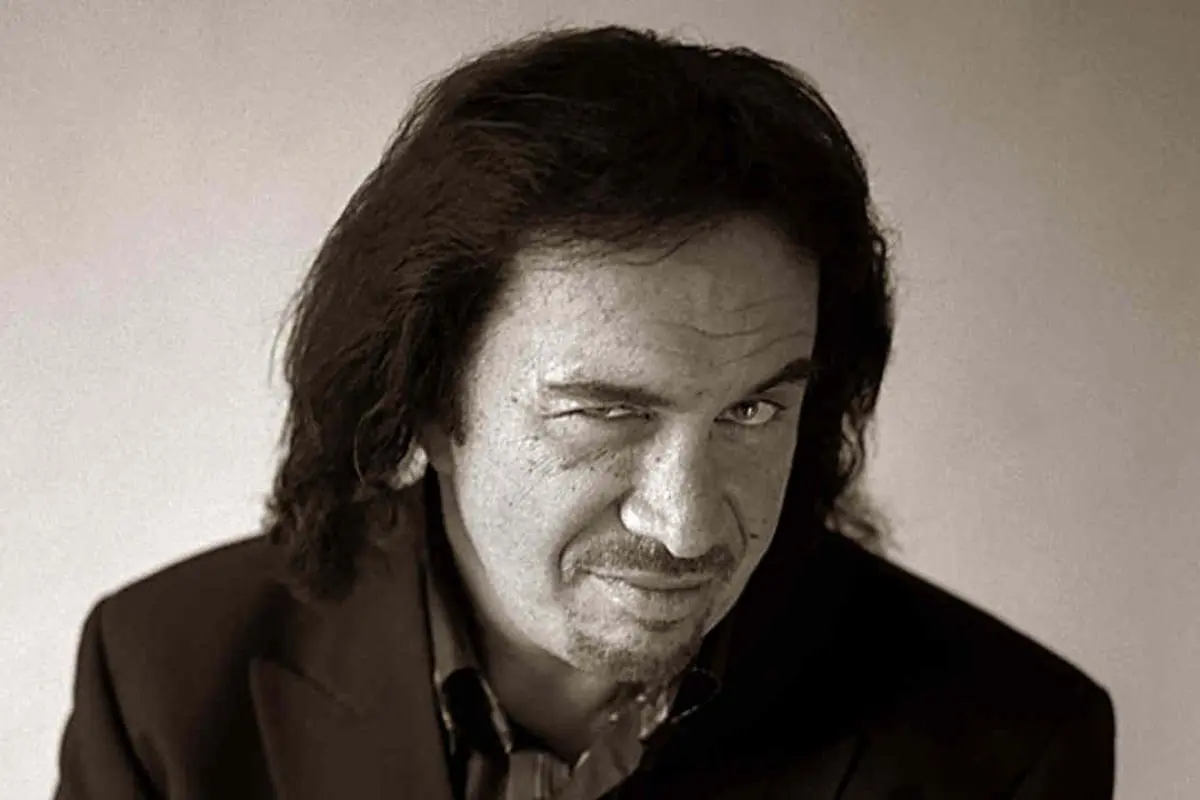
Simmons is not stupid. He has built an empire out of Kiss logos, cartoon faces and every imaginable piece of merchandise; in a cold business sense, trying to nail down the fan’s own hand gesture was simply the next logical escalation. On a talk show years earlier he had already boasted ‘I invented this baby’ while doing the sign, then admitted he was really copying the web-shooting pose of Spider-Man and Doctor Strange that artist Steve Ditko drew in Marvel comics.
That mix of genuine fandom and relentless monetisation is exactly why the trademark bid infuriated people. Rock fans will tolerate all sorts of excess, but some things feel off limits: shared chants, air-guitar poses, the way a crowd moves as one when the band hits the chorus. Trying to meter that, to turn every index-and-pinky into a line item, felt like the last stage of rock’s corporatisation.
Ironically, the episode also underlined where the real power lies. It was not a court that stopped Simmons, but the collective disgust and ridicule of the same audience he tried to brand. When millions of people loudly insist that a symbol belongs to everybody, even the most aggressive merch baron has to fold.
So who owns the devil horns?
Legally, no one – and that is probably the only answer that fits the gesture’s history. It is part folk magic, part jazz slang, part Sabbath-and-Dio stagecraft, part college football chant and part sign-language expression of love. Trying to lock that down to a single name on a register misses the whole point of rock culture, where meaning emerges from the crowd, not the corporation.
If anything, the failed trademark grab strengthened the horns instead of weakening them. Every time a fan in a denim jacket throws them up in a tiny club, they are voting against the idea that culture should be paywalled and for the wilder, older idea that some symbols are ours, collectively, no matter how big the logo on the stage might be.