

It is the kind of story music fans want to be true: David Gilmour, strolling through Venice, stops to listen to a street musician playing a glass harp. When the set ends, the global guitar hero leans in and says something like, “Do you want to play with us tomorrow night… on the stage here in St Mark’s Square?” The busker blinks, Gilmour shrugs, “You play this, I’ll pay you,” and suddenly a nobody is performing in front of thousands.
It is romantic, cinematic, and perfectly engineered for retelling. It also runs into a hard problem: Pink Floyd’s Venice concert is one of the most documented rock events of the late 80s, and the specific “glass-harp busker recruited the day before” claim is tough to verify from authoritative sources. What we can do is separate the documented concert from the viral legend, explain why the legend sticks, and show how a “street musician to big stage” moment really happens when the stakes are enormous.
First, the part that’s definitely real: Pink Floyd did play Venice
Pink Floyd’s Live at Venice performance took place in July 1989, staged on a floating platform in the Bacino di San Marco area near Piazza San Marco. It was broadcast widely, became infamous for crowd and civic backlash, and remains a reference point in conversations about public space and mega-concert logistics. The retrospective on how large and controversial the show was matters because surprises are harder to pull off when a city is already on edge.
St Mark’s Square (Piazza San Marco) itself is not a casual venue. It is one of Europe’s most symbolically loaded public spaces, ringed by landmarks and governed by strict preservation concerns, which amplifies the “no way they’d allow a last-minute guest” skepticism. A guide to Piazza San Marco and its cultural significance makes clear why the location is treated like a cultural artifact rather than a blank stage.
So what is a “glass harp,” exactly?
People often say “glass harp” when they mean one of two things: a glass harp (tuned drinking glasses played by rubbing the rims) or Benjamin Franklin’s glass armonica/harmonica (spinning nested glass bowls on a spindle). Both can sound like a ghost choir trapped in crystal, and both are visually arresting enough to stop a tourist, or a rock star, in their tracks.
Franklin’s invention is well documented in instrument histories: the glass harmonica is associated with an ethereal timbre and a peculiar mythos, partly because it looks like science and sounds like a séance. A basic definition of the glass harmonica (including the name and spelling) captures what most writers mean when they use the term.
If you want the “why does it sound like that?” version, a short history explaining how friction on glass produces sustained tones covers the core idea and why the instrument’s construction makes that shimmer unusually stable.
The viral claim: did Gilmour recruit a street glass-harp player for the next night?
Here is the uncomfortable truth for anyone who loves the anecdote: in the most accessible, mainstream documentation of the Venice performance, the story is not treated as a known fact. The famous recordings and broadcasts focus on Pink Floyd’s established touring ensemble and the event’s logistical drama, not a spontaneous busker cameo.
The strongest “primary-ish” evidence most fans encounter is video itself. Full or partial uploads of the Venice show circulate widely, and that material is what you would scrutinize for an unusual instrument and a guest performer. A widely viewed concert upload is useful for checking what instruments are actually onstage and when.
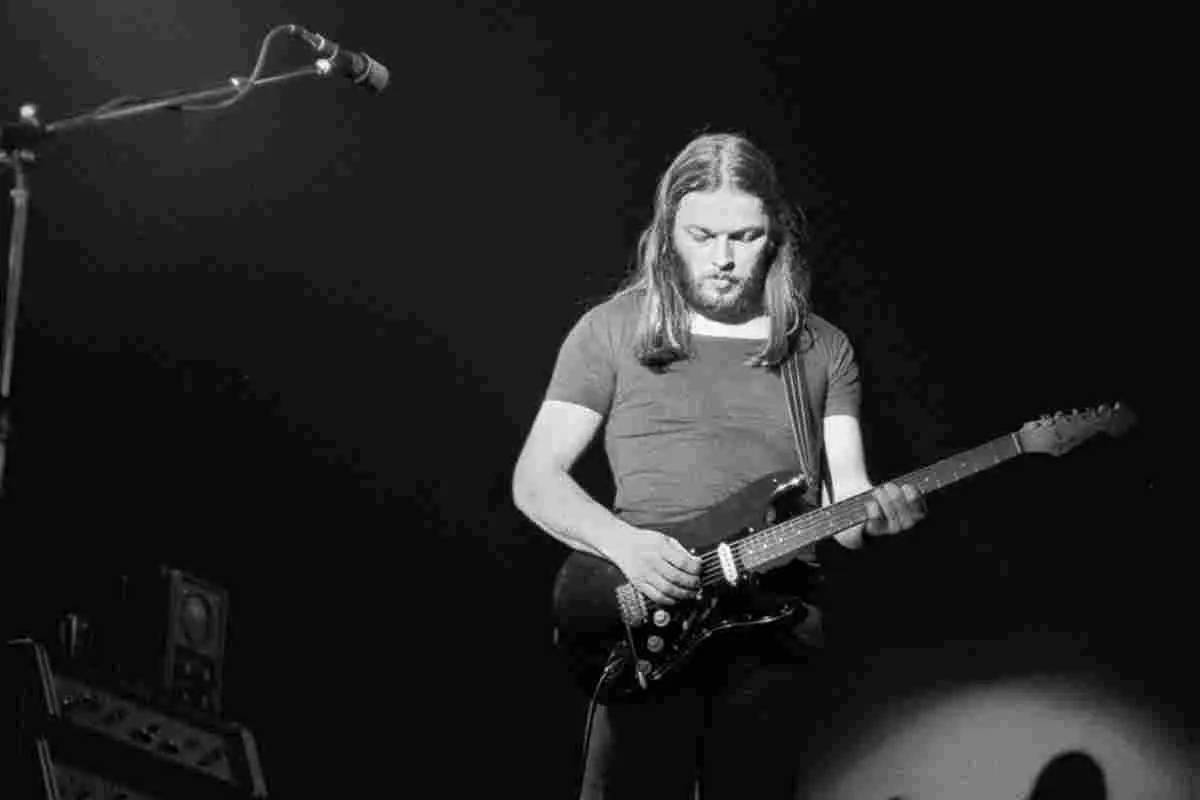
But a caution: even if you hear a glassy, choir-like texture in the mix, it may not be a glass instrument at all. Pink Floyd in that era leaned heavily on synth pads, sampled textures, and carefully orchestrated keyboard layers, which can imitate “glass” very convincingly in a stadium PA.
Why the quote feels “true,” even when it may not be
The line “You play this, I’ll pay you” reads like a mythic Gilmour moment because it hits three deep fan instincts: (1) he is the anti-ego rock star, (2) he respects musicianship in the wild, and (3) Pink Floyd’s music often flirts with the uncanny, so a crystal instrument “belongs.” The anecdote is basically a short story designed to confirm what we already want to believe about him.
“Myths are public dreams, dreams are private myths.”
Joseph Campbell, The Power of Myth
That does not mean the event is impossible. It means that without corroboration, you should treat it like folklore attached to a very real concert.
Could it have happened anyway? The brutal reality of adding a guest to a massive show
Big concerts look chaotic from the audience and behave like aerospace projects backstage. Adding a last-minute guest is doable, but it is not a casual “see you tomorrow” arrangement unless the production is intentionally flexible.
What would have to be true for the story to check out
- Clearances and access: the musician would need credentials, security clearance, and a timed rehearsal slot.
- Monitoring and tuning: a glass harp is sensitive to temperature, humidity, and physical stability. Venice in July is not a laboratory environment.
- Microphones and mixing: glass instruments need the right mic choice and gain staging to avoid feedback and to preserve the delicate attack.
- Arrangement: the band would need a part that fits musically, not just visually.
That list is why the anecdote raises eyebrows. But it also shows how it could be done if the guest played a simple, exposed part (a sustained drone, a single motif, or a doubled melody) and if the crew treated it like a cameo rather than a new instrument integrated into the core show.
What we can verify about “street musician culture” in St Mark’s Square
Venice is historically a magnet for performers, and Piazza San Marco has long been a stage of its own, even when no amplification is involved. The square’s reputation is tied to spectacle, ceremony, and tourism, which is why buskers gravitate there and why the city regulates it so fiercely.
So the “setup” of the legend makes sense: a visiting musician could easily encounter a distinctive performer near the square, and the encounter would feel fated because Venice is already theatrical.
The glass instrument’s weird prestige: why it would tempt a rock band
The glass harmonica is one of those instruments that carries instant narrative. It is visually unusual, it reads as “old-world,” and it suggests fragility and danger in the same breath. A museum collection record treating the glass harmonica as a serious historical object underscores that the instrument is not just a novelty prop.
For a band whose brand includes lasers, inflatable pigs, and existential dread, a “haunted” instrument is not out of character. It is almost too on-the-nose, which is exactly why the story keeps resurfacing.
What to listen for if you want to investigate the claim yourself
If you are trying to confirm whether a glass harp appears in the Venice performance, do not start with what you think you hear. Start with what you can see on camera and then verify with the audio. Here is a practical checklist:
- Scan wide shots of the stage for an unusual table-like instrument, bowls, or glass arrays.
- Watch the keyboard zones because “glass” textures are often triggered there.
- Check the credits on official releases or TV broadcast notes where available, since guest players are normally listed for rights reasons.
- Look for a dedicated mic setup (small condensers aimed at glass) versus standard vocal/instrument mics.
More Venice clips exist than most concerts of that era precisely because it was broadcast and rebroadcast. Comparing different uploads can help, since some include more backstage or pre-show footage that might reveal additional personnel – and you can start by triangulating against the official David Gilmour site for the most reliable hub of artist information.
Edgy take: the story is better as a warning than as a fairy tale
Here is the provocative angle: the myth works because it sells the fantasy that pure talent is enough, and the gatekeepers will magically open the door. In reality, the Venice concert is famous partly because the gatekeepers misjudged what would happen when you drop a mega-band into a fragile civic space.
In other words, if a busker did get pulled onto that stage, it would not just be a heartwarming moment. It would also be a reminder that the powerful can bend systems on a whim, while everyone else needs permits, insurance, and luck. That tension is one reason the story feels so electric.
If you’re a street musician: how to be “invite-ready” (without waiting for Gilmour)
Whether or not the Venice anecdote is factual, the underlying lesson is useful. If you want to turn street performance into bigger opportunities, you need to make it easy for people to say yes quickly.
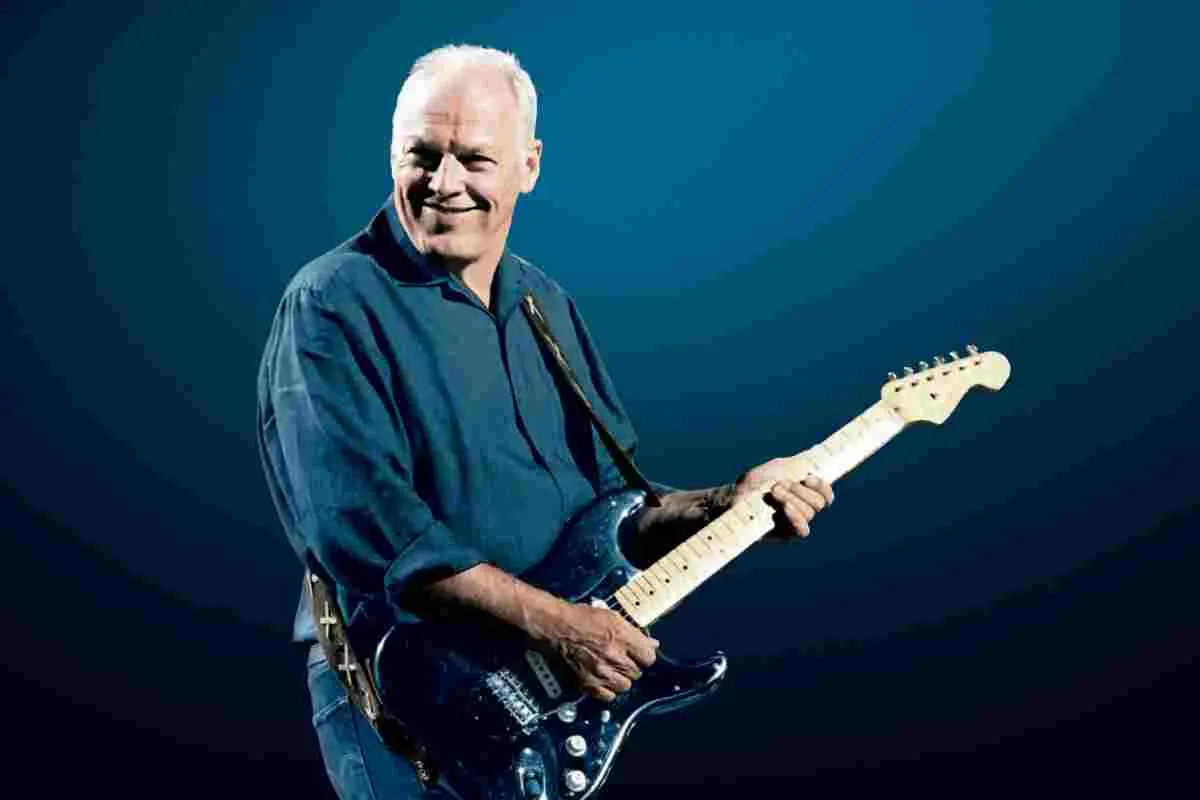
A practical “tomorrow night” readiness list
| You control | Why it matters |
|---|---|
| One signature piece | People remember a “thing” more than a setlist. |
| Simple stage plot | Promoters need to know what you require in 30 seconds. |
| Portable amplification plan | Even acoustic instruments often need reinforcement outdoors. |
| Clean contact card | No one wants to hunt for your handle while a crew is striking. |
| Video proof | A short clip is faster than an explanation. |
And yes, if your instrument is made of glass, bring redundancy. The coolest sound in the world is useless when one cracked bowl turns your big break into a sad tinkling silence.
Where does this leave the Venice “glass harp” legend?
We can confidently say Pink Floyd’s Venice concert was real, monumental, and chaotic enough to generate decades of stories. We can also say glass instruments are real, historically significant, and totally plausible as an attention-grabbing street act.
But the exact quote and the specific “busker recruited the night before, then plays alongside Gilmour” sequence remains unverified in the authoritative sources we can reliably point to. Treat it as a beautiful rumor until someone produces a credible first-hand account, production credit, or broadcast documentation that names the musician and shows the instrument onstage.
In the meantime, enjoy what the story represents: the fantasy that music is still a backdoor into the impossible. Venice gives it atmosphere, glass gives it mystery, and Gilmour gives it the one thing every myth needs: a hero who seems believable because he does not have to be.
Conclusion: The “Gilmour recruits a glass-harp busker” tale is a great campfire story with the right ingredients, but the verifiable record supports the concert more than the cameo. If you want the truth, look for names, credits, and footage, not vibes.
Check the video below:


